Moroccan City Bans Olive Trees Citing Allergy Concerns
Oujda, a city of half million people in the world’s second largest table olive producing country, announced a citywide ban on olive trees.
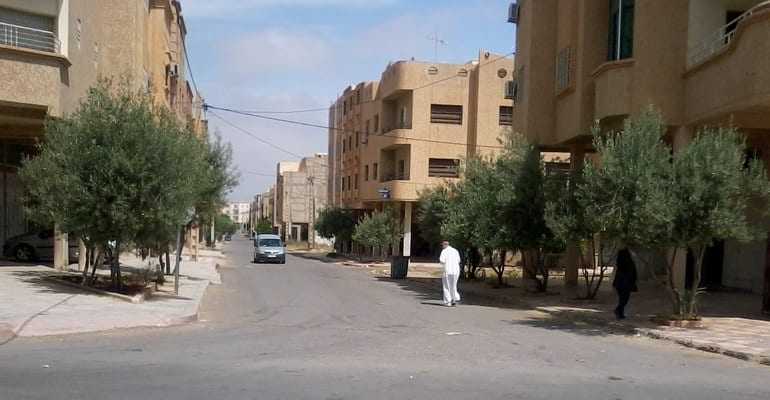
Oujda, a city in northeastern Morocco, has put forth a sweeping ban on olive trees citing allergy risks from the trees’ pollen. The city’s mayor, Omar Hijra, who is also a pharmacist, said that olive trees are one of the top causes of the seasonal annoyance. The trees account for up to 90 percent of all greenery in some areas of the city.
If trees are not removed by December 31, the city will take it upon itself to remove the trees and bill the owner, even if the plant is located on private property. The municipality hopes that owners will replant or sell the trees outside city limits.
Oujda, a city of around 500,000, is close to the Algerian border and about 55 km from the Mediterranean sea.
According to Hijra, a large percentage of residents approve of the measure. He says that the operation could take up to five years due to the vast number of plants in the city.
Morocco produced approximately 100,000 tons of table olives this season and 15,000 tons of olive oil.