Morocco Expands Protection for Regional Olive Oils
Morocco’s Agriculture Ministry has launched a new certification drive to expand geographical indications and protected origin labels, with olive oil a top priority.
A new initiative launched by Morocco’s Ministry of Agriculture and Fisheries aims to strengthen the quality profile of several typical local food products, with olive oil quality a primary focus.
By expanding the number of geographical indications (IGs) and AOP (Appellation d’Origine) designations — and supporting renewals of existing labels — the “Richness of the Terroir” initiative aims to strengthen standard procedures in groves and at the mill.
The Ministry lists 80 geographical denominations recognized between 2009 and 2023, including 68 IGs and six AOPs. Officials say the new push should add four olive oil IGs and at least one AOP to those totals.
These designations function in a way broadly comparable to the European Union’s PGI and PDO systems, linking a product’s characteristics to a defined origin and specified production methods.
The initiative also seeks to improve rural incomes by helping producers differentiate certified oils from bulk commodities sold without a recognized place of origin. The Ministry said the strategy protects traditional production while raising trade and export value.
Major olive oil areas — particularly in the Fès-Meknès region — are seeking protected status for local production, including territories such as Zerhoune, Lemta Fès and Sefrou.
Certification requires producers to follow a technical specification that defines the production area, cultivation practices, processing standards, and traceability rules.
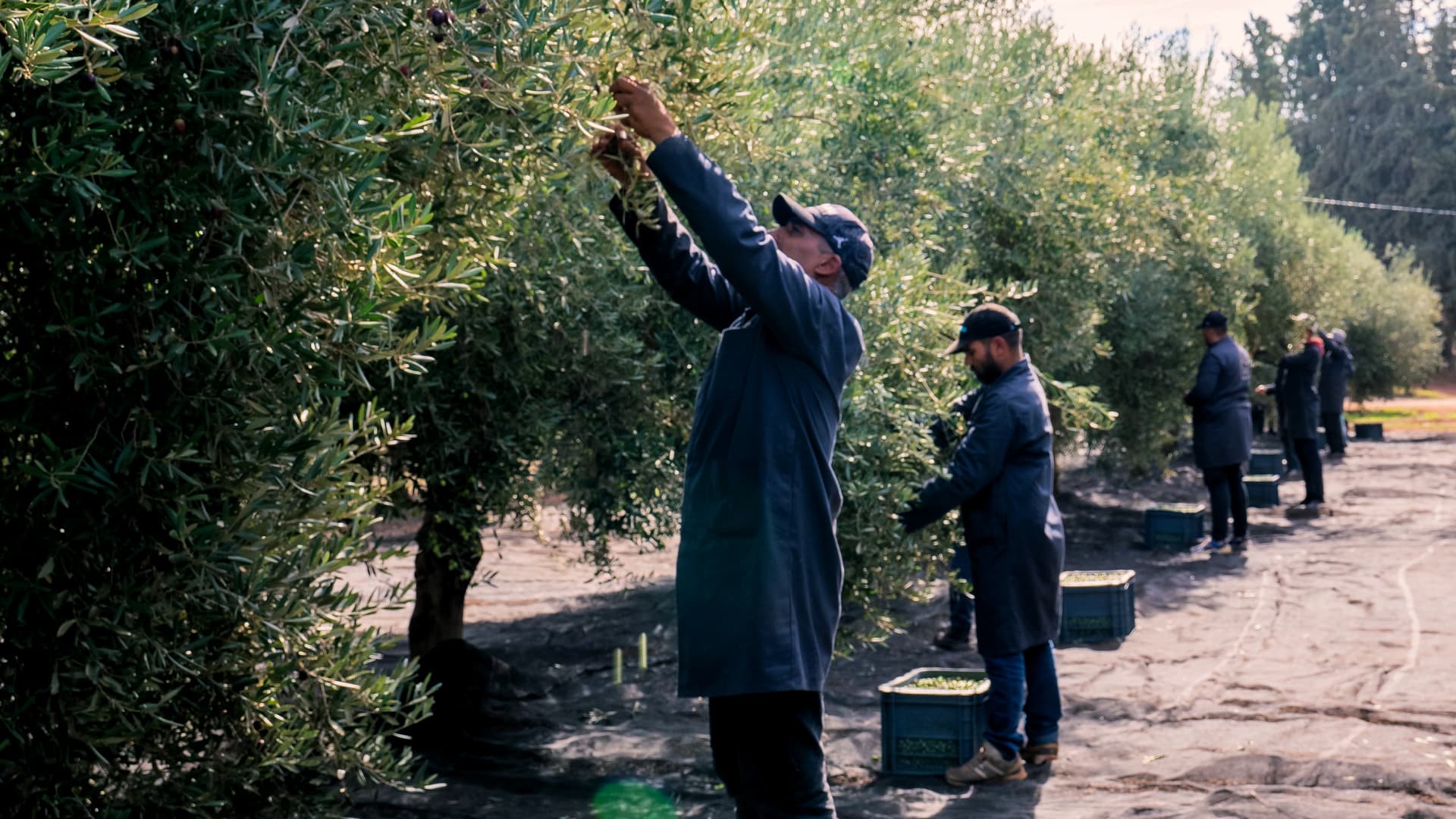
(Photo: Noor Fès)
Under Morocco’s Law 25-06 on geographical indications — aligned with international intellectual property frameworks administered through WIPO — the Ministry has allocated approximately 290,000 dirham (about €27,000) to support new certifications and renewals, both as IGs and AOPs. One example is Huile d’olive Tyout-Chiadma, an AOP that recognizes a particularly strong link between the oil and its production area.
Several olive oil geographical indications are already registered in Morocco’s national register of protected names, maintained by the Moroccan Office of Industrial and Commercial Property (OMPIC). These include oils such as Essaouira Mogador, Guerrouane, Tadiynit-Nador and Oasis Skoura.
Such designations identify olive oils produced in defined territories with deep historical roots in olive cultivation. The geographical indication “Huile d’olive Essaouira Mogador,” for example, covers dozens of municipalities in Essaouira province and requires olives to be grown and processed within the designated zone.
The latest certification push builds on the Plan Maroc Vert (Green Morocco Plan) and its successor, Generation Green 2020–2030, which aim to upgrade agricultural value chains, with olive oil production among the priority sectors.
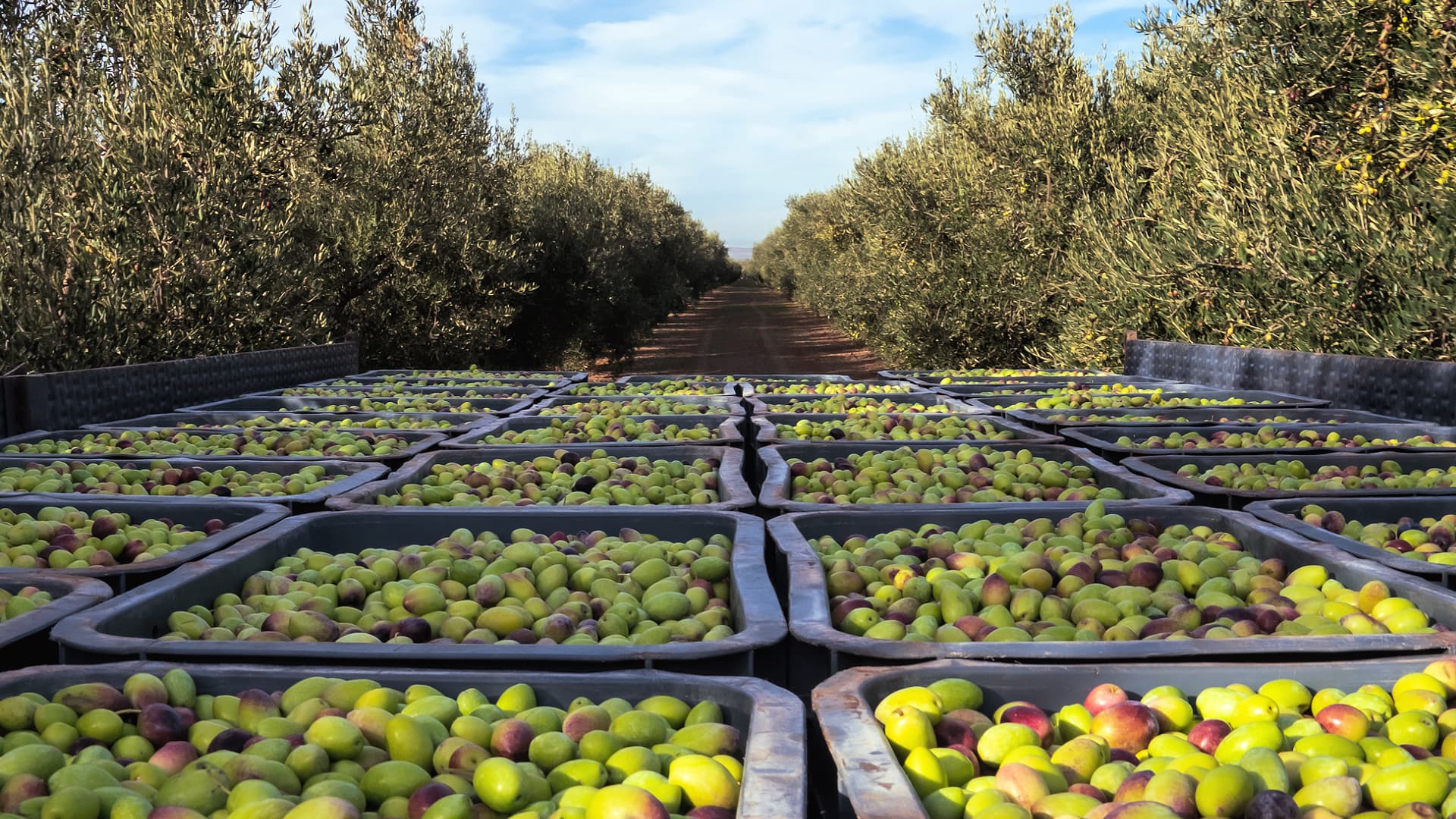
(Photo: Noor Fès)
Moroccan producers have also appeared more frequently among winners at the NYIOOC World Olive Oil Competition (NYIOOC), a trend that many in the sector view as evidence of a gradual shift toward higher-quality production and international recognition.
One example is Noor Fès, a vertically integrated producer operating about 70,000 olive trees on 320 hectares near the Rif Mountains. The company has received repeated recognition at the NYIOOC for its Moroccan Picholine oil. Founder Mohammed Dakir Berrada and general manager Ghizlane Tazi have said the awards show Moroccan olive oils can compete internationally while remaining rooted in local cultivars and traditions.
“This excellence is the result of our meticulously selected fruit variety… truly representative of the quality and character of our terroir,” they told Olive Oil Times after winning another Gold Award in New York.
Earlier NYIOOC results also highlighted how Morocco’s presence in the competition has evolved over time. Moroccan producers achieved their best performance in 2020, winning three awards, after earning one award in 2019 and none in 2018.
Industry participants described those results as a turning point. Djamel Belhaouci, manager at Les Huiles Précieuses, told Olive Oil Times that the awards reflected growing attention to quality in Morocco’s olive sector. “I think this is just the beginning of a little revolution in olive oil,” Belhaouci said.
Other producers have emphasized the role international competitions can play in helping Moroccan oils gain visibility abroad. Omar Tagnaouti, export and development manager at the farming group Olea, whose Zouitina brand won a Gold Award in New York, said the competition provides a global platform. “[The NYIOOC] helps us to market our brand,” he told Olive Oil Times, adding that the recognition confirms Morocco is “going in the right direction” on quality.