



 9.1K reads
World
Olive Oil Prices Soar on Drought and Poor Harvests, Impacting Consumers Worldwide
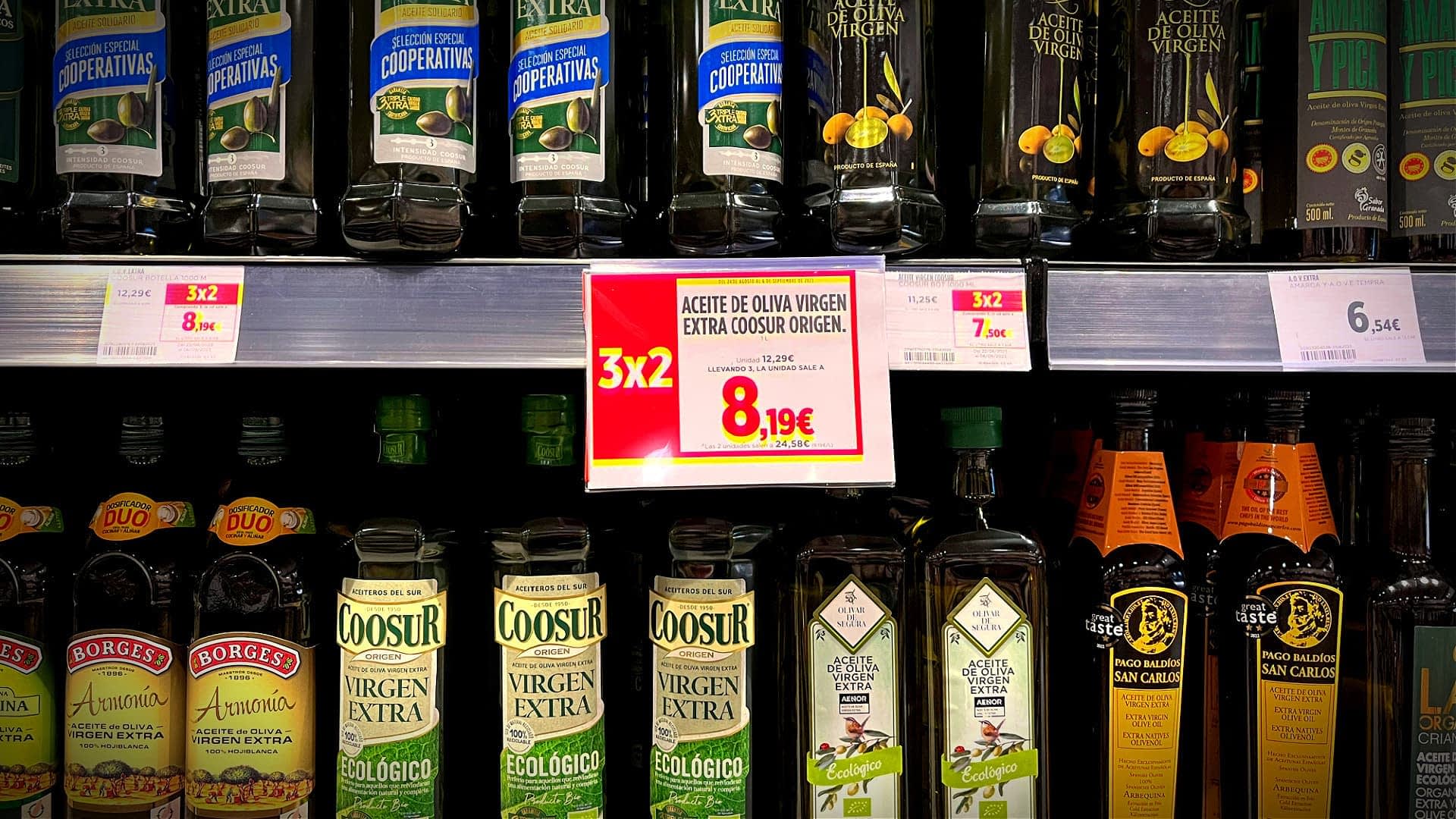

Global olive oil prices are surging due to off-year growing cycles and dry weather in major producing countries, reaching record highs in Europe and beyond. Despite the price increases, demand for olive oil remains relatively stable in major importing countries, with consumption expected to decline in lower-income regions.
Surging global olive oil prices show no signs of abating as farmers across the northern hemisphere prepare for the start of the harvest.
According to the International Monetary Fund’s primary commodity price index, global monthly average olive oil prices exceeded $8,900 (€8,250) per ton in August, a 130 percent increase compared to last year.
Before this year’s unprecedented spike in global prices, the previous record from 1996 sat at slightly more than $6,242 per ton.
See Also:Olive Oil Prices Soar in GreeceEconomists at the United States Department of Agriculture (USDA) attributed the rising prices to “the realization of off-year growing cycles and extremely dry weather in much of the Mediterranean.”
Concerns in Greece, Italy, Spain and Turkey, four of the world’s five largest producers, over the potential for poor harvests this year are exacerbating the situation, with experts anticipating prices to rise well into 2024.
According to data from the International Olive Council, olive oil prices at origin in Europe’s three major benchmark markets have steadily risen over the year.
Jaén, Spain, Bari, Italy and Chania, Greece, make up 60 percent of global olive oil production. Olive oil prices from these three places profoundly impact global olive oil prices.
IOC data show that extra virgin olive oil prices have more than doubled in Jaén, Bari and Chania compared with last year, reaching €670, €900 and €735 per 100 kilograms, respectively. Virgin olive oil, refined olive oil and lampante prices have also risen to record highs.
Outside of Europe’s largest producers, extra virgin olive oil prices in Trás-os-Montes, Portugal, have also hit a record-high €669 per 100 kilograms. Meanwhile, prices in Tunisia rose to €753 per 100 kilograms in July, nearly double the value from the start of the year.
“Prices have risen steadily since the extent of the damage to the harvest became apparent,” USDA economists wrote. “However, more recent concerns over supplies in Spain sent prices skyward as the market attempts to ration supplies towards the end of the marketing year.”
“As a result, olive oil consumption is forecast flat or down in 2022/23 for every single country except Turkey, where the government recently banned bulk olive oil exports in an attempt to ensure domestic supplies and alleviate price pressure even with record domestic production,” they added.
However, the impacts of rising prices have been felt distinctly in different parts of the world.
USDA economists anticipate demand for olive oil in Southern Europe to remain at normal levels, with higher prices and lower supply somewhat moderating consumption.
“Consumer and cultural preferences for olive oil make it difficult to substitute despite plentiful supplies of other vegetable oils,” they wrote.
Meanwhile, the USDA said olive oil consumption was likely to fall sharply in lower-income countries in the Middle East and North Africa in favor of higher export prices to meet demand in wealthier countries that produce no olive oil or far less than they consume.
According to Juan Vilar, a strategic consultant for the olive oil sector based in Jaén, consumers in major olive oil importers, including Brazil, Canada, Germany and the United States, would “continue to consume olive oil because they are used to paying €10 [or more] at the supermarket without any problem.”
USDA economists largely arrived at the same conclusion. “Less price-sensitive buyers, however, have proven that their preference for olive oil holds relatively more inelastic as prices have risen,” they wrote.
“For example, U.S. imports usually make up around 30 percent of global olive oil trade, but this year are slated to be 35 percent and 37 percent in 2023/24,” the USDA report concluded.
Related Articles

Jul. 23, 2025
Italian Producers Wrap Up a Modest Season
The moderate harvest comes amid a wider trend of declining olive oil production. Producer groups are working to add value and improve climate resilience.
Nov. 26, 2025
Global Olive Oil Production Hits Record 3.5 Million Tons
A new report forecasts global olive oil production at a record 3.507 million tons for 2024/25, driven by strong recovery in Spain and rising output in non-EU countries.

Jan. 28, 2025
Mill Wastewater Extract Yields Promising Health Benefits
A dietary supplement made with hydroxytyrosol extracted from olive mill wastewater inhibited the production of inflammatory compounds and showed antibacterial properties.

Mar. 26, 2025
Italian Exporters Double Down on U.S. Market Despite Tariff Risks
To capitalize on the increasing U.S. appetite for olive oil, which its own production cannot meet, Italian exporters are exploring optimal supply chains and analyzing the risks associated with tariffs.

Sep. 2, 2025
Peru’s Olive Oil Sector Eyes Record Rebound in Despite Pest and Trade Challenges
While exporters see opportunities in global markets, structural weaknesses in Peru’s value chain and low farm-gate prices continue to challenge thousands of olive and table olive farmers.

Apr. 14, 2025
Olive Oil Industry Pushes for Tariff Exemption at D.C. Event
The North American Olive Oil Association lobbied for a tariff exemption, emphasizing olive oil's unique health benefits.

Dec. 16, 2024
Turkey’s Olive Sector Aims for Record $1B in Exports
Olive oil and table olive exports could bring $1 billion to Turkish producers. However, previous export bans have hampered efforts.

Nov. 17, 2025
The Opportunities and Challenges of Colombia’s Olive Oil Market
Olive oil consumption in Colombia has nearly doubled in five years. Yet importers say consumer education and high logistics costs limit the market’s potential.