Bringing Palestinians and Israelis Together Through Olive Oil Production
In northern Israel, Sindyanna of Galilee helps farmers produce and sell extra virgin olive oil, using the proceeds to invest in the local communities.
“Olive oil is the tool that is bringing us together,” said Nadia Giol, the chief group facilitator at Sindyanna of Galilee.
Giol is a Palestinian citizen of Israel who works at Sindyanna’s visitors center, where she shows off the high-quality local olive oil production and explains the purpose of the women-led, Arab-Israeli company.
Sindyanna is trying to bring an alternative narrative to Arab and Jewish communities.
Sindyanna of Galilee is not a traditional olive oil producer. Instead, the non-profit buys olive oil and other agricultural products from local farmers in the oil-soaked Galilee – a large coastal plain stretching from northern Israel to southern Lebanon – bottles the oil and sells it domestically or exports it abroad.
With the money earned from selling the olive oil, the company invests in the local community by planting olive trees, helping farmers become certified fair-trade and organic and installing the necessary infrastructure, such as irrigation.
See Also: Producer ProfilesHadas Lahav, the non-profit’s co-founder and chief executive, told Olive Oil Times that she has spent her life trying to forge a deeper connection between Palestinians and Israelis with the olive tree – a millennia-old symbol of peace – at the heart of her efforts.
“My whole life, I was looking for ways to improve our society,” she said. “Whether it’s through women empowerment, Arab-Jewish collaboration or employment projects, everything that can make our society more just and fair.”
She started Sindyanna of Galilee in 1996 after recognizing the untapped economic potential of the region’s bountiful olive groves.
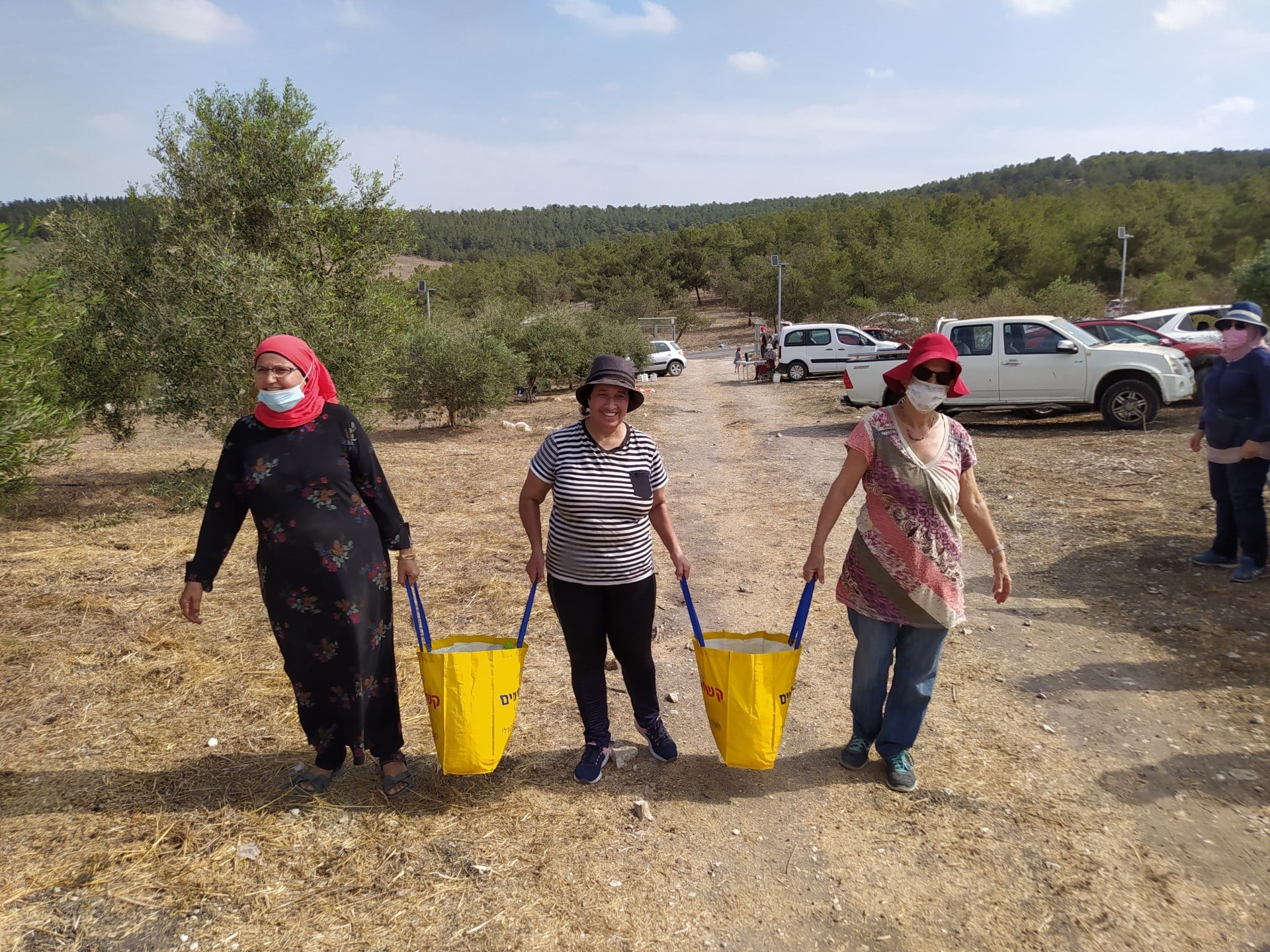
“There is a lot of olive oil in the Galilee,” she said. “Twenty-five years ago, the olive groves mostly belonged to Arab farmers. And there was a big problem with marketing and adjusting the olive oil to the requirements of the modern market.”
At the time, most of these farmers were producing olive oil to consume at home, but Lahav saw the economic potential that a little investment in harvesting and milling techniques could bring to the rural community.
“We saw that we can not only contribute to the improvement of the quality of the olive oil but also find the bridges between the Arab farmers or the Arab olive oil producers and the Israeli market, and later on to the global market,” she said. “This is where our journey started.”
Sindyanna of Galilee is based in the Arab town of Kafr Kanna, which Christians celebrate as the location where Jesus Christ miraculously transformed water into wine. At the company’s warehouse, they transform raw olive oil into the end product that sells for up to €18 per half-liter in Western European capitals.
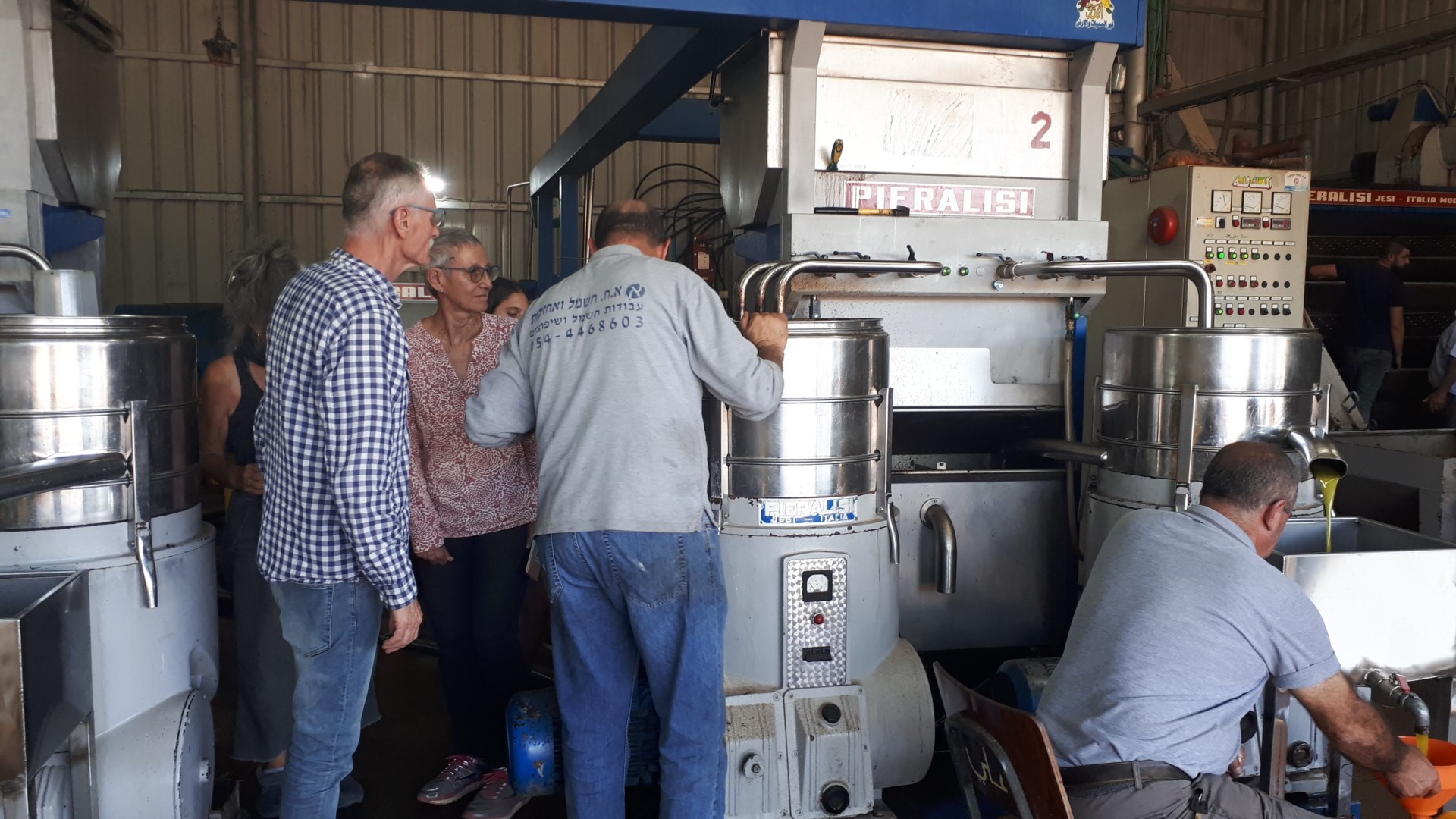
Once they have purchased the oil from the farmers, Lahav and her team transport it to the warehouse. Here, they filter the olive oil, store it in state-of-the-art containers, bottle the oil and eventually ship it to stores across the country and around the world.
“We know almost all of the producers,” Lahav said. “We know them personally. We visit them and bring back not only the food product but also the story. It is very important for us that people who consume our products know where they come from, what they represent, and their story.”
“We are trying to build an alternative narrative to the overwhelming Israeli narrative, which is based on separation and building walls between the two different communities instead of bringing them together,” she added. “Sindyanna is trying to bring an alternative narrative to Arab and Jewish communities.”
While Lahav, Giol and the rest of the team at Sindyanna are working to share a vision of hope and community through extra virgin olive oil, they face plenty of challenges in realizing this vision.
“On the agricultural level, the biggest challenge of say local farmers is developing irrigation systems,” Lahav said. “Because of climate change and the fact that summers in the Middle East are getting hotter, the effect on the olive trees is very dramatic.”
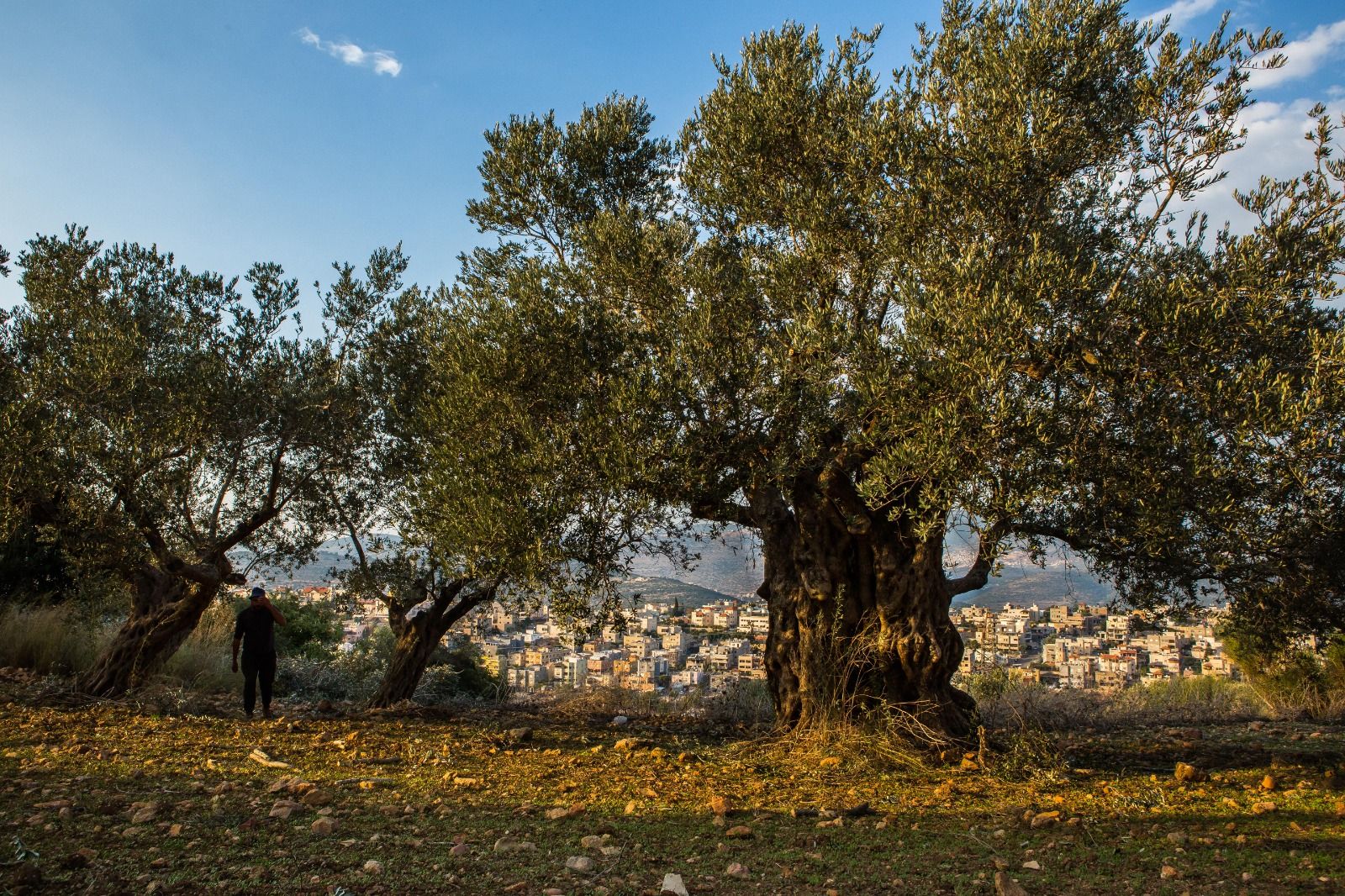
“Traditionally, olive groves in the Galilee are not irrigated,” she added. “They are rainfed, but we found out that you can get much bigger crops and much better quality by irrigating the olives.”
The team at Sindyanna of Galillee also works to educate farmers about modern harvesting and production techniques. Lahav believes that olive oil can follow in the wine sector’s footsteps in Israel, which has seen the value of its exports triple in the past 20 years.
“We are a little bit behind the wine industry with olive oil, but I think we are getting there,” Lahav said. “There is a global effort, and with the collaboration among all the olive oil producers, we can bring the olive oil to a new stage of a high-quality commodity.”
One of the ways in which Israeli producers will arrive at this point is by demonstrating their quality at international competitions.
To that end, Sindyanna of Galillee has earned various international accolades, including a Silver Award at the 2021 NYIOOC World Olive Oil Competition for a delicate Barnea monovarietal.
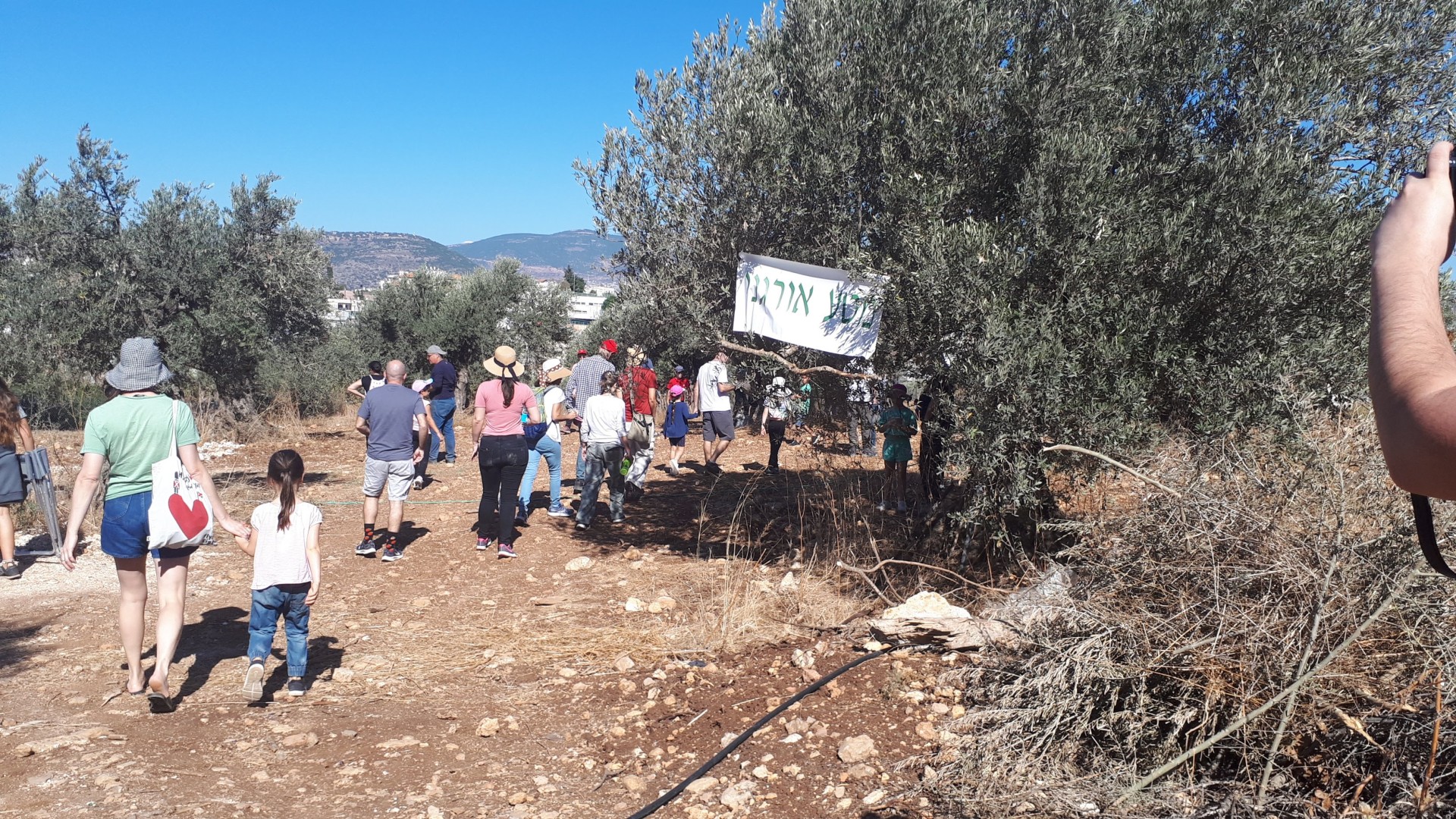
“This year, we sent two olive oils to New York,” Lahav said. “One is a Coratina from our fair-trade olive grove near Nazareth. And the other is an organic olive oil, which is a blend of Coratina and Barnea olives.”
Lahav said that Sindyanna of Galillee would be very happy to win more awards at the NYIOOC but celebrates the fact that so many people are invested in olive oil competitions, especially at a moment of increased uncertainty about the future due to conflict.
“We are optimistic that the world is concentrated on an olive oil competition,” Lahav said. “Everyone who is now fighting for a better world, against the war [in Ukraine], everything that is not bloodshed and violence is good, is absolutely optimistic.”
“Let’s do olive oil competitions and not war,” she concluded.