‘Olio Lucano’ from Basilicata Set for PGI
The Protected Geographical Indication ‘Olio Lucano’ has been registered and published in the Official Journal of the European Union.
The Protected Geographical Indication (PGI) Olio Lucano, reserved for extra virgin olive oil produced in the Italian southern region of Basilicata, also known as Lucania, has been registered and published in the Official Journal of the European Union.
In three months, if there is no opposition, the European Union will publish the registration regulation which will entitle Lucanian producers to use the IGP Olio Lucano mark for their productions. In the meantime, the IGP Olio Lucano Consortium will be able to use the quality mark on a provisional basis with the approval of the Agriculture Ministry.
Extra virgin olive oils bearing the PGI must be made from at least one of about thirty olive varieties grown in the region:
Acerenza, Ogliarola del Vulture, Ogliarola del Bradano, Maiatica, Nociara, Ghiannara, Augellina, Justa, Cornacchiola, Romanella, Carpinegna, Faresana, Sammartinengna, Spinoso, Cannellina, Cima di Melfi, Fasolina, Fasolona, Lardaia, Olivo da mensa, Orazio, Palmarola, Provenzale, Racioppa, Roma, Rotondella, Russulella, Scarpetta, Tarantina, Coratina, Frantoio and Leccino.
No more than 20 percent can be comprised of other varieties. All stages of the PGI production process, namely, cultivation, harvesting, and extraction, must take place within the Lucanian territory.
“This is a very important recognition and we look forward to the definitive publication,” the president of Basilicata’s producer organizations, Claudio Cufino told Olive Oil Times. “We established our association in the run-up to the PGI, which represents only the formal part of the quality path taken by the Lucanian producers over the last years.”
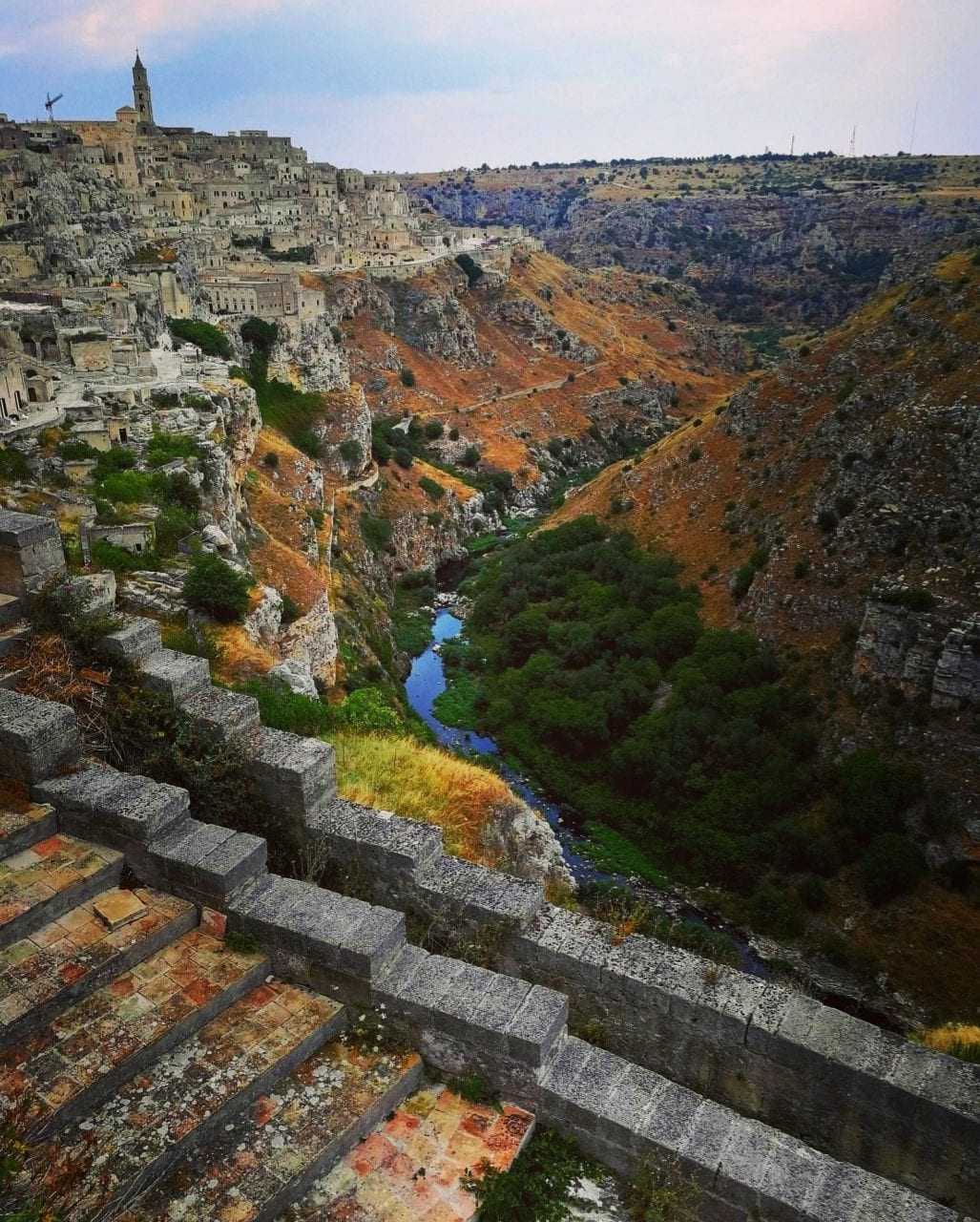
Matera (Photo by Maria Grazia Bisconti)
“This mark of origin is not a point of arrival but a starting point, the beginning of a series of actions that will strengthen the protection and promotion of our product in our country and worldwide. Moreover, the good outcome of the last campaign – in the 2019/20 crop year, the regional olive oil production more than quadrupled compared to the previous one – fires us with enthusiasm as we start a new season in the sign of quality.”