Titone Carry on Pioneering Legacy of Organic Farming on Sicily
From father to daughter, the award-winning producer continues following her father’s path of high-quality production and sustainability.
Nestled in the northwest corner of Sicily, the Titone farm is caressed by winds blowing from the Tyrrhenian Sea.
“Here, my grandfather, Nicolò cultivated Grillo and Catarratto grapes intended for the production of Marsala wine,” Antonella Titone told Olive Oil Times. “The orchard was gradually transformed from a vineyard into an olive grove between the 1970s and 1990s.”
(My father) was my wingman, and I miss his support. It is all different without him, but I strive to be his worthy successor.
“It was my father, Nicola, who planted the trees in a very rational way, with each row corresponding to a single variety, to facilitate the harvest,” she added.
Widely considered a pioneer of organic olive farming, Nicola Titone passed away last year. From that moment, Antonella has been committed to honoring his teaching, continuing in his footsteps of high-quality olive oil production while pursuing sustainable agriculture.
See Also: Producer Profiles“He was my wingman, and I miss his support,” she said. “It is all different without him, but I strive to be his worthy successor. At the beginning of this incredible journey into the world of extra virgin olive oil, I was so naive.”
“I did not know anything about the sector, and my choice to flank my dad was a bit unconscious and unaware, dictated solely by my love for him,” Titone added. “He involved me, supported me and it has been 20 years since I started making olive oil.”
The Titone family have been pharmacists for generations.
“Thanks to our background, we have always been focused on preventative care, which can be provided at the table and, before that, by keeping the environment clean,” she said. “Also, the scientific studies helped us have a research approach.”
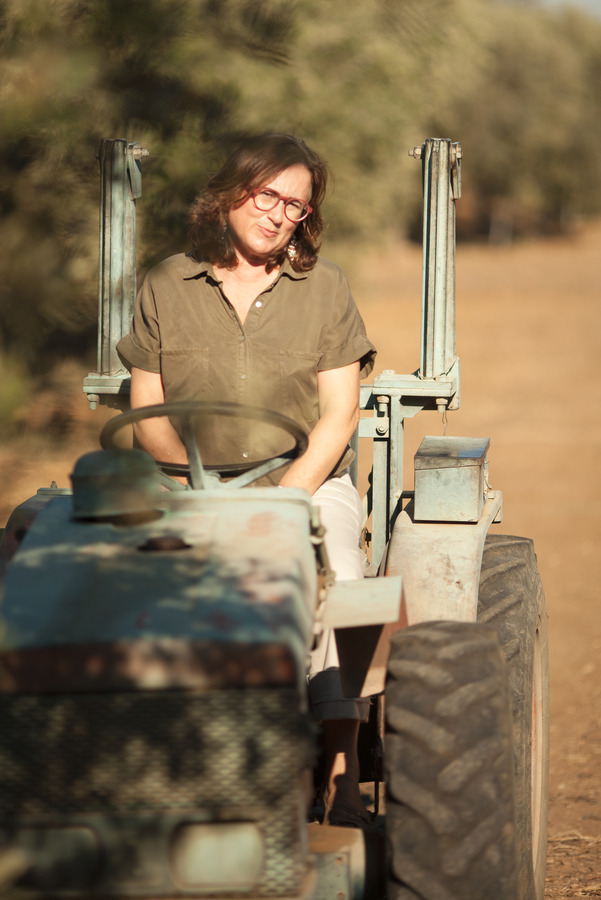
Antonella Titone
“Based on these premises, my father launched himself into the challenge of organic olive farming, which was groundbreaking at the time,” Titone added.
Her blend of Cerasuola and Biancolilla earned a Gold Award at the 2021 and 2022 editions of the NYIOOC World Olive Oil Competition, the world’s preeminent olive oil quality awards.
Before the establishment of the organic certification and control bodies, Nicola Titone started to implement an environmentally friendly olive grove management regime. Later, his company was among the first in Italy to become certified organic.
He became known in the sector for creating a trap for the olive fruit fly, the scientific validity of which was established by the University of Palermo’s agronomy faculty.
“I should say that his breakthrough approach had already been seen in the pharmacy field,” Titone said. “He was one of the first, in Marsala, in the early 1970s, to move his pharmacy from the city center to a suburban area since he believed that the health treatments should be easy for all to reach.”
“Then, he set up a modern storefront with diet and cosmetic products, not just medicines, which at the time was an innovation,” she added. “He was truly ahead of his time.”
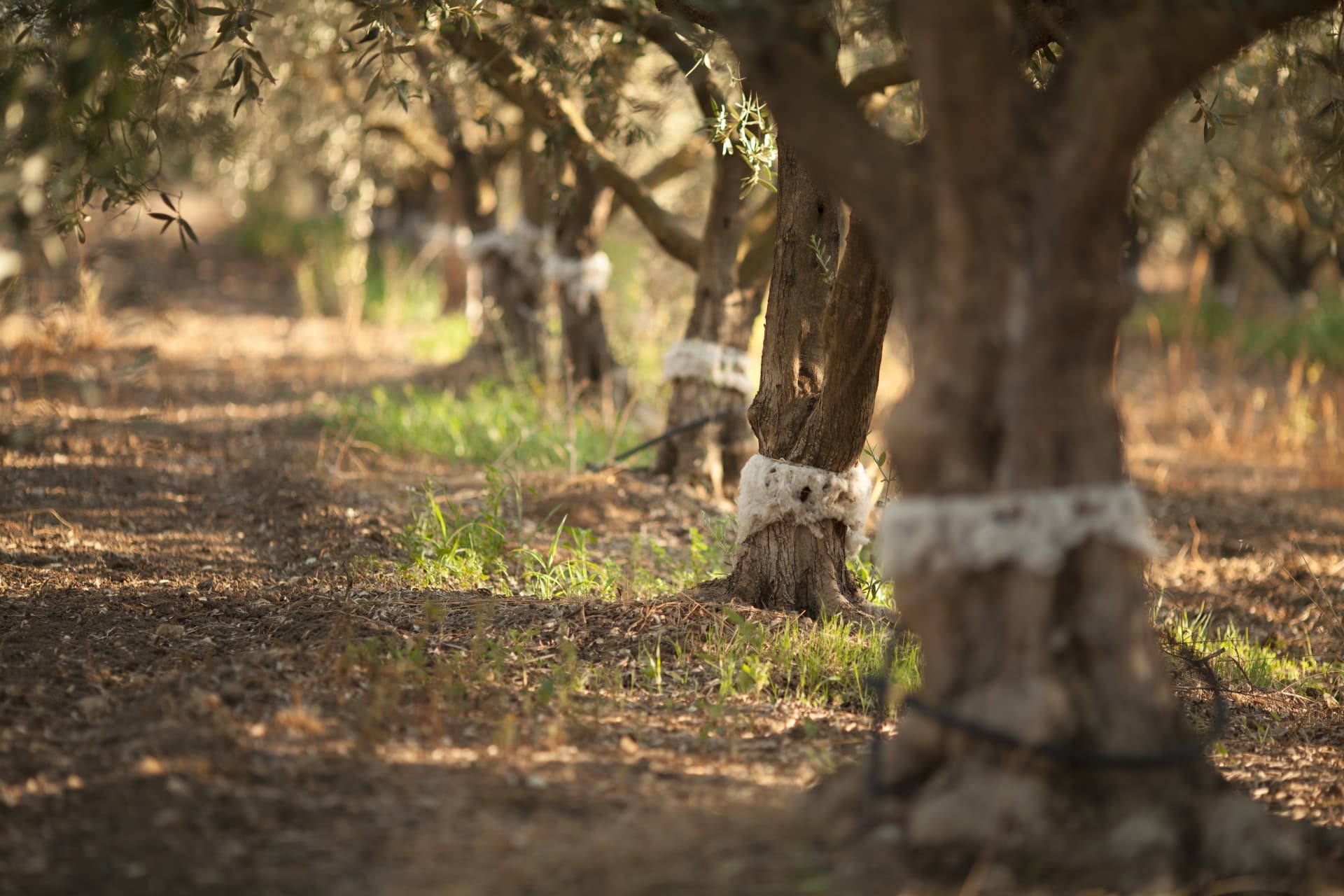
Today, Titone manages a 19-hectare olive grove with 5,000 trees between Marsala and Trapani. Typical regional varieties, such as Cerasuola, Nocellara del Belice, Biancolilla and recently-planted Coratina, are interspersed by Frantoio trees as pollinators.
“We have equipped our orchards with an irrigation system, as many other nearby companies did, and this helps us to prevent the plants from suffering water stress,” she said. “We were already accustomed to long periods without rain, but they are becoming more severe and long-lasting, requiring more attention and work.”
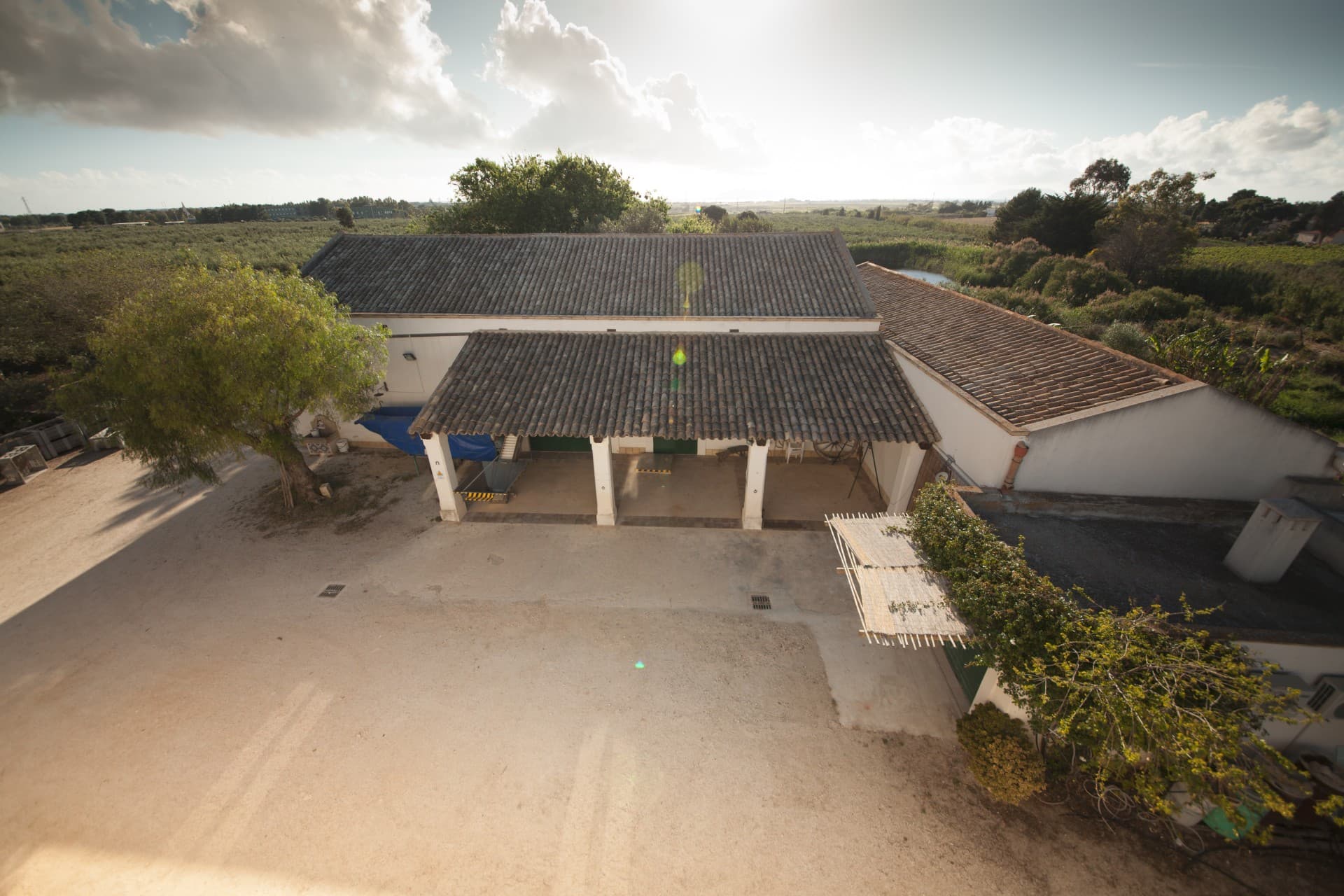
Despite the drought and heat waves that affected Italy last summer, these efforts in the grove have made it possible to arrive to the harvest season with healthy olives, which have been pressed in the state-of-the-art company mill.
“We made the first important change to the milling technology in 1999 when we introduced cutting-edge machinery,” Titone said. “Now, we make periodic updates.”
“Three years ago, we changed the crusher, substituting the discs with knives, and then we revamped the hatches of the malaxers,” she added. “We try to improve ourselves constantly, and I am determined to follow this approach, enhancing the company structure.”
This year, the harvest started in early October and lasted for a month. Titone and her team collected Biancolilla olives first since they ripened first.
After, they harvested the Cerasuola olives, which were picked by hand with the help of rakes. Then the Nocellara olives were picked exclusively by hand since they are extremely delicate. Finally, Titone completed the harvest with the Coratina trees.
“The care needed, especially by some olive varieties, means a great commitment and very high costs,” she said. “I can do this thanks to great teamwork.”
“My collaborators come from different countries and cultures besides Italy – Romania and the African country of Mali,” Titone specified. “At the farm, we have a tradition: at the beginning of the harvest, we call a priest to bless the company and workers. Catholics, Orthodox and Muslims all pray together, living a joyful and meaningful moment of togetherness.”
“This approach of hospitality and love is a further way to continue my father’s work,” she added. “His is an important legacy that pushes me toward the future without ceasing to put his precious teachings into practice.”
“Now, I have many ideas in the pipeline,” Titone concluded. “I like to think about what can still be done, always on the path of quality, which cannot be separated by the sustainable management of our olive groves since the very future of all of us depends on it.”