Northern Hemisphere’s Best Extra Virgin Olive Oils Revealed
Farmers, millers and bottlers overcame another unprecedented year of climatic and economic challenges to earn 584 awards at the 2024 NYIOOC World Olive Oil Competition.
Farmers, millers and bottlers from 18 Northern Hemisphere countries combined to win 584 awards from 901 entries at the 2024 NYIOOC World Olive Oil Competition.
Producers overcame a second consecutive poor harvest, marked by climatic and economic challenges, to win 368 Gold Awards and 216 Silver Awards for their extra virgin olive oils.
For our company, these awards validate our efforts to produce high-quality olive oils that showcase the unique flavors and characteristics of Turkish olive varieties.
According to an Olive Oil Times survey, high production costs, excessive heat, drought, the olive fruit fly, excessive rain and labor shortages were the leading challenges producers faced in the 2023/24 crop year.
Once again, Italian brands led the way, earning 147 awards at the world’s largest olive oil quality competition. They were followed by the United States (95), Spain (82), Croatia (80) and Greece (56) as the most successful countries in the competition.
See Also: 2024 NYIOOC CoverageWhile the usual suspects dominated results, producers from lesser-known countries also triumphed, including farmers and millers from Albania, Bosnia and Herzegovina, China, Japan and Jordan.
Judging for extra virgin olive oil producers from the Southern Hemisphere will begin in the autumn.
Irrespective of their country of origin, producers agreed that receiving recognition from the NYIOOC rewarded their efforts during a difficult harvest and improved their prospects of entering new markets.
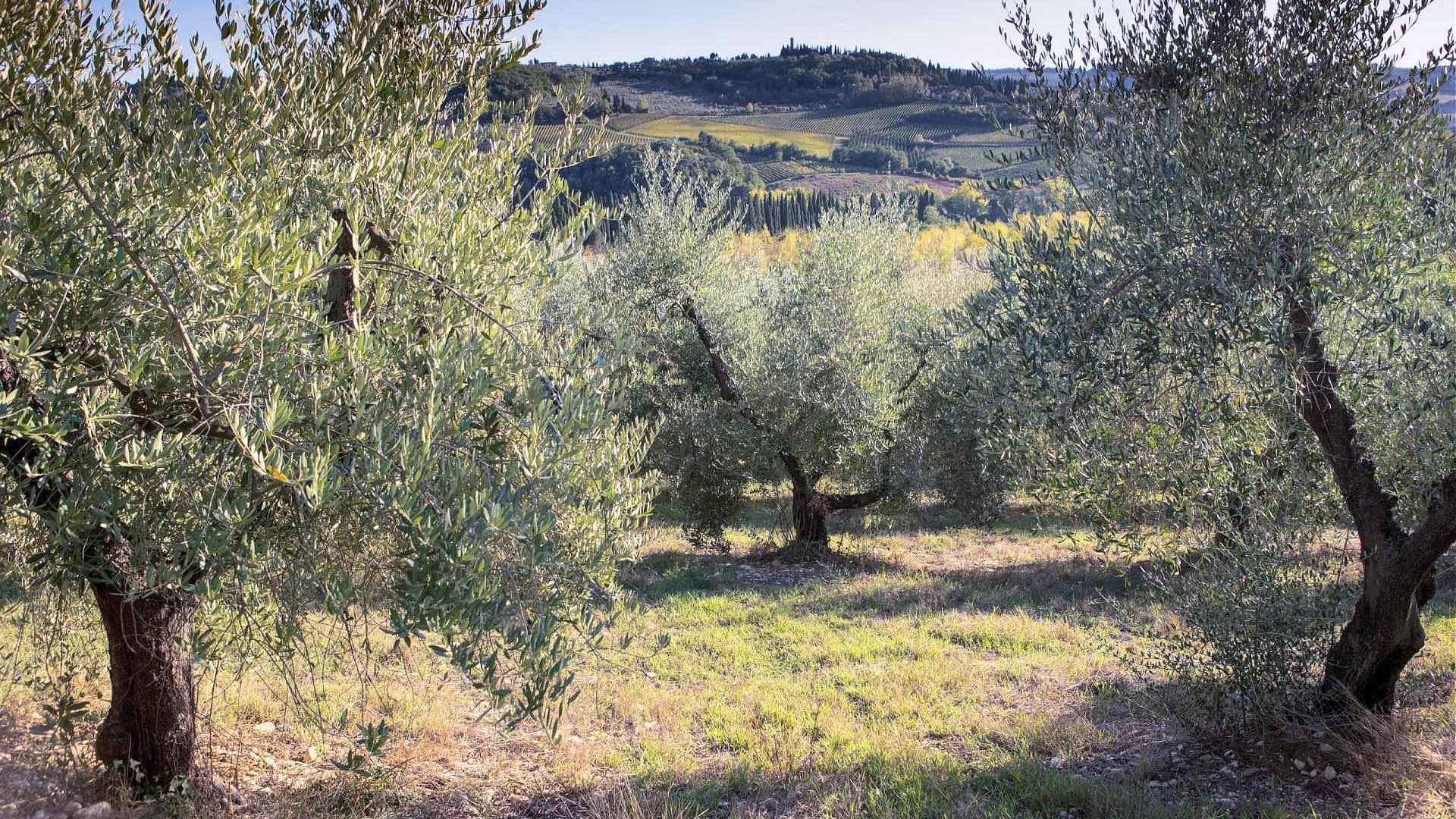
NYIOOC awards help producers of all sizes do business in new markets. (Photo: Fattoria San Michele a Torri)
“We are very proud to have won in New York, a great city and market with great people,” said Leonardo Francalanci, the chief executive of Tuscany-based Fattoria San Michele a Torri, which won a Gold Award for a medium-intensity Frantoio.
Despite high summer temperatures following a poor fruit set in the spring, the company produced 30,000 liters of extra virgin olive oil in the 2023/24 crop year with plans to export a significant portion. “We believe this award will help us better establish ourselves internationally,” Francalanci said.
Along with improving brand position in the United States, producers from lesser-known olive oil-producing areas said the World Competition awards help promote the profile of their entire regions.
“[Winning a Silver Award] is a recognition of a job well done,” said Fatima Elizalde, the marketing manager of Bodega Nekeas, located in the northern Spanish region of Navarre.
“This award improves the positioning of Navarre as an area where top-quality extra virgin olive oil is produced,” she added.
Producers have reported that winning at the NYIOOC provides commercial benefits, including improving a brand’s standing in the eyes of prospective and existing customers.
However, many see the awards as more than a sales pitch. The conclusions of the NYIOOC analysis team are viewed as an endorsement of more expensive organic practices.
According to Olive Oil Times World Ranking data, organic brands earned 205 awards from a record-high 329 entries.
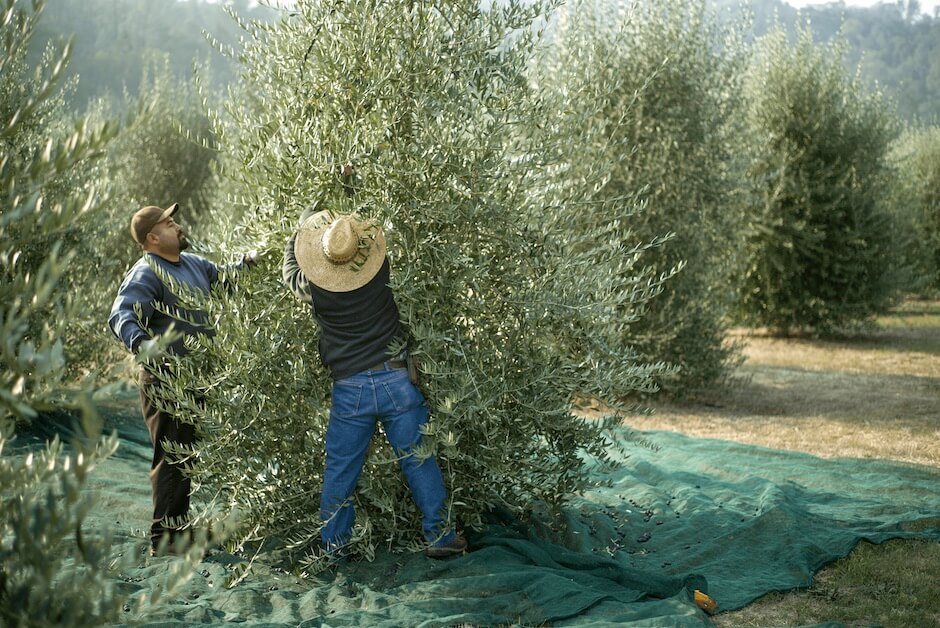
The producers behind Marciano Estate harvest the local Mission variety along with five Italian and three Spanish varieties, all grown organically. (Photo: Marciano Estate)
“Winning these awards gives us more confidence that we are doing the right thing,” said Milagros Castro, the olive consultant for California-based Marciano Estate.
The Napa Valley producer earned a pair of Gold Awards for a medium Italian blend and medium Arbequina, harvested from its certified organic grove in St Helena.
Among its organic practices, Marciano Estate grazes sheep among the trees to remove weeds and provide natural fertilizer.
Along with organic entries, Olive Oil Times World Ranking data indicates that monovarietal oils are gaining momentum.
Seventy-one percent of monovarietal NYIOOC entries were awarded in 2024, compared to 57 percent of blends. Between 2016 and 2022, there was far more parity between the success of single-varietal oils and those combining two or more cultivars.
While the most common olive varieties continue to dominate as the most awarded – including Picual, Koroneiki, Frantoio and Arbequina – producers worldwide said international recognition encourages them to embrace local cultivars.
In Turkey, award-winning producers sought to highlight the country’s numerous endemic varieties. Twenty-four of the 29 winning brands were crafted with native olive varieties.
“Winning two Gold Awards at the 2024 NYIOOC is truly an honor for us and a testament to our team’s dedication and hard work,” said Tuba Yilmaz, the owner of Gaia Oliva.
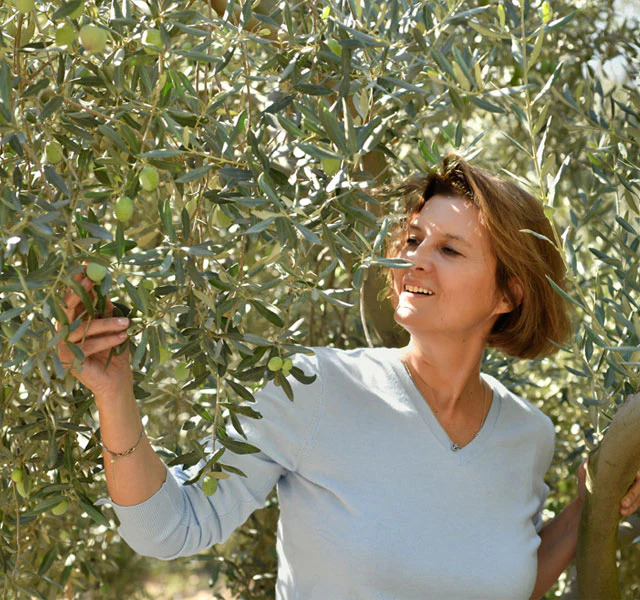
Tuba Yilmaz views the NYIOOC as an excellent way to showcase native Turkish olive varieties to the world. (Photo: Gaia Oliva)
“For our company, these awards validate our efforts to produce high-quality olive oils that showcase the unique flavors and characteristics of Turkish olive varieties,” she added.
Along with local varieties, World Competition awards highlight the role of olive growers as custodians of traditional landscapes and olive biodiversity.
Situated in the foothills of California’s Sierra Nevada, the producers behind Olivaia’s OLA celebrated winning two Gold Awards for blends that incorporate wild olives harvested from centenarian trees.
“Not only were we thrilled about the awards, but we felt that the value we saw in our trees was validated,” co-owner Giulio Zavolta said. “The trees had proven their value as the source of a unique oil, as the conveyor of the region’s rich heritage and as a cultural landmark.”
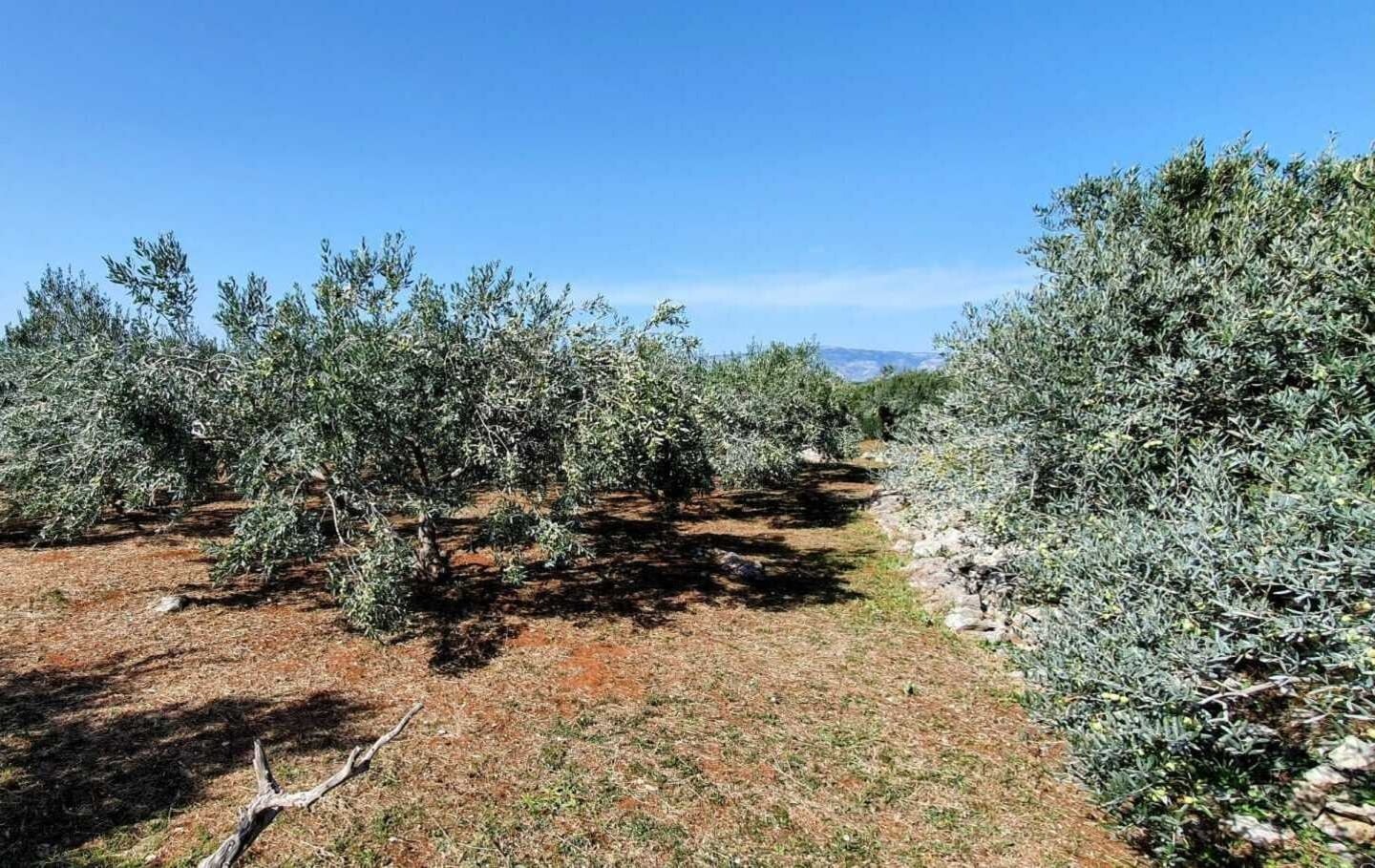
First-time winners see winning NYIOOC awards as confirmation that their agronomic and milling practices are working. (Photo: OPG Garmica)
While plenty of producers celebrating their victories have previously been awarded at the competition, the 2024 edition also saw many first-time winners.
“This was my first time entering the NYIOOC, and I am very excited and happy,” said Ante Đuderija, the owner of OPG Garmica.
Situated on the island of Hvar off the coast of southern Croatia, the producer said the Gold Award for his medium Levantinka comes after a challenging harvest.
“For OPG Garmica, this is just the beginning; I hope for continuity in olive oil quality in the years to come,” Đuderija concluded.