UC Davis Researcher Advises ‘Opt Out of Olive Oil’
A faculty member at the University of California, Davis School of Medicine wrote a post on her department’s blog urging people to avoid the use of olive oil.
A University of California at Davis researcher and a faculty member of its Medical Center urged readers in a blog post for the school’s Integrative Medicine department to “opt out of olive oil,” arguing, “fats we need should come in nature’s original package.”
Rosane Oliveira, a veterinary doctor from Brazil and the founding director of Integrative Medicine at UC Davis, wrote: “the Mediterranean diet is healthful in spite of olive oil — not because of it!”
Bottom line is that the fats we need should come in nature’s original package – whole plant foods!
To support her position, Oliveira drew selectively from studies that she said showed “olive oil plays a role both in damaging blood vessels as well as forming atherosclerotic plaques.”
“If you want some nutritional value, you will find it by eating the whole olive — not by consuming it in its almost unrecognizable extracted oil form,” Oliveira wrote, dismissing countless studies that have shown that not to be the case. “Like any other oil, olive oil is a processed, concentrated fat extract and thus has lost most of the nutritional value of its original form (the olive itself).”
Extra virgin olive oil, meanwhile, is no more processed than the juice of any other fruit. Brown University researcher and associate professor of Clinical Medicine, Mary Flynn, told Olive Oil Times, “extra virgin olive oil, by definition, contains phenolic compounds, which have been shown to have numerous health benefits.”
In laying out her case for eschewing olive oil, Oliveira cited a “1999 study measuring FMD (flow mediated dilation) after the ingestion of high-fat meals reported a ‘3-hour decline in FMD after subjects ingested a traditional meal of a hamburger and fries or cheesecake. Olive oil was found to have the same impairment to endothelial function as the rest of these high-fat meals.’ ”
The citation is not a study, but an article on “Brachial Artery Ultrasound and endothelial function,” Flynn argued. And while researchers found olive oil to have the same impairment to endothelial function as other high-fat meals, the impairment was totally eliminated when vitamins C and E were given. As with antioxidant vitamin supplementation, olive oil, eaten with vinegar on a salad, for example, did not impair endothelial function.
Oliveira also cited the landmark PREDIMED study, where 7,447 people at risk for cardiovascular disease were placed into groups. One group was told to eat a Mediterranean diet with extra virgin olive oil, another ate a Mediterranean diet with nuts, and the third was told to reduce fat intake.
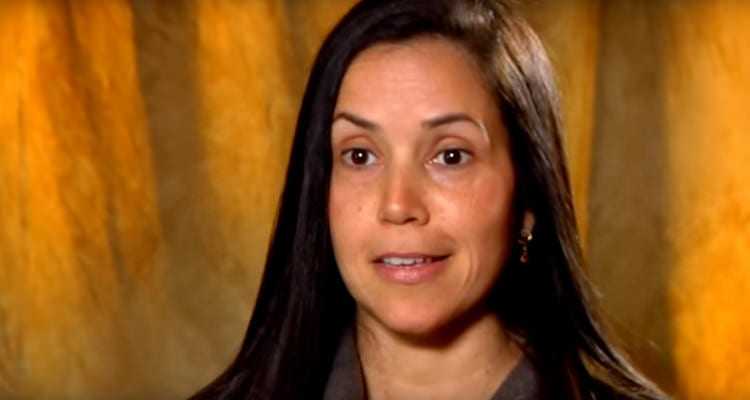
Dr. Rosane Oliveira
“After five years,” Oliveira wrote, “the conclusions were stunning; there were no differences between groups. No differences in weight, waist circumference, systolic and diastolic blood pressure, fasting glucose, or lipid profile. And no difference in the number of heart attacks or deaths from cardiovascular disease; those in theextra virgin olive oil group suffered just as many heart attacks and cardiovascular disease as those in the control group.”
To that argument, Flynn countered: “There is no mention of change in these variables over the study period so this author is saying ‘all groups were alike at baseline,’ but making it sound like there were not changes with the interventions.”
“This was a fairly widely reported study so for (Oliveira) to miss this one is a bit suspect,” Flynn said, calling the oversight “downright bizarre.” The study showed a 30 percent decrease in primary major cardiovascular events for theextra virgin olive oil group compared to the low-fat control group (the group receiving nuts had a similar decrease in CVD events). To imply there were no differences after the interventions, “is probably the most egregious false statement in (Oliveira’s post), and the author has an appalling inability to read a journal article,” said Flynn.
In support of her statement that “studies to measure the effects of the Mediterranean diet on endothelial function showed FMD impairment after meals rich in olive oil,” Oliveira cited a single study with 10 participants.
But the results of the study did suggest that theextra virgin olive oil meal reduced FMD by 31 percent, while the others did not. In fact, as Flynn pointed out, the author of the study had stated that the mechanism appeared to be oxidative stress because the decrease in FMD was reduced 71 percent by the concomitant administration of vitamins C and E. “So, this could not have been extra virgin olive oil used,” Flynn suggested, “asextra virgin olive oil is rich in antioxidants and adding vitamin C and E would therefore not improve antioxidant ability.”
Yet Oliveira persisted, “These results were confirmed in another study showing that adding vegetables to a fatty meal may restore (at least partially) arterial function and blood flow,” citing research that looked at participants after a meal of 2 sausages (80 g), 6 bread slices (90 g), a small egg (40 g), butter (15 g), and olive oil (5 g).
“I drill into my students that no study confirms anything. It may support, add evidence, but it cannot confirm,” Flynn cautioned. “This would not be used to support the argument thatextra virgin olive oil reduces endothelial function with or without vegetables added.”
Finally, Oliveira looked back to a 26-year-old study that showed that reducing all fats stopped the growth of coronary lesions.
Flynn said that study did 24-hour recalls at time points, analyzed them for nutrients, and used the nutrients to compare to changes in angiograms. They looked at polyunsaturated, monounsaturated, and saturated fat.
The main source of monounsaturated fat in the US diet is red meat, Flynn noted. “So, if you are looking at nutrients, monounsaturated fat intake would reflect red meat intake certainly in the 1980’s (when the study took place), but even now it is an issue, and not olive oil. Interestingly, the odds ratio for PUFA was 3x the OR for MFA so the people with higher vegetable seed oil intake (rich in PUFA) did even worse than the other groups.”
The seemingly extreme view to “opt out” of what is considered among the world’s most beneficial foods caused surprise among some readers of Oliveira’s blog and this page, especially under the logo of the University of California at Davis, which is the home of the UC Davis Olive Center, an internationally renowned research center which produces its ownextra virgin olive oil from trees grown on its Central Valley campus.
Oliveira
Olive Center executive director Dan Flynn said his colleague’s blog post needed to be weighed against the body of research that has supported the inclusion of olive oil in a healthful diet. “Universities accommodate a wide range of independent thinkers, and we welcome the dialogue. The scientific evidence in favor of the health benefits of olive oil is far stronger than the citations offered in the blog,” he noted.