Cobram Estate to Acquire California Olive Ranch in $173.5 Million Deal
The deal will more than double Cobram Estate’s California olive groves and expand its U.S. market presence, while raising concerns about industry consolidation.
Cobram Estate Olives has agreed to acquire California Olive Ranch for $173.5 million, creating a combined entity that brings together Australia’s and the United States’ largest olive oil producers.
The transaction, funded through a mix of cash, vendor notes and an earn-out, will more than double Cobram Estate’s California footprint and significantly expand its customer base in the U.S. market.
“The acquisition of California Olive Ranch delivers a compelling set of strategic and financial benefits for Cobram Estate Olives,” said chair Rob McGavin.
“It immediately expands our California olive growing footprint from approximately 1,422 hectares to around 3,292 hectares of planted groves, while accelerating sales growth through the addition of well-established, premium household brands,” he added.
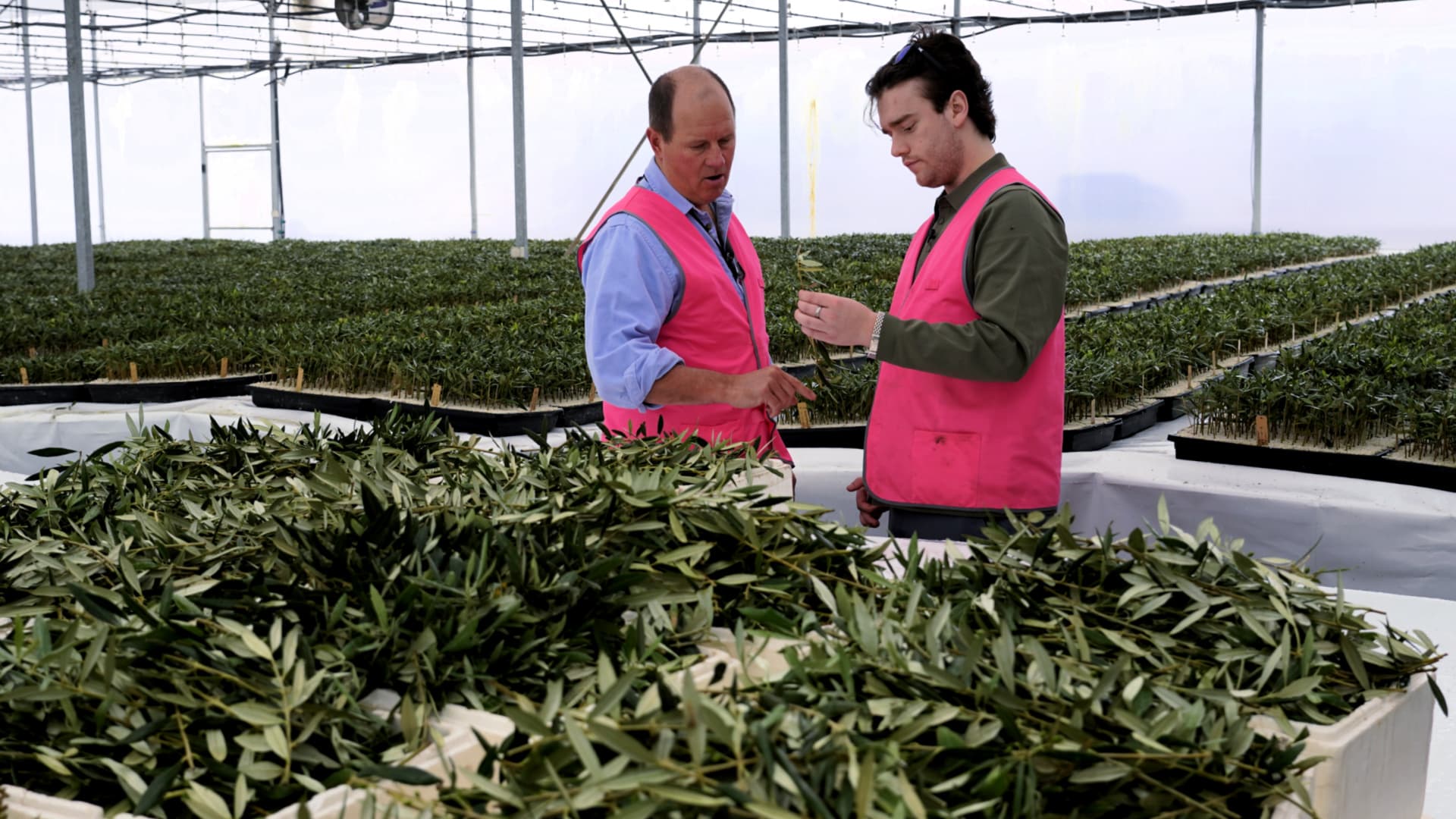
Cobram Estate co-founder Rob McGavin (left) described the acquisition as offering a mix of strategic and financial advantages.
McGavin also said Cobram Estate Olives’ research assets, including Modern Olives and Oliv.iQ, would benefit from California Olive Ranch’s significant investments in research and technology, including satellite monitoring of its olive groves.
Formerly known as Boundary Bend, Cobram Estate Olives first set up shop in California in 2015, constructing a mill, bottling and storage facilities, and offices before beginning its search for groves.
Since then, Cobram Estate has become one of California’s largest olive oil producers, planting the second-largest medium-density olive grove in the United States in 2021.
The company said it produced 3 million liters of olive oil in California during the 2025/26 crop year and has commercial agreements to purchase an additional 800,000 liters throughout the season.
Unlike Cobram Estate Olives, which is publicly listed in Australia and subject to detailed reporting requirements, California Olive Ranch does not publish its production figures.
However, the company manages 1,870 hectares of olive groves, 14 percent of which it owns outright, with the remainder under long-term leases. California Olive Ranch also supplements its output by contracting with olive growers across the state.
Despite its position as the leading U.S. producer, about 30 percent of California Olive Ranch’s sales come from its California production, with the balance generated by its Global Blend brands made from imported olive oils.
The acquisition will create by far the largest olive oil producer and seller in the United States by revenue. According to research firm Pristine Market Insights, California Olive Ranch ranks as the world’s twelfth-largest olive oil company by revenue, while Cobram Estate ranks sixteenth.
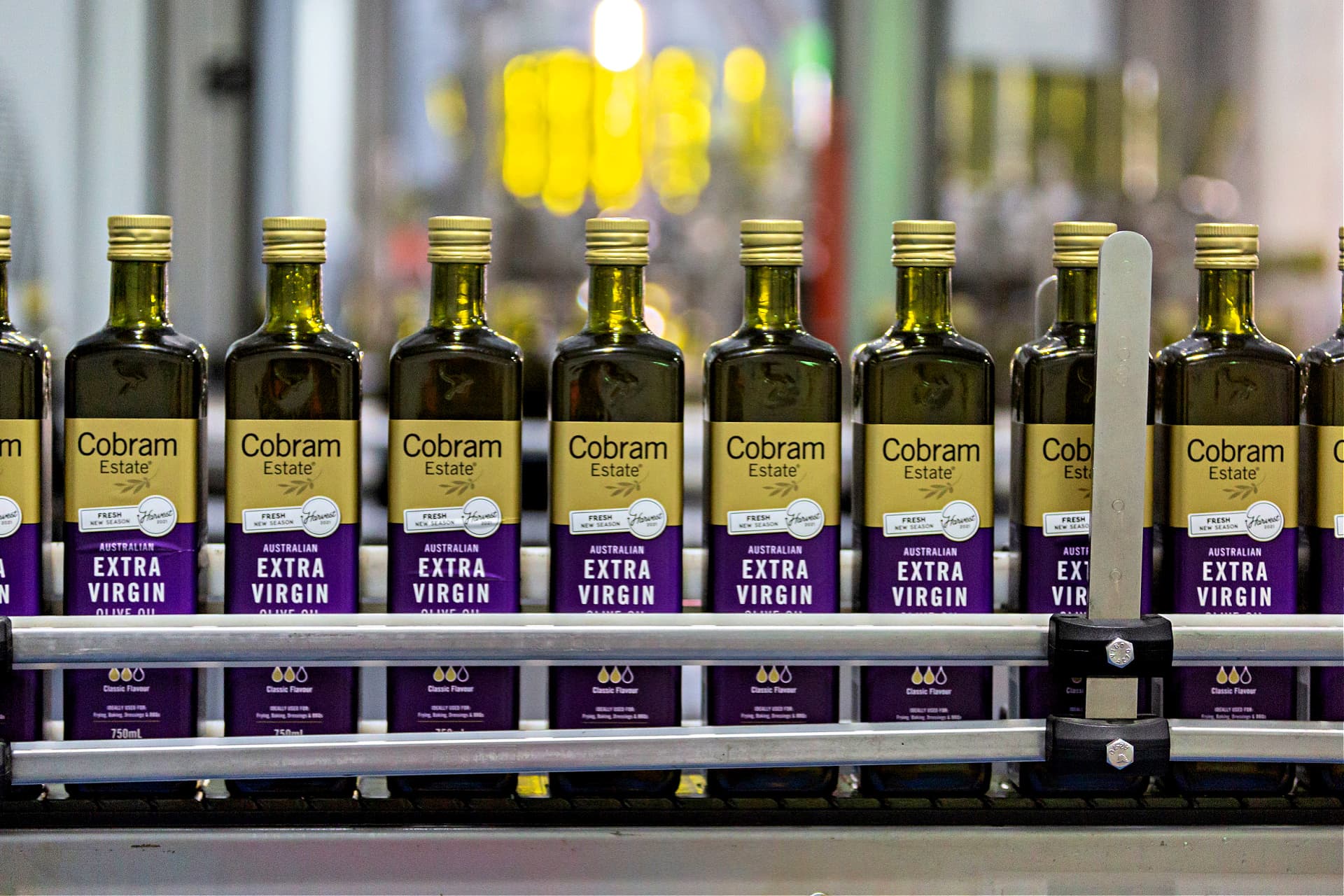
Formerly known as Boundary Bend, Cobram Estate Olives first set up shop in California in 2015.
While the financial community hailed the deal, some California stakeholders expressed concern that further consolidation could favor Australian shareholders at the expense of U.S. consumers.
“Is this ‘big’ news that deserves ‘congratulations,’ or just more consolidation within the agricultural industry and the global economy?” wrote Kolston Christenson, a sales representative at California-based Bioflora, which sells fertilizer and phytosanitary products, on LinkedIn.
“Olive oil prices have dropped more than 50 percent from last year’s peaks. When markets feel stress, you see reactions,” he added. “Consolidation may benefit the mergers and acquisitions community, but what does this move mean for California agriculture?”