Discovery of New Olive Varieties in Italy Spurs App Development
An Italian National Research Center analysis identified two previously unknown cultivars in Frosinone.
Two previously unknown olive cultivars have been discovered in Frosinone, a province in the central Italian region of Lazio.
The Italian National Research Center (CNR) laboratory tested several tree samples and confirmed that their DNA does not match any known variety listed in the IBBR-CNR database in Perugia.
We tasted the olive oil produced by these trees with expert tasters and found the quality truly interesting. Hence, we have already invested in their propagation.
The database includes more than 5,000 genetic profiles and a repository with more than 10,000 samples.
CNR’s analyses indicated that the two newly found cultivars might be genetically related to cultivars in Veneto, a northern Italian region, particularly the Favarol variety.
See Also: Olives with Higher Phenol Content More Resistant to Anthracnose“They are trees that originated in our region and have thrived here for centuries,” Pierluigi Turchetta, the olive grower who discovered the new varieties, told Olive Oil Times.
He added that the discovery did not surprise him. “We were specifically searching for native olive cultivars in our region because we suspected that some trees did not belong to the typical cultivars here,” Turchetta said. “However, we couldn’t be certain.”
“We decided to send four samples to the CNR specialized laboratory,” he added. “Two samples revealed the unique nature of at least some of our trees.”
While a few more steps are needed to formally include these varieties in the official list of Italian olive cultivars, local growers hope this discovery could establish a new area for certified-origin olive oil production.
Such geographical indications are fundamental to the European Union’s Protected Geographical Indication (PGI) certifications, which link food to its unique production area and enhance the value of local products.
Recently, researchers found 21 previously unknown olive varieties on Capri, an island dotted with olive trees since ancient times.
“Olive tree biodiversity carries significant value from an environmental and ecological perspective,” said Thomas Vatrano, olive oil taster and agronomist. “It dynamically interacts with all living organisms in a territory, making it thrive.”
According to Vatrano, olive tree biodiversity is crucial in times of climate change. “Look at southern Italy, where prolonged water stress impacts olive oil quality annually,” he said.
“Ancient olive groves in regions like Calabria act as guardians of these territories and resist drought well, offering a strategy to mitigate climate change,” Vatrano added.
Trees with high adaptability in harsh climates may also provide valuable insights into preventing the spread of emerging diseases.
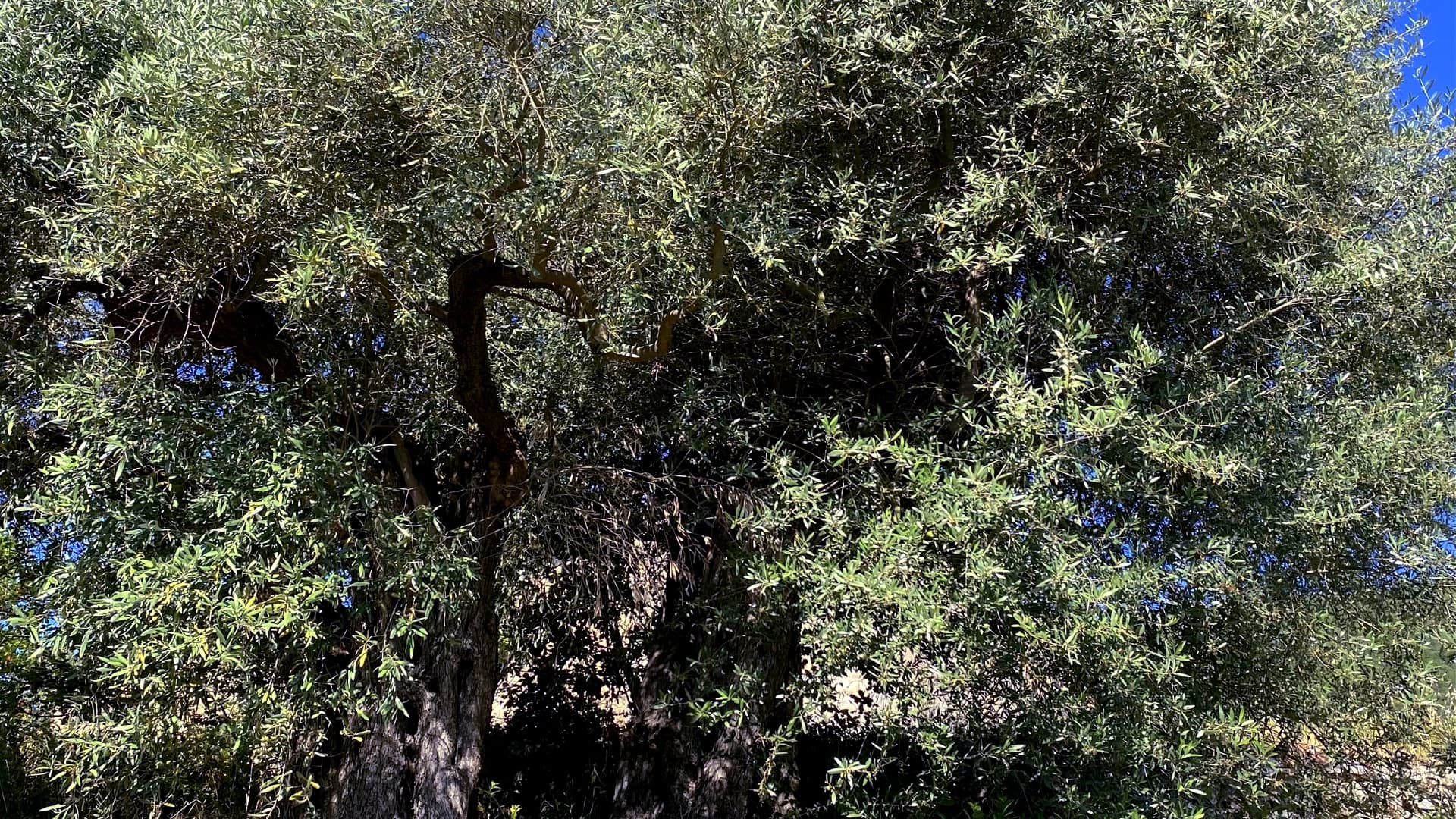
(Photo: Pierluigi Turchetta)
“The Mediterranean basin is the largest olive-growing area globally,” Vatrano said. “The risky choice of varieties for oil yield or market needs has led to the abandonment of native varieties in favor of foreign or national ones.”
“This biodiversity loss can make a difference in resistance strategies against new pathogens or pests,” he added.
Vatrano emphasized that the discovery of new olive tree varieties in Italy will continue.
“Italy holds about 30 percent of the world’s olive germplasm,” he said. “The number of varieties is underestimated, as unknown individuals are frequently discovered through modern molecular biology techniques.”
According to Turchetta, the newly found varieties could yield significant results for olive growers.
“We tasted the olive oil produced by these trees with expert tasters and found the quality truly interesting,” he said. “Hence, we have already invested in their propagation.”
“Currently, we are planting hundreds of trees, with 600 young olive trees for each cultivar,” Turchetta added.
Turchetta is also developing a mobile app using artificial intelligence to identify specific cultivars quickly.
“With a team of young coders, we have developed an app that can identify olive trees,” he said. It can indicate, for instance, ‘this olive tree seems to be a Leccino’ with a confidence level of, say, 80 percent.”
While molecular genetic analysis is necessary for complete results, Turchetta said the app addresses a common question among olive growers.
“A beta version of the Olivamea App is available for Android, and an iPhone version will soon follow, with the official launch set on June 21st,” he said.