



For Spain's 'La Olivilla,' Winning Top Award, Restoring Nature Go Hand in Hand
Just five years ago, a group of neighboring farmers in Sierra de Cazorla, Spain decided to work together and produce high-quality olive oil with respect for the environment. Last month, their Dehesa de la Sabina earned the industry's top award.
 The members of La Olivilla (Photo by Marino Scandurra)
Five years ago, farmers in Sierra de Cazorla, Spain noticed their olive trees were dying and decided to switch to organic farming to restore their groves and produce high-quality olive oil sustainably. By working together, they were able to improve the ecosystem, win awards for their olive oil, and set an example for future generations in their community.
Five years ago, a group of neighboring farmers in Sierra de Cazorla, Spain saw their 500-year old olive trees slowly dying. They took courses in organic farming and decided to work together to restore their groves, produce high-quality olive oil and establish a model of environmental stewardship.
Working with kids is the way to reach out to all of the farmers and talk to them about a different way of doing things.
They learned that producing a world-class extra virgin olive oil in a sustainable way meant they needed to look beyond and below the trees, to all of the members of the complex ecosystem and restore the harmony that seemed to be diminishing through the effects of conventional farming techniques and climate change.

La Olivilla’s Lucia Gamez received the Best in Class Award for Dehesa de la Sabina Picual at the 2017 NYIOOC.
Since then, their Dehesa de La Sabina monovarietal Picual has garnered critical acclaim including a Best in Class Award at the recent 2017 New York International Olive Oil Competition.
The members — Sebastian Romero, Miguel Angel Romero, Enrique Gonzalez, Vicente Morillas, Damian Sanchez, Leon Bayona, Juan Ignacio Valdes, Luciano Gamez — are showing their community a better way to farm that restores nature’s delicate balance, setting an example for a new generation.

It started when the neighboring farmers were having some common problems with their land. “They were looking for solutions and they all went toward trying organic farming. It was a big unknown, they didn’t know what else to do,” Lucia Gamez, the daughter of Luciano Gamez, told Olive Oil Times publisher Curtis Cord during an interview on the On Olive Oil podcast.


“They invited technicians to their olive groves and tried everything they were advised. The one thing that had not tried yet was organic farming. To do that they enrolled in some studies and so that’s how they all met, during this course.”
Soon it was revealed that the issues they were having stemmed from the declining biodiversity of the landscape. They discovered, for example, that birds of prey were disappearing from the groves.
“When I was little, I grew up among the olive trees and we used to see owls in each olive tree. We even have Spanish sayings around that. Today if you go to the groves, you see none. There are no birds of prey, no owls. They have slowly disappeared. There is essentially no life,” Gamez said.
“When you drive around areas where there is a lot of olive farming, all you see is a lot of trees, which is beautiful, but if you pay attention, you look closely into the ground, the earth, it’s dead. It’s dry, it’s empty, there is no life in there. If there is no life, insects, birds, animals, cannot live in there. So they all go. And that’s what is happening today. As a result, the olive tree largely depends on a human intervention to actually survive. Because there is no life in the earth, there is no nutrient and there is no natural way of fighting pests.”
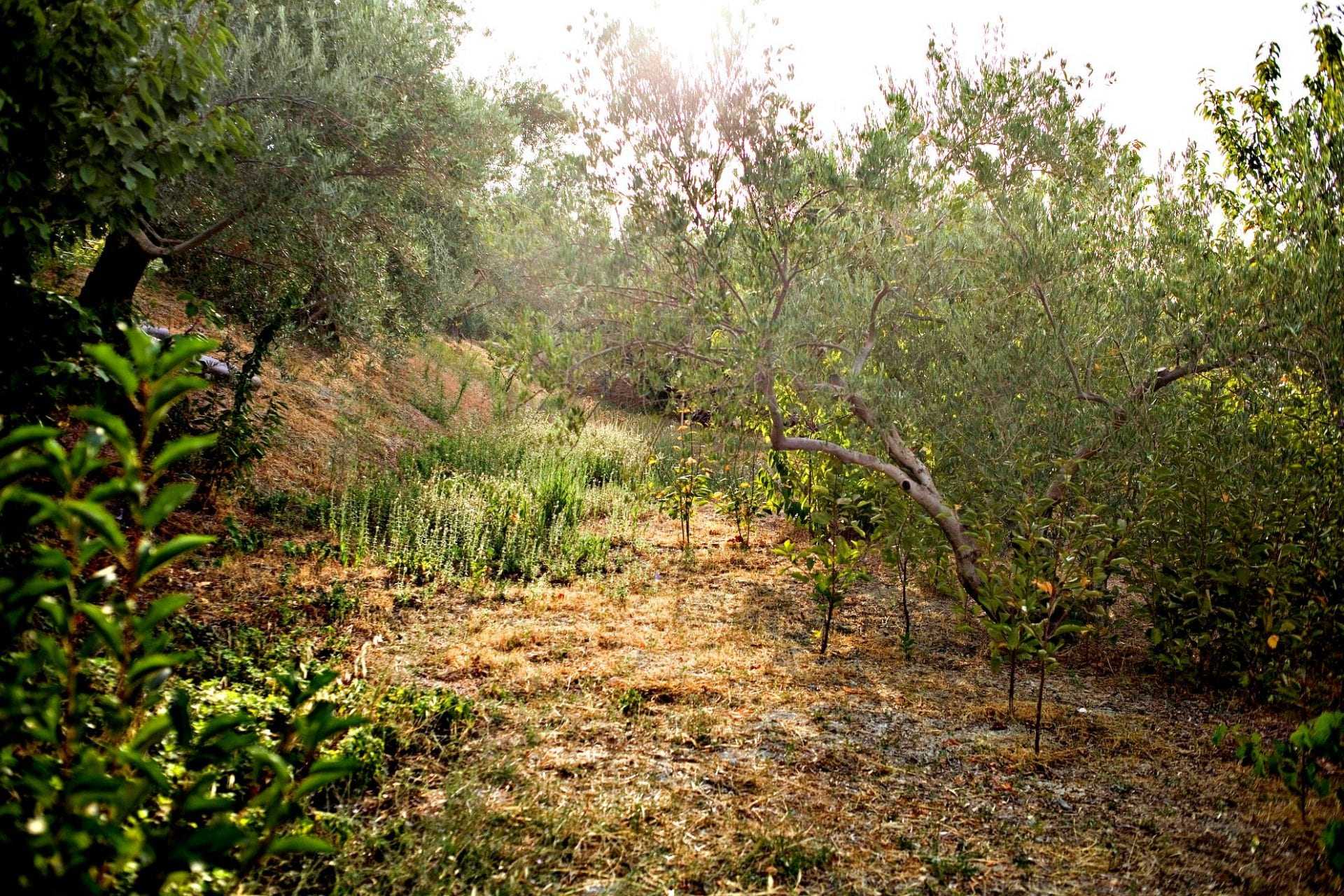
La Olivilla (Photo by Marino Scandurra)
The farmers contacted BirdLife International, a wildlife conservation group that Gamez said, “views olive farming as a key to restoring the bird population” and they learned how the two were quite codependent.
“The location where we are is suffering a desertification process sometimes,” Gamez noted. “Because of the lack of water, it is extremely complex to maintain the vegetation cover, so BirdLife International is helping us with additional practices in terms of recovering the ecosystem.”
One of the first steps was to install accommodations to attract birds and the bugs they feed on. “We’ve partnered with schools to educate the kids and they’ve constructed insect hotels, they’ve constructed bird houses to install in our groves.”
Gamez said she is concerned about the wider implications of declining biodiversity for Andalusia.
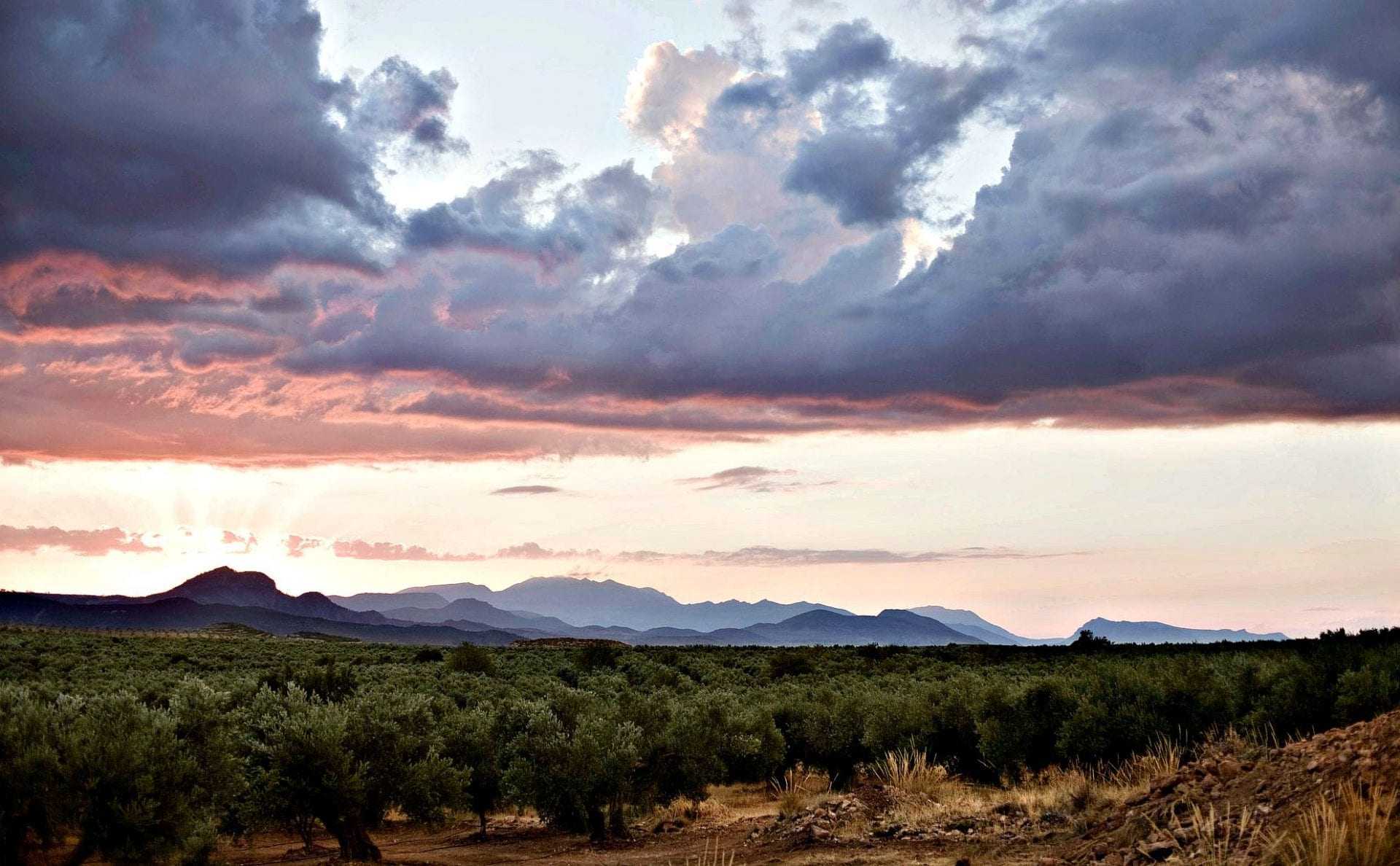
La Olivilla (Photo by Marino Scandurra)
“Conventional farming methods, abuse of chemicals, end up killing all sorts of life. Weeds for us are immensely important because in the weeds there are plants that release nutrients very important to the tree like potassium, for example. You need to go and put in there the synthetic chemicals. You can create all of those nutrients working with nature.”
After garnering the industry’s top prize in New York Gamez said the members of La Olivilla remain steadfast. “What we want to do is increase our presence in the market and continue to advance in improving our ecosystem because we believe we have a responsibility, especially in the area where we are.”
Listen to the complete interview with Olivilla’s Lucia Gamez on the On Olive Oil website or get it on iTunes.
Related Articles
Apr. 7, 2026
Portuguese Olive Oils Find New Path to U.S. Market
A network of Portuguese producers working with Wildly Virgin is bringing small-batch olive oils from Alentejo, Trás-os-Montes and Ribatejo to U.S. consumers, backed by three Gold Awards at the NYIOOC.
Aug. 5, 2025
France Uncovers Olive Oil Fraud in Annual Investigation
Despite the findings, officials maintained that olive oil fraud is not on the rise, citing improved detection and stronger communication between agencies.

Nov. 7, 2025
EU Submits 2040 Climate Goal Ahead of COP30, Targets 90% Emissions Cut
The European Union has submitted its updated climate plan to the United Nations, pledging to cut greenhouse gas emissions by 90 percent by 2040 compared with 1990 levels.

May. 31, 2025
37 Complete Olive Oil Times Sommelier Program in New York
Thirty-seven professionals completed the five-day Olive Oil Times Sommelier Certification Course in Manhattan, mastering sensory analysis, production best practices, health benefits, and more.

Jan. 5, 2026
Europe’s Olive Oil Sector Poised for Recovery Despite Climate and Market Pressures
The European Union’s latest Agricultural Outlook projects a recovery in olive oil production driven by higher yields and orchard modernization, even as climate stress and declining consumption pose long-term challenges.
Oct. 15, 2025
Sustainability Takes Root in the Hills Above Florence
Fattoria Poggio di Fiesole, a Tuscan estate with a rich history and dedication to sustainability, produces an award-winning organic olive oil.
Mar. 17, 2026
New Research Suggests Olives May Reveal Oil Quality Before Milling
A new study suggests that analyzing the metabolic profile of olives before extraction could help predict some of the chemical and sensory characteristics of the oil they will produce.
Jun. 23, 2025
Olive Pomace Ash Shows Promise as Eco-Friendly Cement Substitute
Replacing up to 20 percent of the cement used in mortar production with olive pomace ash lowers the environmental impact of cement production without compromising mortar quality.