South African Farmers Enjoy Production Rebound
Despite challenges created by bad weather and rolling blackouts, producers across South Africa enjoyed a fruitful harvest.
Olive growers in South Africa experienced a fruitful harvest, with production volumes reaching their highest in recent years.
“The 2024 olive season for South African producers has been very successful,” said Wendy Petersen, chief executive of the SA Olive, an industry association.
Olive oil production in South Africa is estimated to have reached 1.6 million liters during the 2023/24 crop year, a significant increase from the 1.2 million liters reported the previous year. Annual production typically fluctuates between 1.5 and two million liters.
See Also: 2024 Harvest Updates“We have seen an overall average increase from producers of between ten to 20 percent, with the quality of the extra virgin olive oil being very good,” Petersen said. “The exceptional quality of table olives and extra virgin olive oil this season highlights our producers’ dedication and hard work.”
“This also reflects the favorable growing conditions and the expertise that have contributed to achieving such high standards,” she added.
The growing success of South African olive producers on the international stage, such as at the NYIOOC World Olive Oil Competition, indicates a shift in focus toward quality.
These results also demonstrate the resilience of the local olive industry, which overcame numerous challenges throughout the season.
“The high input costs continue to be a significant challenge for our producers,” Petersen said. “Electricity and input costs remain major obstacles in agriculture, and the olive industry is no exception,” she added, referring to the frequent power outages that have afflicted the country.
“The olive industry is also highly labor intensive, and this directly affects the price of the product,” Petersen explained. “Other than affecting the prices, it also directly affects the quality of the final product if it is not processed immediately after harvesting.”
South Africa imports large quantities of extra virgin olive oil from abroad, and its net production is lower than its consumption.
Competition from foreign products poses additional pressure on the local extra virgin olive oil market.
“In South Africa, our producers are not getting government support, as is the case in other olive oil-producing countries,” Petersen said.
“These price pressures resulted in cheaper imported oils to get on South African retail shelves and caused South African producers to compete with a subsidized, cheaper and inferior standard quality imported product,” she added.
Moreover, the pricing of South African olive oils, particularly extra virgin olive oil, is directly impacted by the fact that these products are not VAT Zero-rated.
“That influences the competitiveness in the market. Other plant and seed oils are VAT Zero rated, making the comparison on price an unfair comparison,” Petersen added, hinting that consumers are still very price conscious.
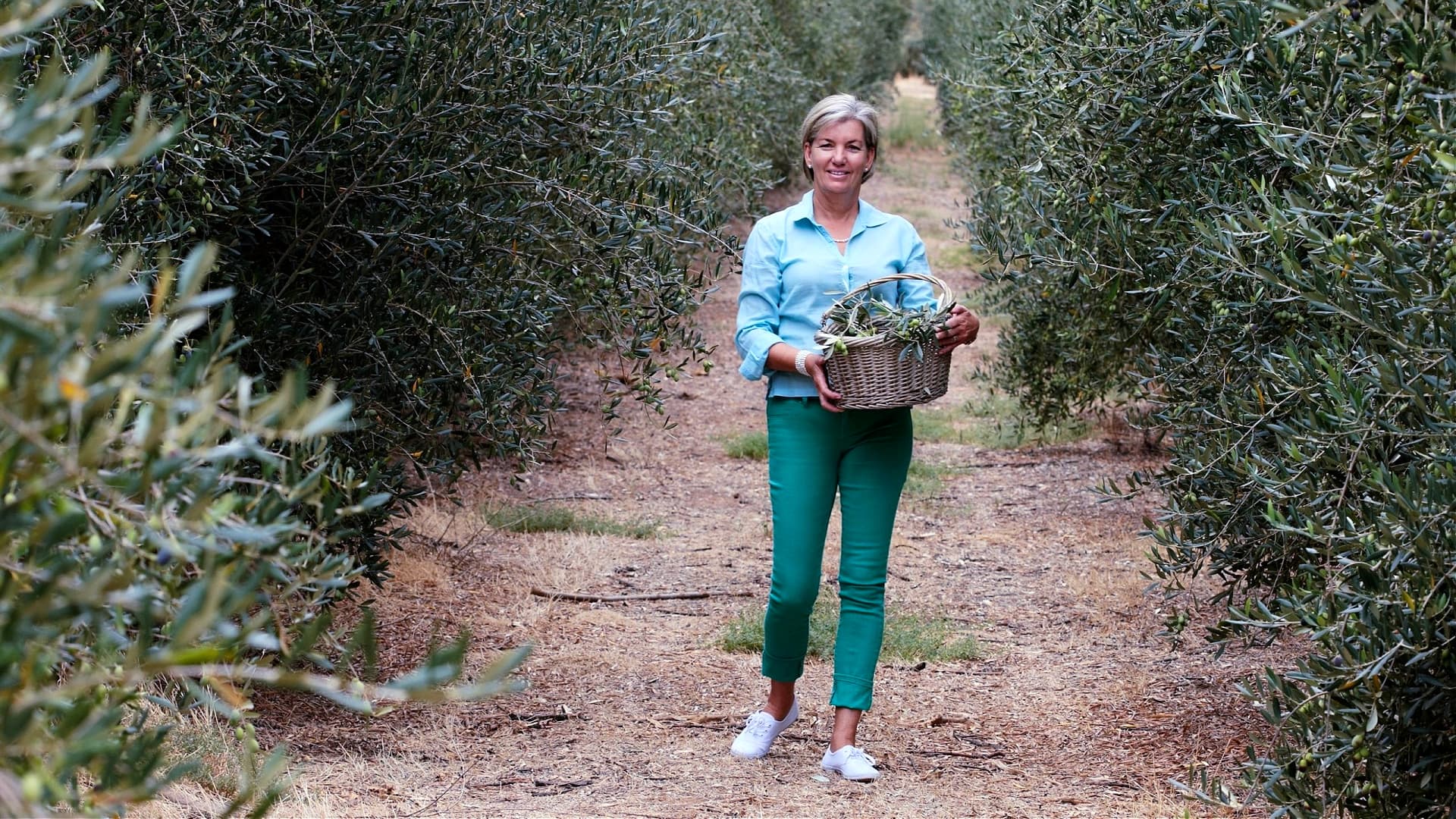
Brenda Wilkinson said Rio Largo’s early harvest avoided some climatic issues faced by other producers. (Photo: Rio Largo Olive Estate)
Babylonstoren, a historic farm located at the base of Simonsberg in South Africa’s Franschhoek wine valley, reported excellent results for the season.
“Overall, both the quantity and the quality of the production were strong,” said Petrus van Eeden, Babylonstoren’s olive oil specialist. “We saw a slight increase in volumes compared to 2023, particularly with our Frantoio olives, as more of our trees have reached maturity.”
“The turnaround was better than anticipated,” he added. “The quality was excellent, with the oil meeting our high standards and demonstrating promising characteristics in terms of its flavor profile.”
The farm faced challenges, including extended summer heat and late winter rains. “The heat created stress on the crops, while the late rains impacted the latter part of the harvest, making it difficult to complete it as planned,” van Eeden said.
See Also: Creative Packaging Helps Award-Winning Producer Sell More EVOOAt Rio Largo, a multi-award-winning olive oil producer in the Scherpenheuwel Valley in Western Cape, the farm anticipated a slower harvest than their record-breaking crop in 2023.
“Quality was exceptional, and we were able to get the crop off early before the heavy winter rainfall,” said co-owner Brenda Wilkinson. “Some of our fellow producers with big crops were affected by flooding and wet weather later in the season, negatively affecting quality.”
“Our olive oils displayed higher polyphenols but remained balanced with very good oil yields,” she added. “Overall, our olive oils gave good aromas and a very clean mouth feel with lingering pungency.”
Rio Largo had to contend with load shedding, a euphemism for state-planned rolling blackouts like many others.
“This is a challenge for most South Africans,” Wilkinson said. “In our case, this was overcome with power generation coming from solar power and a diesel generator in the estate.”
Bad weather and unreliable services had a more severe impact in some regions. In those areas, expectations were higher than the actual outcomes.
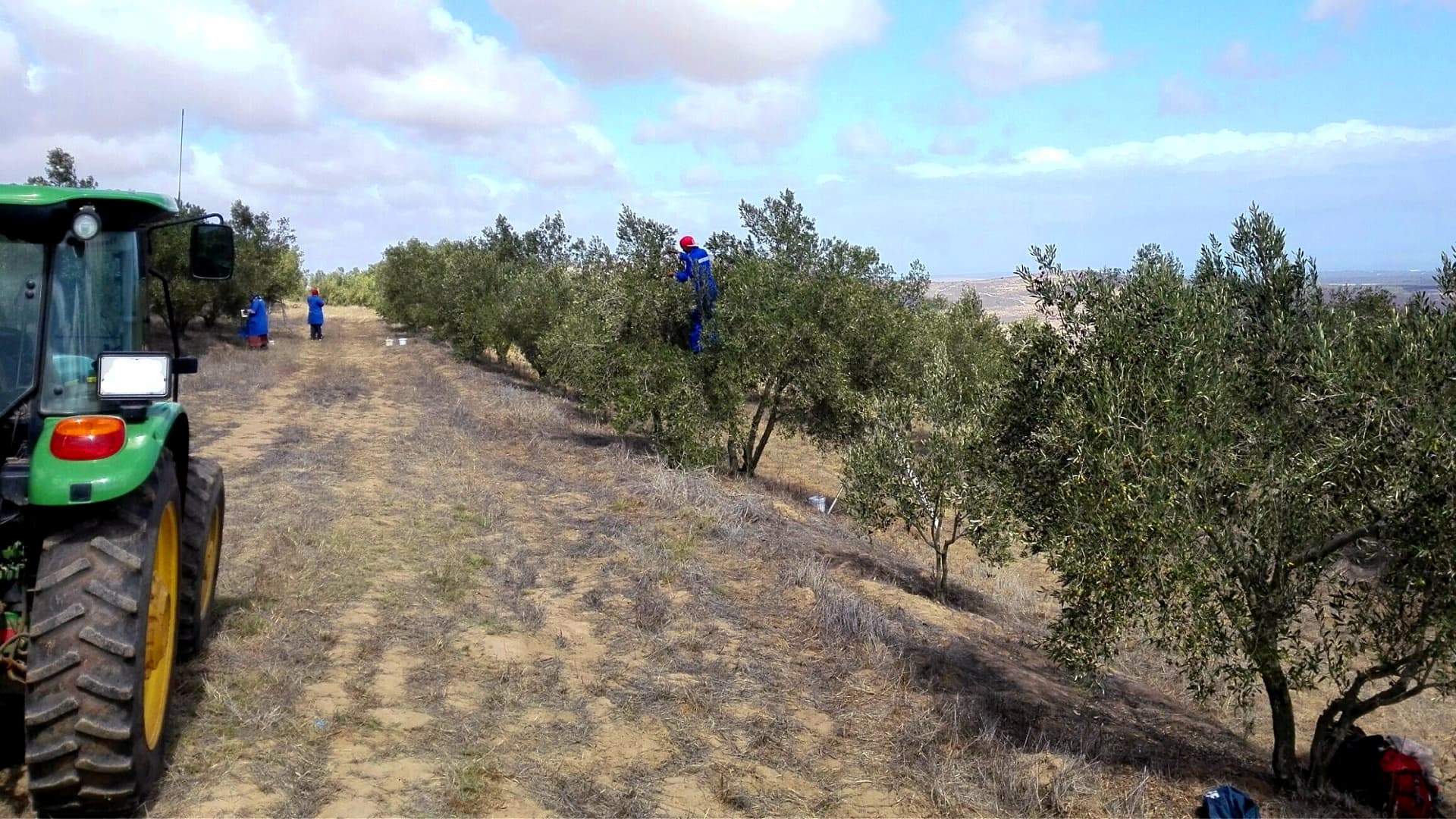
While many producers experienced a furitful harvest, weather problems resulted in a lower than expected yield for some. (Photo: Darling Olives)
“It was a challenging harvest season in times of a significant demand for olive oils,” said Nicole Koen, production manager at Darling Olives. “The harvest was a lot smaller than we had hoped for.”
Darling Olives, located about 70 kilometers north of Cape Town, is a well-known producer of extra virgin olive oil and table olives.
“The biggest challenge for us has been to harvest enough volumes to service the market,” Koen said.
He added that increasing consumer awareness is crucial for the premium olive oil market.
“Although the prices of extra virgin olive stay higher than usual, we see consumers still buying high-quality extra virgin olive oils,” Koen noted.
Babylonstoren’s van Eeden also remarked on how consumer awareness should be the focus of high-quality producers.
“There is still room for more education and engagement,” he said. “As people become more health-conscious and curious about culinary quality, they are starting to appreciate the benefits and versatility of olive oil.”
The company’s olive oil specialist warned that price pushed some customers to try affordable alternatives, such as avocado oil.
“I believe oleotourism could significantly boost awareness on a broader scale by offering hands-on learning experiences and tastings, which would deepen consumer appreciation,” van Eeden said.
“Ultimately, passion for olive oil, shared through authentic stories and experiences, will drive greater consumer awareness and loyalty,” he concluded.