The Mediterranean Diet on a Budget
Reaping the benefits of one of the world’s healthiest regimens doesn’t need to break the bank.
The Mediterranean diet has long been promoted as one of the healthiest on earth. A diet rich in olive oil, fresh vegetables, whole grains and fish has been linked to everything from lower obesity levels, a lower incidence of cancer and fewer deaths from cardiovascular disease, to lower rates of Alzheimer’s disease and diabetes.
With so many scientifically proven benefits, it’s a wonder that everyone hasn’t switched to whole wheat pasta salads with asparagus, flaked salmon and an olive oil dressing.
Actually, maybe it’s not such a surprise after all. For many people, eating a healthy Mediterranean diet rich in nutrients is just an aspiration. Affording the ingredients to cook Mediterranean meals is a different matter.
But here’s the thing. Most of the foods people associate with the Mediterranean diet have historically been foods of the poor, and they can still be cooked in affordable ways for everyone to enjoy. Here are some tips to help you benefit from a Mediterranean diet without blitzing your paycheck.
Look at Your Weekly Grocery Spending and Cut Back if Necessary
Before talking about how to source healthy food cheaply, it’s important to cut out any junk food from your regular shopping. Not only are Twinkies and Cheetos unhealthy, they divert cash away from buying fresh fruit and vegetables.
Keep your weekly receipts from your grocery shopping and go through them at the end of the week. Mark off any junk items that were bought as comfort food, and try as hard as possible to eliminate them from your regular diet. It won’t necessarily be easy, but it will be worth it.
Plan Wisely to Spread the Cost of Eating Healthily
Italians don’t tend to cook meals for one, or even for two. When they cook their stews and pasta dishes, they use big pots and cater for a crowd. That way, they can still throw in armfuls of fresh Pomodoro and cups of extra virgin olive oil, and save money by sharing out the costs.
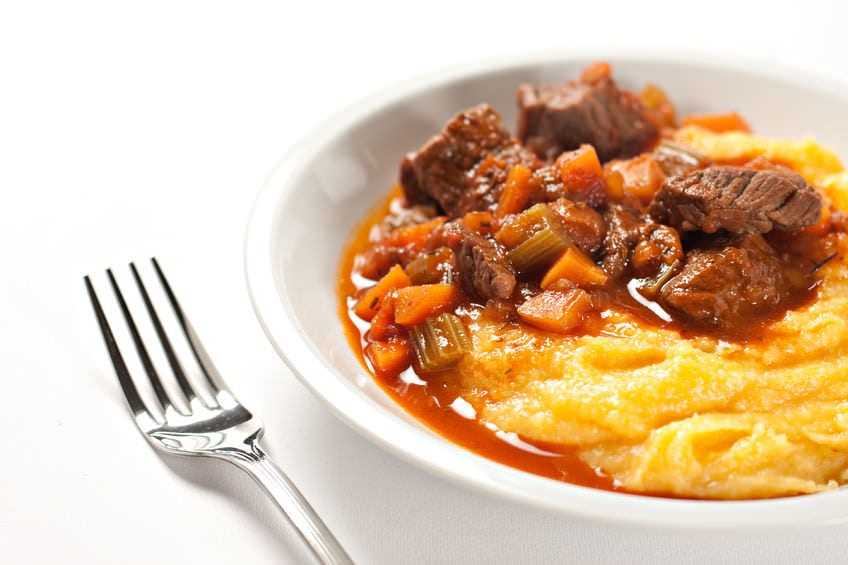
You might not have an extended Italian family who can come around to dine every night, but you can cook abundantly, spreading your meals across the week. A pot of Tuscan stew or polenta can be used for three or four days in a row.
The important thing is to plan your grocery shopping so that you buy the ingredients you need across the week. Many people shop on the spur of the moment. Don’t do that. Hit the grocery store armed with a list of the veggies, pasta, olive oil and fruit you need for the week ahead, and stick to your cooking schedule.
Shop in Bulk for Everyday Essentials
Another thing that Greeks and Italians tend to do is to buy their polenta, rice, flour and pasta in bulk. They don’t head to the local store for a tiny pack of spaghetti whenever they feel like a carbonara. Instead, they keep huge sacks of foodstuffs in their pantries, ready to be turned into delicious, healthy feasts.
You can do the same. By shopping in bulk from wholesalers, you can drastically lower the cost of buying kitchen essentials. It might be less convenient to store large sacks, but the cost savings are huge.
Develop a Taste for Intensity Over Quantity
One of the things that mark the Mediterranean diet compared with standard western diets is the quantity of meat that it contains. Mediterranean communities have historically eaten relatively little meat (cows and pigs are expensive, after all), and when they cooked meat, they have used stocks, herbs and olive oil to give it the richest possible flavor.
Cutting back on meat might be hard for many people, but it has significant benefits for your heart and may even help ward off some forms of cancer. It’s also not as hard as you might think. By choosing smaller cuts of higher quality meat and using stock cubes,extra virgin olive oil and cooking wine to accent your dishes, you can enjoy healthier meat dishes and save money.
Thicken Soups and Stews With Wholegrains
Italians use pearl barley a lot. It’s in most of their soups and stews, providing bulk and texture, along with a healthy dose of easily digested carbohydrates. There are plenty of other whole grains around as well, such as heritage wheat varieties and rye berries, and all of them can make stews go further.
You can also use whole grains to create flavorsome stuffings for tomatoes and bell peppers. With a little mozzarella or gorgonzola, you can generate an intense gourmet taste without spending vast amounts of money.
Enhance Bland Dishes With Extra Virgin Olive Oil
For many people, organic vegetables are out of the question. Those perfect peppers, heirloom tomatoes and artichokes in Whole Foods are there to tease you, not feed you. But it doesn’t matter, because if you use high-quality olive oil, the most ordinary salad greens, potatoes and pasta dishes can taste divine.
Never compromise on olive oil. In the Mediterranean diet, it’s the one ingredient that cooks cannot do without. If you spend big on one item for your kitchen, make it a bottle of extra virgin olive oil. That way, you can whip up beautiful Mediterranean dishes that taste like the real thing, even if you do sometimes rely on canned or frozen vegetables.
Do it Yourself By Growing Fresh Ingredients
Almost anyone has the ability to grow a few ingredients in the Mediterranean diet. Even if you live in a tiny apartment, you can grow basil, coriander, rosemary or sage on your window ledge.
If you have a little bit of yard space, you can really branch out, with everything from radicchio and artichokes to eggplant, tomatoes, potatoes and endive. Anyone who hasn’t grown their own vegetables before will be amazed by how fresh they taste. It’s as close as you might have the chance to get to the terraced hillsides of Sicily or the Aegean Islands.
If you want to eat a healthy diet, you could do a lot worse than adopt Mediterranean food, and you can also do so without spending a fortune. It just takes a little planning, some savvy shopping, kitchen know-how and garden labor. If a healthy heart and longer life are the results, why delay?