



Sustainable Farming is Key to Quality as California Becomes Hotter and Drier
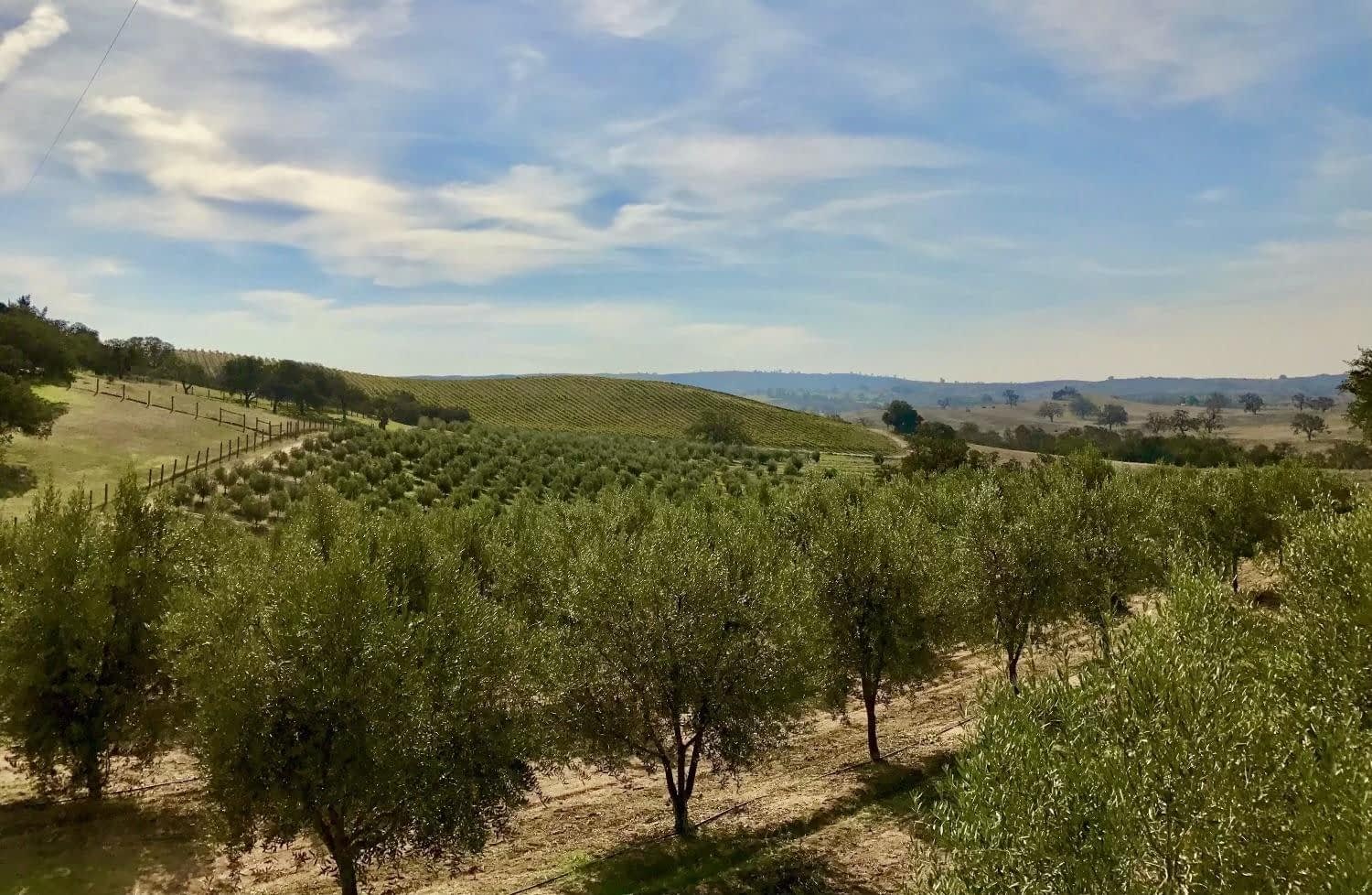

Sam and Lynn Israelit founded Spanish Oaks Ranch in 2013 after leaving their careers in the Bay Area to pursue olive farming in San Luis Obispo County. Despite challenges such as competition and climate change, the couple has focused on sustainability and producing high-quality olive oils, resulting in international awards for their products.
Once professionals in disparate fields, Sam and Lynn Israelit ventured into olive farming, founding Spanish Oaks Ranch in 2013.
Along with tending his olive groves in the prodigious San Luis Obispo County, Sam Israelit is the chief sustainability officer at management consultancy Bain & Company, where he has worked since 2000.
One of our biggest challenges is leaving the fruit on the trees long enough to develop the best fruitiness while avoiding the freezing temperatures that occur at the end of our growing season.
”My wife and I have both had active careers in the [San Francisco] Bay Area, but we were looking for a quieter, more peaceful place to relax and spend time with family and friends,” he told Olive Oil Times about their decision to purchase the farm, located about 240 kilometers south of the Bay Area.
“We were lucky to find a ranch in Templeton that had an existing olive orchard, but it was definitely in need of some work,” he added. “Both Lynn and I wanted to create some truly outstanding estate olive oils that we could enjoy ourselves and share with others.”
See Also:Producer ProfilesWithin three years, what started as a passion project for the couple became an award-winning enterprise.
“Lynn and I own and manage the ranch, and we work hard to produce some of the best artisanal olive oils on the market today,” Israelit said. “We emphasize quality, flavor and freshness in making our oils and are involved in every step of the process from harvest to the bottle.”
While no one would claim that olive farming is easy, Israelit believes there are even more challenges for small producers focusing on quality instead of quantity.

Sam and Lynn Israelit
“One of the biggest challenges we face is increasing our exposure as small producers and educating consumers on the benefits of great olive oil,” he said. “The market is crowded, and it can be difficult to compete with those who sacrifice quality to lower costs or marketing companies who buy lower-quality bulk olive oil from growers and then market it as their own.”
Despite the challenges, the Israelits have developed a loyal customer base for their extra virgin olive oil. However, this is not their only challenge while growing olives on California’s Central Coast.
The increasingly hot and dry climate of central California has caused the Israelits to work tirelessly to create favorable conditions for their olive groves.
“The drought over the past several years has required us to closely monitor the amount of water we supply to our trees so we can avoid excessive bitterness or woodiness in the oils,” he said.
“In addition, one of our biggest challenges is leaving the fruit on the trees long enough to develop the best fruitiness while avoiding the freezing temperatures that occur at the end of our growing season,” Israelit added. “It requires careful attention to ensure the quality of the fruit while minimizing the risk of losing the crop to an early freeze.”
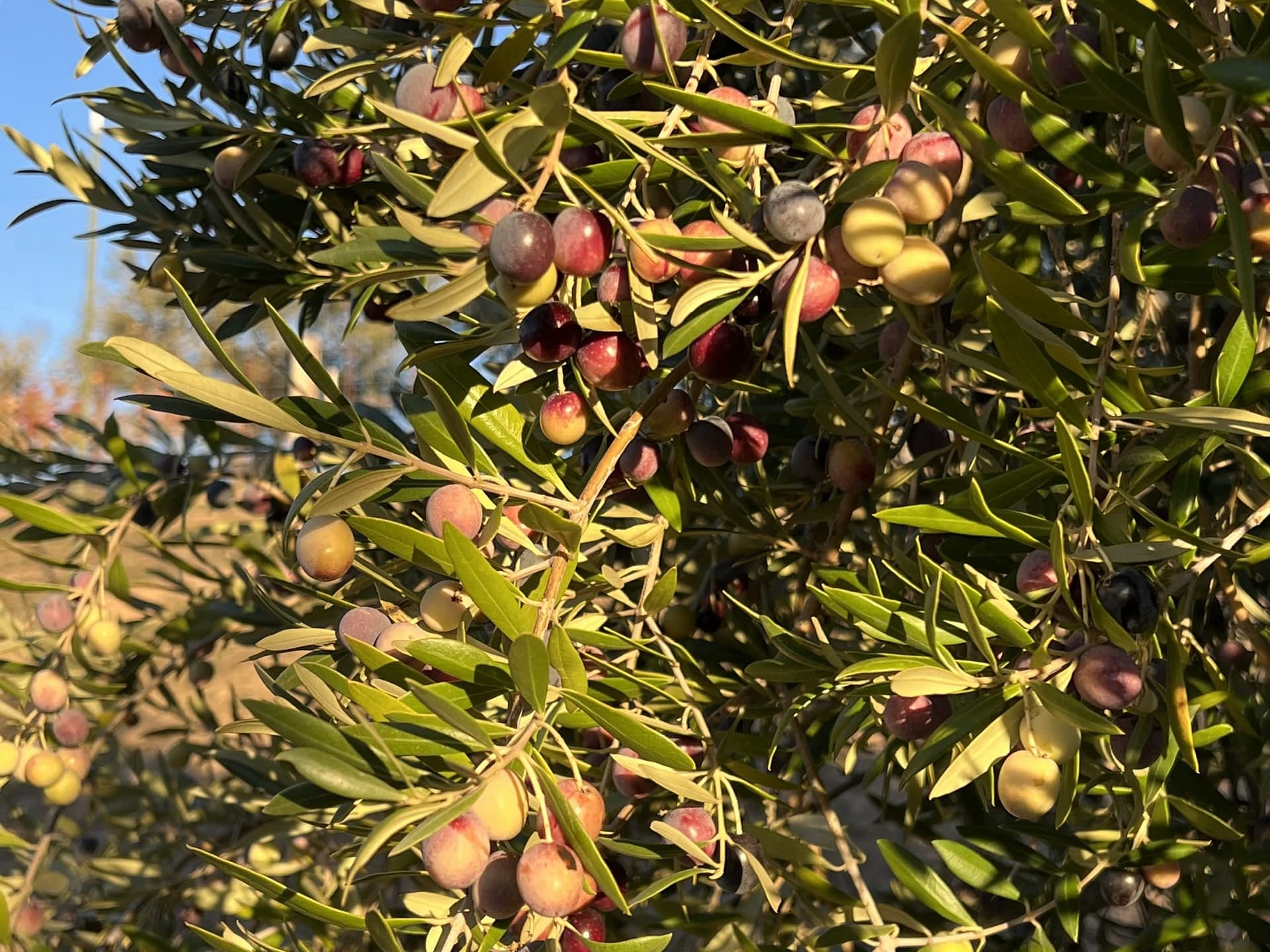
Waiting for just the right moment to harvest is one of many keys to success for Spanish Oaks Ranch.
The couple strives to make their farm sustainable to maintain the quality of their olive oil and be more mindful of how their activities impact the environment, depending on the land to provide the resources they need to produce excellent fruit.
“We use drip irrigation to conserve water in our basin and apply the right amount based on the microclimate of our orchard,” Israelit said. “We also converted to organic practices, so we do not use synthetic fertilizers or pesticides, minimizing our impact on groundwater and local biodiversity.”
“When we use cover crops, we include varieties that support pollinators and wildlife, and we have invested in supporting habitats for raptors,” he added. “In addition, we rely on solar energy for 100 percent of our electricity and invest in reforestation projects to offset our residual carbon emissions. Last, we ensure our workers receive a fair wage and experience safe working conditions.”
They focus on enhancing the quality of olive oil and grow different varietals to produce an array of olive oils.
“We raise eight different varieties of olives to produce four different oils. We selected these varieties to ensure a diverse range of oils to meet our customers’ needs,” Israelit said. “They result in oils that range from having milder, green flavors to those that are robust, fruity, and peppery. A few of the varieties were selected to act as pollinators for our primary varietals. This results in a healthy, productive orchard.”
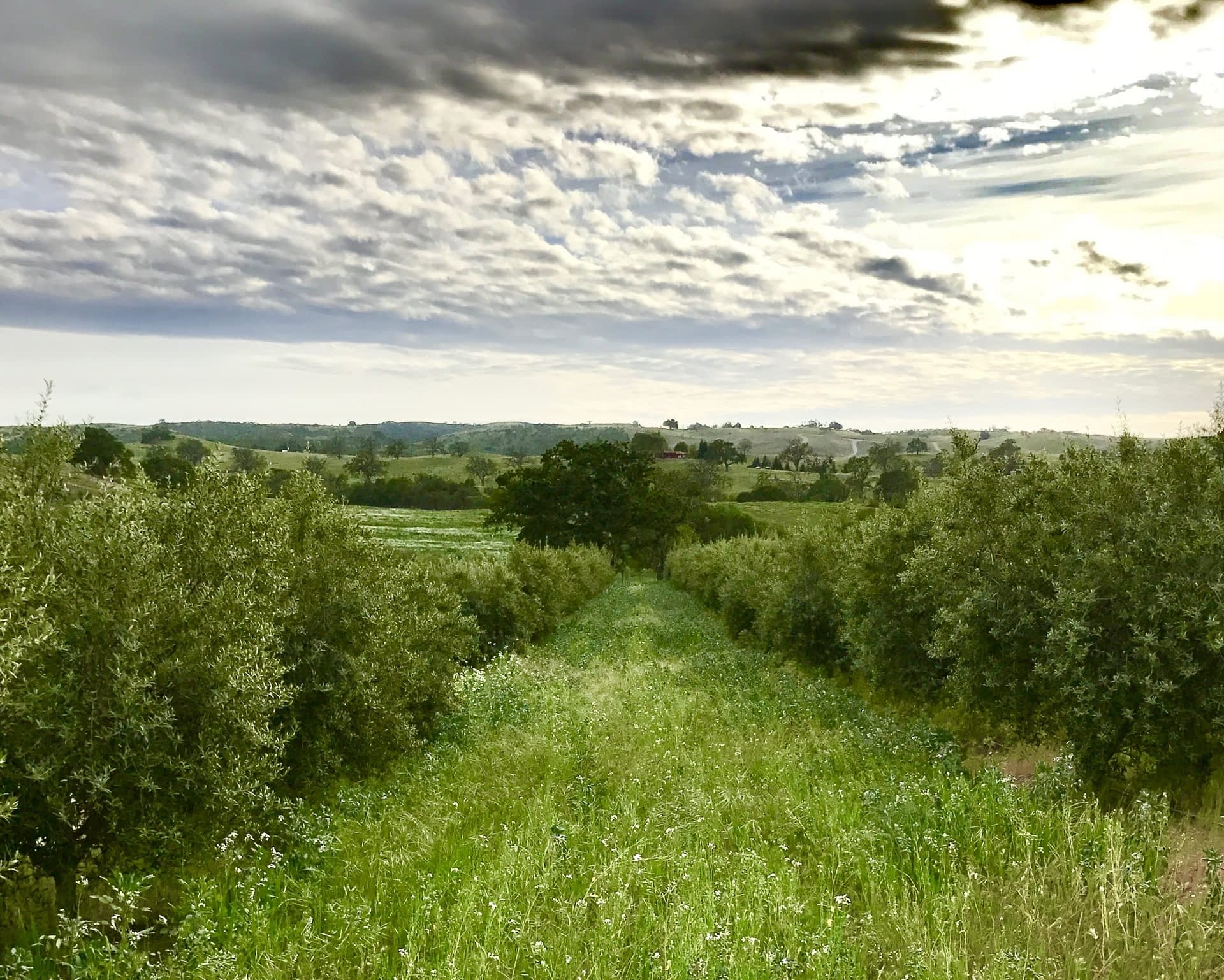
Improving biodviersity through native crop cover help Spanish Oaks Ranch preserve its soil from the negative impacts of climate change.
Their passion and unwavering commitment to producing high-quality extra virgin olive oil bore fruits in the form of multiple international awards for Spanish Oaks Ranch, including three Gold Awards at the 2023 NYIOOC World Olive Oil Competition.
“We are incredibly excited by the recognition we’ve received for our oils on the international stage,” Israelit said. “These awards are the best way for us to ascertain that we are producing the highest quality oils possible.”
“An award at the NYIOOC demonstrates to consumers that they can trust the product they’re buying is one of the best available on the market,” he added. “In addition, the expert feedback we’ve received from these competitions has helped us to produce the highest quality olive oils possible.”
Israelit attributed the company’s consistent success at producing high-quality – borne out by the 19 NYIOOC awards the company has won since 2016 – to its efforts to time their harvest to ensure the fruit is at the optimal level of ripeness, providing the flavors and characteristics our customers expect.
“We partner with one of the best millers in the area and run continuous delivery of our fruit throughout the harvest day,” he said. “It’s a lot of effort, but we feel it’s worth it. And all of our oils are stored in stainless steel drums in a temperature-controlled environment to maintain their quality.”
Looking ahead to the 2023/24 crop year, Lynn Israelit told Olive Oil Times that much-needed rainfall in the state had turned the hills around her olive groves green without negatively impacting fruit set. Overall, she is anticipating an average harvest.
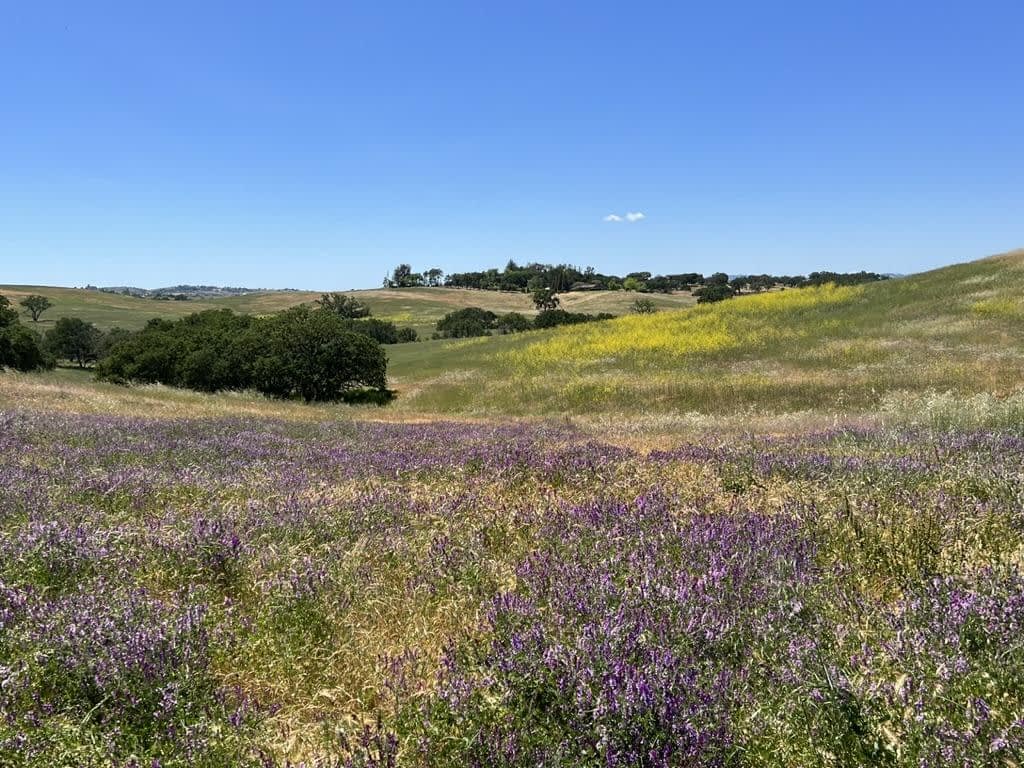
Much-needed spring rain turned the hills around Spanish Oaks Ranch green for the first time in years. (Photo: Lynn Israelit)
“We will start checking the olives closely in mid-November to judge the best harvest time per variety,” she said. “Often, that ends up being around Thanksgiving week or early December. We’d like to keep the fruit on the trees until it’s perfectly ripe, despite the risk of potential early frost.”
“We had an extraordinary amount of rainfall in the Central Coast region this year,” Israelit added. “The hills were green and covered with spectacular wildflowers, the likes of which we haven’t seen in more than a decade. The rainy season was over well before fruit set, so the weather did not affect our crop in a negative way.”
While the couple enjoyed California’s wet winter, Israelit said she is still bracing for the state to continue to become hotter and drier.
“Although we were blessed with abundant rain in 2023, California is never far away from the next drought – it seems to be the new normal during these times of climate change,” she concluded.
Related Articles
Mar. 26, 2025
Slovenian Family Achieves International Acclaim for Organic Cuvée
The Morgan family, renowned Slovenian olive oil producers led by Silvana and Franc Morgan, has had a good year.
Oct. 21, 2025
In Chile’s Curicó Valley, Agroindustrial Siracusa Builds an Olive Oil Success Story
Leveraging decades of engineering experience, Agroindustrial Siracusa has built an efficient, high-density olive operation in Chile’s Curicó Valley.

Oct. 15, 2025
Madrid Region Bans Solar Panels on Agricultural Land
Local authorities said the ban is necessary to protect olive and vine cultivation and comes as part of a wider effort to add value to local olive oil production.

May. 2, 2025
U.S. Trade Group Proposes Olive Oil Promotion Cooperative
With backing from industry experts and the USDA, the North American Olive Oil Association has proposed a research and promotion program to drive consumer awareness and demand.
Dec. 1, 2025
In Oliveto Citra, a Family Mill Advances Research, Sustainability and Quality
The skilled millers behind Oleificio Dell'Orto craft premium extra virgin olive oils in Campania from native varieties, guided by a strong commitment to research and education.
Apr. 23, 2025
This 185-Year-Old Spanish Olive Oil Co. Keeps Innovating to Meet the Moment
Sucesores de Hermanos López continue to look at market trends and adopt the latest technology and practices to maintain award-winning quality.
Aug. 11, 2025
Luberon’s Unique Geology Helps Set One Award-Winning Producer Apart
The producers behind Domaine de la Sénancole have leveraged Luberon’s geology and Provence’s local olive varieties to produce a sustainable and sought-after olive oil.
Feb. 12, 2025
Meet the Genoese Couple Cultivating Traditional Italian Olives in Uruguay
After careers in foreign service, the founders of Pique Roto are introducing Uruguayan consumers to traditional Italian olive varieties.