Bucking the Trend: Why Olive Oil Prices in Greece are Falling
The latest reports on pricing for bulk sales of extra virgin olive oil in Greece show a steep decline as olive oil prices surge elsewhere. How can it be?
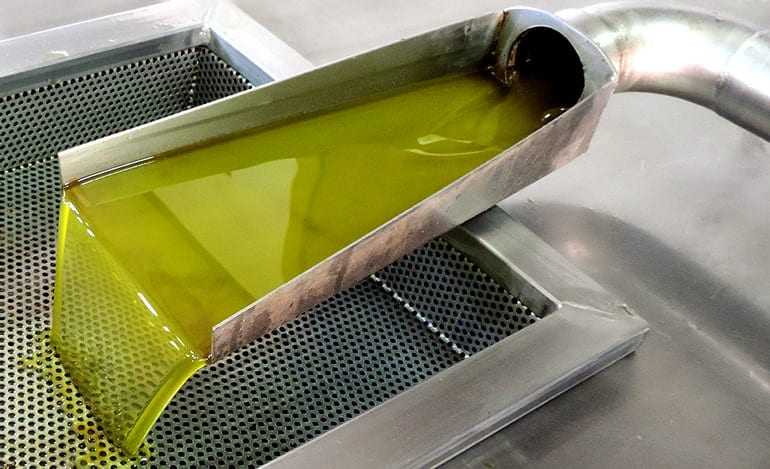
The latest reports on pricing for bulk sales of extra virgin olive oil in Greece show a steep decline. How can that be?
Earlier in November when Spain, France, Turkey and Italy reported lower production during this 2014 harvest season, prices for Greekextra virgin olive oil began to rise to €3.50 – €4.00 per kilo paid to the olive mills. The trend has recently reversed and prices are falling sharply. As of last week the major Italian buyers are unwilling to bid the prices above €3.20.
Greece may be on the verge of a problem with olive oil adulteration
Greek olive growers are forced to sell at lower prices to cover their costs, or their losses accumulated from last year’s bad harvest. While the total production in Greece will double last year’s dismal results, this year’s harvest in Greece is below average in many regions: Thasos production if off almost 80 percent from normal levels for the second year in a row. Corfu has 40 a percent drop; in the Peloponnese production is lower than usual. The area of Agrinio, in west central Greece, was hit with heavy rains and wind in early November caused olives to drop. A rare twister even appeared which uprooted olive trees. In other areas like Volos in the east, many farmers took advantage of higher prices for table olives and were out early harvesting them instead of waiting for the olive mills to open. Others have given up all together, or they simply harvest for the oil they need for their families.
Who is to blame?
There is plenty of blame to go around. Greek olive oil mills and trading companies are looking for a quick turnaround by selling to Italian buyers. Brokering a million kilos of bulk olive oil they can make a quick profit of up to €500,000. They adjust the price paid to the olive growers according to what the Italian buyer is willing to pay them. The profit for the olive mill or the broker is locked in whether they buy high or low. Furthermore, they are not investing their profits in marketing or promotional activities for Greek olive oil. When confronted they blame the government and the economic crisis for their inaction. I have spoken to a number of olive mill owners and co-operatives about this problem and they confirmed it but they are not willing to go on the record and admit the massive sales of olive oil to Italian companies.
See Also: Complete Coverage of the 2014 Harvest
Greek olive oil companies acted no differently during the good economic times either. No Greek government has ever shown much interest in creating an olive oil council or structure to protect pricing and to promote innovative campaigns or sales of Greek olive oil abroad. This leaves the field wide open for everyone involved to promote their own narrow personal and regional interests. This has been a recipe for disaster for the Greek olive oil industry generally and for small olive growers in particular. There are a number of individual mills, growers and marketers that have managed to create strong brands internationally, win awards and international acclaim, but they are the exception.
A tale of two countries
The Italians have a need to supply their ever-growing market share with quality olive oil. They have invested in promotion and marketing their olive oil and created strong brands. Their efforts are paying off. Italian olive oil companies have also successfully promoted agrotourism to the olive growing regions of Italy with fantastic results.
The Greek government, on the other hand, has done little to promote bottling in Greece and developing strong agricultural and gastronomic tourism. This year Greece had 20 million visitors but very few had the opportunity to taste high quality Greek olive oil. What most 4- and 5-star hotels in Greece serve asextra virgin olive oil would be rejected by an experienced taster. Even when subsidies are given to olive growers, there is little control on how they are used.
The rising star
In Tunisia, meanwhile, the number of companies exporting bottled olive oil has increased from 20 to 46 since 2012 and Tunisians has been investing heavily in the development of their olive oil production. Tunisia’s olive oil promotion campaign has targeted the United States and Europe, and has been helped by the Tunisian government’s strategy of zero-rating agricultural products for value added tax (VAT) purposes. This year’s production is estimated to be over 300,000 tons, which may even surpass total Greek olive oil production (and even Italian output this year). This may one reason be the Italians are not willing to pay high prices for Greekextra virgin olive oil anymore; they can get it from Tunisia for less than €3 per kg.
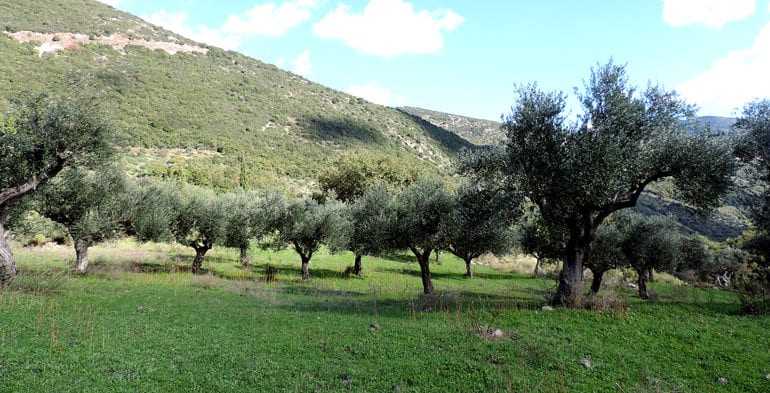
Is adulteration of Greekextra virgin olive oil the answer?
Large-scale adulteration of olive oil by Italian companies has received a great deal of press lately and continues to be an ongoing concern. Now, Greece may be on the verge of a similar problem with adulteration. Greeks are the biggest per capita consumers ofextra virgin olive oil in the world, consuming more than 18 kg yearly. With so much high quality Greek olive oil flowing to Italy, who is going to supply the Greek market?
Earlier this year the Greek coalition government was being pushed by the TROIKA (the term troika has been widely used in Greece to refer to the presence of the European Commission, European Central Bank and International Monetary Fund since 2010 and the financial measures governments have taken) to legalize the mixing of Greek olive oil with repaso in order to lower prices for Greek consumers. Repaso, as the name suggests, is the process of passing the olive paste waste through the centrifuge a second time with hot water. This process is used to extract the remainder of olive oil left behind in the olive paste by the first pressing. Repaso is very hard to detect because there are no chemicals added in order to extract the olive oil from the olive paste. The coalition government was preparing to agree, but resistance developed from members of their own party ranks. The olive growers took to the streets in protest and the intended legislation was abandoned.
Repaso imports
However, in preparation for this new legislation some Greek olive oil companies began importing large quantities of repaso olive oil from Spain through Italy in order to mix it with Greek EVOO.
The previous Minister of Rural Development and Food, Athanasios Tsaftaris, when asked about this issue last February, acknowledged that illegal imports had occurred. Tsaftaris recognized the great problem of Hellenization of Spanish olive oil (repaso) and noted that controls would be strengthened to protect the quality of Greek olive oil. This Hellenization of Spanish repaso was suspected to be the main reason prices of Greekextra virgin olive oil failed to rise even with losses of 50 percent of production in 2013; in fact, prices forextra virgin olive oil sold in bulk dropped to €2.50 per kg. Now, after the drop in price the olive mills are willing to pay for EVOO, rumors of large influx of Spanish repaso are being reported in Greece once again.
Cretan olive mills demand the right to produce repaso
The main reason Greek olive oil companies have so far escaped the stigma of olive oil adulteration on an international level is due to the bulk exports ofextra virgin olive oil to other countries mostly to Italy. In addition, olive mills in Greece are not allowed to make repaso olive oil. The olive paste must be trucked to a refinery for the secondary extraction with water and then a further extraction using hexane to produce refined olive oils. This is the reason 80 percent of Greek olive oil production is in the form of extra virgin olive oil. This may soon change. The Cretan Association of Olive Mills and Bottlers has recently made an appeal to the Greek government to allow them to produce repaso in the same olive mills they produce extra virgin olive oil. They cite environmental concerns like high water usage and waste, and their wish to become more profitable. There is an increasing demand for repaso on the world market, which they cannot provide. If repaso is produced in the same olive mills and held in tanks side by side the potential for adulteration increases.
With no reserve stocks from last year, and Italy buying up most of theextra virgin olive oil from the olive mills at lower prices, adulteration ofextra virgin olive oil is rumored to be happening again. The question on everyone’s mind is: What type ofextra virgin olive oil will the Greek consumer be buying next year?