Lighten Thanksgiving with Extra Virgin Olive Oil
Substituting butter and other fats for extra virgin olive oil is a great way to lighten your holiday menu while adding fresh flavors to the classics.
Every year, millions of families gather together in late November to celebrate the Thanksgiving holiday and, year after year, we spend the hours following the meal in a food-induced coma, feeling more than a little full and indulgent.
Many will blame the inevitable sluggishness on the turkey itself; specifically the tryptophan found in the light meat, but in reality, the reason we all get so tuckered out after a big Thanksgiving dinner has more to do with the richness of our menu than any specific dish.
The tradition surrounding our holidays keeps our menus reliable year to year. Holiday recipes are often passed down through generations and alterations come at great risk, especially when you are meddling with a relative’s favorite dish.
This is why, even though we know better, we sometimes keep our holiday menus far richer in butter and cream than is necessarily ideal for a healthy, balanced diet.
High-quality extra virgin olive oil has been a constant companion throughout my career in restaurants and professional kitchens. Its vibrant color, rich, fruity olive notes, and unique bitterness add dimension to any dish or ingredient.
Beyond seasoning, it works well for baking, roasting, and sautéing. With so many flavors and qualities, it’s easy to find ways to incorporate it into your holiday meal this year.
Replace saturated fats
One of the easiest ways to keep your menu light and flavorful this Thanksgiving is to consider substituting extra virgin olive oil in place of saturated fats like butter or shortening.
If you don’t want to go all-in, you can just replace half of the butter, vegetable oil or lard you might be using in a given recipe with extra virgin olive oil.
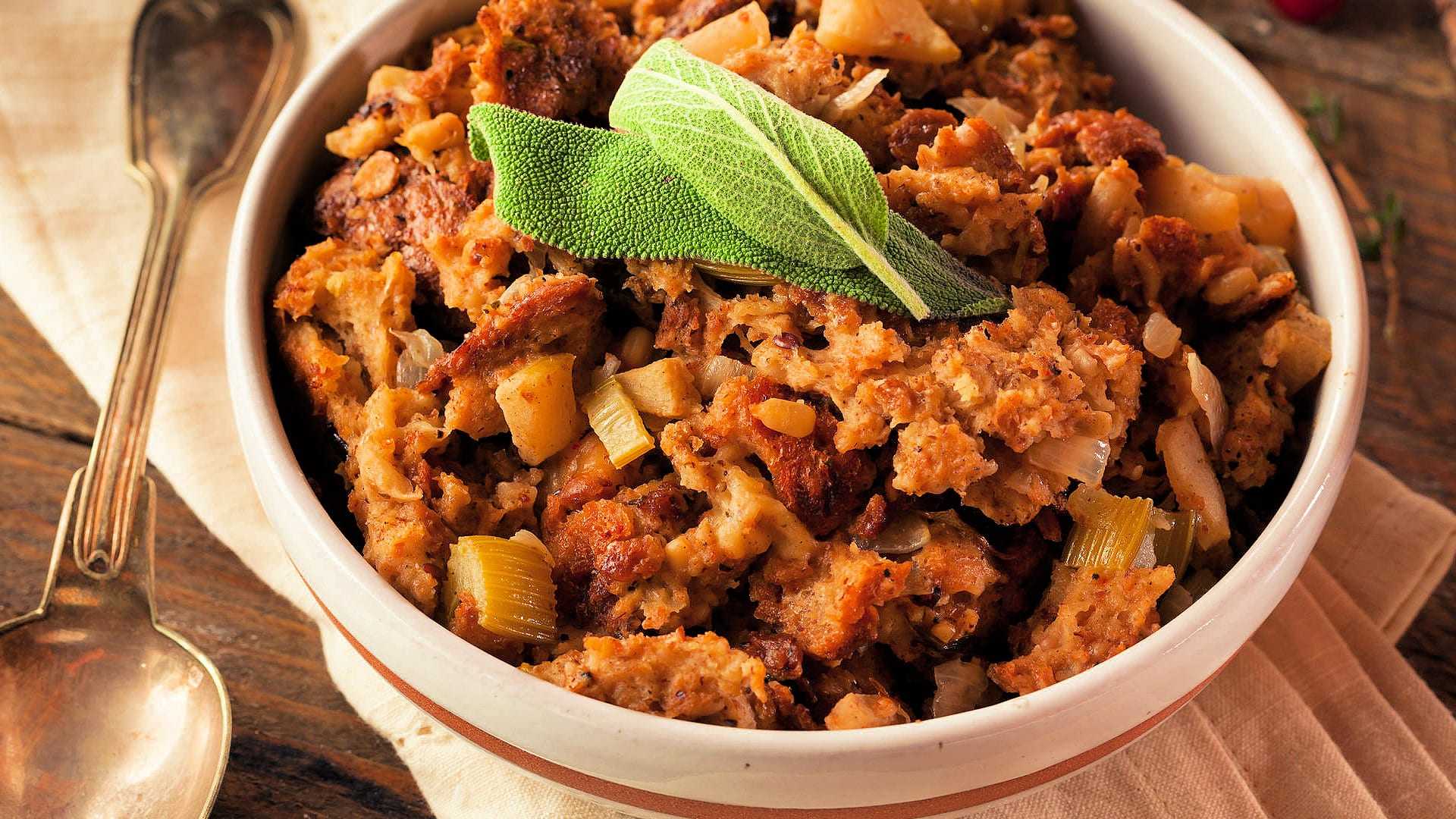
By replacing other liquid fats like canola or vegetable oil with EVOO, you can add a wonderful depth of flavor to your meal that regular oils just can’t match.
See Also: Recipes with Olive OilThe sides
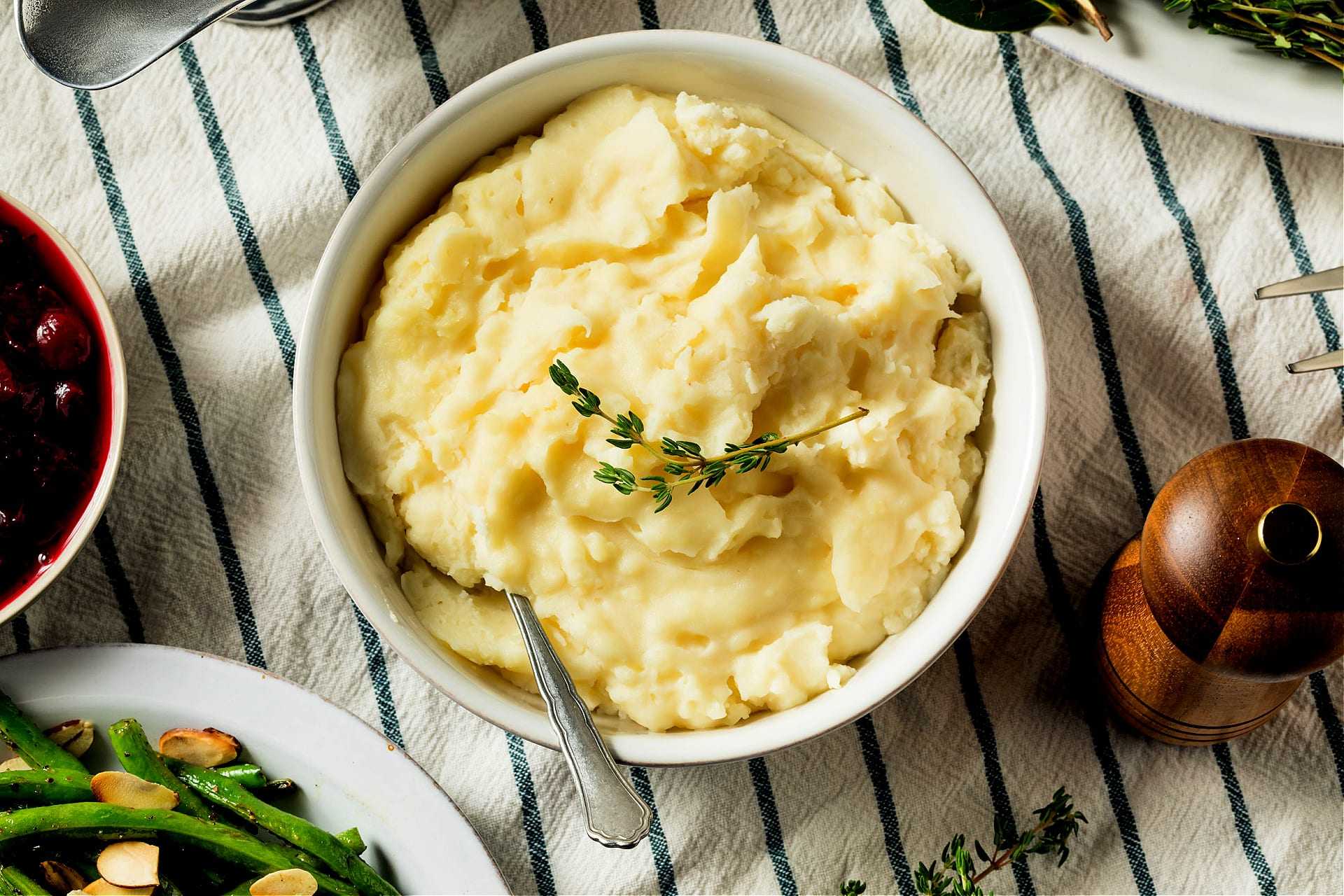
Try replacing half of the butter in your mashed potatoes this year with a fruity extra virgin olive oil. Your favorite side dish will shine with a more complex flavor and it will be lighter and airier than with just butter or cream. Try adding some rosemary and parmesan cheese for a nice Mediterranean touch.
Whether roasting, dressing, or seasoning, extra virgin olive oil complements all vegetables and adds complexity to the flavors compared with neutral, refined oils like canola or sunflower.
I like to sauté my vegetables, like pre-roasted Brussels sprouts or carrots and onions, in a medium-bodied extra virgin olive oil, such as a Frantoio. A moderately intense extra virgin olive oil imparts great olive flavor and has a higher smoke point than a more delicate option.
While I might not be able to get the oil quite as hot as with other vegetable oils, the added olive notes and health benefits a good extra virgin olive oil impart are more than worth it.
One thing you learn when cooking for a crowd is the value of your oven when roasting veggies. By tossing your vegetables in olive oil and seasoning, then spreading them evenly across a sheet pan and roasting them in a 350°F oven, you can save a ton of stovetop space and make prep easier.
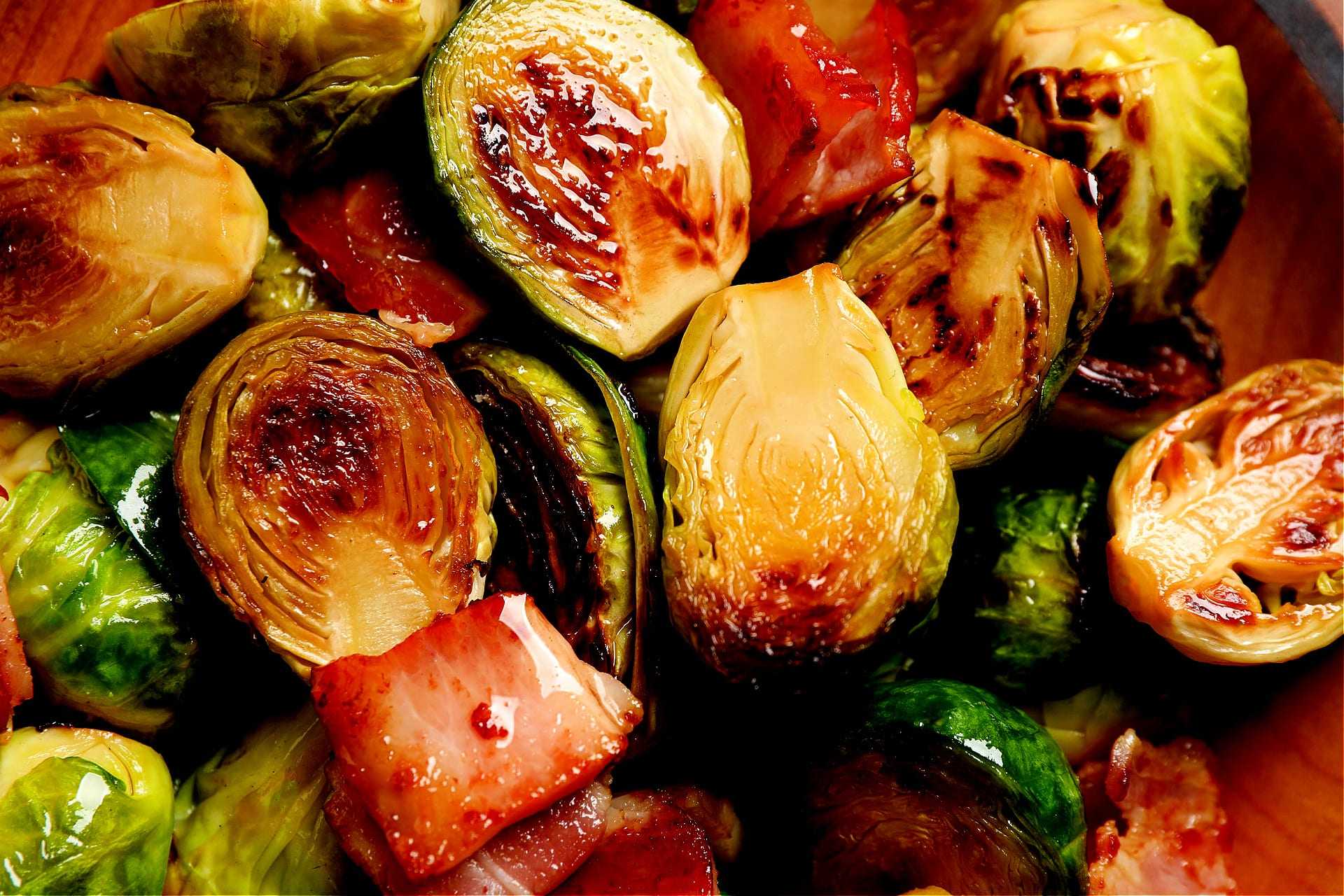
I love side dishes, and though the turkey is always the centerpiece of our Thanksgiving table, I like to think that various sides keep the meal exciting. By roasting some items in the oven, I can save the stovetop for other dishes like mashed potatoes or gravy that require a dedicated burner.
Extra virgin olive oil is an obvious choice for any salad in your Thanksgiving spread. I like to mix a fruitier, delicate oil like an Arbequina with a touch of honey and some citrus juice, whether orange juice or lemon juice for a light and refreshing vinaigrette.
Using apple cider vinegar instead of citrus juice, with just a touch of fresh apple cider, makes a season-aware choice that will surely please all of your guests’ palates. If you can’t find a delicate extra virgin, mix a robust option with a touch of canola. A neutral, refined oil will mellow out the rich, spicier notes of the olive oil.
The turkey
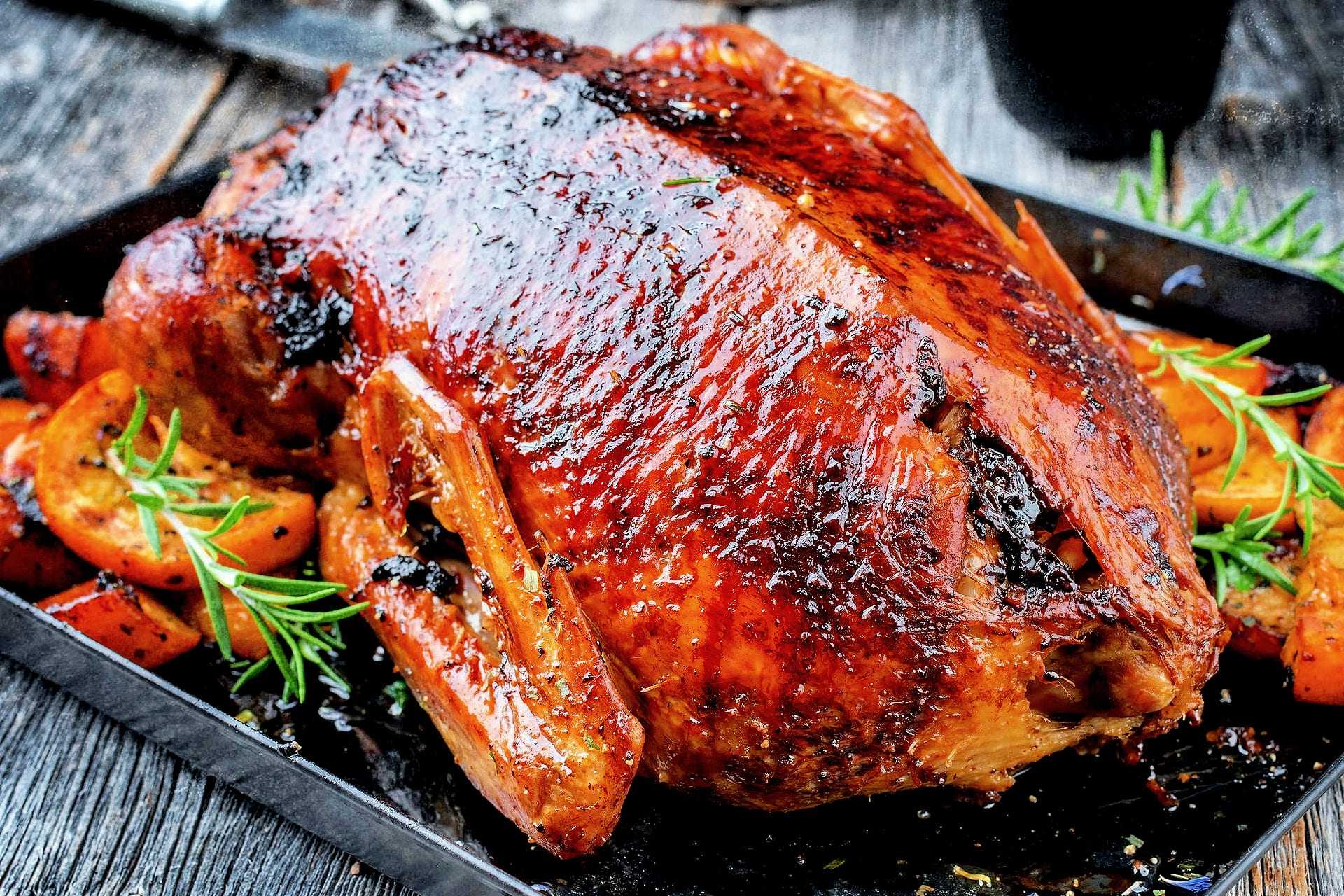
While it may seem obvious, coating your turkey with extra virgin olive oil this year will make it extra crispy and delicious.
I like to warm a cup of olive oil with fresh thyme, garlic and other dry seasonings on the stove and then brush the turkey with it throughout the roasting process. This helps keep the skin crispy and continues to add layers of flavor.
Additionally, you can drizzle the sliced turkey with a touch of fruity extra virgin olive oil to help accentuate the flavors of the crispy roasted skin and juicy turkey.
Baking with olive oil may sound challenging, but adding olive oil to many pastry recipes is simple. By substituting olive oil for some of the butter in cakes and cookies, you make the final product moister and lighter while giving it added shelf life, which is a nice bonus.
Though olive oil has its role in the pastry world, there are some places where it won’t work as well as other fats, such as pie crusts or laminated doughs, but you can always substitute it for the butter in any filings with little to no issue.
No matter how you incorporate extra virgin olive oil into your Thanksgiving meal this year, as long as you use high-quality, well-crafted products, you will surely be in for a delightful meal your guests will rave about for years.