At Cape Schanck Olive Estate, Weekend Getaway Grows Into Lauded Brand
Over 15 years, Stephen and Sui Tham turned their retreat from the hustle and bustle of city life into a multi-award winning olive oil brand.
Australian producer Cape Schanck Olive Estate‘s winning streak at the NYIOOC World Olive Oil Competition has been impressive.
The husband-and-wife team won five Gold Awards earlier this year after scooping up four awards in the 2020 edition of the industry’s most prestigious olive oil quality contest.
It looks easy, but it’s not easy. Farming is very tough.
This time around the duo, Stephen and Sui Tham, were awarded for their Picual, Picholine, Leccino, Coratina and Frantoio monovarietals.
See Also: Producer ProfilesThe couple started cultivating these five well-known varieties — all of which are native to Mediterranean countries — when they started farming olives 15 years ago.
Stephen Tham told Olive Oil Times they chose varieties that would ripen at different times because they would not have been able to handle the processing of harvesting them all simultaneously.
In 2002, the Thams decided to move to the countryside to introduce their two sons, younger than 10 years old at the time, to a rural environment. They also wanted a retreat from city, themselves.
“Basically, we were looking for a healthy lifestyle outside the city, as a getaway I suppose,” Tham said.
They found an abandoned flower farm, which became Cape Schanck Olive Estate a few years later.
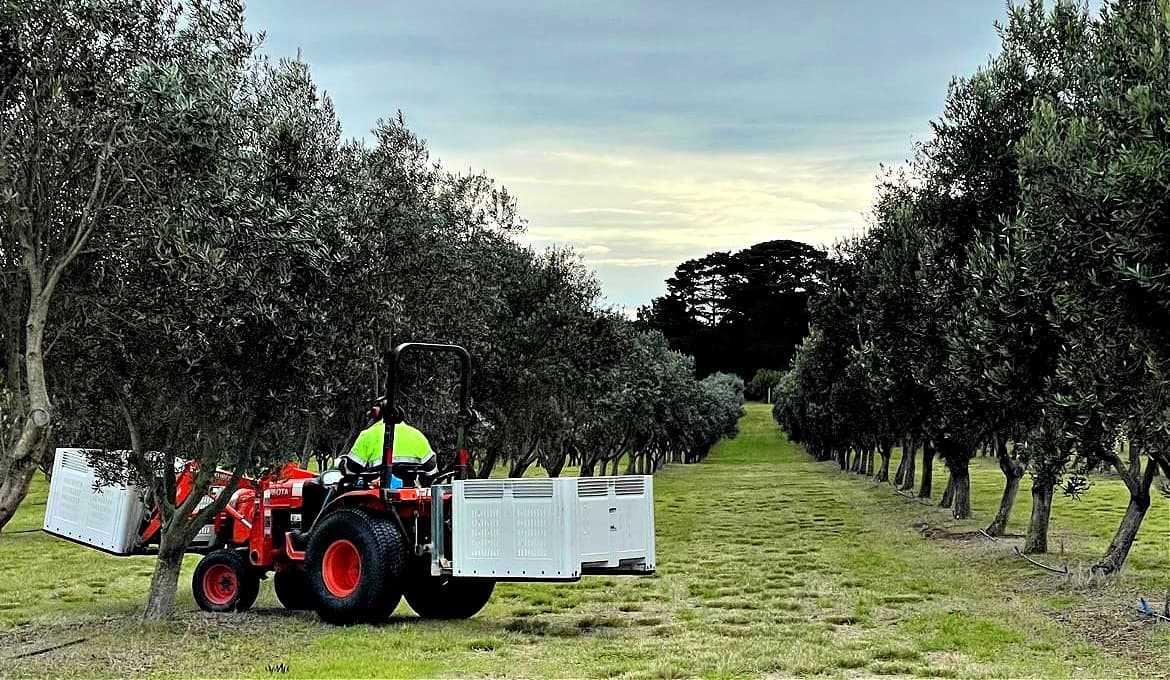
Harvesting olives on the estate
Initially, the Thams traveled to their farm on the weekends to clean out the remaining flowers, irrigation pipes and plastic sheeting. A year later, they had their farmhouse built.
The couple next started looking for an endeavor to pursue over the weekends, while they continued to work in Melbourne, Australia’s second-largest city.
In 2006, based on the increasing popularity of the Mediterranean diet, and the nature of their farm’s soil and its Mediterranean climate, they decided to cultivate an olive grove after first contemplating becoming wine producers.
Sui Tham said the benefit of choosing olive farming over grape farming was that olive trees are more drought tolerant than vines, and nature plays a bigger role in taking care of the groves.
Naming the farm was not easy. “We thought very long and hard, but ultimately decided on a name that reflected a sense of where the farm was,“ Stephen Tham said.
See Also: After Years of Drought and Covid, Australians Celebrate Record-Breaking HarvestThey had no experience of olive farming when they started out.
“We learned as we went along,” he said. “We had help from the locals, who were very generous with their time and advice. We also joined the local Mornington Peninsula Olive Association, which was another great source of information.”
“Cobram Estate did the research,” Sui Tham said. “They are very active in the industry. So to an extent, it’s an extended family. Cobram taught me to taste olive oil.”
In 2012, the awards started trickling in, with the Thams winning their first awards in Los Angeles for their Picholine and Leccino oils. Since then, they have won almost 70 awards at three competitions, including the NYIOOC.
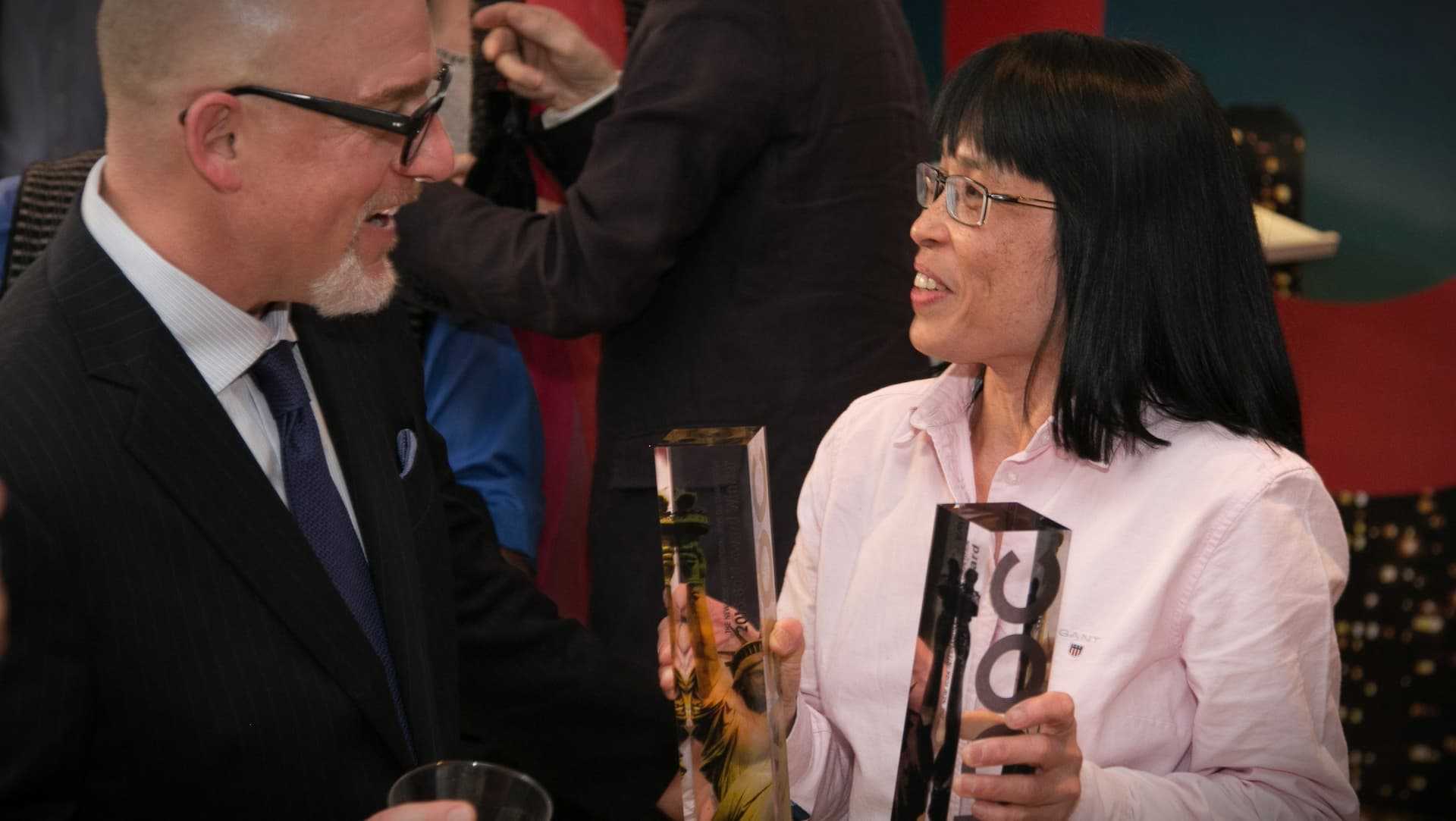
Sui Tham with NYIOOC president Curtis Cord at the 2016 NYIOOC
“Getting Golds for all our five entries this year at NYIOOC was a thrill difficult to beat,” Stephen Tham said, adding that the accolades made Cape Schanck a recognizable brand, “locally at least.”
“The awards certainly generate interest with the consumers,” he added. “In a crowded marketplace, we feel it adds a point of difference to other oils.”
Tham attributed their success to lots of time spent learning from experience and industry experts.
“Being hands-on from looking after the trees to processing the fruit [helped],” he said. “Being connected to the consumers and locals within the community too. Realizing that we need to be responsible for the quality of oil we produce.”
“Everything is done here on the farm, which some people don’t have the luxury to do,” Sui Tham added.
Explaining the operational model of Cape Schanck, Stephen Tham said their team consists of themselves and their farm manager.
“During harvest, initially we had family and friends to help. However, lately, we have had to rely on casual local farmhands,” he said. “My sister from Queensland flies down each year with her husband during harvest. It’s great having them, as they enjoy food and wine as much as we do.”
“The press is managed by me and Sui assists,” he added. “We frequently taste the oils during the press, making sure there are no defects. Sui is an olive oil judge and that greatly helps to have someone with a good palate.”
Tham said their farm manager, who has been with them for 11 years, is responsible for the day-to-day running and maintenance of the farm.
“We think the maturation of the grove over the years from knee-high plants to where we are now, has been a collaborative effort between us and our farm manager,” he said. “It has been a constant learning process with help from many in our neighborhood on the Mornington Peninsula, which is an area akin to Napa Valley in California, with many passionate primary producers.”
See Also: The Best Olive Oils From Australia“We try to adopt best practices, from growing to pressing the olives and storage,” Tham added. “Like most New World producers, we are not held back by tradition, and we will continue to innovate and try to improve the quality of the oil.”
“Lately, we have been busy pruning the trees before the spring growth period and mulching the cut branches,” he continued. “Our next item on the list is to start looking at the irrigation.”
When asked if they would have done it all again with the benefit of hindsight, the couple started laughing in unison. “Probably not,” Stephen Tham said.
“We did it part-time,” Sui Tham said. “You need professionals to do it. We virtually learned on the job.”
“It’s always easy when other people have done it,” she added. “It looks easy, but it’s not easy. Farming is very tough.”
“It’s a full-time business,” Stephen Tham explained. “To do it well requires full-time attention. We did it to turn abandoned land into a productive farm, and have learned from experience that farming is very much subjected to the vagaries of weather and climate. But having started it, we are determined to give it our best shot.”
“We are committed,” Sui Tham concluded.