With Roots in Tradition, Producer Behind Azeite 4C Turns Focus to Quality
The Alentejo-based producer overcame a challenging harvest to win two 2025 World Olive Oil Competition awards, and is optimistic about the approaching harvest.
Nestled in the Portuguese municipality of Serpa, in the southern region of Alentejo, traditional cultivations of wheat, barley, and oats share fertile, clay-rich soil with sheep pastures, vineyards, olive orchards and cork oak forests.
“We manage just over 10,000 olive trees in an area that has been a traditional olive production zone since Roman times,” Francisco Lopes, owner of Azeite 4C, told Olive Oil Times.
The trees are spread across four plots of land, ranging in size from five to ten hectares, in an area recently equipped with irrigation equipment.
See Also: Producer Profiles“The soil is excellent, predominantly clay with some limestone. The climate is Mediterranean, with hot summers and relatively mild winters,” Lopes said.
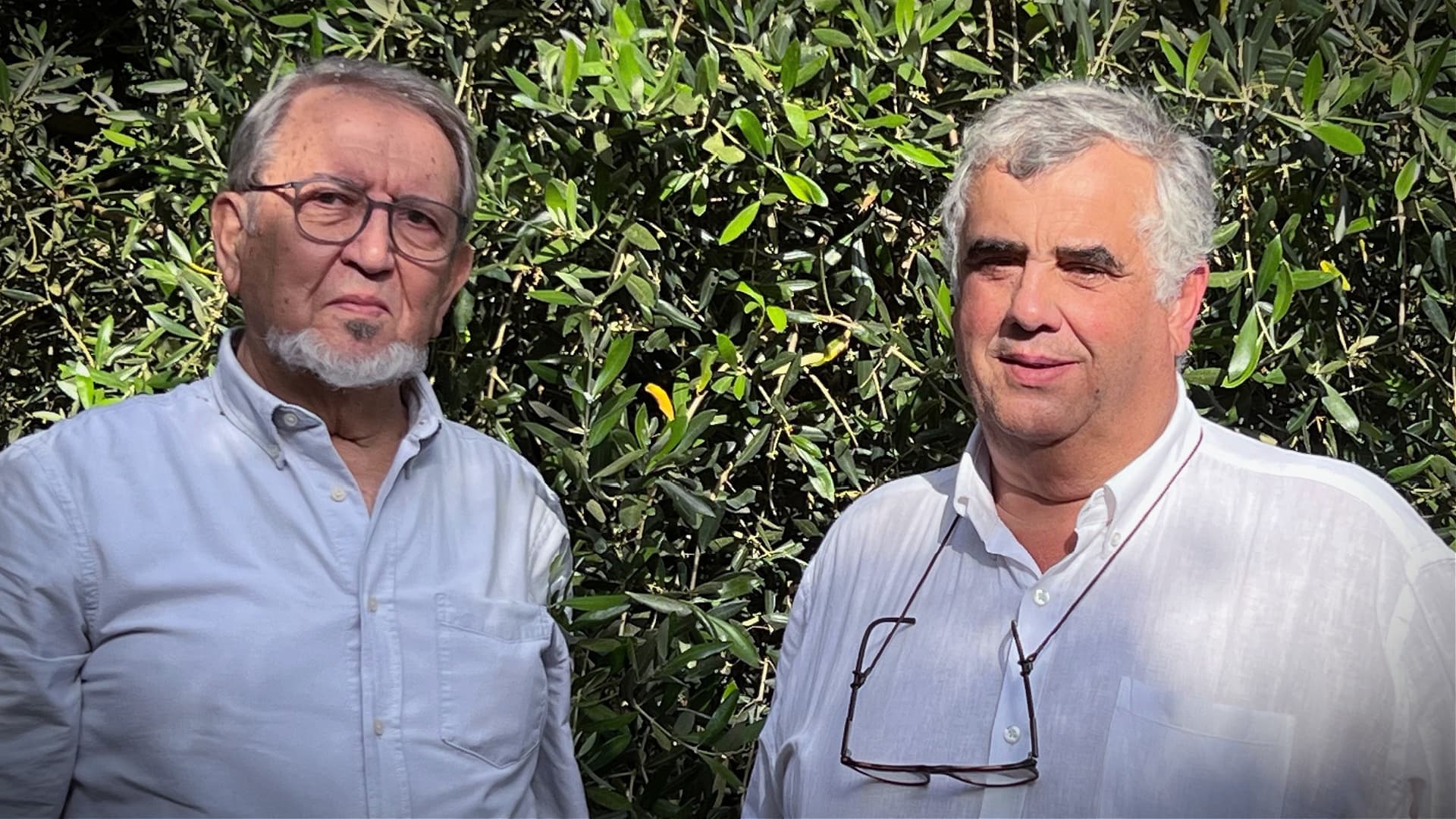
Francisco Lopes (left) with operations manager Nuno Paixão (Photo: Azeite 4C)
Azeite 4C won a Gold Award and a Silver Award at the 2025 NYIOOC World Olive Oil Competition from Frantoio and Cobrançosa olives, the main varieties cultivated on the farm.
“Each variety has its peculiar taste. That’s why we only commercialize monovarietal olive oils,” Lopes explained.
The previous harvest, which yielded the award-winning oils, was not an easy one in Azeite 4C’s corner of Portugal’s largest olive oil-producing region.
“In 2024, winter and spring were rather dry, while in the autumn we faced frequent rain,” Lopes said. “That greatly complicated the harvest, making it difficult to ensure high-quality olive oil production.”
However, the upcoming 2025/26 crop year appears promising. “This year, winter was mild but unusually rainy. The trees have recovered wonderfully, and the current blossoming is impressive and beautiful. We’re far from the end of the season, but it could be an excellent year,” Lopes said.
For its intensive orchards, the company adopted a drip irrigation system and follows an integrated production protocol.
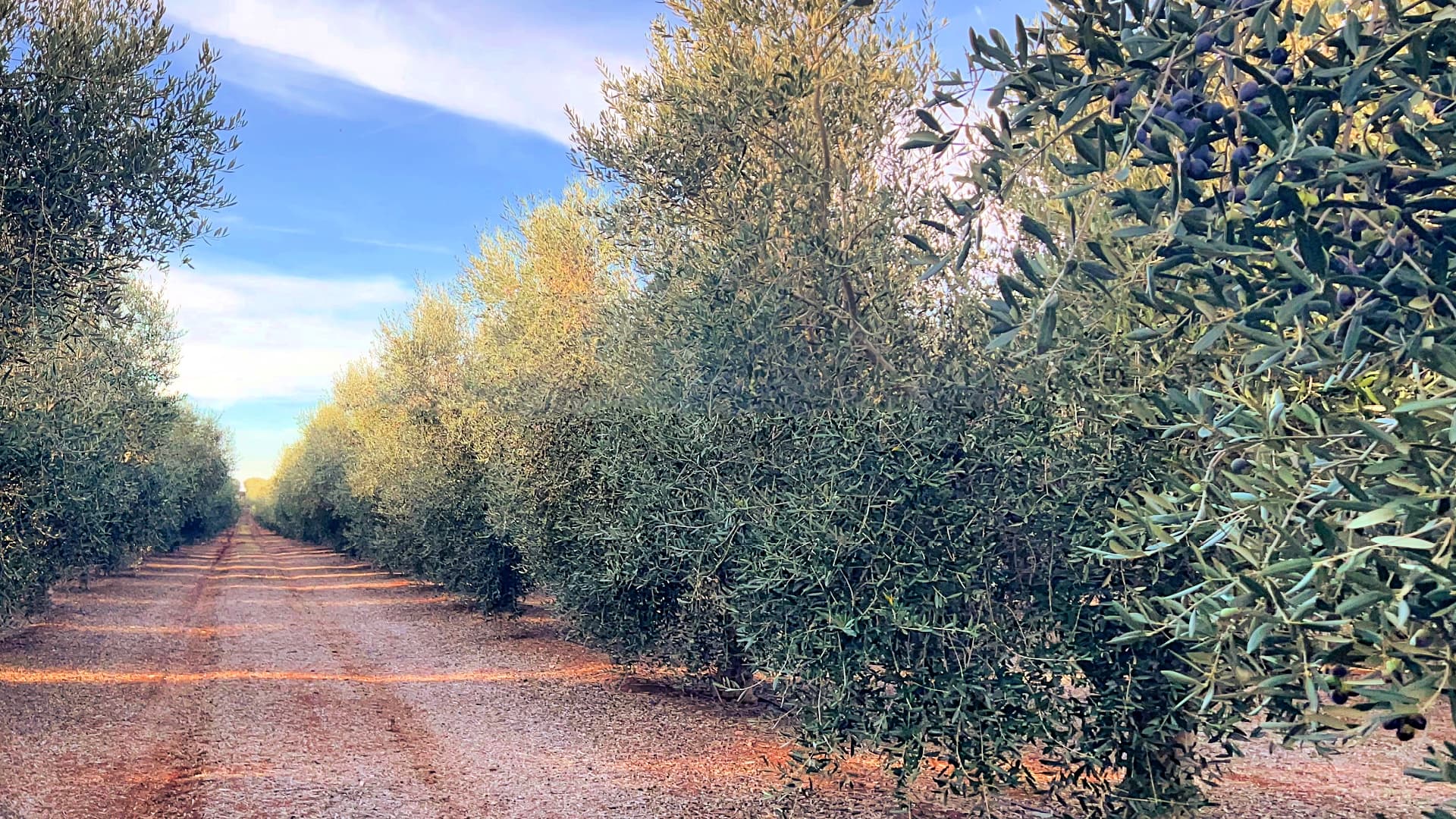
Azeite 4C won a Gold Award for its medium-intensity Frantoio monovarietal. (Photo: Azeite 4C)
“Thanks to this approach, we aim to produce sustainably, utilizing both biological and chemical control practices while prioritizing natural regulation mechanisms,” Lopes explained.
According to Lopes, crucial aspects of the farm’s activity include soil management techniques that maintain fertility while ensuring the health and productivity of the olive trees.
Proper fertilization, pruning, pest and disease control, and mechanical harvesting are well-established routines in the farm’s operations, all of which Lopes said require constant attention to the groves.
“It means being able to grow healthy olives, understanding the right time to harvest and acting quickly and precisely in processing. In a few words, be knowledgeable and have a strong desire to do things perfectly,” he said.
While Azeite 4C was founded in 2016, Lopes’ experience in olive oil production runs much deeper.
“My family operated a large traditional stone olive oil mill for over 50 years, equipped with hydraulic presses, olive pomace and sunflower extraction systems, and an olive oil refinery,” Lopes said.
“I studied chemical engineering and worked with my family for about four years. I decided to resume the family tradition ten years after my retirement, at the age of 74,” he added.
This significant experience highlights the vast differences between Lopes’ current award-winning extra virgin olive oil production and the traditional practices of the region’s past.
“There’s a world of difference. Olives were traditionally collected from the ground in December, January, or even later. They were overripe, full of worms,” he said. “At that time, olive oil was extracted several days after collection, once the olives had partially fermented. The resulting oil had little in common with today’s production.”
“Today, production is based on transporting healthy, freshly harvested olives to the mills for immediate processing,” he added. “Nowadays, the keys to quality lie in the health of the olives, the timing of processing, and the absolute cleanliness of the equipment.”
One of the significant challenges for producers in the region remains the lack of specialized labor.
“The lack of workforce is a huge issue. Currently, most of it comes from India, Nepal and Pakistan,” Lopes said. “Although mechanized, costs are very high. This is encouraging farmers to shift from intensive to super-intensive plantations.”
“Climate change complicates matters, especially for those without irrigation. We’re fortunate in that regard,” he added.
Encouraging signs for producers focused on quality come from the growing awareness among consumers.
“Things are moving now,” Lopes said. “That’s because olive oil production has become frequent news in Portugal, and the country is among the top producers in both quality and volume.”
While the farm sells a significant portion of its production through specialized shops in Portugal, its exports are primarily directed to France, Belgium, Poland and Hungary.
According to Lopes, the outlook for quality olive oil producers is promising, and new entrepreneurs and farmers may find opportunities in the sector.
“As a perfectionist, I would encourage anyone interested to first learn about olive culture and olive oil quality,” he said. “Be disciplined, observe the trees regularly, and act promptly with the services necessary to develop and protect the orchards.”
“Be humble and respect nature. Be passionate and place quality first,” he concluded.