East Asian Producers Show Award-Winning Quality on World Stage
Producers from China and Japan combined to earn ten awards at the 2024 World Olive Oil Competition.
Every year, producers from non-traditional olive-growing regions take advantage of the spotlight provided by international competitions to demonstrate that high-quality extra virgin olive oil is not solely the domain of the Mediterranean basin.
Farmers and millers from East Asia once again stepped into the spotlight, with producers from China and Japan combining to earn ten awards from 12 entries at the 2024 NYIOOC World Olive Oil Competition.
We are very proud of this result. Our goal is to combine olive oil with Japanese culinary traditions. We aim to continue spreading Japanese-style olive culture.
Two producers from central China combined to earn three awards from four at this year’s competition.
Among them was Olive Times, which earned a third consecutive Silver Award for its Whispering Flowers brand, a delicate Ezhi-8 monovarietal.
See Also: 2024 World Competition coverage“We are thrilled to win again,” said Jane Gong, founder of Olive Times. “Looking ahead, we hope to scale up and secure a Gold Award next year.”
Whispering Flowers is produced by Shanghai Olive Light Biotechnology for Olive Times, a community initiative to alleviate poverty in Lognan, a district in the central Chinese province of Gangsu.
“Olive trees were introduced to Longnan in 1975 to combat soil erosion but faced challenges due to low demand and insufficient branding and technological support, resulting in limited economic benefits for local farmers,” Gong said.
However, a renewed interest in olive oil health benefits in large cities revitalized the industry and spurred the Olive Times project.
The Olive Times project is expanding its olive milling facilities and diversifying its product range to meet the market’s needs.
“We are planning to develop new products based on olive oil. To achieve this, we need to increase our resources,” Gong said.
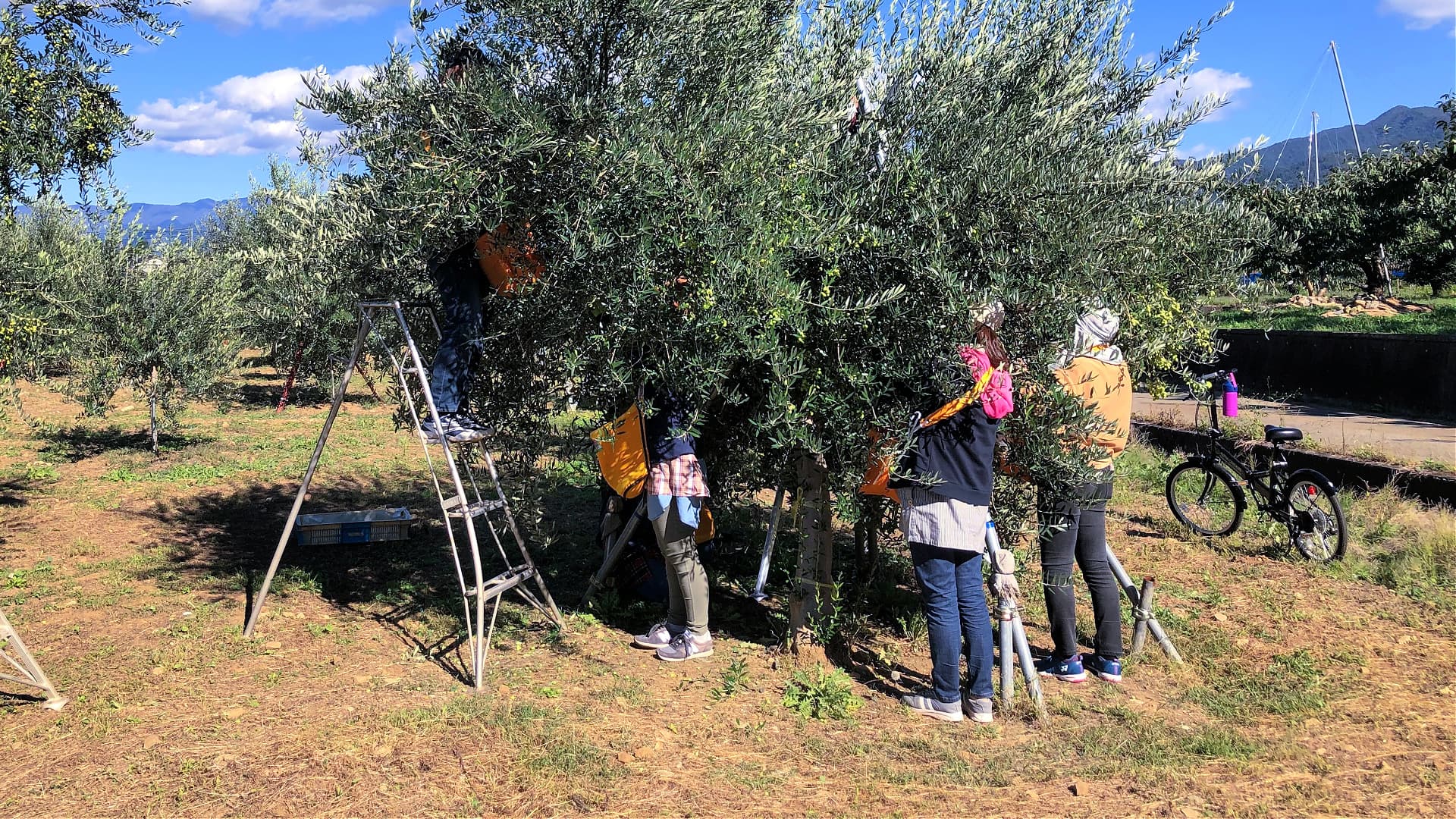
Maedaya Olive overcame extreme temperature swings to earn a Gold Award for a Mission monovarietal. (Photo: Maedaya Olive)
While the region has been spared significant weather impacts on olive oil production in the last two years, future challenges may arise from market conditions.
“One of the difficulties we face is the rising price of olive oil, which could affect overall demand,” Gong said.
This season’s successes for Chinese producers also included a Gold and Silver Award for Mianning Peaktop Agriculture Technology in Liangshan, Sichuan, which borders Gansu province to the south.
Peaktop is the brainchild of its chairman, Lin Chunfu, who has been planting Arbequina, Koroneiki and Arbosana olive trees since 2011.
Chunfu’s estate expanded olive production in the following years and now manages nearly 2,000 hectares of olive trees, making the company China’s largest olive oil producer.
While the three Mediterranean olive tree cultivars remain the focus of its production, the company is also experimenting with 21 other varieties.
Peaktop earned the Gold Award for its Mutual Beauty brand, an organic medium-intensity Koroneiki, and a Silver Award for its Aiolio brand, another organic medium Koroneiki.
On the other side of the East China Sea, farmers and millers in Japan combined to earn seven awards from eight entries at the World Competition.
The Japanese winners came from across the country and included long-time NYIOOC participants and a few producers celebrating debut victories.
See Also: The best extra virgin olive oils from JapanIn its NYIOOC debut, Harvest Farm won a Gold Award for its Virgin Valley brand, a blend of Italian-origin cultivars including Frantoio, Pendolino, Leccino and Taggiasca.
This world-class olive oil comes from a sustainable project initially conceived to revitalize a neglected area.
“Eight years ago, we worked hard to reclaim abandoned farmland that had reverted to forest and convert it into an olive grove,” said Yoshinori Shikamoto, the company’s founder.
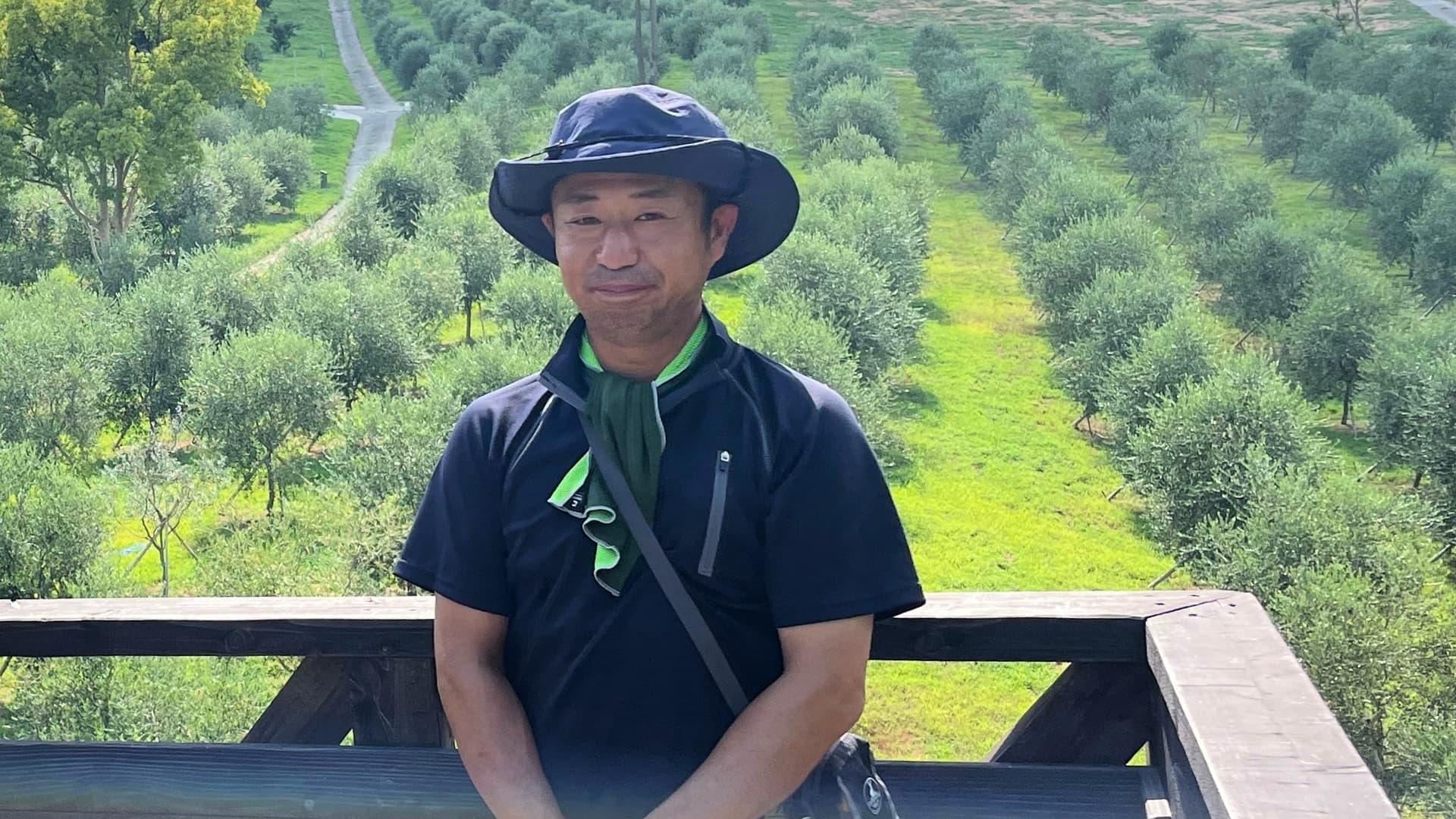
Harvest Farm founder Yoshinori Shikamoto celebrated a debut award at the World Competition for a blend made from Italian varieties. (Photo: Harvest Farm)
“We are very pleased to receive such a prestigious award,” he added. “This recognition encourages us to continue producing high-quality olive oil.”
Harvest Farm cultivates 17,000 Frantoio, Leccino, Pendolino and Taggiasca olive trees on Awaji Island, near Osaka in central Japan.
The 2023/24 crop year yielded a fruitful harvest. “We have high hopes for the new season as well, as the flowering is abundant,” Shikamoto said.
“To minimize the use of pesticides, we undertake significant efforts, such as thoroughly mowing the grass to reduce pest opportunities,” he added.
One of the most labor-intensive tasks on the farm is combating the olive anoplophora beetle.
“It is a native insect here in Japan. Its larvae can damage the trunks of the olive trees,” Shikamoto said. “It is a challenging task to identify and remove all of them from the trees. If we don’t, the trees could wither. Therefore, every tree is inspected, and any traces of larvae are removed.”
Not far from Awaji, on the Ushimado coast, Nippon Olive Company triumphed once again at the NYIOOC, winning two Gold Awards for its Ushimado and Ushimado Superior brands.
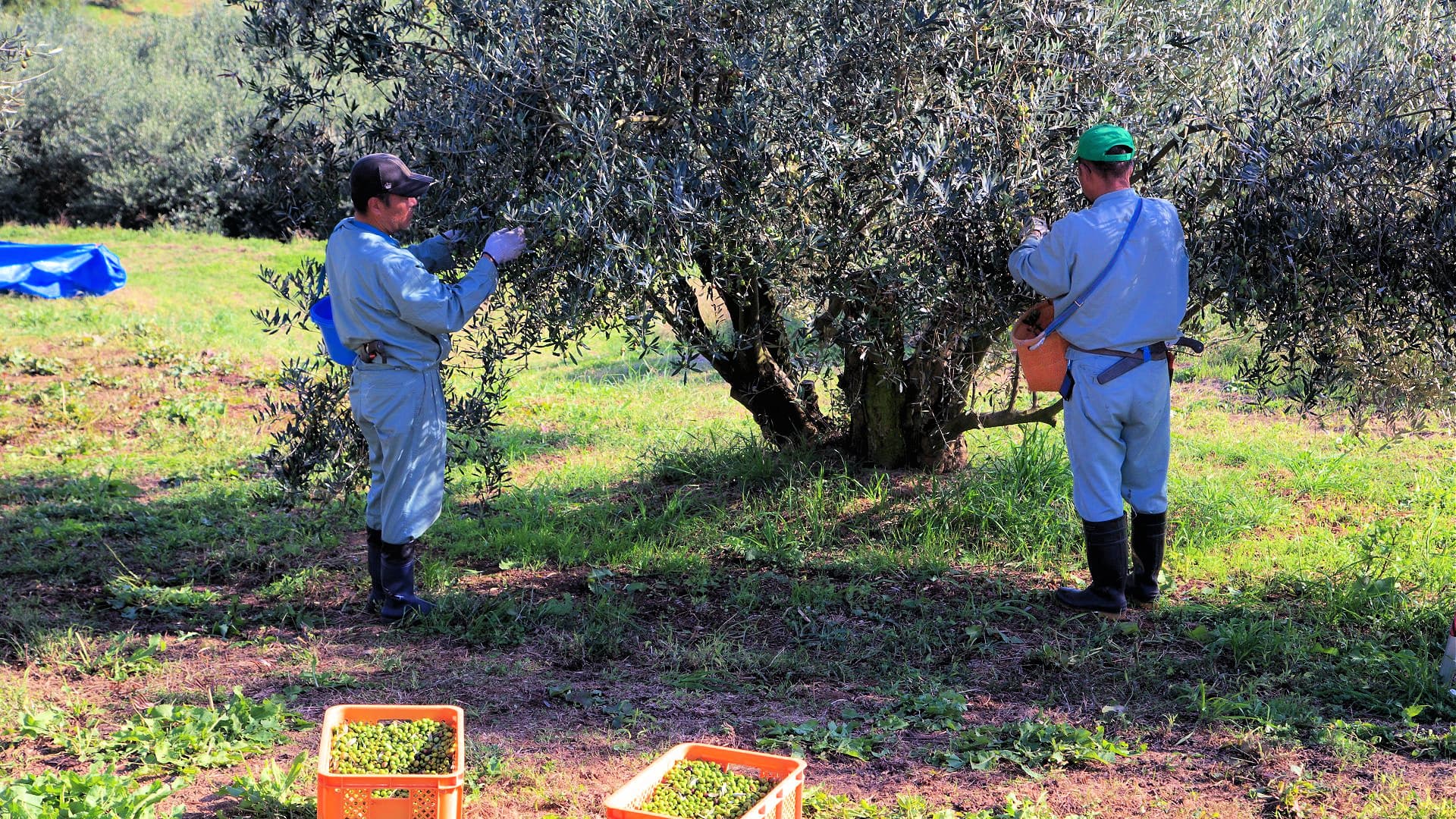
Nippon Olive Company does well from Ushimado’s Mediterranean climate to establish a legacy of success at the NYIOOC. (Photo: Nippon Olive Company)
“Locals compare our region to the Aegean Sea, a tribute to a climate that closely resembles the Mediterranean,” said Yasuhiro Yoshida, the company’s production director.
Nippon Olive Company sources its olive oils from Tortosa, Spain, and its ten-hectare olive tree groves in Ushimado Gardens.
Its nurseries supply olive trees to farmers and private citizens in Japan. The two award-winning olive oils are blends of Spanish cultivars, including Lucca, Mission, Nevadillo Blanco, Manzanillo, and Arbequina.
Since 2019, Nippon Olive Company has earned ten awards at the World Competition, nine of which were Gold Awards.
Further south, Mineo Nouen Itonamisha in Etajima, Hiroshima prefecture, won a Gold Award and Silver Award for its Etajima Strong brand, a blend with distinctive green tea notes, and its Lucca monovarietal.
“We are very proud of this result. Our goal is to combine olive oil with Japanese culinary traditions,” said Ryhoei Mineo, the company’s chief executive. “We aim to continue spreading Japanese-style olive culture.”
Almost 600 kilometers away, situated in the shadow of Mt. Fuji, Crea Farm celebrated winning a Gold Award for its Coratina monovarietal, the company’s fifth World Competition award since 2019.
“Winning an award at the NYIOOC is a testament to the hard work put in throughout the season. We take pride in being evaluated for quality at this stage,” said Yasuko Nishimura, the company’s chief executive.
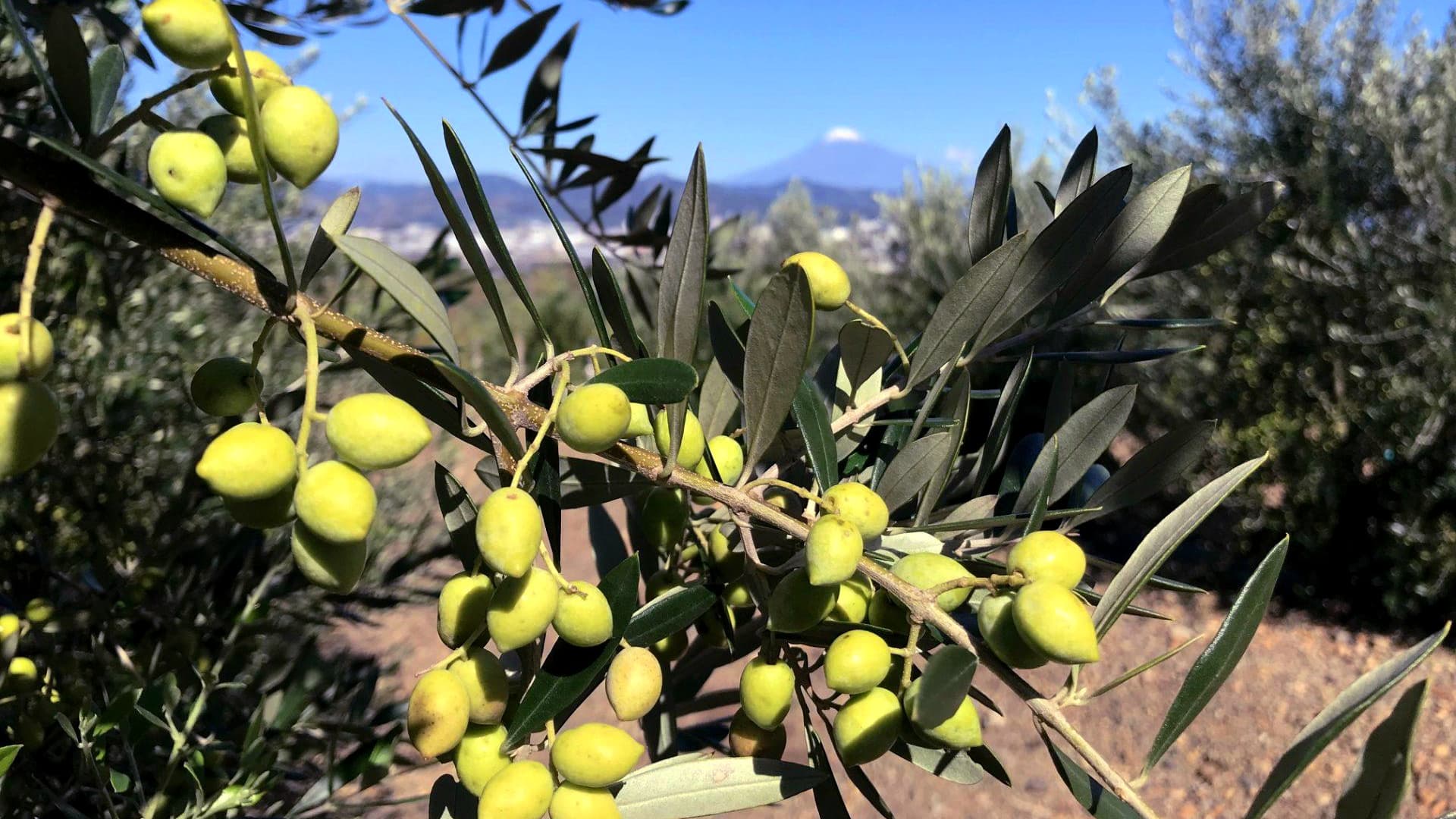
As production expands, the challenge for Crea Farm is to continue maintaining high quality standards. (Photo: Crea Farm)
As the company’s olive groves have matured, the amount of olives they yield has expanded. In the 2023/24 crop year, the company harvested 300 tons of olives, which Nishimura said brings opportunities and challenges.
“We conduct 100 percent screening in the segregation process, and we press the olives within 24 hours of harvest, but we consider streamlining the process challenging,” she said.
Not far from Crea Farm, in Yamanashi prefecture, Fuefuki Maedaya Olive made its debut at the NYIOOC and won a Gold Award.
“We are thrilled by this win,” said founder Keisuke Maeda. “By participating in the NYIOOC, we wanted the best olive oil tasters in the world to evaluate our product. We needed their assessment to understand the quality we have achieved.”
Olive growing is a recent development in the region, and the company is exploring the best methods to counter the challenging climate.
In the coming years, more olive tree cultivars will be planted, and Maeda hopes to expand the culture of award-winning olive oil production.