Project Showcases the Potential of Chinese Olive Oil Sector
A cooperative in Longnan aims to foster China’s olive oil culture and build value for local growers.
A young project aspiring to produce high-quality extra virgin olive oil in central China won a Silver Award at the 2023 NYIOOC World Olive Oil Competition for the second straight year.
Whispering Flowers olive oil is an Ezhi-8 monovarietal produced by the Shangai Olive Light Biotechnology company under the Olive Times brand.
We expect to reach the 10,000-ton threshold in the next few years. When considering these figures, one has to consider that in Longnan, we only produce extra virgin olive oil.
It is a delicate extra virgin olive oil made from olives grown around Longnan in the central Gansu province.
“In Longnan, olive trees have been cultivated since the 1970s, which means that many of them are half a century old,” Jane Gong, founder of the project, told Olive Oil Times.
See Also: Producer Profiles“Earning a living with olive farming has not been easy for thousands of farmers and olive growers,” she added. “Many of them over the years left the fields to look for more rewarding working conditions in the country’s big cities.”
Olive Times is the engine of a broader olive-based initiative launched in 2018 by its parent company, aiming to improve the local community’s economic and social conditions.
“We came here as a company introducing innovation and sustainability, modern farming techniques and olive oil quality production aiming at involving farmers and giving value to their work,” Gong said.
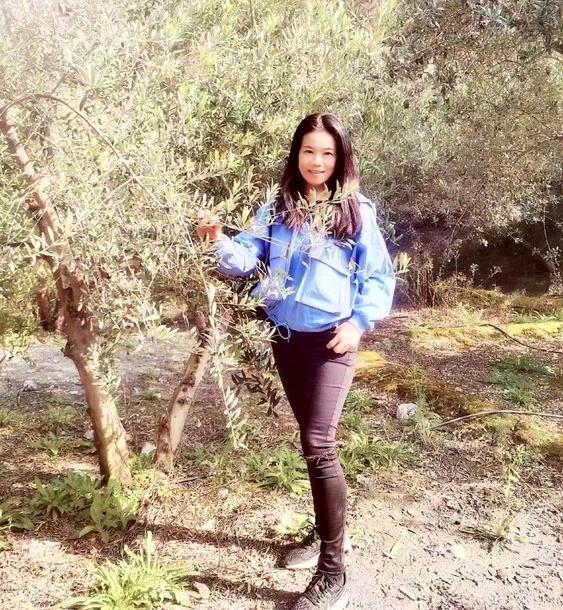
Jane Gong
“Since the beginning, the idea was to set up a business that did not look for profit but aimed at improving the conditions of farmers,” she added.
As a result, Olive Times was certified in 2022 by B-Corp, an organization devoted to evaluating companies working to improve the socioeconomic conditions of local communities.
Among its priorities, the company listed the need to train growers to ensure correct pruning and spread environmentally friendly agricultural techniques. “One of the relevant challenges we still face is the lack of workforce,” Gong said.
“We aim at promoting high-quality extra virgin olive oil to give a hand to the local community,” she added. “That is our first priority. It is also why we entered the NYIOOC: to help them. That is the reason we are so happy for the award.”
Gong said many local olive growers are involved in the project, and she hopes more will join as olive oil culture spreads.
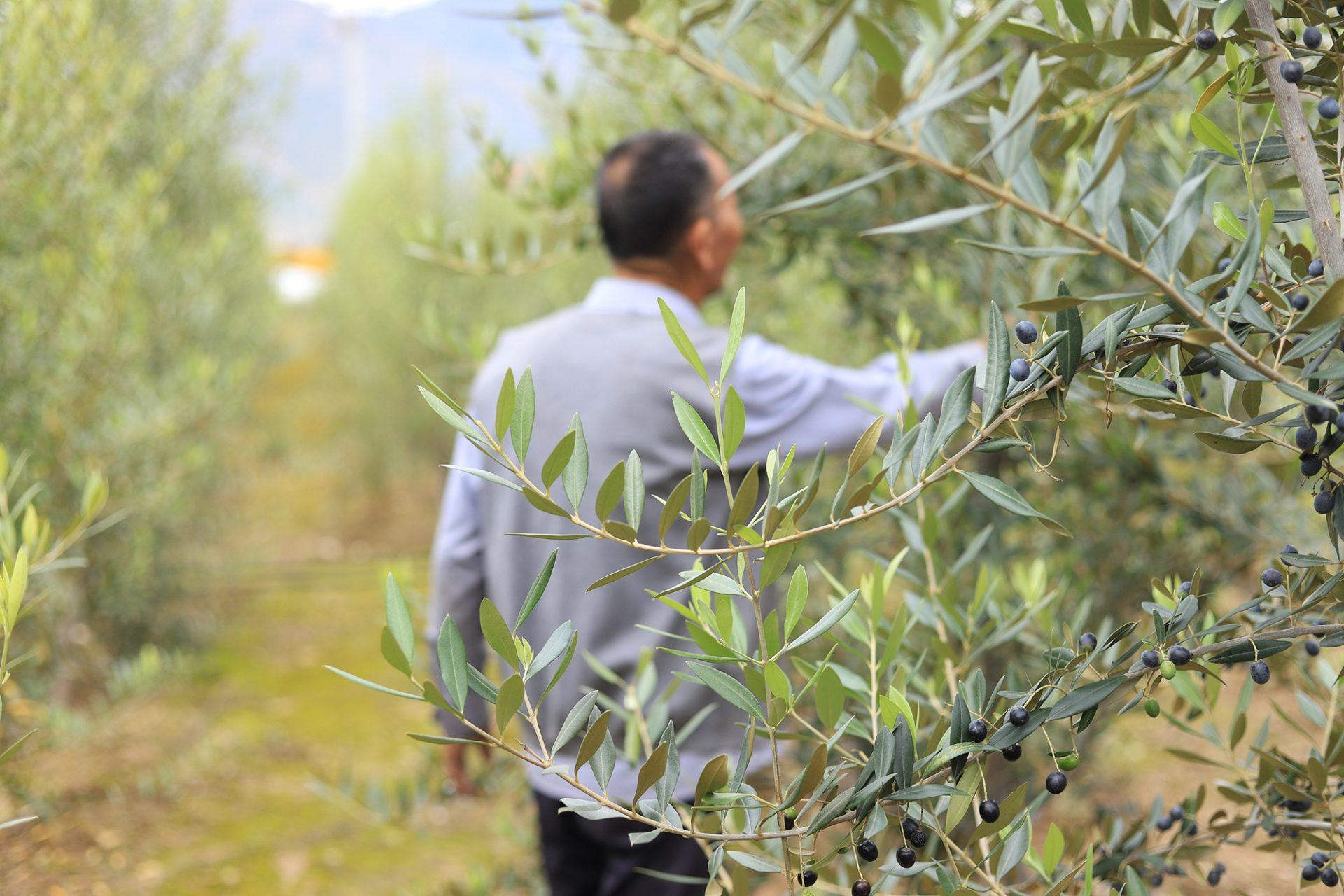
Harvesting olives in Lognan, China
“Today, olive oil plays only a small part in the kitchen or the restaurants, and it is often considered too expensive,” she said.
“Knowledge about olive oil is still lacking, as most consumers do not know the differences between the different grades of olive oil,” Gong added.
“Things are changing, though,” she continued. “We can see how younger people, often residents in large cities, are more and more interested in health. They are now discovering the many health benefits of olive oil consumption.”
In the Gansu province, olive groves cover more than 41,500 hectares, representing 60 percent of all groves in China.
“There are projects to expand the current surface further, and in the next three years, we foresee that it will reach 66,667 hectares,” Gong added.
According to Olive Times, the average annual olive yield in Gangsu province is about 38,000 tons, transforming into 5,700 tons of extra virgin olive oil each year.
These figures make Gansu province one of China’s significant olive oil-producing regions. According to the International Olive Council, olive oil yields in China grew from 5,500 tons in the 2018/19 crop year to 8,500 tons estimated for the current season.
“We expect to reach the 10,000-ton threshold in the next few years,” Gong said. “When considering these figures, one has to consider that in Longnan, we only produce extra virgin olive oil. We do not produce lower grades of olive oil.”
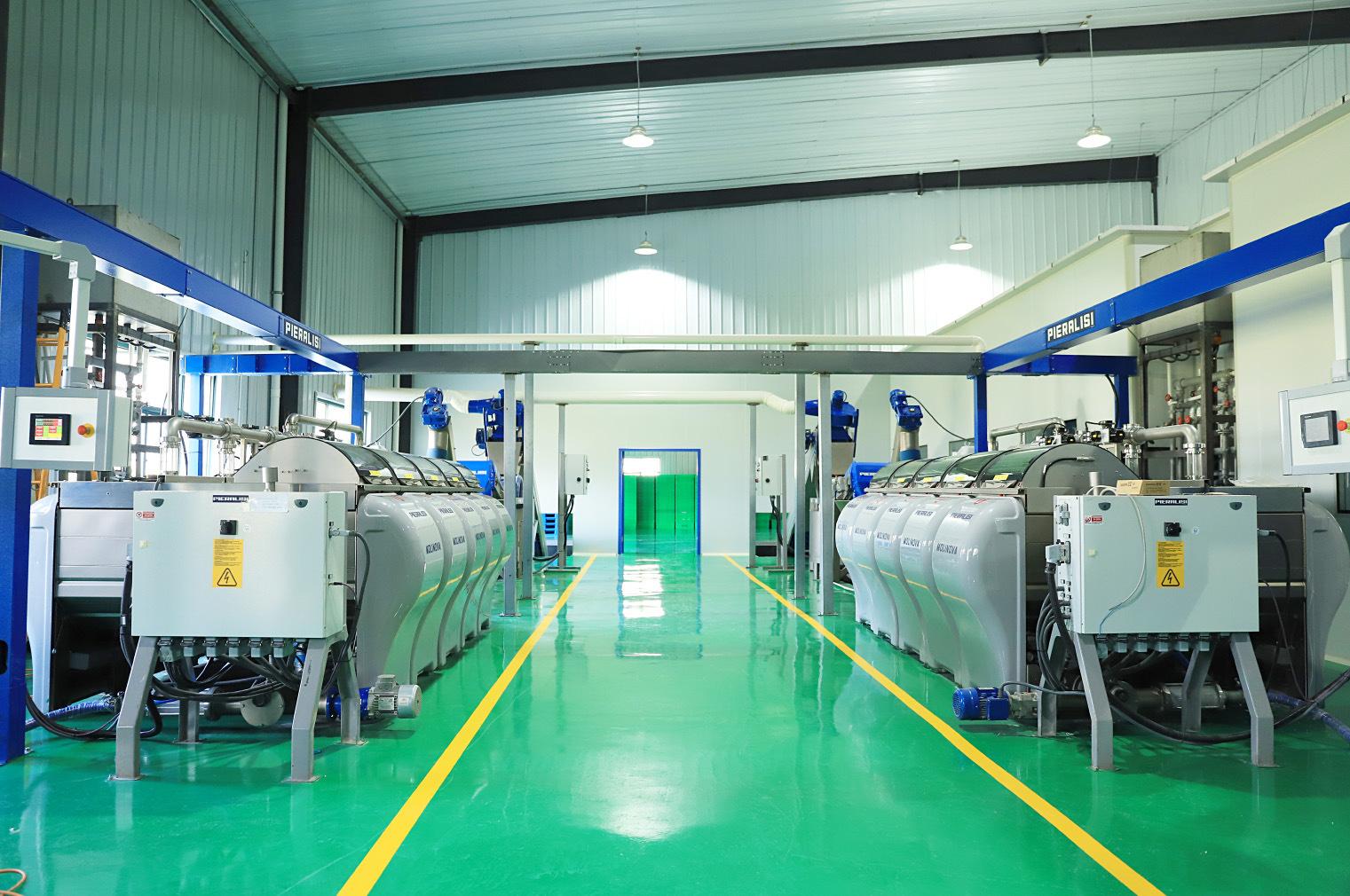
Gong expects Chinese olive oil production to exceed 10,000 tons in the near term.
According to the company, the high quality of the product suggests the vast potential for the area. The company depends on its modern mill, which processes olives within a few hours of the harvest.
“Olives are always transformed within a maximum of 24 hours from harvest,” Gong said. “Additionally, we are in continuous contact with the millers to set specific parameters to obtain the highest quality from each batch.”
Since 2019, Chinese institutions and IOC have launched a series of joint projects to support the development of the local olive industry. “IOC experts told us that because of its climate and soil, Longnan is the ideal cradle for the olive tree,” Gong said.
She cited the similar latitude of the region to the Mediterranean basin, adequate sunshine, a high level of organic nutrients in the soil and the benefits of irrigation from the Bailong River as reasons why olives thrive in Lognan.
The Olive Times founder noted how these characteristics match the preferences of Chinese consumers. “Today, most olive oil consumed in China comes from abroad,” Gong said. “As they learn that olive oil is good for health, they often use it only on cold servings, such as a salad.”
“We are very active in spreading the word about olive oil quality and the quality of Chinese olive oil,” she added. “We use several different means, some of which are very popular such as TikTok. Between October and November, we also have consumers coming over and see the trees and taste the new olive oil.”
“It is not just conveying the healthy qualities of the product; it is also showing people how to use it,” Gong concluded. “We are convinced that the Chinese market represents a significant opportunity for the olive sector, as olive oil consumption is destined for huge growth.”