Rome’s Olive Oil Production on Public Farm Supports Community, Sustainability
The city’s organic production provides community support through donations and funds to maintain a public farm in Lazio.
The city of Rome produces extra virgin olive oil from 1,500 century-old olive trees nestled in Tenuta di Castel di Guido, Europe’s largest public farm with 2,000 hectares.
The organic blend, made from typical local varieties, Frantoio, Pendolino and Leccino, was unveiled to the public during the first olive oil festival held at the estate on December 15th.
It was also the occasion to celebrate the recently received Olio di Roma PGI certification.
See Also: In Molise, Olive Tree Adoption Supports Health ResearchThe extra virgin olive oil is partly used for solidarity projects, while the rest is sold. Revenue from sales is reinvested in the management and maintenance of the farm.
“The olive harvest at Tenuta di Castel di Guido is of great significance for Rome, as it is a rare example of a city having its own production of extra virgin olive oil,” Sabrina Alfonsí, Rome’s councilor for agriculture, told Olive Oil Times.
“The value of this product lies, on one hand, in its high quality and, on the other, in its being a tool to implement inclusion and environment projects,” she added.
Under an annually renewed agreement, Rome has long produced olive oil at the Castel di Guido estate, owned by the Lazio region. However, the city authority recently signed a new deal with the regional council and obtained the long-term management of the farm.
The city council said in a statement that the multi-year direct administration of the property will allow for better organization of activities, opening the possibility of redevelopment, including building an olive mill.
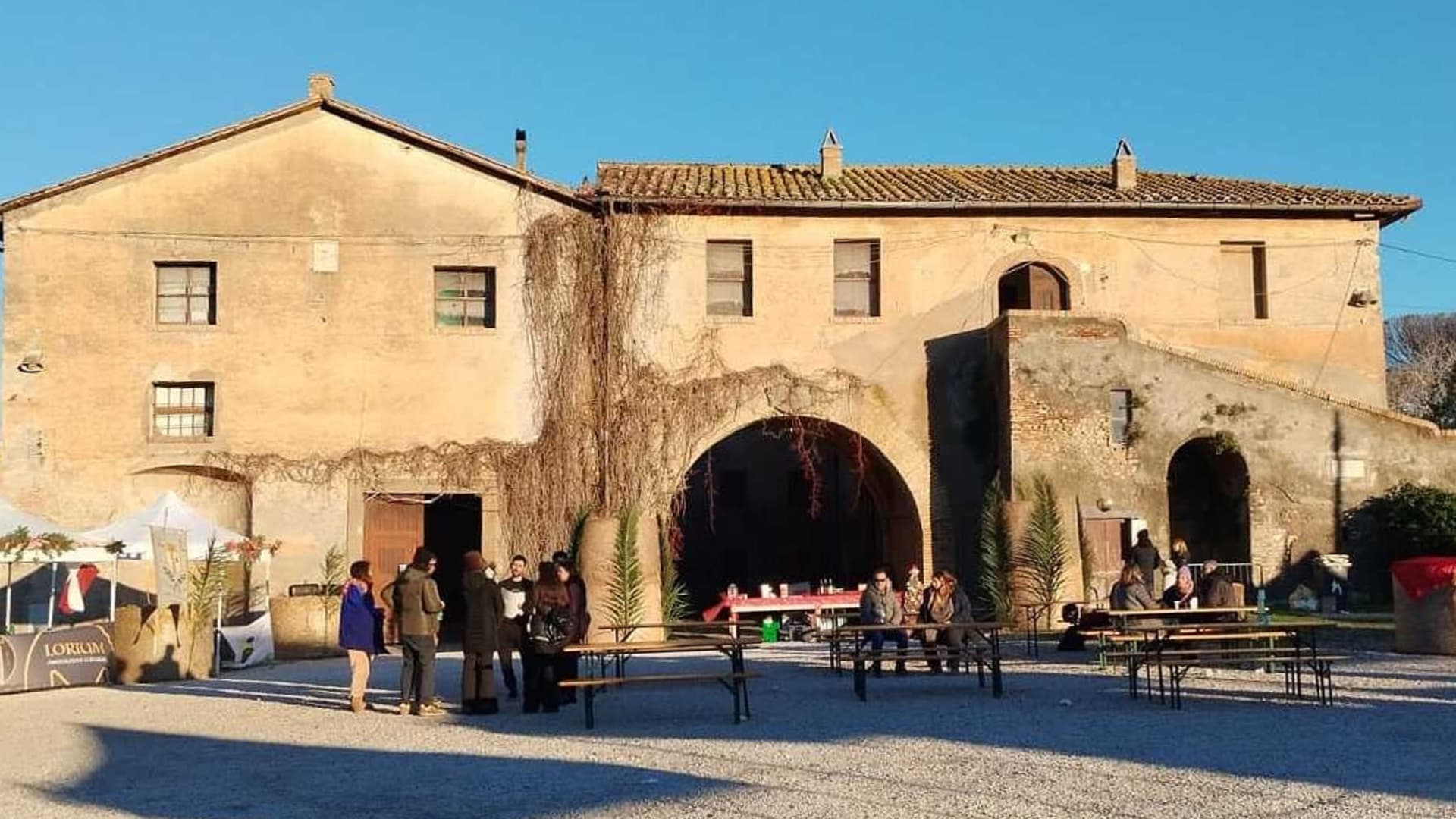
The farmhouse with the rural heritage museum at the Tenuta di Castel di Guido in Rome (Photo: city of Rome Department of Agriculture)
Several new projects are already being worked on. Renewable energy sources will soon power the farm, and a recycling and composting system will be applied to reduce waste to zero.
Besides olive oil, Tenuta di Castel di Guido produces organic fruit, vegetables, cereals and milk. It is used for cattle breeding, and its grazing area is home to the largest herd of Maremma cows in Lazio. The estate comprises a variety of ecosystems, including woods and Mediterranean scrub.
The origins of the estate date back to Roman times, when the area was already dedicated to agricultural activities. Over the centuries, the estate has passed under the control of various owners, including the Catholic church and the national government.
The 30-hectare olive orchard adjoins a farmhouse hosting a small rural heritage museum. The structure, built in the early 1940s, previously served very different purposes; it has been used as a bunkhouse for prisoners and interned civilians during the fascist regime when the farm was transformed into a labor camp.
Nowadays, all the buildings on the estate host educational activities and initiatives by non-profit associations and organizations. Among these is LIPU, the Italian League for Bird Protection, which oversees 250 hectares.
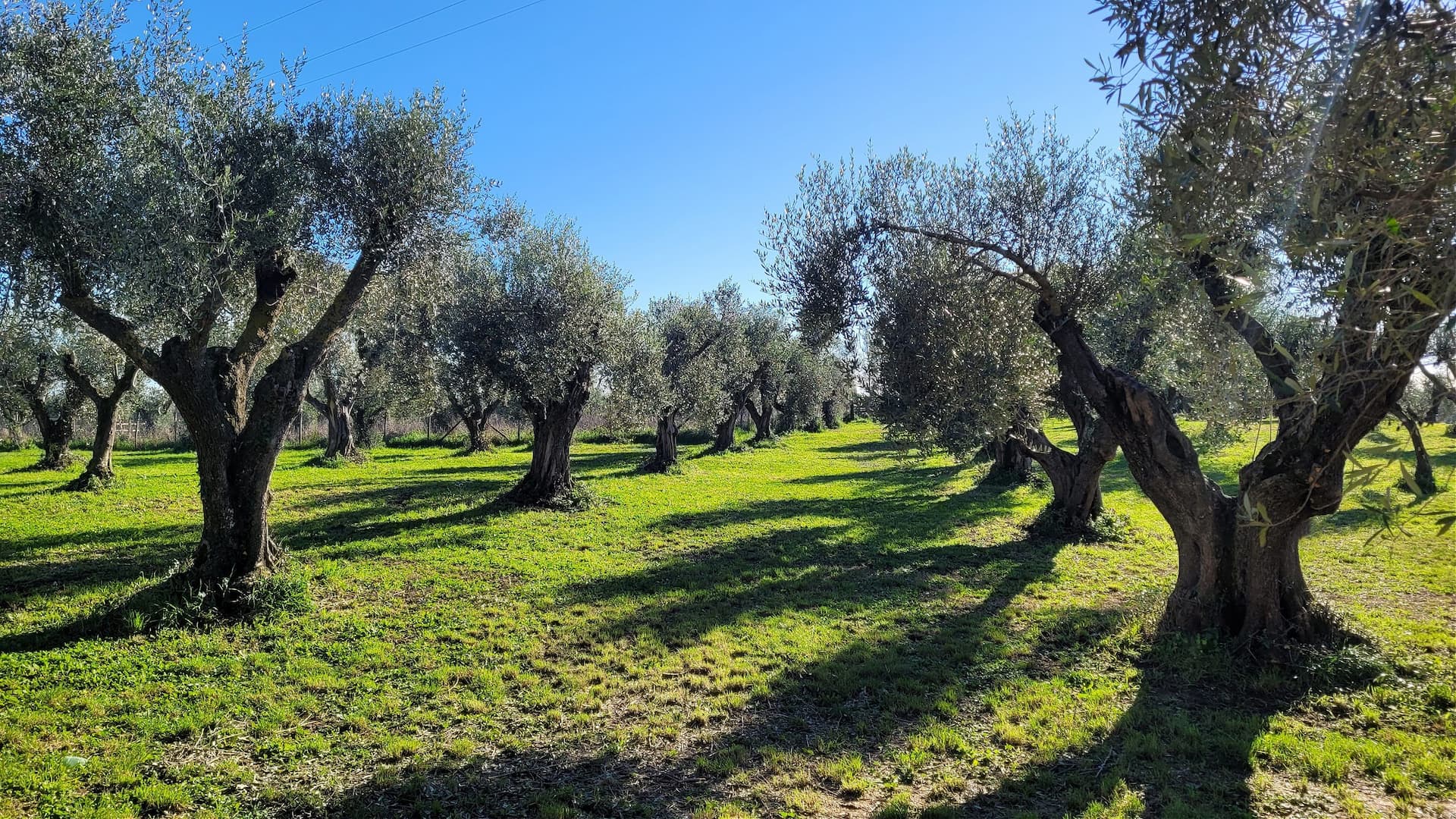
The century-old olive grove in Tenuta di Castel di Guido in Rome (Photo: Ylenia Granitto)
Home to numerous flora and fauna species, Tenuta di Castel di Guido, is part of Natura 2000, a network of protected areas created by the European Union to conserve the most valuable and threatened species and habitats.
Due to this status, the area is subject to strict regulations to protect its biodiversity. However, visitors can freely visit the estate and participate in guided tours.
“Agriculture in Rome means participation, community growth, solidarity and sustainability,” Alfonsi said. “This is a reality in various areas of the city, like in the Nuova Tor Vergata and Torre Spaccata neighborhoods, where citizens’ associations take care of the olive trees in public parks and distribute the oil obtained to people in need.”
“Quality organic agriculture contributes significantly to protecting the environment, the soil and the landscape,” she added. “Furthermore, the Olio di Roma PGI certification obtained demonstrates that the products of our territory can be recognized as excellences, being a driving force for economic and tourist development.”