The Challenges and Triumphs of Taking Over an Olive Farm in California
Since purchasing Pitchouline and rebranding as Pura Grove, Tim Bui has continued the Southern California producer’s legacy of quality.
The name has changed, but the mission for the award-winning producers behind Southern California’s Pura Grove remains the same: crafting high-quality organic extra virgin olive oil.
The brand, formerly known as Pitchouline, earned a Silver Award at the 2023 NYIOOC World Olive Oil Competition for its medium-intensity organic blend.
“Fabien [Tremoulet, the former owner] always entered the competition, so I entered to continue his tradition,” Tim Bui told Olive Oil Times.
Bui, who also runs a personal care and supplement business, bought the farm from the Tremoulets in 2021.
See Also: Producer Profiles“I saw the opportunity to buy 50 hectares of land that Fabien was already growing olives and producing oil on, and it was a great opportunity to get into the olive business,” he said. “I checked out the land and fell in love with it even though I didn’t know much about agriculture.”
Bui is now working to incorporate Pura Grove into his larger company, Pura d’Or, which sells organic supplements and personal care products for skin and hair.

Bui in Venice
“A lot of our personal care products use oils. Some of the oils that we’ve been using are argan oil, castor oil, rose seed oil, sweet almond oil, apricot oil and olive oil,” he said.
While olive oil has been used for hair, beauty and skincare purposes for millennia, Bui said a consistent problem he faced at Pura d’Or was knowing the provenance and milling methods of the bulk olive oil he imported from Europe.
Media reports suggesting a significant share of imported extra virgin olive oils to the United States were mislabeled further fueled Bui’s suspicion and led him to get into the business himself.
“This way, we have more vertical integration at Pura d’Or,” he said. “I want high-quality olive oil. The only way to ensure that is to have full control of the farm.”
Bui now uses roughly 10 percent of his production in his skin and hair care products, while he bottles and sells the remaining 90 percent under the Pura Grove brand.
He attributed this initial success at the NYIOOC, the world’s largest olive oil quality contest, to the help provided by Tremoulet during the transition.
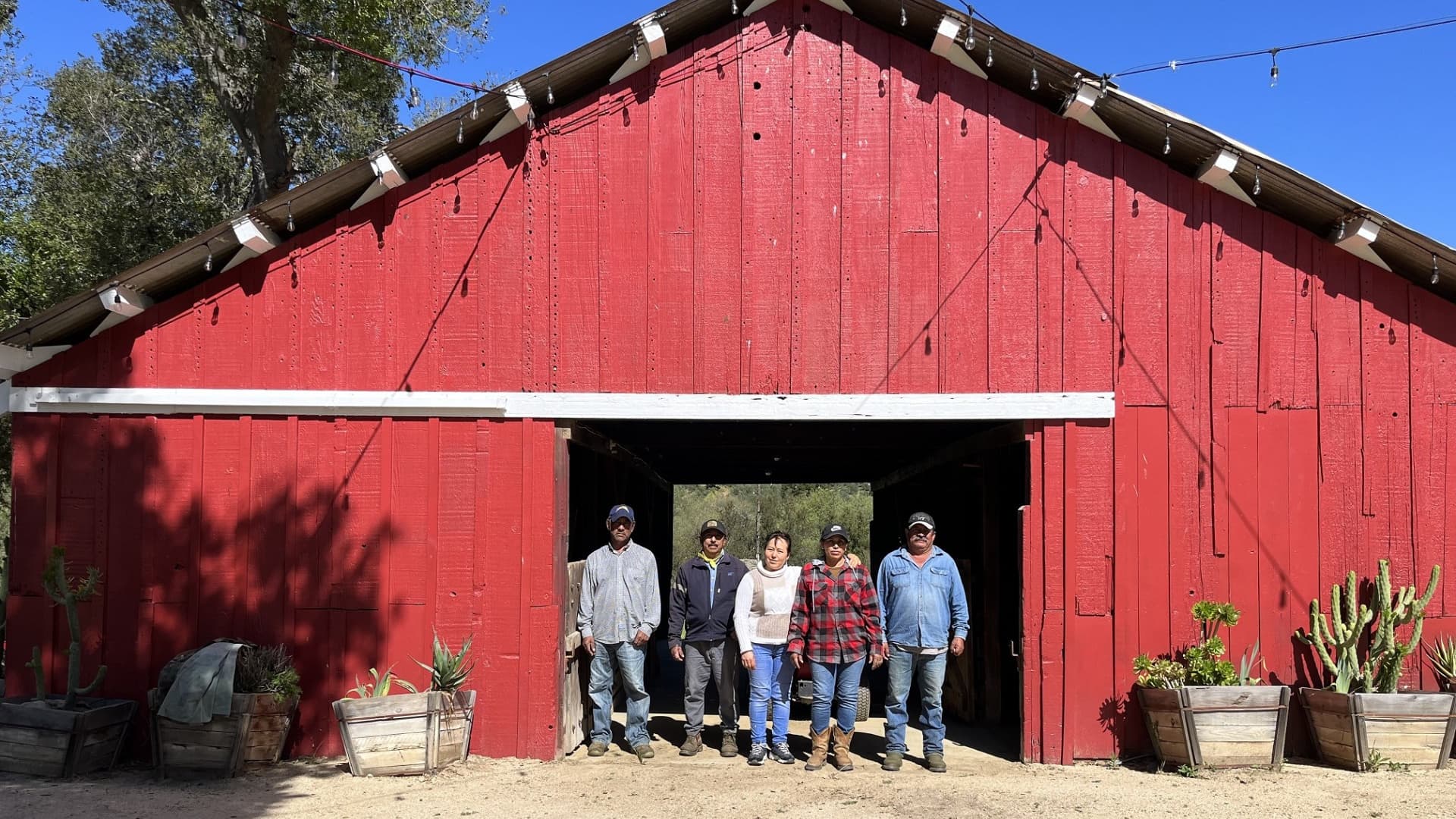
Bui doubled the size of the workforce, hiring four new workers when he bought the farm in 2021.
However, Bui also hired additional farm workers and a consultant to help him learn more about olive farming and oil production. Still, he said olive farming is not easy and continues to face a steep learning curve.
“We’re not making any money yet from the farm,” he confirmed. “Last year (2021/22), we didn’t get any harvest at all.”
“Farming, in general, is a lot of hard work,” Bui added. “It’s a lot of manual labor that you have to put into the process just get one bottle of oil.”
He believes olive farming in California is especially difficult due to the higher production costs than those faced in Europe, especially Spain.
“I think olive oil production, in general, is very challenging in all of California,” he said. “We’re facing stiff competition from overseas.”
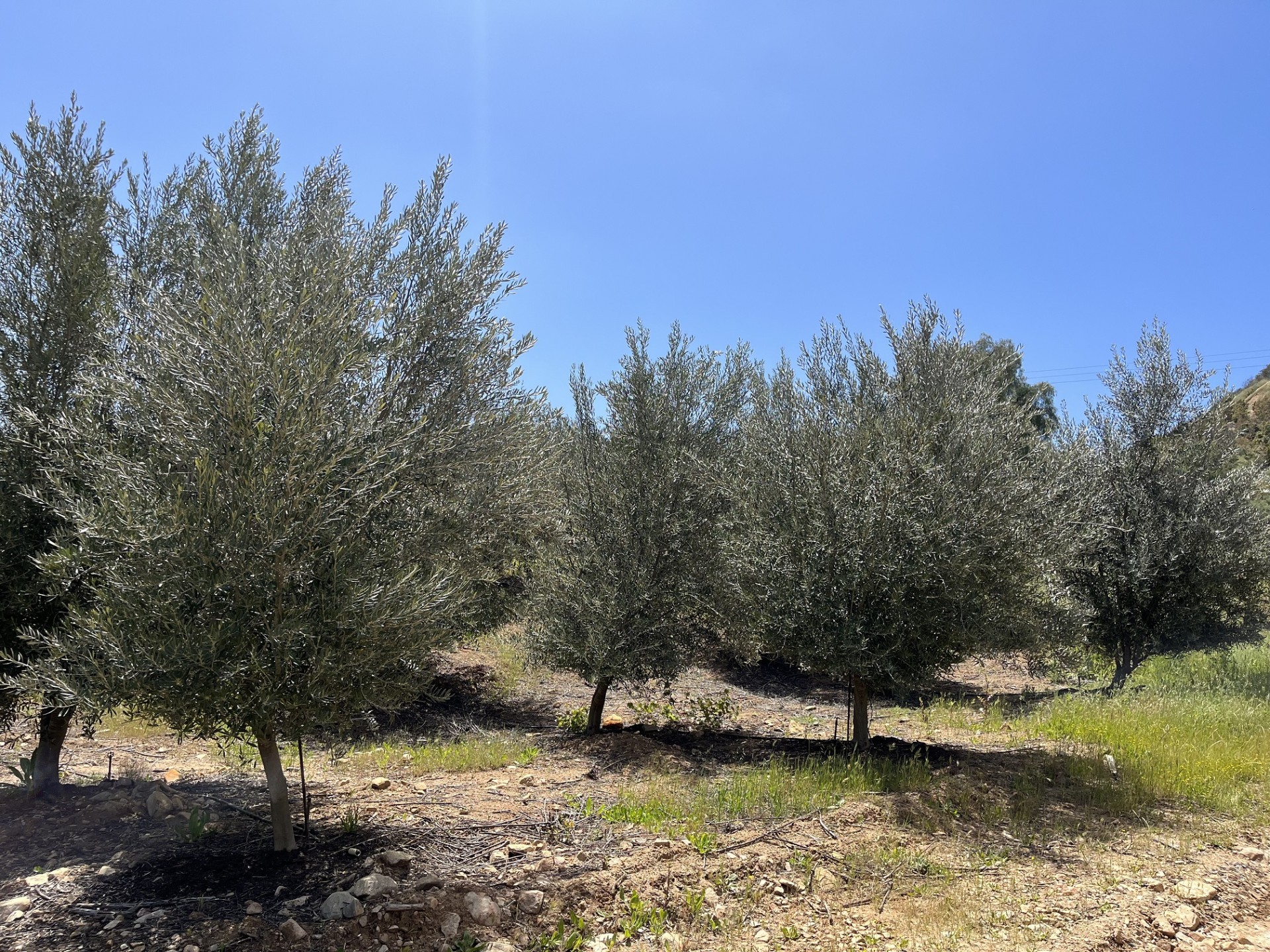
Pura Grove currently has 9,000 trees of 10 different varieties.
Bui sells Pura Grove for $29 (€26) per bottle, which he said cannot compete with imported extra virgin olive oil that sells for as low as $5 (€4.5) in the supermarket.
He believes consumer education is the best way to promote California’s extra virgin olive oil, but government policy should also be enacted to put U.S. producers on a level playing field.
“If I were just to stop growing, cut all my olive trees down and import olive oil from Europe, I would make a profit,” he said. “It’s that much cheaper to buy it than to grow olives, produce olive oil and sell it.”
However, after a rocky first few years – albeit one that ended with a Silver Award – things are coming together, and Bui’s prospects for the 2024 harvest are looking up.
When he first bought the farm, which sits amid the De Luz hills between San Diego and Los Angeles, there were 9,000 olive trees of 10 different varieties, many of which had not entered full maturity yet.
Bui planted 1,000 more olive trees and some avocado trees since 2021. He expects production to increase in the next half-decade as many olive trees mature and bear more fruit. He also plans to sell avocado oil.
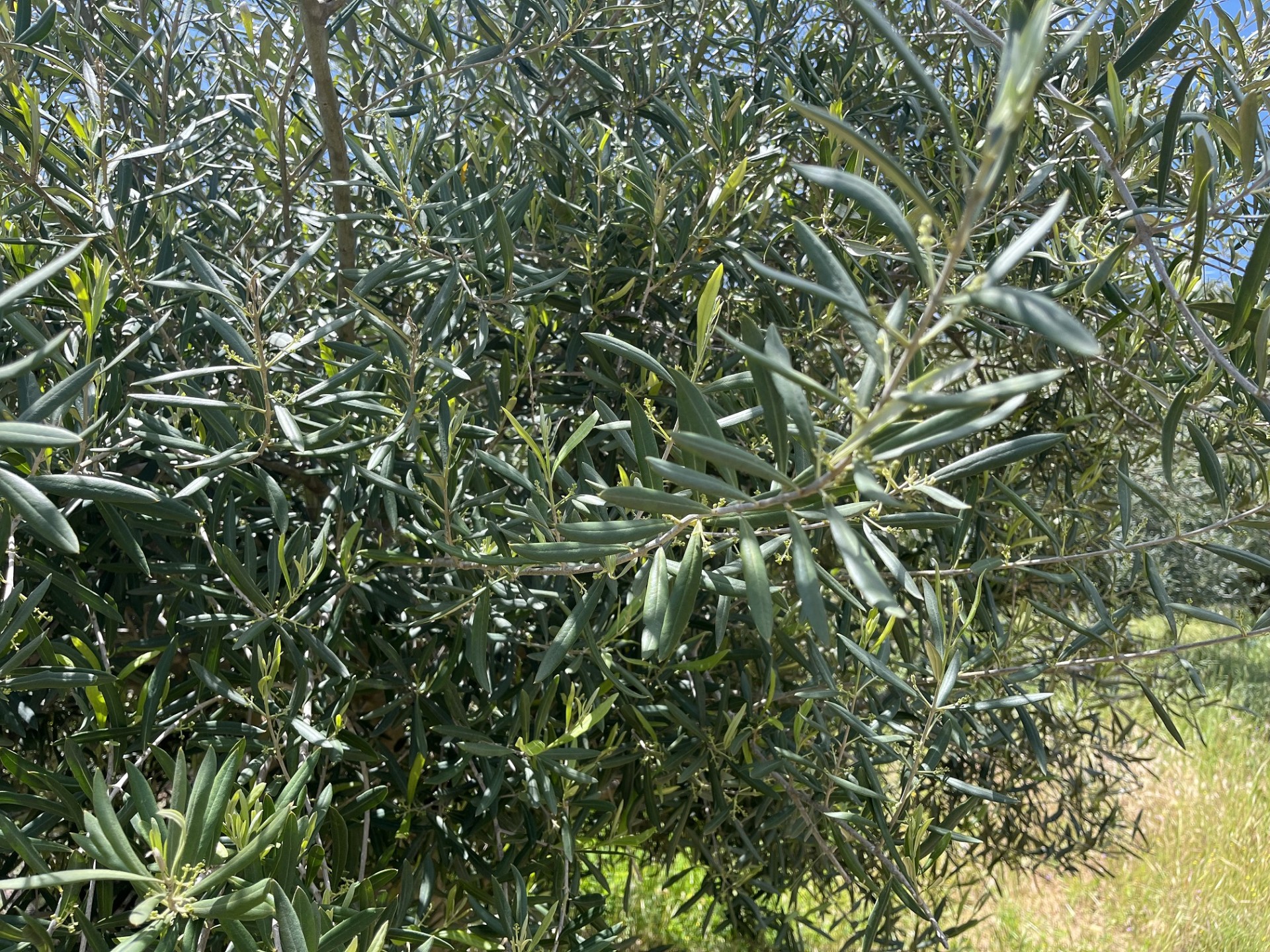
Bui has planted 1,000 more trees to increase production.
Despite his efforts to bolster production and further diversify, Bui said he still faces many other challenges in producing organic extra virgin olive oil in California.
The most immediate was having the oils re-certified by the United States Department of Agriculture (USDA).
Tremoulet’s Pitchouline extra virgin olive oil oils had the certification, but Bui said he needed to re-certify once the farm changed hands. “I won’t say it was difficult, but there are a lot of requirements, and we had to make a lot of changes,” he said.
Bui also seeks to certify his newly-planted groves for the first time, a three-year process. “It is definitely worthwhile just for health reasons,” he said.
“Organic is the company philosophy and my personal philosophy,” he added. “I’ve always been against pesticides and fungicides. They stay in the soil for a long time.”
Bui also senses the global trend of growing demand for organic olive oil. According to some research, the organic olive oil market is expected to grow to $2.2 billion by 2031, up from $933 million in 2021.
“I think the consumer is shifting toward organic olive oil every day,” he said.