CARM Celebrates Regional Taste with High-End Olive Oils and Wines
In northern Portugal, Casa Agricola Roboredo Madeira (CARM) pioneers organic farming to craft award-winning products.
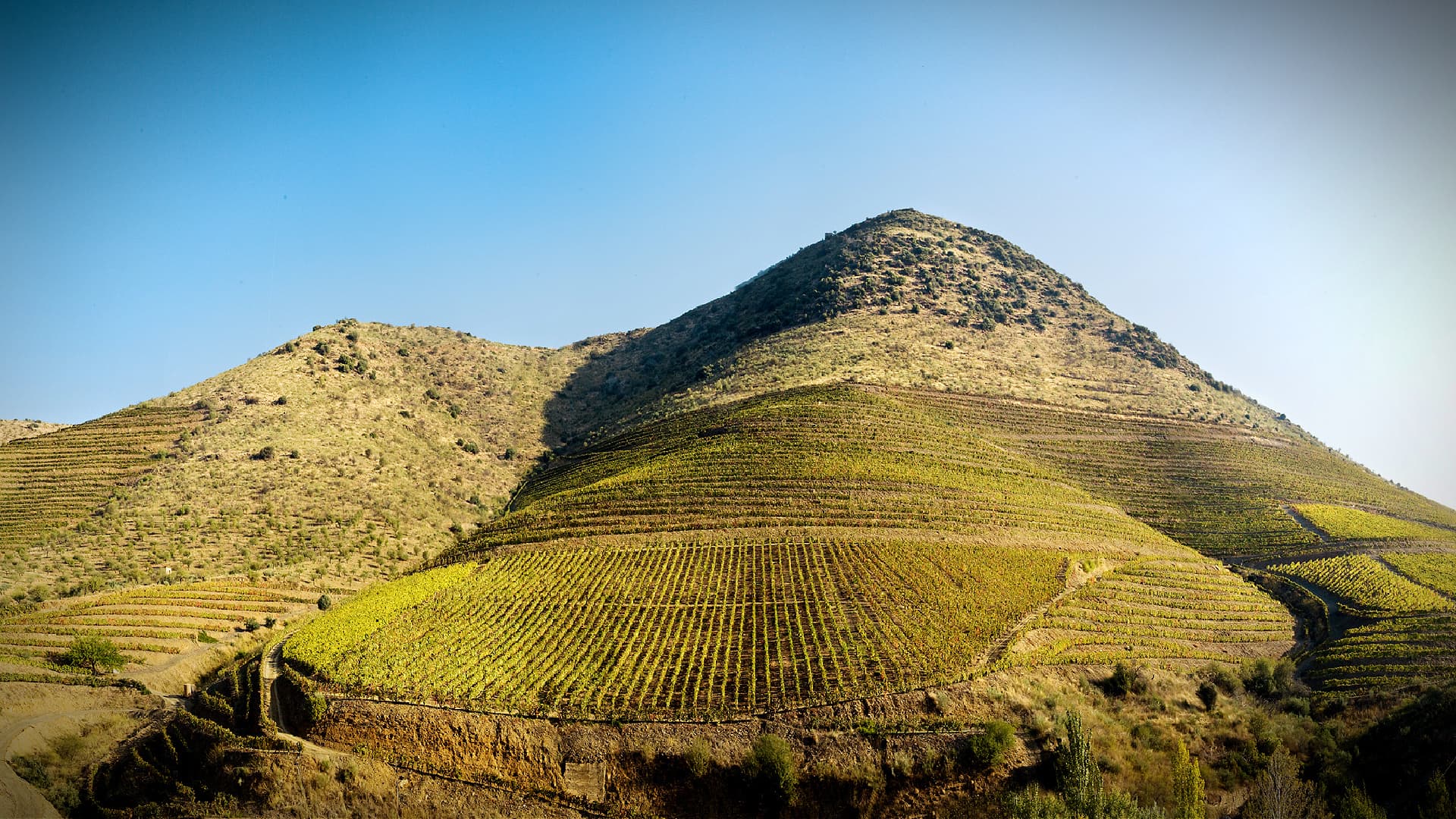
The Trás-os-Montes region in northern Portugal, with its valleys and hills embraced by the Douro river, is home to some of Portugal’s most celebrated wines and extra virgin olive oils.
“Today. But in the 1990s, reaching for high quality was not an obvious process in this country,” Filipe Madeira, owner of the Casa Agricola Roboredo Madeira (CARM), told Olive Oil Times.
“We did not follow the path that most have chosen. We actually started with olive oil production and years after we transferred our experience to winemaking,” Madeira noted.
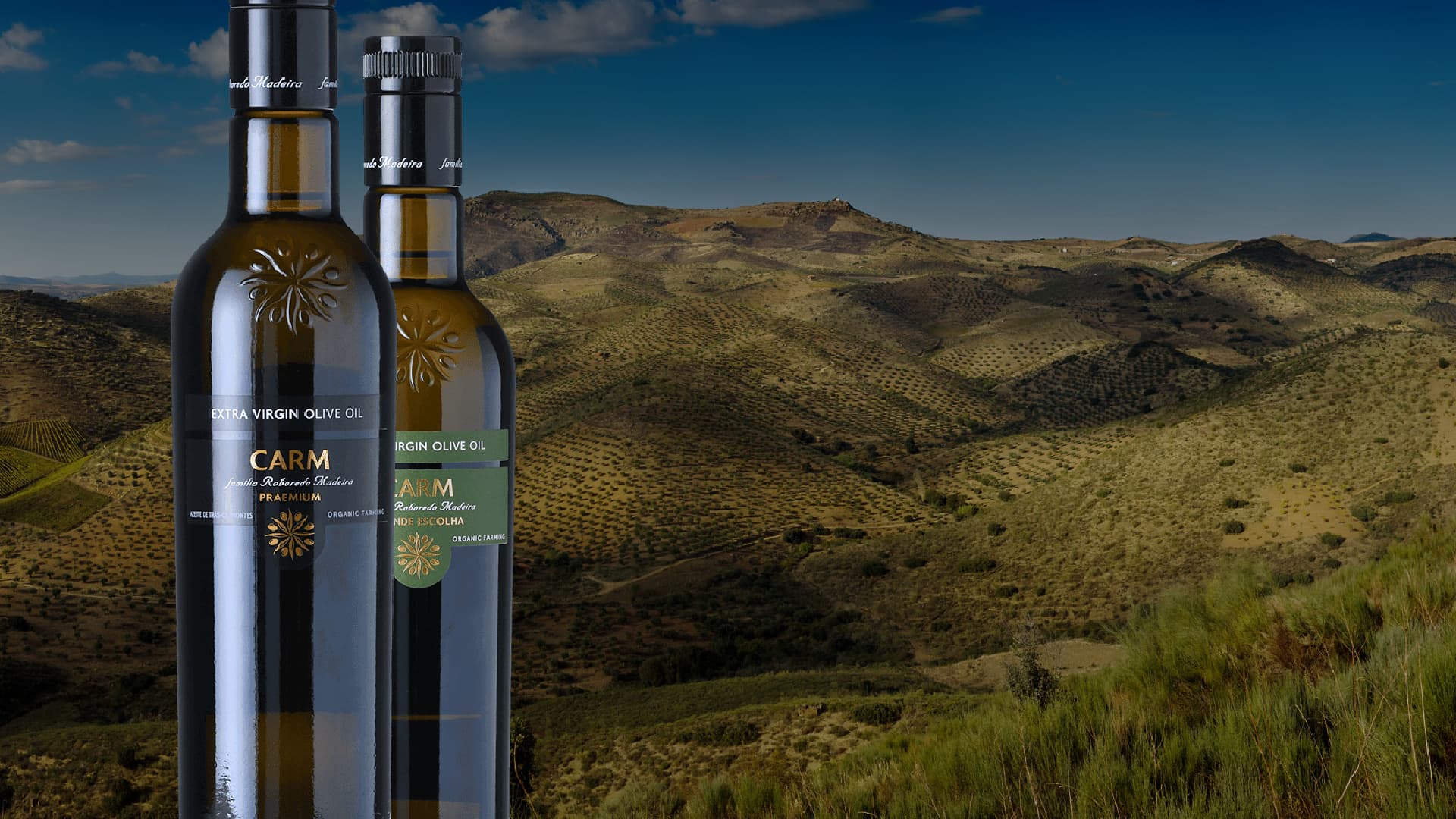
Today, many of CARM’s olive oils are considered some of the best in the world, as demonstrated by their long streak of Gold Awards at the NYIOOC World Olive Oil Competition.
See Also: Portuguese Producers Reap Benefits of Record Harvest at World CompetitionAlso, Portugal is now one of the most crucial olive oil producers worldwide. More and more of its local producers win the attention of selective and sophisticated consumers.
Still, things were very different when CARM’s adventure began in the 1990s. Constant contact with the family’s many Italian friends and olive oil connoisseurs allowed CARM to pioneer quality production.
“I remember bringing regional wines and olive oils to our friends in Italy in the 1990s. They did not like those olive oils, as they were not produced with a focus on quality, which was crucial to Italian olive oil culture,” Madeira recalled.
“The Portuguese raw product had high potential, but olives underwent ugly transformation processes,” he added.
“Something that I always say to those who did not yet explore olive oil quality is comparing it to orange juice, as it is essentially a fruit juice as well. If I squeeze a ripe orange, I can get some good juice, but what happens if I choose oranges too long forgotten or even rotten? I still can get their juice, but how will it taste?” Madeira added.
Olive oil production in Portugal
Portugal is one of the largest producers of olive oil in the world, with a long history of olive cultivation and oil production. The country has a diverse range of olive varieties, including the indigenous Madural, Cobrancosa, Verdeal and Galega. and the industry covers both traditional and modern production methods. Olive oil is typically produced in the southern and central regions of the country, where the climate is most favorable. The industry plays a significant role in the country’s agriculture sector and economy, and is an important part of the country’s cultural heritage and cuisine.
That was the beginning of the family’s journey exploring Italian extra virgin olive oils, their methods of production, and the technologies and protocols applied by the most critical professionals in the Italian olive sector.
“We realized that we could greatly improve the quality of our products and worked to apply that know-how and processing technologies while also focusing on the unique contribution to our quality coming from our territory,” Madeira said, highlighting the efforts of the company to focus on local olive tree cultivars and the local terroir for both its olive oils and wines.
That was not an easy process. “It could have been a nightmare, as at one point, we had the olive oil mill ready but not a technician able to operate it,” Madeira noted.
“I still remember being down there in front of those machines, with a traditional phone with its cord in one hand, and with the other, I was clicking on the buttons our partners in Italy were telling me to click on. It was a mess; there was olive oil everywhere,” he added.
Thanks to that experience, Madeira defined an excellent protocol and then applied it. Finally, the olive oils coming out of the new advanced mill were presented at important local olive oil contests. “We won everything, the first, the second, the third, the fourth and the fifth prizes,” Madeira said, highlighting the pioneering work of his company.
Still, local perception of those first quality EVOOs was not expected. “We asked local opinion leaders and friends to taste our olive oils, and they did not like it. That happened because they were not used to quality extra virgin olive oils, to its fruity and piquant notes. It was the first good EVOOs they were tasting,” Madeira recalled.
CARM
However, the local food and cuisine culture did not take too long to catch up and embrace the new flavors. “When they started reading how appreciated our EVOOs were abroad, people over here got curious,” CARM’s owner said.
“The truth is that Portugal today has some very high-quality extra virgin olive oils. At the time, we were the only ones. Over time so much has been developed, and the olive oil market picked up pace,” Madeira underlined.
CARM is located in Almendra, in the heart of a valley dotted by villages and small cities. The municipality is characterized by an arid climate and average yearly precipitations that do not reach 150 millimeters.
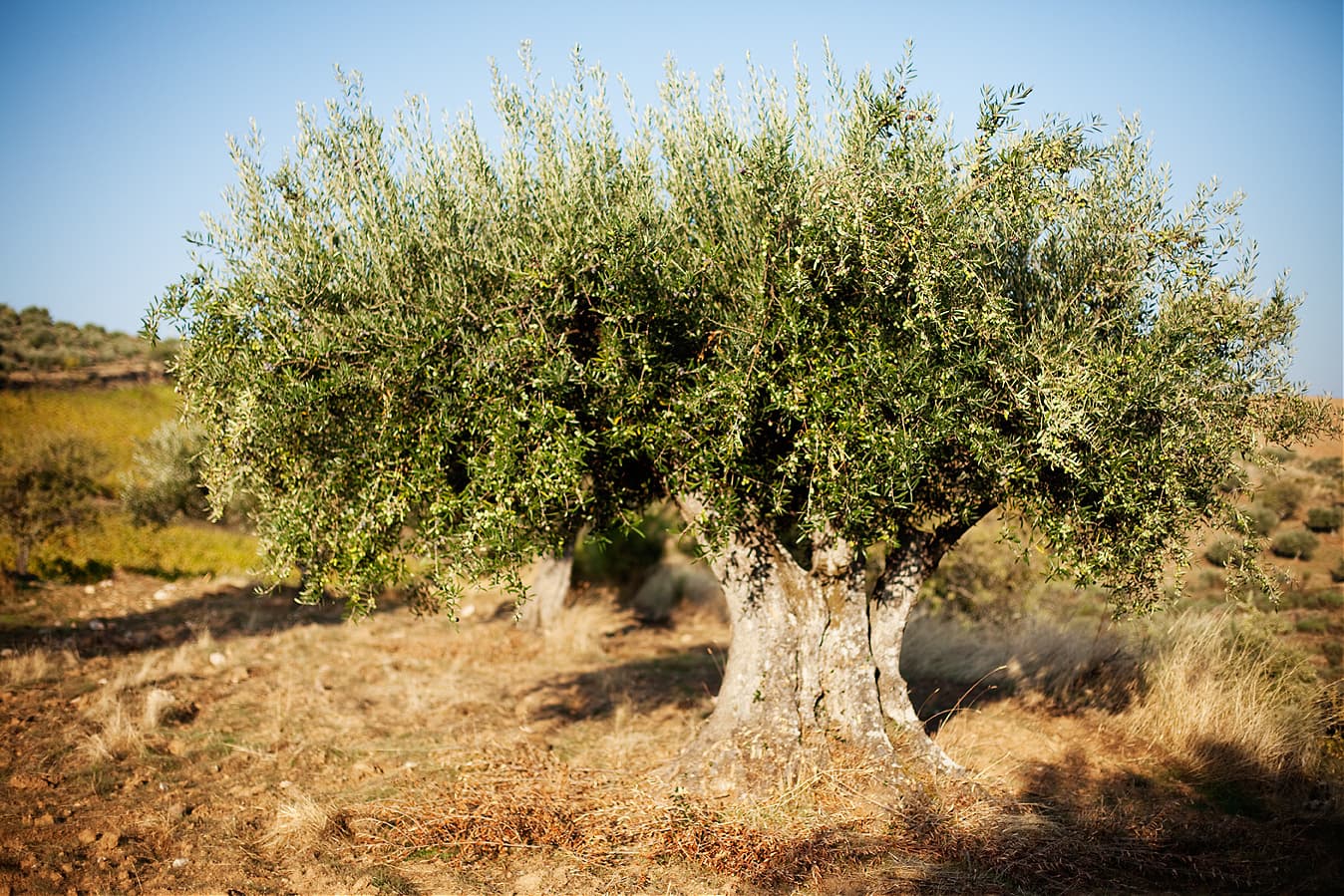
“Our valley is the area where it rains the less in the whole Iberian Peninsula. Such conditions, of course, do impact on our trees, whose age spans from 80 years to a full millennium. They are all rainfed, traditional orchards,” Madeira noted.
“In our best season ever, we worked approximately one million kilograms of olives in our olive oil mill. This season we are down by 90 percent,” Madeira noted, highlighting the impact of the Mediterranean drought, which has hit Portugal, Spain, Italy and other olive oil-producing countries.
See Also: Europe Confronts Worst Drought in 500 Years, Officials SayCARM’s olive oil production is entirely organic, and its volume is limited. This production drop occurs because its 59 thousand olive trees are rarely full of olives.
“If we manage to harvest 12 kilograms of olives per olive tree is a success, even from the the largest among our trees,” Madeira noted.
In the current season, the company has produced 22 thousand liters of its best oils, which, CARM explained, will allow it to sustain its exports to the U.S., Japan and Switzerland.
“The biggest challenge on the local market for high-quality producers is that the majority of people does not yet look for such quality. That also affects the prices of EVOOs sold locally,” Madeira noted.
The olive oil yield of the rainfed orchards’ fruits also tends to be moderate, ranging from 7 to 14 percent. In other areas of the country and different kinds of olive cultivation, the yield per olive drupe often fares far above such levels.
Acidity levels, though, are significantly low. “We very rarely exceed 0.1 percent,” noted Madeira. An optimal result that is rare, even among top-class products.
The company focuses on olive cultivars typically associated with the region, such as Madural and Negrinha de Freixo, mainly used for table olives. “Still, if it is harvested early, it donates special flavors to olive oil, such as a touch of banana,” Madeira specified.
On top of those cultivars, the company includes common Portuguese varieties, such as Cobrançosa and Galega.
Selecting flavors and olive oil characteristics is crucial to creating the company’s extra virgin olive oil blend. “During the harvest, which lasts just about a month and a half, I am there every day to assess quality and select in which tank to store our extra virgin olive oil. Afterwards, we transfer in larger silos a pre-filtered product, which gets fully analyzed.”
In the following weeks, blends are defined and composed with the help of tasting experts and then mostly sent abroad.
The future, though, might bring an increase in production volumes to CARM. “We are also experimenting with a semi-intensive 20-hectare olive orchard, we are exploring it, but we are seeing that local varieties do not easily adapt to that kind of olive growing,” Madeira commented.