Hillside Groves Between Assisi and Spoleto Get Heritage Status
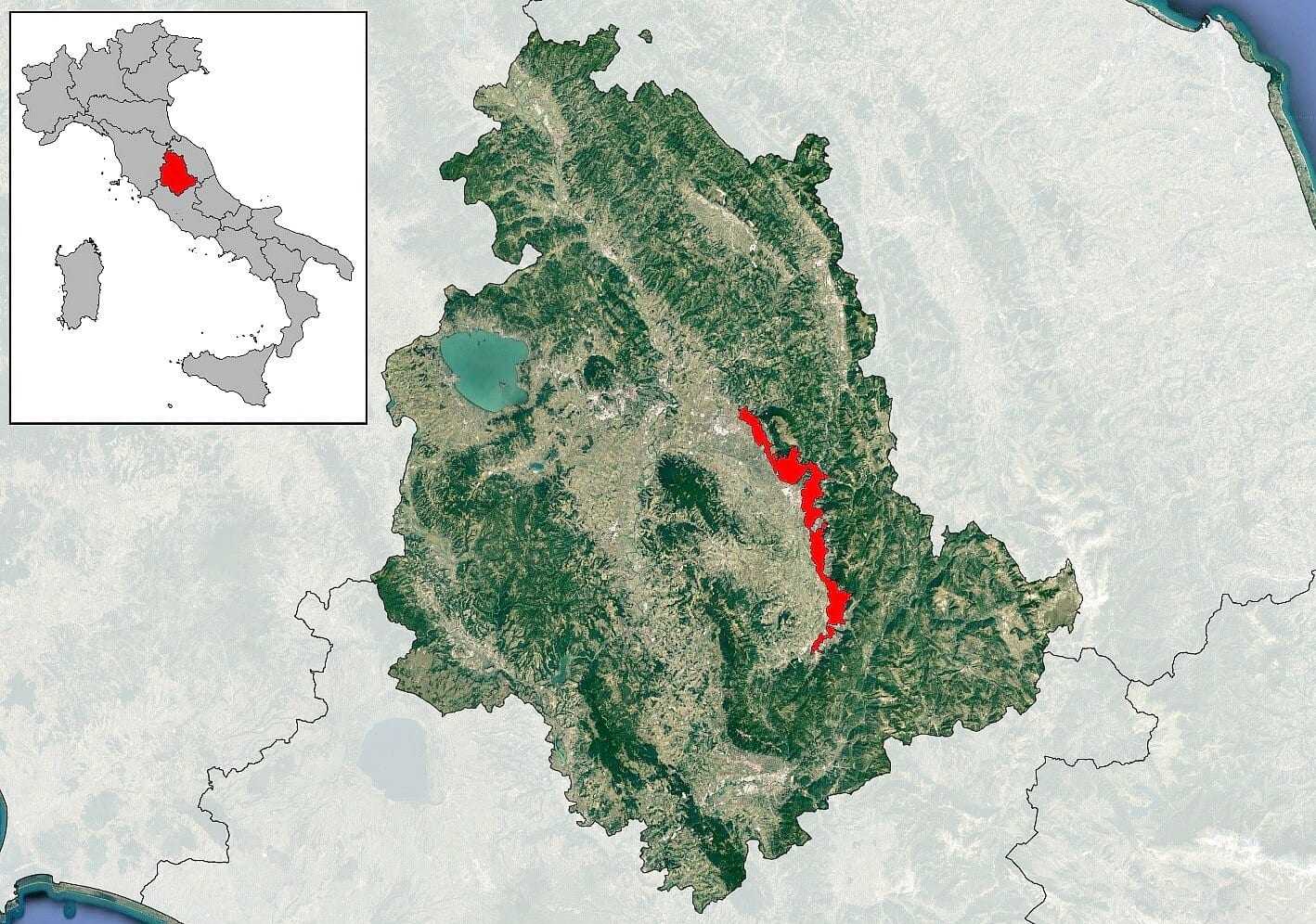
The territory including the olive groves of the slopes between Assisi and Spoleto was designed as the first Globally Important Agricultural Heritage System in Italy.
The initiative for the identification and the dynamic conservation of Globally Important Agricultural Heritage Systems (GIAHS) was launched by the Food and Agriculture Organization of the United Nations (FAO) in 2002, in order to safeguard and promote outstanding landscapes of aesthetic beauty that combine agricultural biodiversity, resilient ecosystems and a valuable cultural heritage.
I wondered why our ancestors planted the olive groves in such an irrational, scattered way, making it difficult to harvest. But exactly that choice made this place deeply bonded to, and beautifully characterized by the olive trees.
There are currently 50 sites in 20 countries described as agricultural territories representing models of sustainable agricultural production. However, the core concept of GIAHS is distinct from, and more complex than, a conventional heritage site or protected area, as each site is “a living, evolving system of human communities in an intricate relationship with their territory, cultural or agricultural landscape or biophysical and wider social environment.”
Olive groves on the slopes between Assisi and Spoleto (Italy)
Taking that as a basis, the territory which includes olive groves on the slopes between Assisi and Spoleto was approved and designed as the first GIAHS site in Italy during the recent meeting of the scientific advisory group in charge. (On the same occasion, the Geumsan traditional ginseng agricultural system in the Republic of Korea was also selected).
The application of this area of Umbria — which is already part of the National Register of historical rural landscapes, agricultural practices and traditional knowledge established by the Italian Minister of Agriculture — was submitted to FAO by a committee composed of the municipalities of Trevi as a frontrunner, Assisi, Spello, Foligno, Campello sul Clitunno and Spoleto, supported by the Umbria Region and Sviluppumbria.

Olive groves in Trevi
“This is an important result that we have achieved thanks to the joint commitment of the municipal institutions of the area,” affirmed the mayor of Trevi, Bernardino Sperandio. “Thanks to this recognition, our olive trees will attract growing international attention. It will help us to consolidate the image of this landscape, which has been appreciated and approved by the FAO auditors during a series of inspections,” he noted, adding that “they understood the great value of this land which can now benefit from the GIAHS recognition.”
Among those who took part in drawing up the application dossier, Leonardo Laureti of the Landscape Office Agronomist srl said that this is not only an arrival point but rather a departure point for future generations.
“Such recognition will help to preserve the valuable elements of this area and contribute to boosting the demand of the extra virgin olive oil from this territory, while promoting tourism and job creation,” he considered, observing how these olive trees are cultivated according to knowledge and practices which include the use of different types of terracing, cultivation techniques and genetic varieties that have been maintained by local communities for centuries.
“This extraordinary landscape composed of olive trees has been shaped by the age-old interaction of farmers with the environment,” Laureti added.
Olive grove in Campello sul Clitunno
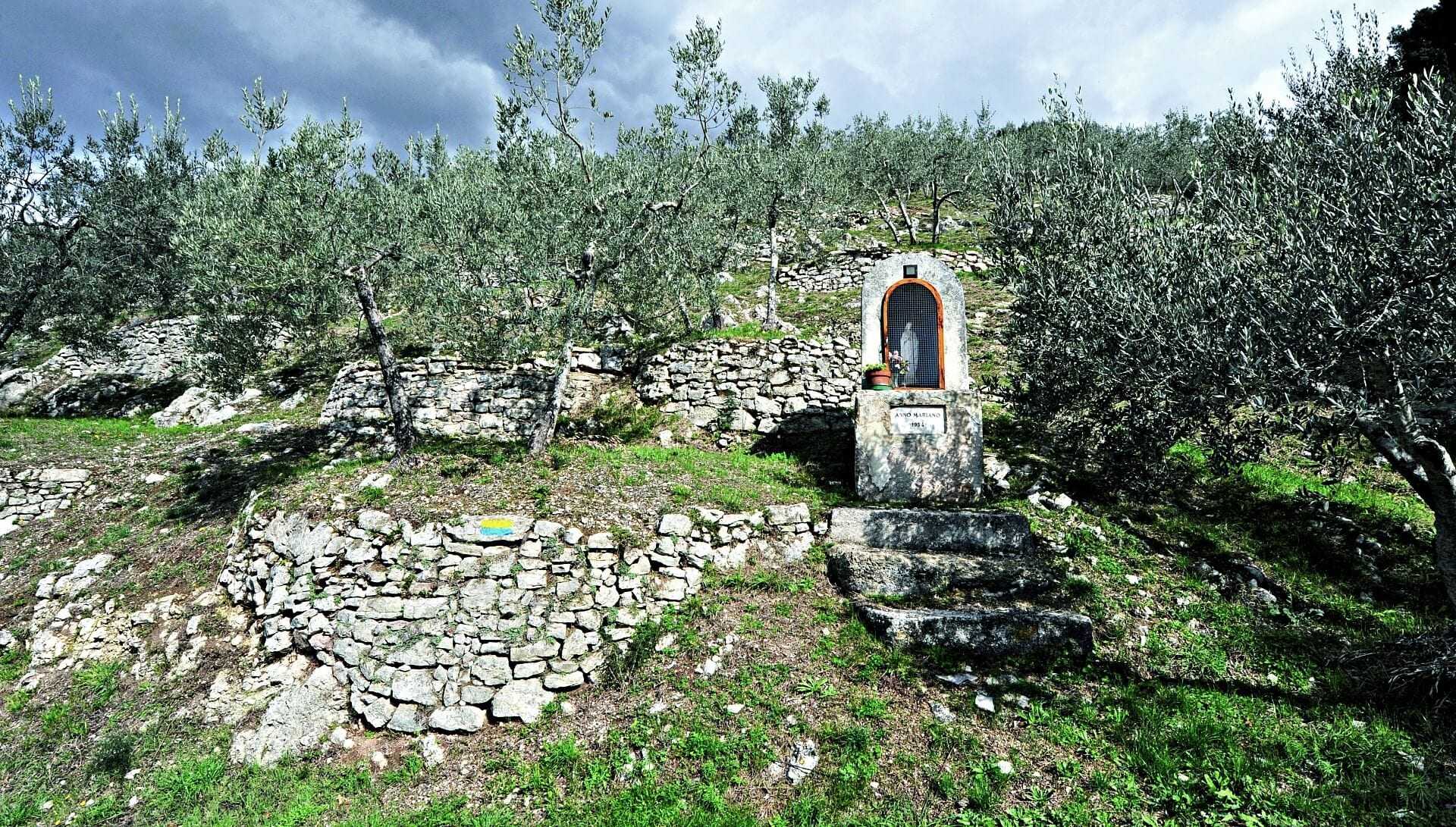
We are talking about an Apennine scenery comprised of 6,145 hectares (about 15,185 acres) of olive groves situated between 200 and 500 meters above sea level, including almost 1,500,000 olive trees scattered among 4,225 olive oil producing companies.
Among them is the award-winning Azienda Agraria Viola, Best in Class at the NYIOOC World Olive Oil Competition with their organic Viola Costa del Riparo Biologico, successfully flanked by the Gold Award-winning Viola Colleruita DOP Umbria.
“This recognition adds value to our land,” said Marco Viola. “Agricultural companies like ours are deeply linked to the territory, which we fully respect while we take care of the olive varieties which it offers, providing us great satisfaction.”
Viola said companies like his are forever joined with the place they were born, due to specific cultivars, environment and climate. Their plants of Moraiolo, Frantoio and Leccino are grown in the hilly area of Foligno between 350 and 450 meters above sea level, according to a code of ethics that mandates “a sense of social responsibility” by which the company is committed to guaranteeing the safety at work of its employees, the quality of the products and the respect of the environment,” in tune with the GIAHS’ standards.
They are so connected to this region that they share its highs and lows, Viola pointed out, yet high quality continues to characterize their productions. “Our plants of Moraiolo react very well to the low winter temperatures which caused damaged elsewhere, and we are confident in a good harvest,” he considered.
“I wondered why our ancestors planted the olive groves in such an irrational, scattered way, making it difficult to harvest, pruning, shredding, and so on,” the farmer revealed.
“I realized that the most manageable and flat lands were destined for cereals and other crops like alfalfa for animal feed, and the olive tree was the only cultivation able to adapt to these hills even if it is at the expense of production. But exactly that choice made this place deeply bonded to, and beautifully characterized by the olive trees,” Viola concluded.