



An Olive Oil as Unique as Its Producers
Over the past decade, Saša Petković and Vedrana Rakovac have transitioned from hobby growers to professional producers. But some things have not changed.
 Saša Petković
  7.4K reads
Saša Petković and Vedrana Rakovac, Istrian olive growers, are cautiously optimistic about the upcoming harvest, which they expect to be slightly smaller due to weather conditions. Despite facing challenges like pests and weather, they have successfully marketed their multivarietal extra virgin olive oil, Bilini, winning international awards and maintaining a passion for their hobby and career in olive growing.
For olive growers on Croatia’s Istrian peninsula, the next harvest is being anticipated with cautious optimism.
“We hope for a positive result, but without triumphant tones,” 48-year-old Saša Petković, an increasingly successful Istrian olive grower, told Olive Oil Times.
I would say that the uniqueness of our oil is a reflection of our uniqueness as people.
He lives with his wife, Vedrana Rakovac, and daughter, Ivana, who has just finished high school in Pula, Istria’s largest city. Their olive groves are in the village of Rakovci, 50 kilometers away, halfway between Poreč and Pazin.
“The climate here is more continental than the Mediterranean,” Petković said. “In summer, temperatures are extremely high during the day and low at night. The position on the border between coastal Istria and its interior has a good effect on the health and resistance of plants as well as on the quality of the fruits.”
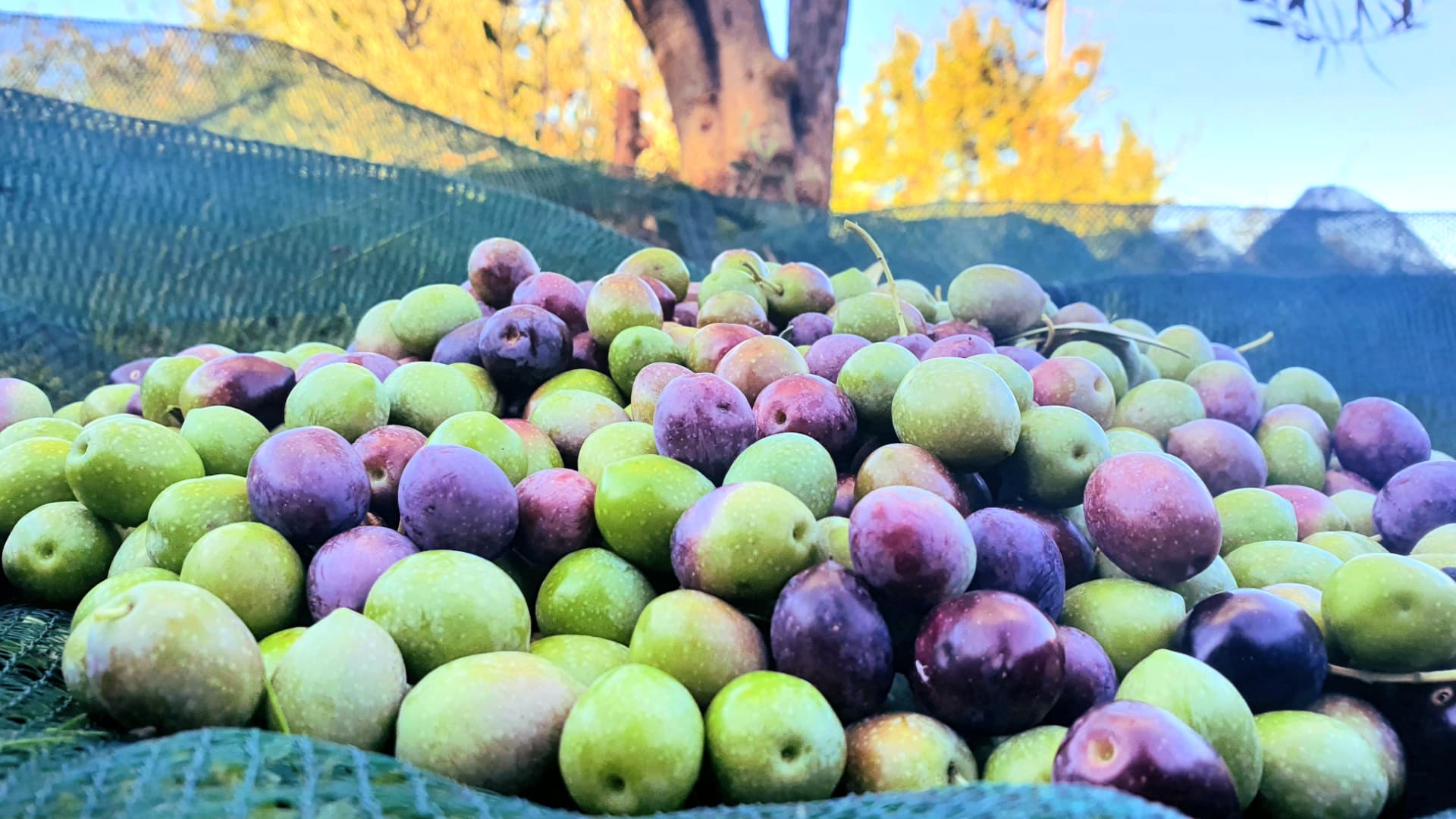
See Also:Producer ProfilesThere, they grow 600 olive trees in five locations. Out of a total of 14 varieties, the most represented are domestic varieties (Istrian bjelica, Buža, Buga and Buža puntoža) and domesticated foreign, predominantly Italian, varieties such as Leccino, Pendolino, Maurina, Frantoia and Itrana.
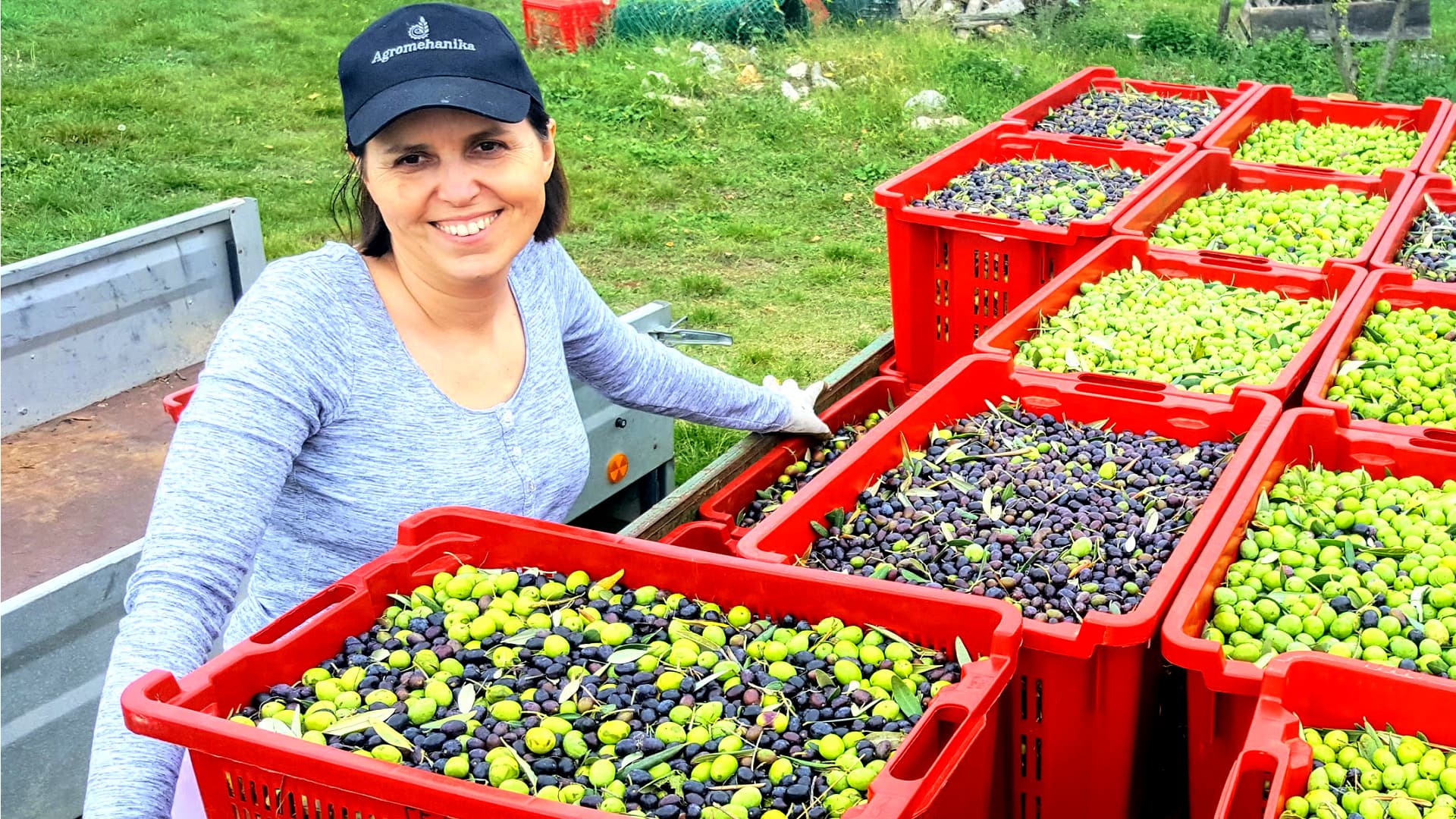
Vedrana Rakovac
Given the climate and altitude, there is almost no need to treat olives against diseases and pests. However, since this year was extremely rainy, there were problems with the peacock’s eye.
There have been no pests so far, but Petković and Rakovac are preparing traps for the olive fruit fly, the most significant pest that can destroy all the efforts of olive growers.
“We use the method that Vedrana’s grandfather, Nina, taught us: we pierce empty plastic bottles and fill them halfway with a mixture of water, vinegar and sugar,” Petković and Rakovac said. “Attracted by the smells, the flies enter, but do not manage to get out, so they die in the bottles. This method proved to be very successful for us.”
Rakovac inherited the olive groves from her grandfather. Although they had good jobs in Pula, the spouses decided 15 years ago to restore the farm and plant new olive trees.
Rakovac is a civil engineering graduate, and Petković is an economist, an expert in digital marketing and a drummer in a local rock band.
In addition to working in the olive grove, he now runs his own marketing company and has not abandoned his gig either. On various occasions, he sits down on the drums and plays concerts with the guys from the band.
“The fee comes in handy for repairing the household budget,” he said with a characteristic smile.

Saša Petković
Seven years ago, Rakovac devoted herself entirely to running the family business, OPG Rakovac. In the meantime, she completed a course at the Open University in Pula and manages the sale of the company’s olive oil.
“We sell the oil through our website, as well as in our small tasting room in Pula, in an approximate ratio of half and half,” the couple said. “Since 2015, when we became seriously engaged in the production and sale of olive oil, it has not happened that we have oil from the previous harvest left over after the following harvest. We manage to sell the entire quantity we produce.”
In addition to olive groves and an olive oil shop, OPG Rakovac rents two apartments in Pula during the tourist season.
Petković skillfully manages marketing and promotion, so the Bilini brand is already widely known. The brand name Bilini comes from the family nickname of Vedrana’s grandmother, Đina.
As there were many families with the surname Rakovac in the village of Rakovci, some had nicknames that distinguished them from others.
“Therefore, in honor of our elders, who planted our olive groves and influenced our path and olive-growing destiny, we named our oil Bilini,” Petković and Rakovac said.
They also explained why they mainly produce multivarietal extra virgin olive oil. “There are two reasons for this: first, it should be noted that our olive trees are not planted ‘sequentially’ by varieties, which means that we often have five to six different varieties in one row, tree after tree,” the couple said.
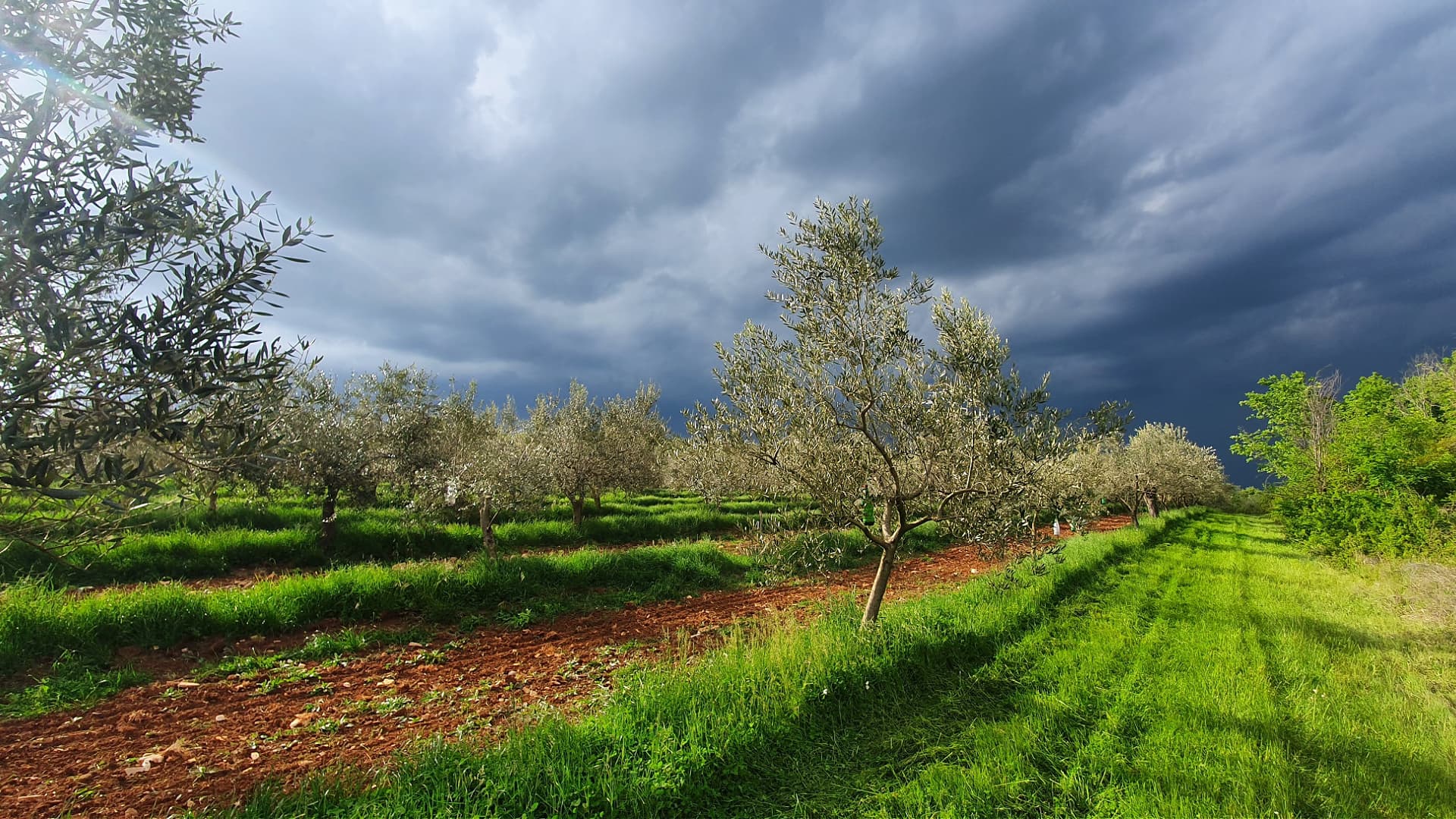
OPG Rakovac
“This would make ‘monovarietal’ harvesting extremely difficult,” Petković added. “Second: we believe that blends or oils of mixed varieties satisfy the tastes of the widest number of people. They retain the best characteristics of all the varieties from which the oil is made.”
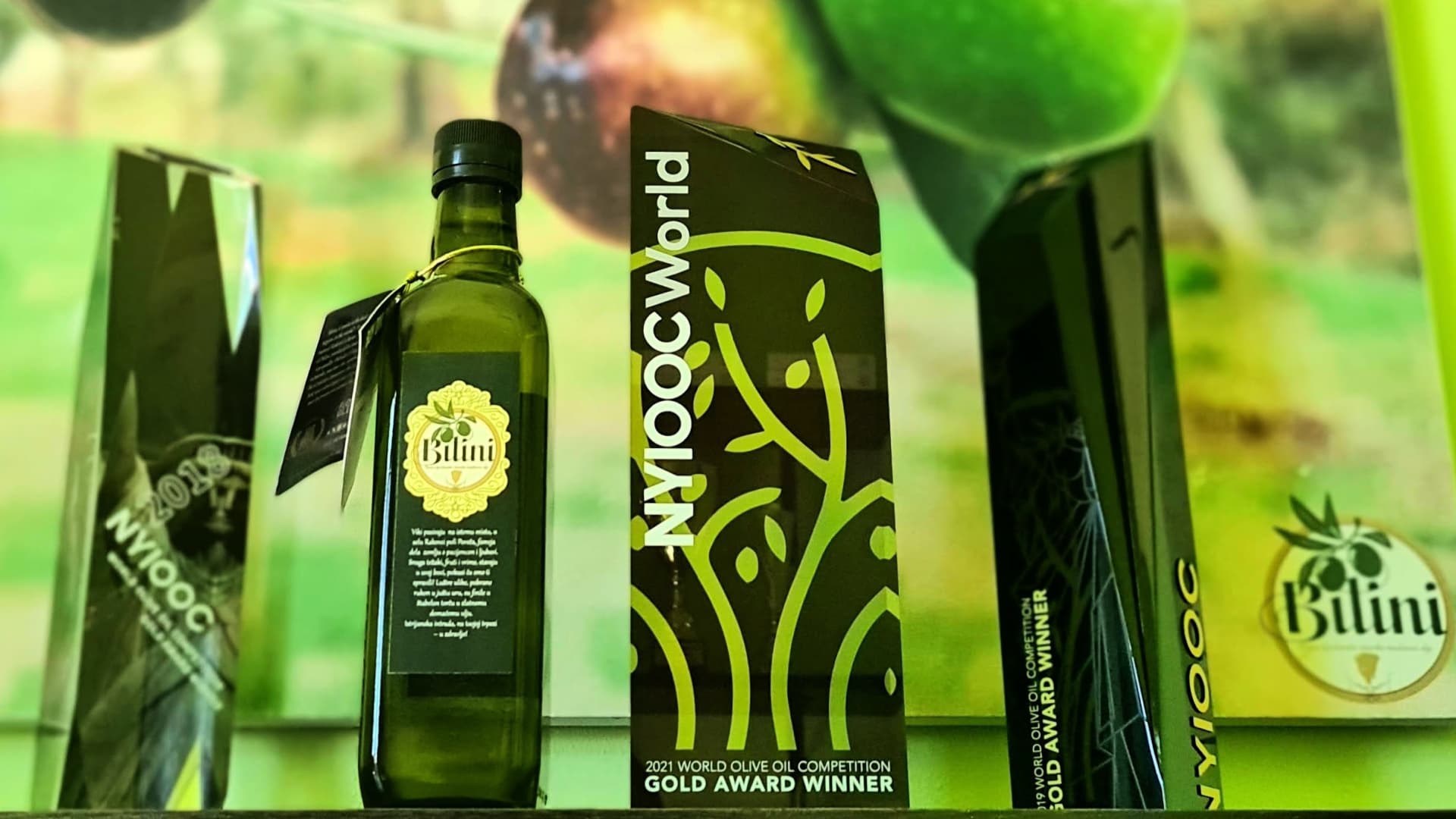
The couple point to the number of international awards won by Bilini – a medium-intensity blend of Frantoio, Leccino, Buza, Bjelica and Pendolino olives – as evidence of this, including a Gold Award at the 2023 NYIOOC World Olive Oil Competition.
“Awards are important to us primarily because they boost our morale,” Petković said. “When you work in an olive grove all year round, you go through all the stages of suffering: from freezing during winter plowing to boiling while filling the olive fly traps in mid-July, from mowing and pruning to fertilizing and harvesting.”
“It’s hard. As old people say: ‘the earth is low,’” he added. “You leave your spine in the olive grove. But when recognition comes from the profession, all the effort invested takes on a higher meaning, and we move on with charged batteries.”
“Of course, awards are also an excellent marketing tool because more and more people want to buy award-winning oil, the quality of which has been confirmed by independent experts,” Petković continued.
Except for 2020, when their bottles did not arrive on time to submit a sample to the competition, Bilini has been awarded at the NYIOOC every year since 2018. Even so, Petković believes the quality that year was just as good as any other.
Despite the rising profile of their extra virgin olive oil production, Petković and Rakovac said olive growing remains a hobby, passion project, and career for them.
Over the years, their marketing transformed the project from a hobby into a business, but that does not change the fact that they are still absolute enthusiasts for all kinds of work in olive groves.
“We are a small OPG, and – as a curiosity – we note that absolutely every bottle of Bilini oil we have placed on the market so far has been filled and sealed by hand,” the couple said.
In each of the past 10 years, they have filled about 1,500 bottles ranging from 100 milliliters to 1 liter in size. “For something like that, you have to have a passion for this job,” they said.
“I would say that the uniqueness of our oil is a reflection of our uniqueness as people,” they added. “Our jobs, lifestyles, enthusiasm, attention to detail, persistence, sacrifice and uncompromising quality ultimately make Bilini oil.”
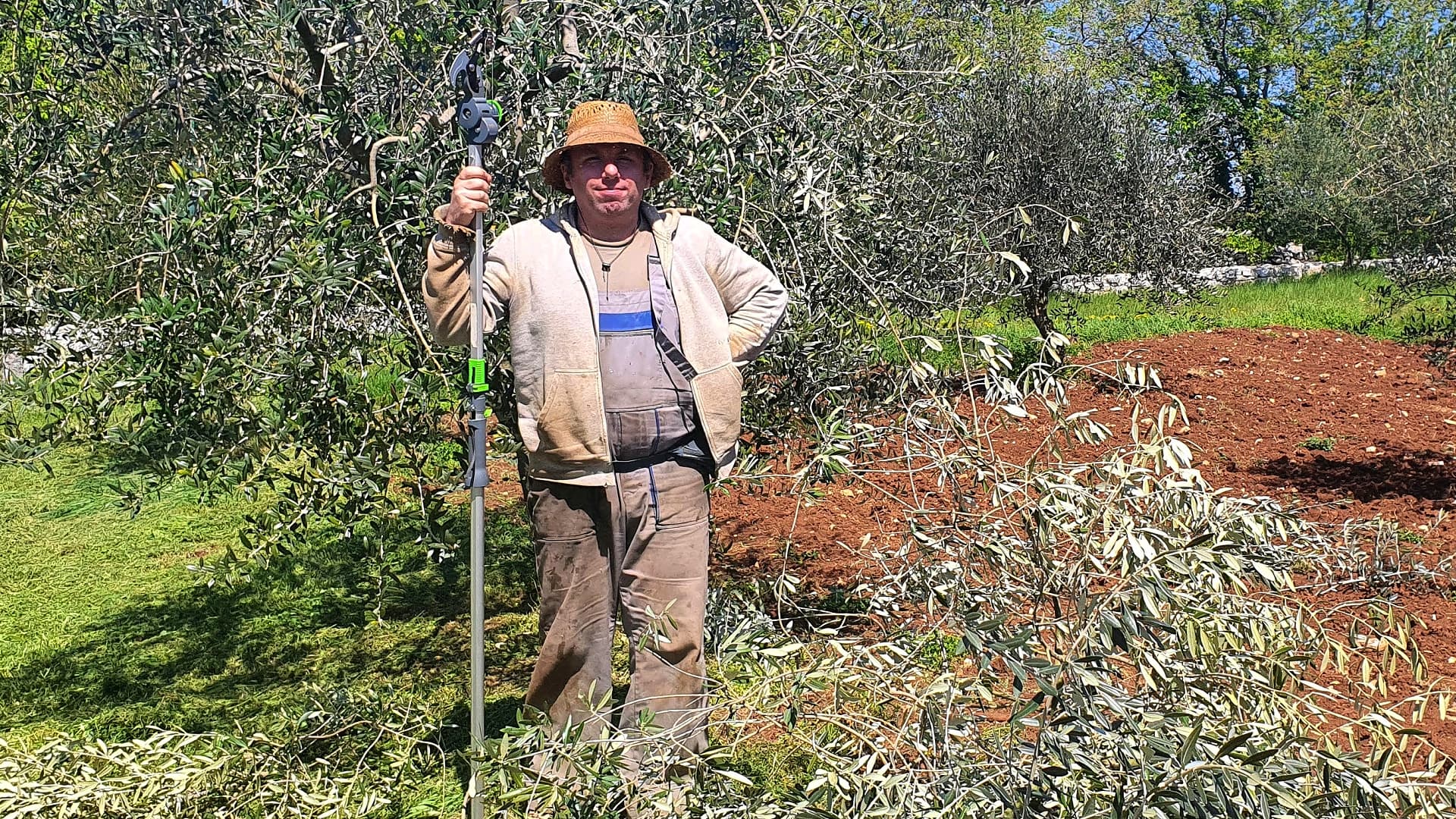
Petković and Rakovac are proud of Istria and the region’s ability to integrate oleotourism and olive oil production seamlessly. They are glad that other parts of Europe have taken notice.
“Our region is full of creative and curious people who do not stop at already tried and tested cultivation methods but constantly move forward and selflessly share knowledge,” said Petković, who shares his olive growing experience on his company’s blog.
In addition to the olive trees on the OPG Rakovac estate, in the future, they want to plant other crops, primarily figs, and dedicate themselves to this new endeavor with the same attention and passion as they have been doing with olives and olive oil for 10 years.
However, the approach of the 2023 harvest remains top of mind for the producers. Last year, they produced about 1,300 liters of extra virgin olive oil.
“According to the first inspection of the fruit, this year, we expect a slightly smaller crop, and we will do our best to keep the quality at the current level,” the couple concluded.
Share this article
Related Articles
Jan. 5, 2026
How a Family Mill in Florence Built Five Decades of Olive Oil Craftsmanship
Now led by its third generation, Frantoio Il Mandorlo has evolved from a local mill into an award-winning producer while remaining deeply rooted in the Florentine landscape.

May. 27, 2025
Malta's 2024 Olive Yield Plummeted
Malta's 2024 olive harvest plummeted by nearly half due to severe winds, heatwaves, and drought.

Sep. 26, 2025
Turkish Producer Monsida Eyes Global Markets After Record Harvest
After decades of experience in the olive oil sector, the producer behind Monsida is betting on early harvest endemic monovarietals to break through at home and abroad.
Oct. 3, 2025
Portuguese Group Expands Sustainability Program After Alentejo Success
Olivum seeks to add value to Portuguese extra virgin olive oils through an expanded certification program, ensuring environmental, social and economic sustainability.
May. 28, 2025
Bringing Award-Winning Spanish Olive Oils to Ireland
Sarah Merrigan of Sarah & Olive is on a mission to showcase the finest extra virgin olive oils from Spain, promoting sustainability and quality.
Jun. 23, 2025
Sustainable Practices Help North African Producers Triumph in Tough Season
Producers from Tunisia, Morocco and Egypt overcame drought and heat to earn 16 awards at the 2025 NYIOOC World Olive Oil Competition.
Aug. 11, 2025
Luberon’s Unique Geology Helps Set One Award-Winning Producer Apart
The producers behind Domaine de la Sénancole have leveraged Luberon’s geology and Provence’s local olive varieties to produce a sustainable and sought-after olive oil.
Jun. 11, 2025
Values of Hospitality, Sustainability Drive Quality at Misciattelli Bernardini Farm
From its historic headquarters in the old town of Allerona to the sustainably managed groves in the neighboring hills, an Umbrian producer preserves tradition while embracing change.