



Millenary Olive Seeds Found in Important Archeological Site in Turkey
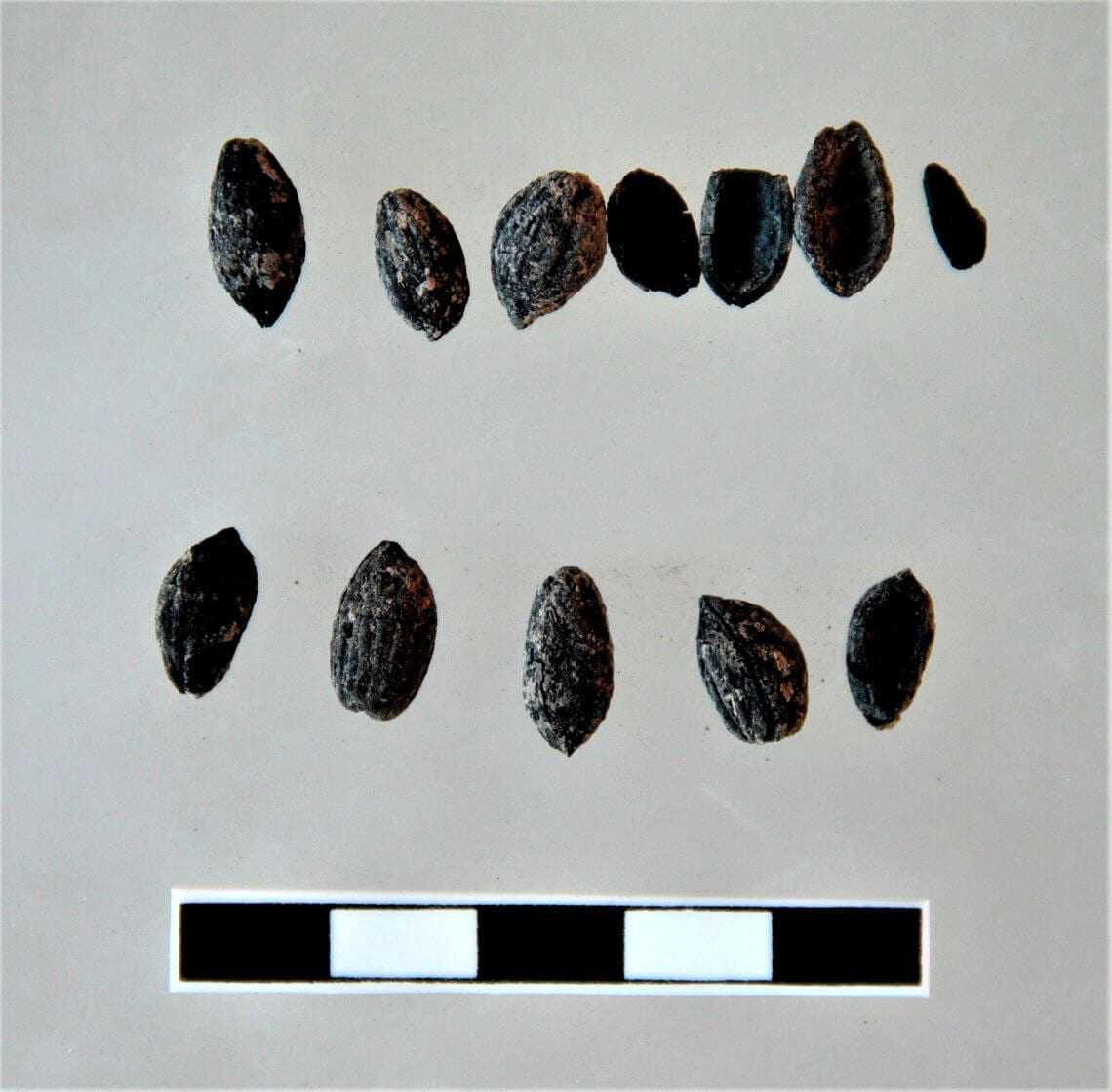
4,000-year-old olive seeds and utensils were been found in Oylum Höyük, an historical mound located in a fertile plain in Kilis province in Southeastern Turkey.
 Courtesy Dr. Atilla Engin
Archaeologists in Southeastern Turkey unearthed a collection of 4,000-year-old olive seeds and basaltic grinding stones, dating back to the Bronze Ages, in Oylum Höyük. The discovery sheds light on the historical significance of olives and olive oil in the Eastern Mediterranean region, with some of the seeds being preserved for exhibition at the Kilis Museum.
A valuable collection of dozens of olive seeds was discovered inside layers dating back 4,000 years during an archeological excavation in Oylum Höyük, an historical mound located in a fertile plain in Kilis province in Southeastern Turkey, which is considered one of the biggest of its kind in the Eastern Mediterranean Region.
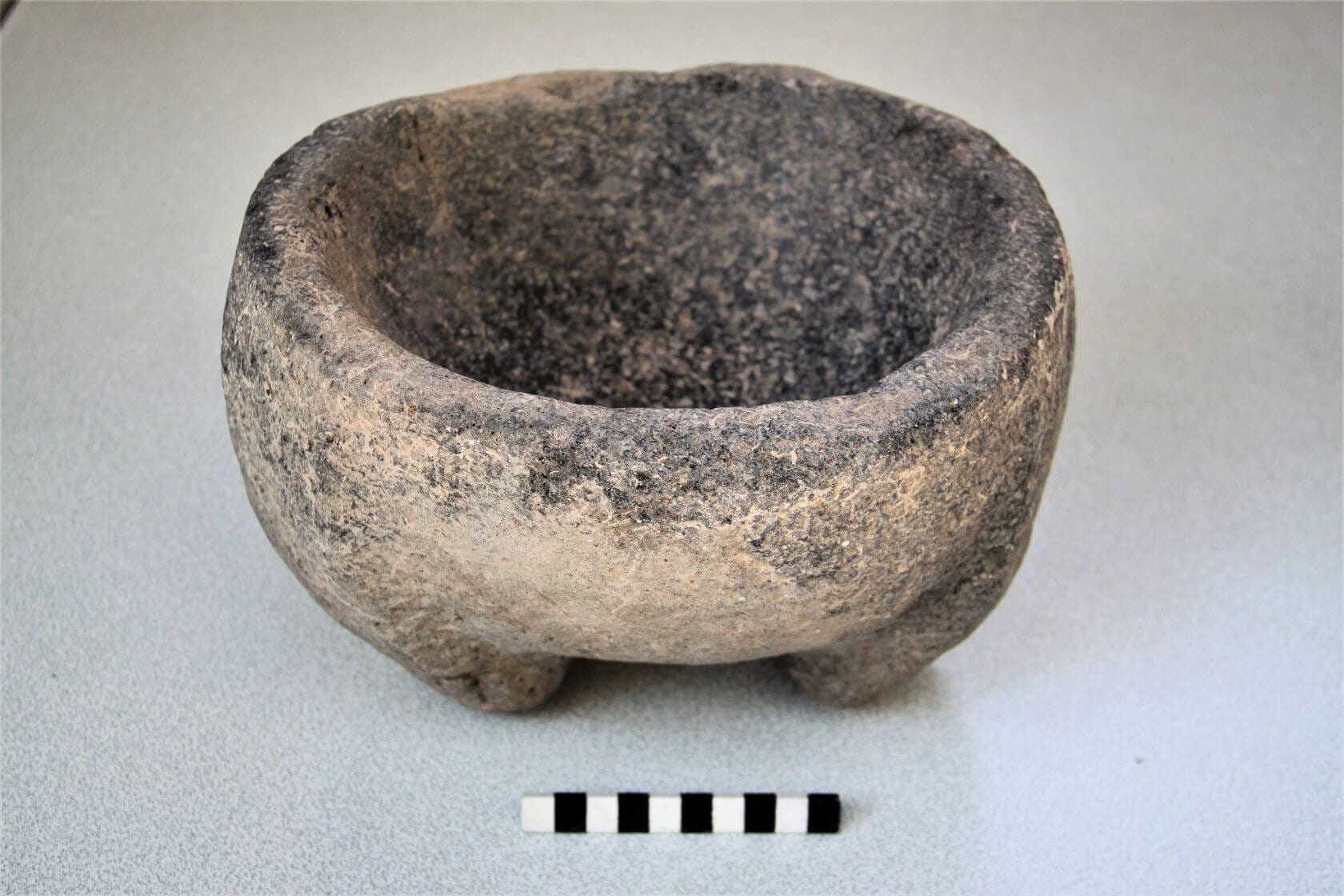
The excavations revealed not only these millenary olive seeds but also basaltic grinding stones presumed to be used to produce olive oil.
“Olive seeds were found in all Early Bronze Age and Middle Bronze Age levels in Oylum Höyük. Some of the olive seeds were found in the Middle Bronze Age I (2000 – 1800 BC) Palace, which ended with a fire,” said Atilla Engin, the archeology professor at Gaziantep University responsible for the excavations.
“The olive seeds recovered from the monumental Middle Bronze Age Palace were dated to between 1900 – 1725 BC according to radiocarbon analysis. The archaeological materials uncovered in the same layer also confirmed this dating,” Engin told Olive Oil Times.
According to the archeologist, the seeds are thought to be of old local olives and the reason these 4,000-year-old samples survived is that they are burned and charred. This prevented the decay that other millenary herbal organic materials succumb to.
A mound formed by the overlap of the settlement layers for thousands of years, Oylum Höyük was one of the most important cities and administrative centers of the ancient Near East during the Bronze Ages (3100 – 1200 BC). Engin believes it was the capital of the Nuhasse country in this period.
“We have been able to reach the Late Chalcolithic Age (3500 – 3000 BC) layers in Oylum Höyük. However, according to the surface finds, the mound has been inhabited since the Neolithic Age and shows a continuity of 9,000 years of settlement,” he said.
Oylum Höyük is not the first archaeological center where olive seeds were found, but the recently discovered seeds are among the earliest, Engin declared. “Olive seeds were uncovered in the layers of the Middle Bronze Age (2000 – 1600 BC) of Oylum Höyük in the last and previous excavation seasons. Previously, we found olive seeds in the Late Early Bronze Age (2500 – 2100 BC) layer,” he detailed.
The province of Kilis is home to the olive groves cultivated at the highest altitude (900 – 1,000 meters) in Turkey. The Eastern Mediterranean Region, where Kilis is located, is the homeland of olives and the region from where olives spread to the world.
“This region is the motherland of olive. The use of olives as a food in this region may be as old as human history. The earliest written documents on the production and trade of olive oil were found in ancient Ebla (Tell Mardikh,) located in Northern Syria, about 100 km south of Oylum Höyük,” said Engin.
“According to Ebla’s cuneiform tablets dating to 2400 – 2300 BC, Ebla exported 700 tons of olive oil annually. It is thought that olive trees were first cultivated in this period in the region. Previously, olives were collected from olive trees growing naturally on the steppes,” he added.
Olive oil was very valuable in ancient times and both olives and olive oil had many uses in sectors other than food.
According to Ebla archives, olive oil was ten times more expensive than wine and double the price of sesame oil. During the Bronze Age it was also employed as light fuel in oil lamps and in drug, perfume and textile production.
Olive oil was important for the mining industry as it was used to increase the temperature of the wood that helped burn metals. All these features probably contributed to bringing olives and olive oil from the Eastern Mediterranean to the Western world during the Bronze Age, Engin explained.
Some of the 4,000-year-old seeds found in Oylum Höyük were sent to laboratories for examination. Engin said that the Olive Research Institute at Antakya University investigates the relationship between these millenary seeds and the local olives and that similar research collaborations with other institutions are likely.
Some of the seeds will be preserved to be exhibited along with the grinding stones at Kilis Museum, expected to open soon.
Related Articles

Sep. 26, 2025
Turkish Producer Monsida Eyes Global Markets After Record Harvest
After decades of experience in the olive oil sector, the producer behind Monsida is betting on early harvest endemic monovarietals to break through at home and abroad.

May. 1, 2025
Pope Francis: A Legacy of Peace and Environmental Advocacy
Pope Francis, a champion of the poor and marginalized, is remembered for his commitment to peace, climate action, and inter-religious dialogue.

Sep. 29, 2025
New Initiatives Promote Olive Oil Culture in Northern Italy
New projects are advancing olive oil culture in northern Italy, with the opening of an oleoteca and a collective highlighting top-quality producers.
Jan. 28, 2026
How Extra Virgin Olive Oil Elevates Traditional Neapolitan Pizza
One of the world's most celebrated pizza makers, Salvatore Salvo of Pizzeria Salvo in Naples shares his insights on pairing pizza and extra virgin olive oil.

May. 22, 2025
The Ongoing Controversy of Flavored Olive Oils
Market research predicts the flavored olive oil category will grow more quickly than the rest of the olive oil category.
Dec. 1, 2025
Turkey Braces for Sharp Drop in Olive Oil Output as Weather and Costs Take Toll
Producers across Turkey report one of the most challenging seasons in years, with poor fruit set and severe drought expected to push olive oil output sharply lower.

Oct. 28, 2025
Olive Oil Train Enlivens 'Frantoi Aperti' in Umbria
The annual Frantoi Aperti celebration is underway in Umbria, where vintage railcars and guided tastings are adding new momentum to one of Italy’s most beloved olive oil events.
Nov. 21, 2025
Somontano Secures PDO Status, Boosting Traditional Producers in Aragón
Producers in Aragón are celebrating the new PDO for Aceite del Somontano, which protects native olive varieties and centuries-old terraced groves shaped by the Pyrenees.