



Spanish Growers Eye Indian Market for Table Olives
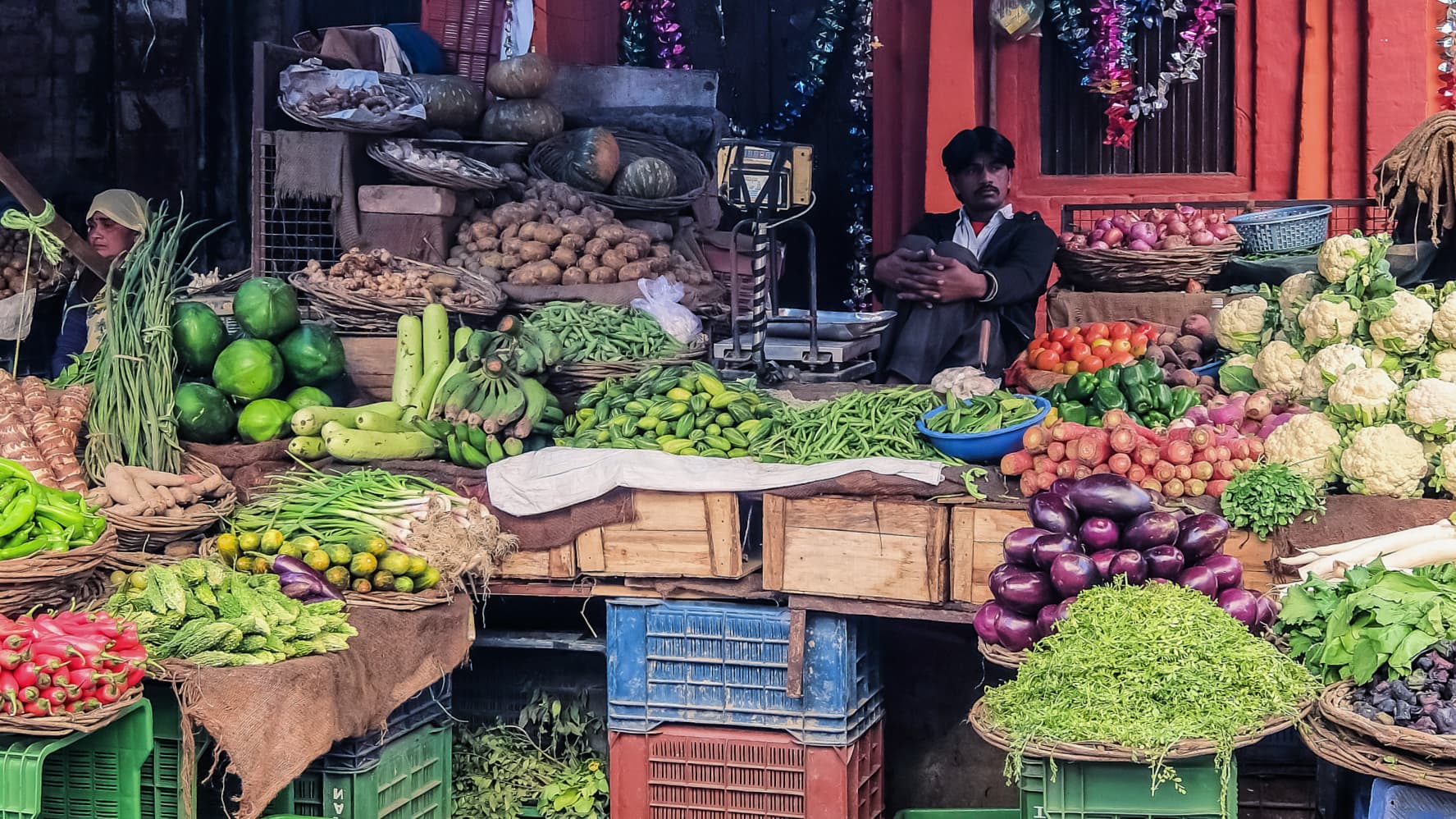

A report from the Spanish Institute for Foreign Trade (ICEX) highlights India as a promising market for Spanish table olive producers, with rising consumption and significant growth in imports. Spanish olives are the most consumed in India, with the country being the fourth-largest Asian market for olive oil exports from Andalusia, presenting opportunities for Spanish companies to expand in India through joint ventures and strategic alliances.
A new report from the Spanish Institute for Foreign Trade (ICEX) has identified India as a promising market for the country’s table olive producers.
“Olive consumption in India is increasing, with a compound annual growth rate of 4.2 percent from 2024 to 2030,” ICEX officials wrote in the report’s introduction. “Spanish olives have a consolidated presence in India as they are the most consumed.”
Data from the Spanish Ministry of Industry, Trade and Tourism demonstrates that India’s appetite for Spanish table olives has grown significantly.
See Also:Rising Olive Oil Imports Contribute to Spain’s Trade Deficit with ArgentinaIn 2005, India imported 2,464 tons of table olives from Spain, valued at €400,000. By comparison, the world’s most populous country imported 3,813 tons in 2022, valued at €5.95 million.
Spain is India’s leading supplier of olives, holding 33 percent of the market share in prepared and preserved olive categories. Egypt, Morocco, Turkey, the United States, Italy and Portugal follow.
According to the ICEX report, rising table olive consumption is primarily fueled by young Indians. However, the 30 percent tariff on Spanish table imports impedes faster growth.
The average price per kilogram of whole pitted green olives in India is 547.78 rupees (€6.10), while black olives are priced at 857.98 rupees (€9.56), slightly higher than the average price in Spain.
Indian companies import olives in bulk and distribute them under their brand names, often emphasizing their Spanish origin. They distribute the olives in the restaurant and hospitality sectors and retail, with increasing sales on e‑commerce platforms.
While some olive cultivation has started to take root in the arid northwestern Indian state of Rajasthan, annual production is relatively low and unlikely to increase significantly soon.
Data from Vilcon, a strategic consultancy, indicate that India currently boasts 20,000 hectares of olive groves and produces about 700 tons of olive oil and 400 tons of table olives annually.
Along with table olives, India is an emerging market for Spanish olive oil producers.
According to Andalucía TRADE, there is significant market potential in Asia. Export sales reached €31 million in the first four months of 2023, accounting for 88 percent of Spain’s total exports to the continent.
India is now the fourth-largest Asian market for olive oil exports from Andalusia. Spain’s largest olive oil-producing region is responsible for most of the country’s olive oil exports to Asia.
In the first four months of 2023, Andalusia exported €117 million of olive oil, accounting for 70 percent of Spain’s total exports, while Catalonia (Spain’s fourth-largest producing region) followed with 18 percent. Reports indicate that olive oil sales in India exceeded €9.9 million during the same period, marking a 31 percent increase.
India has also experienced significant growth in the consumption of healthy foods, driven by traditional distribution and online commerce. This trend is primarily attributed to the country’s rapid digitalization, which has enhanced e‑commerce growth.
Still, data from Vilcon show that 80 percent of Indians purchase olive oil in hypermarkets and supermarkets, while 12 percent buy olive oil online.
Sumedha Dasgupta, a senior analyst at the Economist Intelligence Unit, told Olive Oil Times that India is an increasingly popular place for a range of Spanish companies to do business.
“Given India’s massive market and rapidly expanding economy, Spanish enterprises have sought to make investments in India,” he said.
“Numerous Spanish businesses have established themselves [in the Indian market] through joint ventures, subsidiaries or other strategic alliances,” Dasgupta added. “Areas like biotechnology, agri-food products, medicines and tourism can lead further growth in synergy between the two nations.”
The ICEX report concluded that the keys to success in the Indian market include catering to local consumer preferences, building solid relationships with distributors and retailers and complying with local regulations.
“Major difficulties Spanish companies looking to expand into India may face include comprehending local laws and customs and catering to the diverse requirements and tastes of Indian customers and companies,” Dasgupta said.
“A sizable consumer base and fast-expanding economy make India an alluring place to do business,” he concluded.
Related Articles
Jun. 19, 2025
The Role of Table Olives in Italy’s Culinary Heritage
From Taggiasca olives served cold in Liguria to stuffed, breaded and fried all’ascolana olives in Marche, regions across Italy incorporate their native varieties into the local food.

Apr. 23, 2025
This 185-Year-Old Spanish Olive Oil Co. Keeps Innovating to Meet the Moment
Sucesores de Hermanos López continue to look at market trends and adopt the latest technology and practices to maintain award-winning quality.

Jan. 22, 2026
Olive Oil Sector Weighs Opportunities and Risks as EU-Mercosur Deal Nears Approval
As the EU-Mercosur free trade agreement moves closer to approval, olive oil producers in Europe and South America are weighing new export opportunities against concerns over competition and market balance.

Jan. 22, 2026
EU Lawmakers Delay Mercosur Trade Deal After Narrow Vote
Less than a week after the EU–Mercosur trade deal was signed, the European Parliament voted to delay its approval pending a legal review.

Jan. 20, 2026
EU Audit Finds Gaps in Olive Oil Controls Despite Strong Regulatory Framework
A new audit by the European Court of Auditors finds that while E.U. olive oil rules are robust, uneven enforcement continues to undermine quality and traceability.

Feb. 26, 2026
Gold Award Marks a Standout NYIOOC Debut for Jaén Picual
Pago de Espejo earned a Gold Award at the 2026 NYIOOC, with co-owner Rosario Minchón Espejo crediting early harvesting, careful milling and a focus on balance for the debut win.
Aug. 11, 2025
Greece Pushes to Shield Two Iconic Agrifood Exports from 15% Tariff
Greece is seeking to shield key agrifood exports, including olive oil, table olives, feta and yogurt, from the new 15-percent U.S. import tariff, warning the levy could burden one of its most valuable trade relationships.

Mar. 16, 2026
Trade Group Tightens Standards for Certified Seal Program
The North American Olive Oil Association has introduced stricter standards for its Certified Seal program, including tighter chemical limits, shorter shelf-life parameters and expanded supply chain oversight.