



Olive Oil Snubbed in Study by Canola Reps

American and Canadian researchers found that canola oil and high-oleic canola oils can lower abdominal fat when used in place of other selected oil blends, as shown in a study presented at the American Heart Association’s EPI/NPAM 2013 scientific sessions. Previous research has also linked diets rich in monounsaturated fats, such as the Mediterranean diet with olive oil, to lower risk of metabolic syndrome, suggesting that including olive oil in the study could have been beneficial.
American and Canadian researchers found that canola oil and high-oleic canola oils can lower abdominal fat when used in place of other selected oil blends. The study presented at the American Heart Association’s EPI/NPAM 2013 scientific sessions in New Orleans, compared five oils in a randomized, controlled trial with 121 participants. These oils included canola oil, high-oleic canola oil, flax/safflower blend, corn/safflower blend and high oleic enriched with an algal source of the omega‑3 DHA. The results showed that those who consumed canola or high-oleic canola oils lowered their belly fat by 1.6 percent compared to those who consumed a flax/safflower oil blend.
It is not the first time that a diet rich monounsaturated fats has been related to lower risk of metabolic syndrome. Several scientific reviews have associated the Mediterranean diet rich in olive oil with lower risk of metabolic syndrome, noting that it was not due to only one component but to the whole eating pattern.
Knowing that olive oil has one of the highest percentages of monounsaturated fats among commonly used cooking oils (even canola), as well as being rich in several antioxidants and other protective components, it would make sense to include olive oil in such a study. Perhaps it was not included as this project was funded by the government of Canada, the Canola Council of Canada and Dow Agrosciences.
Related Articles

Jun. 19, 2025
Research Demonstrates Potential of Oleuropein in Bowel Disease Treatment
Oleuropein is well-known for its many therapeutic effects. A new study delves into its coloprotective mechanisms, opening the door to new treatment methods.
Feb. 23, 2026
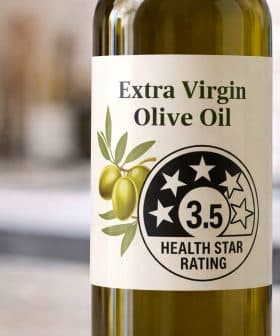
Australia and New Zealand Producers Warn Health Star Ratings Could Undercut Olive Oil Messaging
With Health Star Ratings set to become mandatory, olive oil producers say the algorithm penalizes extra virgin olive oil and overlooks compounds linked to its health benefits.
Apr. 29, 2025
Study Confirms Olive Oil's Role in Weight Management
A review of 121,119 participants in the Nurses' Health Study found that consuming olive oil is associated with reduced weight gain over time.

Jun. 23, 2025
Olive Pomace Ash Shows Promise as Eco-Friendly Cement Substitute
Replacing up to 20 percent of the cement used in mortar production with olive pomace ash lowers the environmental impact of cement production without compromising mortar quality.
Jun. 25, 2025
Yeast Study Finds Solution for Olive Mill Wastewater Treatment
A new study explores using Yarrowia lipolytica yeast to convert olive mill wastewater into valuable compounds, potentially benefiting various industries.
Feb. 2, 2026
Study Finds Virgin Olive Oil Linked to Better Gut Health and Slower Cognitive Decline
New research suggests that virgin and extra virgin olive oil may support brain health by shaping the gut microbiota, while refined oils show weaker effects.

Jan. 5, 2026
Scientists Identify Xylella-Tolerant Olive Varieties and Test Heat Treatments
The BeXyl project has identified olive varieties with greater tolerance to Xylella fastidiosa and reported early results from an experimental thermal treatment against the bacteria.
Jun. 28, 2025
Oleacein: The Promising Phenolic Compound in Extra Virgin Olive Oil
Oleacein, a phenolic compound found in extra virgin olive oil, has antioxidant, anti-inflammatory, and potential anti-atherosclerotic properties with significant impacts on human health.