Switching From Coconut Oil to Olive Oil Can Be Good for Your Heart
Coconut oil is as bad as beef fat and butter, according to new research by the American Heart Association.
Coconut oil is as bad as beef fat and butter, according to new research by the American Heart Association.
Often sold as a health food product, coconut oil is promoted as having fat content that’s better for people than other saturated fats. The AHA, however, states there are no credible studies to support such a claim. In fact, coconut oil is packed with saturated fat that can increase so-called “bad” cholesterol, according to the study.
Scientific research overwhelmingly supports limiting saturated fat in the diet to prevent diseases of the heart and blood vessels.
The research showed 82 percent of the fat in coconut oil is saturated. That’s more than the amount in butter, 63 percent, and beef fat, 50 percent. Eating a diet high in saturated fats can raise the level of low-density lipoprotein cholesterol in the blood. This may result in clogged arteries and increased risk of heart-related conditions.
“We want to set the record straight on why well-conducted scientific research overwhelmingly supports limiting saturated fat in the diet to prevent diseases of the heart and blood vessels,” Frank Sacks, lead author of the report, said.
The AHA’s report also said replacing coconut oil with alternatives such as olive oil and sunflower oil, can help reduce cholesterol levels and risk of heart disease as much as statin treatment.
Evidence from randomized controlled trials suggested that swapping out saturated fat with unsaturated vegetable oil reduced the chance of cardiovascular disease by 30 percent. The effect was similar to results achieved by cholesterol-lowering medication.
The organization recommends cutting down saturated fat intake as much as possible.
“Saturated fats can increase the risk of heart attacks, strokes and other blood vessel diseases,” Sacks said.
Saturated fats are typically found in meat, full-fat dairy products and tropical oils such as coconut oil and palm oil.
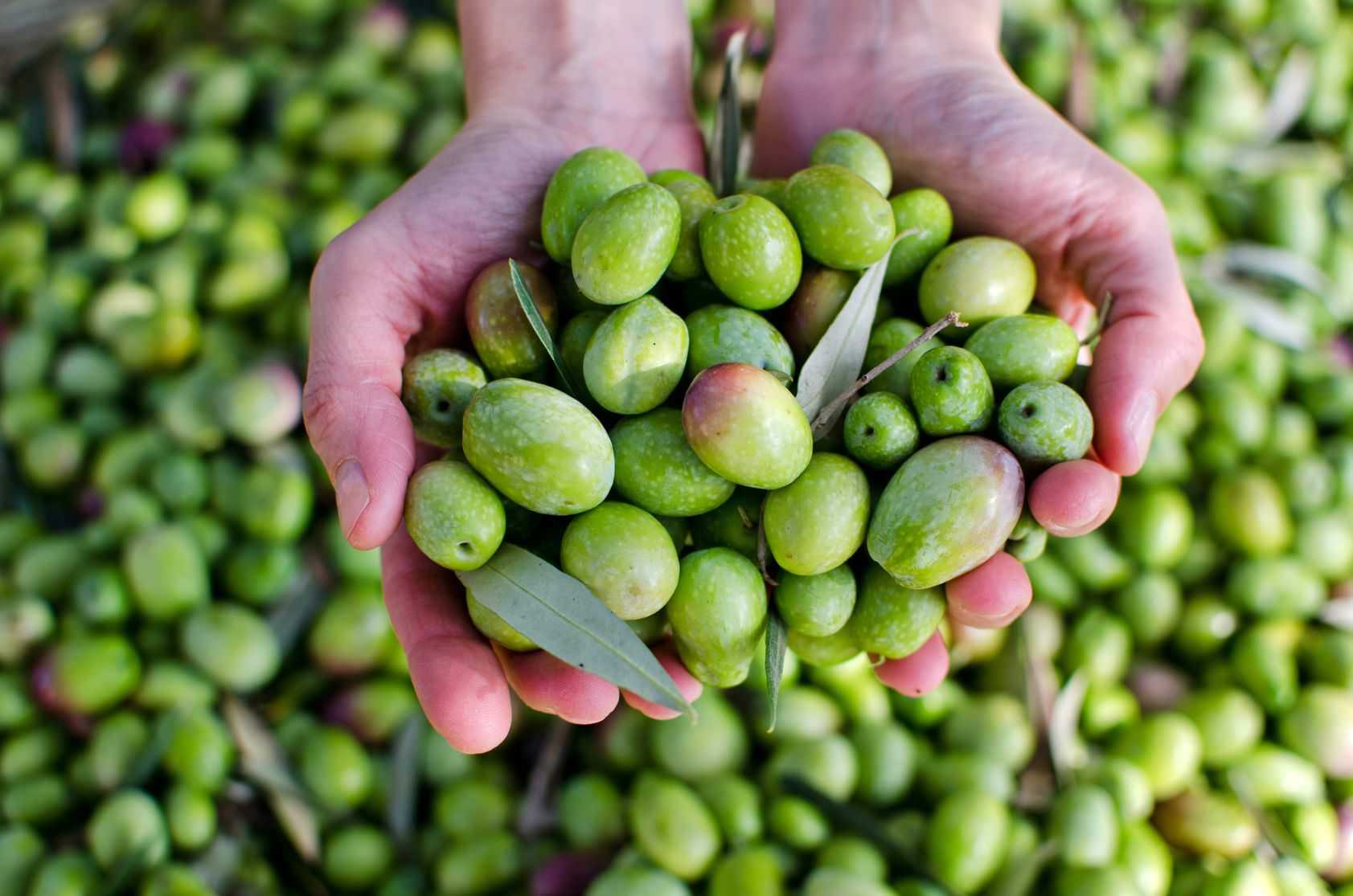
Health advice in regards to what types of fats are good to eat can sometimes be puzzling. Animal fats, such as those found in butter and lard, are considered bad, while plant-based oils, such as olive oil and sunflower oil, are viewed as healthy options. This wisdom is based on saturated fat content and the idea that saturated fats are bad.
“To eat well for your heart health is not just about reducing fat but reducing specific types of fat and taking care over what these are replaced with, such as unsaturated fats and whole grains, rather than sugars and refined carbohydrates,” Victoria Taylor of the British Heart Foundation told the BBC.
“Any change should be viewed in the context of a whole diet approach. The traditional Mediterranean diet has benefits for a range of risk factors for heart disease, not just cholesterol levels.
“We recommend replacing the saturated fats in the diet with unsaturated fats, like using oils instead of butter and choosing foods like avocado, oily fish, nuts and seeds instead of foods high in saturated fats like cakes, cookies, chocolate and fatty meat.”