Olive Tourism in Jordan
A local tourism company is promoting visits to olive farms in Umm Qais, northern Jordan.
Visitors to the town of Umm Qais in northern Jordan used to stay only a couple of hours to view the Roman ruins of Gadara. But now, thanks to a sustainable tourism program focused on culture and agricultural products, visitors often stay two or three days, according to Muna Haddad of Baraka Destinations, a tourism company in Amman. The autumn olive harvest features in the tourism offerings.
Tourists, expats, and even local Jordanians are interested in participating in an olive harvest.
Baraka Destinations started its pilot project in sustainable tourism development at Umm Qais in 2015. After meeting with community members, they decided to develop agritourism and ecotourism. “There are so many sites we go to that we’re so distant from,” Haddad said of Jordan’s focus on archeology. “We’re trying to connect tourists to people, to the living history.”
Since the opening of Beit al Baraka in April 2017, the bed and breakfast in Umm Qais has welcomed more than 1,000 guests. From the B&B, Baraka offers a menu of cultural and outdoors activities, including beekeeping, hiking, biking, basket making, cooking classes and, during harvest season, a visit to an olive orchard. Forty families in Umm Qais and nearby Pella have started micro-businesses under the tourism company’s guidance.
Umm Qais is in the Irbid governorate, inside Jordan’s fertile crescent. According to an August, 2017 report from Jordan’s Department of Statistics, Irbid is the country’s largest producer of olives. In 2015, 2,383,686 trees produced 71,853 tons of olives and 11,611 tons of olive oil. This makes it Jordan’s most important olive-growing region, and a natural for food tourism.
According to Haddad, families around Umm Qais typically own 100 to 500 trees. A few families still follow the tradition of spending the day harvesting their trees together, stopping for a picnic lunch. But many now employ workers. Haddad estimates that it takes six workers 25 days to harvest 500 trees. They can pay for pressing their olives at the local olive press with money or oil.
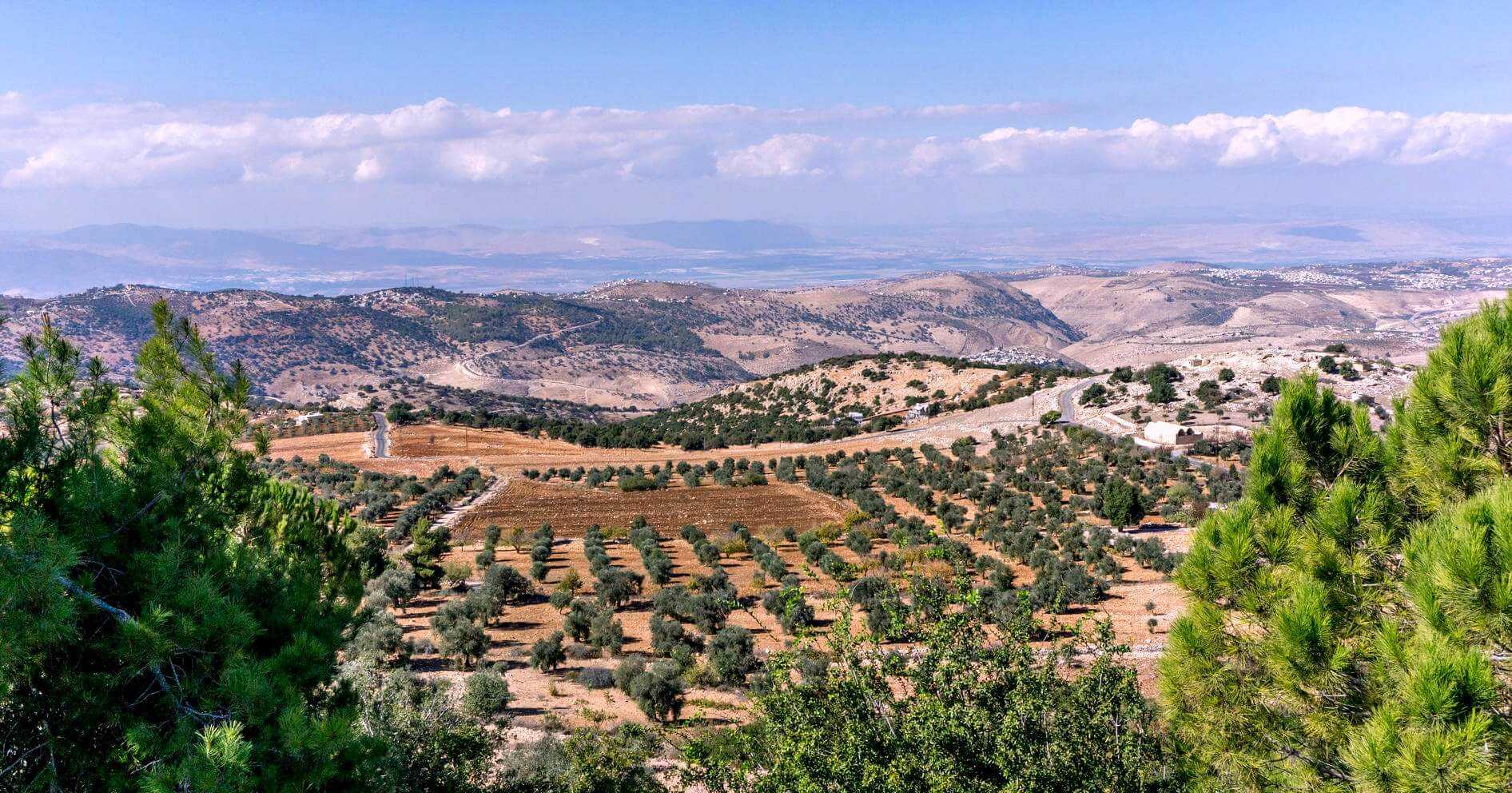
The Jordan Valley
Tourists who visit Umm Qais during the autumn olive harvest can arrange to picnic in an olive orchard. Visitors then pick olives and learn to sort out the leaves and twigs. Most only participate briefly, choosing instead to watch the professionals do the hard work. Afterwards, they visit an olive press to see oil being made.
“Tourists, expats, and even local Jordanians are interested in participating in an olive harvest,” Haddad said. “It’s unfortunate that the harvest is such a small window as we have people inquiring about availability after the season has ended.”
Since Baraka Destinations started offering cooking classes in April 2017, more than 200 Umm Qais visitors have cooked Jordanian dishes in a local woman’s kitchen. During harvest season, cooking students learn to make pickled olive salad and a fennel and anise-spiced bread heavy with olive oil.
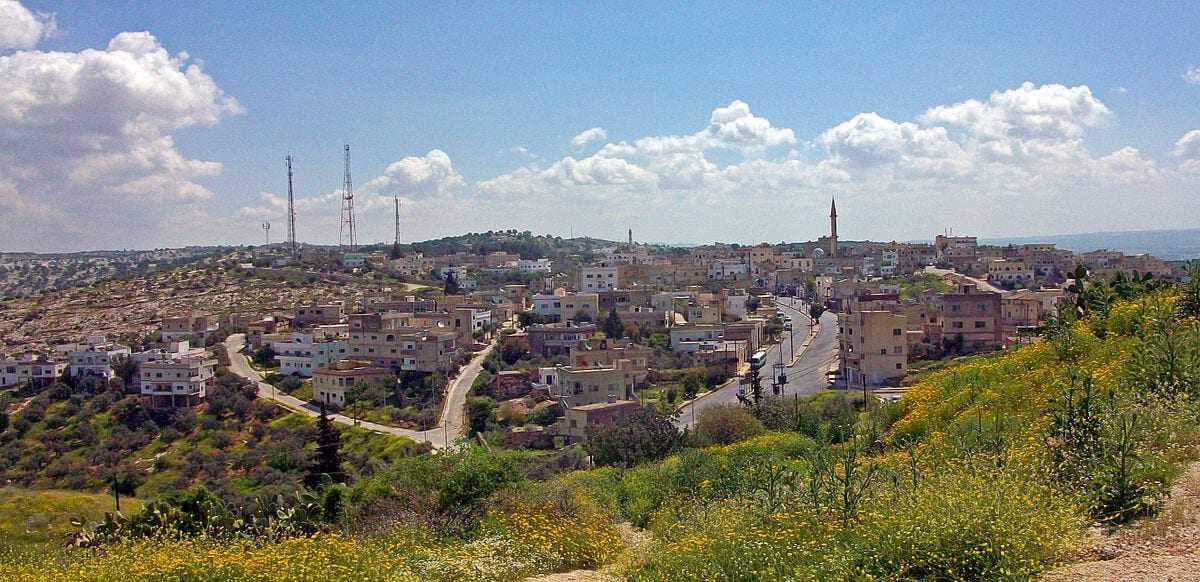
Umm Qais
USAID has long supported Jordan’s tourism, and is currently running a $36 million, five-year program called Building Economic Sustainability through Tourism (BEST). BEST aims to increase tourism receipts by 15 percent, boost the number of women in the tourism workforce, bring more people to Jordan’s secondary sites, create more tourism jobs and increase both international and domestic tourism in Jordan.
In February of 2017, USAID announced a partnership with TripAdvisor to develop sustainable tourism and develop Jordan’s digital presence. With the rising popularity of experiential tourism, activities like picking olives, weaving baskets and taking cooking classes promise to intrigue tourists visiting Jordan.
- Jordan Department of Statistics 2015 report on olive oil
- USAID Building Economic Sustainability through Tourism