Agricultural Entrepreneur Has Sights Set on Brazil’s Olive Oil Sector
The founder of Azeite Batalha is working to promote olive oil production in Rio Grande do Sul and consumption across Brazil.
One of the most significant Brazilian regions for high-quality wine production is also home to some of the best extra virgin olive oil in the world.
Campanha Gaúcha is located in Rio Grande do Sul, Brazil’s southernmost state and its largest olive oil producer by a significant margin.
As our focus is extra virgin olive oil quality, we see a progressive improvement due to better harvesting techniques, equipment settings and knowledge and training of our employees.
Azeite Batalha is among Brazil’s top producers, growing olive trees on more than 500 hectares on the 31st parallel.
The company’s Black and Intenso brands, both medium blends, earned two Gold Awards at the 2022 NYIOOC World Olive Oil Competition, the world’s largest olive oil-quality contest, for the second consecutive year.
See Also: Producer Profiles“[It’s] a confirmation that we are on the right track, which is why we submit our extra virgin olive oils to the experts,” owner Luiz Eduardo Batalha told Olive Oil Times.
“We feel very proud that our olive oils are recognized as among the best in the world. And that is even more relevant in Brazil, which does not have a long tradition of olive growing culture,” he added. “Eight years after our first harvest, we have collected more than 40 international awards.”
Batalha noted that these awards have served as an independent confirmation of their high-quality work and also improved the company’s profile among its customers.
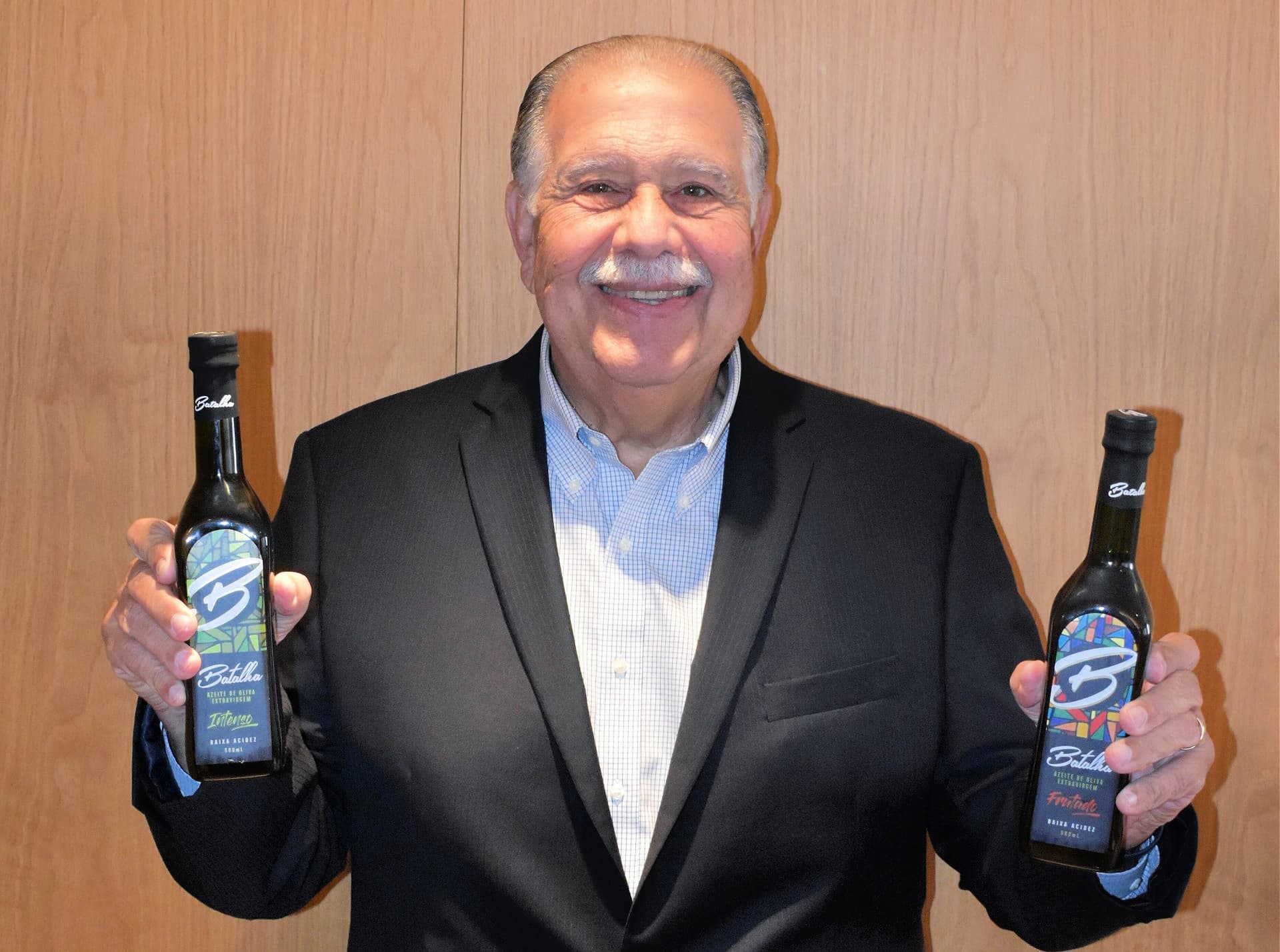
Luiz Eduardo Batalha
Before planting his first olive trees, Batalha had a long track record as a businessman with various tourism, manufacturing and agriculture ventures.
In 1973, the Batalha family bought its first farm in the state of São Paulo to start a coffee plantation. They later started to breed Mangalarga horses and exported them to Europe and the United States.
By 1976, Batalha decided to try his hand at tourism, building a resort. A year later, he founded a construction and allotment business and then launched a successful cattle ranching enterprise in Minas Gerais and Mato Grosso.
“We have been in the agriculture business for five decades but only began to grow olive trees in Pinheiro Machado in 2010,” Batalha said.
Pinheiro is one of the oldest settlements on the southern edge of Campanha Gaúcha. It is known for its hilly landscape and temperate oceanic climate, with average temperatures between 7 ºC and 28 ºC.
“This area is known to have one of the best Brazilian terroirs and is renowned for its vines,” Batalha said. “Here, we found a perfect climate and soil to grow olive trees.”
Batalha invested in modern machinery in his quest for quality and founded state-of-the-art olive oil mills.
“We imported the equipment from Pieralisi, in Italy, which is considered among the best in the world,” he said. Batalha added that he founded two separate farms, each with its own mill, to reduce the time between harvest and transformation.
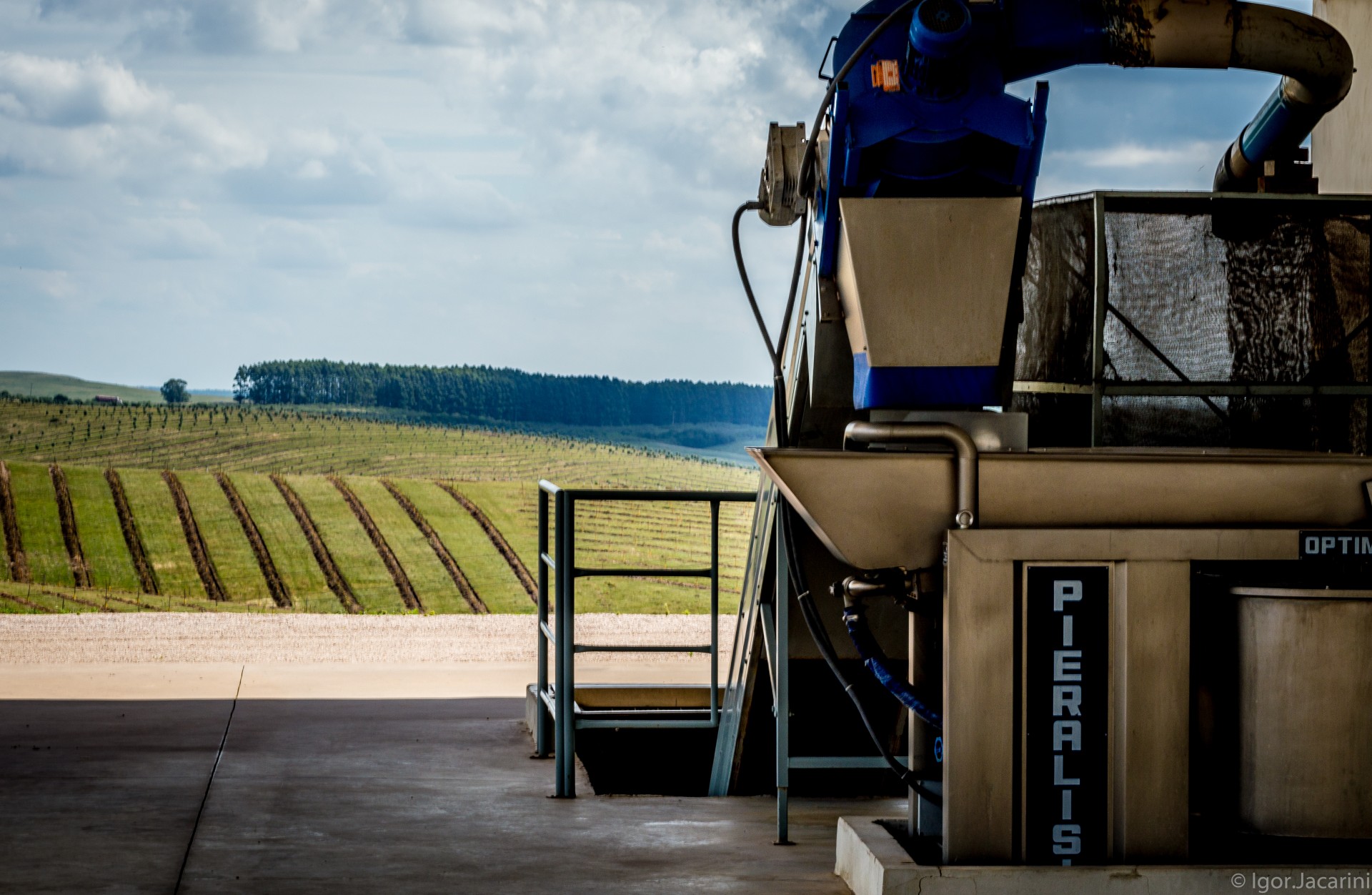
Photo: Igor Jacarini
“Thanks to those two mills, we have been able to promote olive tree cultivation in the region while also guaranteeing other local farmers could count on a high-quality mill to transform their olives,” he said.
“We are very focused on the developing opportunities for the region,” Batalha added. “We can count on a great relationship with the other farmers and some ongoing institutional partnerships with the [state-owned] Brazilian Agricultural Research Corporation (Embrapa) and some universities whose researchers conduct tests and analyses in our olive groves.”
“In 2021, we were responsible for processing approximately half of the olive oil produced in Brazil,” he continued.
In the 2021/22 crop year, Brazil produced an estimated 140 tons of olive oil, with 90 tons produced in Rio Grande do Sul.
Batalha’s farm comprises approximately 140,000 olive trees, mainly of the Arbequina, Arbosana, Koroneiki, Picual, Coratina and Frantoio varieties.
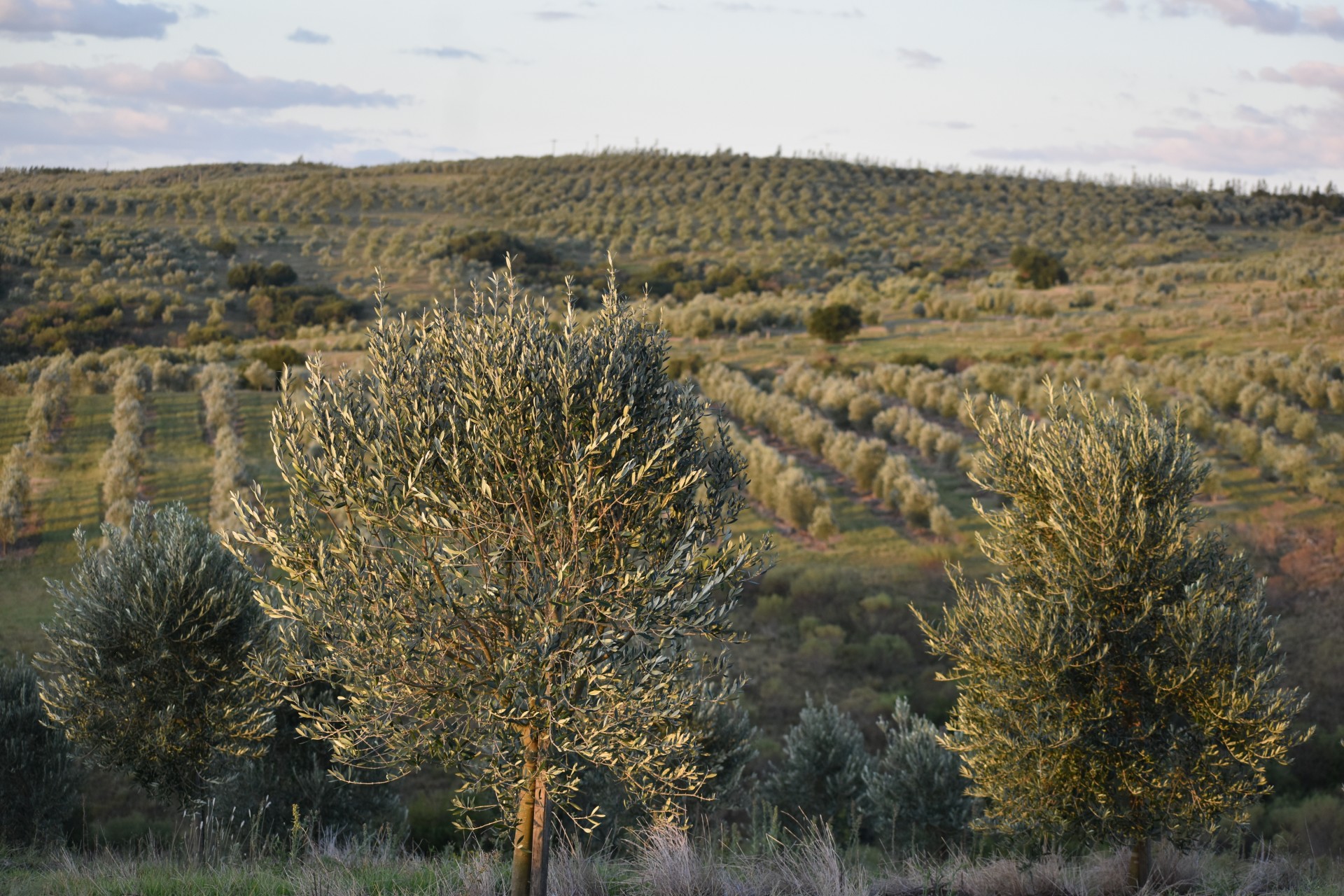
“We constantly visit the groves and keep an eye on the trees’ needs in terms of soil quality, spraying, pruning, spacing and all other farming aspects that might affect the trees,” Batalha said.
Most of the olive trees are relatively young. As a result, yields are expected to increase in the future. Batalha added that production volumes increase as he becomes a better olive farmer and learns more about the trees.
“We expect 2023 to be our production record year,” he said. “We have 11-year-old olive trees producing up to 120 kilograms of olives.”
The average processed olive oil yield in recent years for Azeite Batalha has been 12 percent.
“Olive yields vary significantly depending on the cultivar,” he said. “As our focus is extra virgin olive oil quality, we see a progressive improvement due to better harvesting techniques, equipment settings and knowledge and training of our employees.”
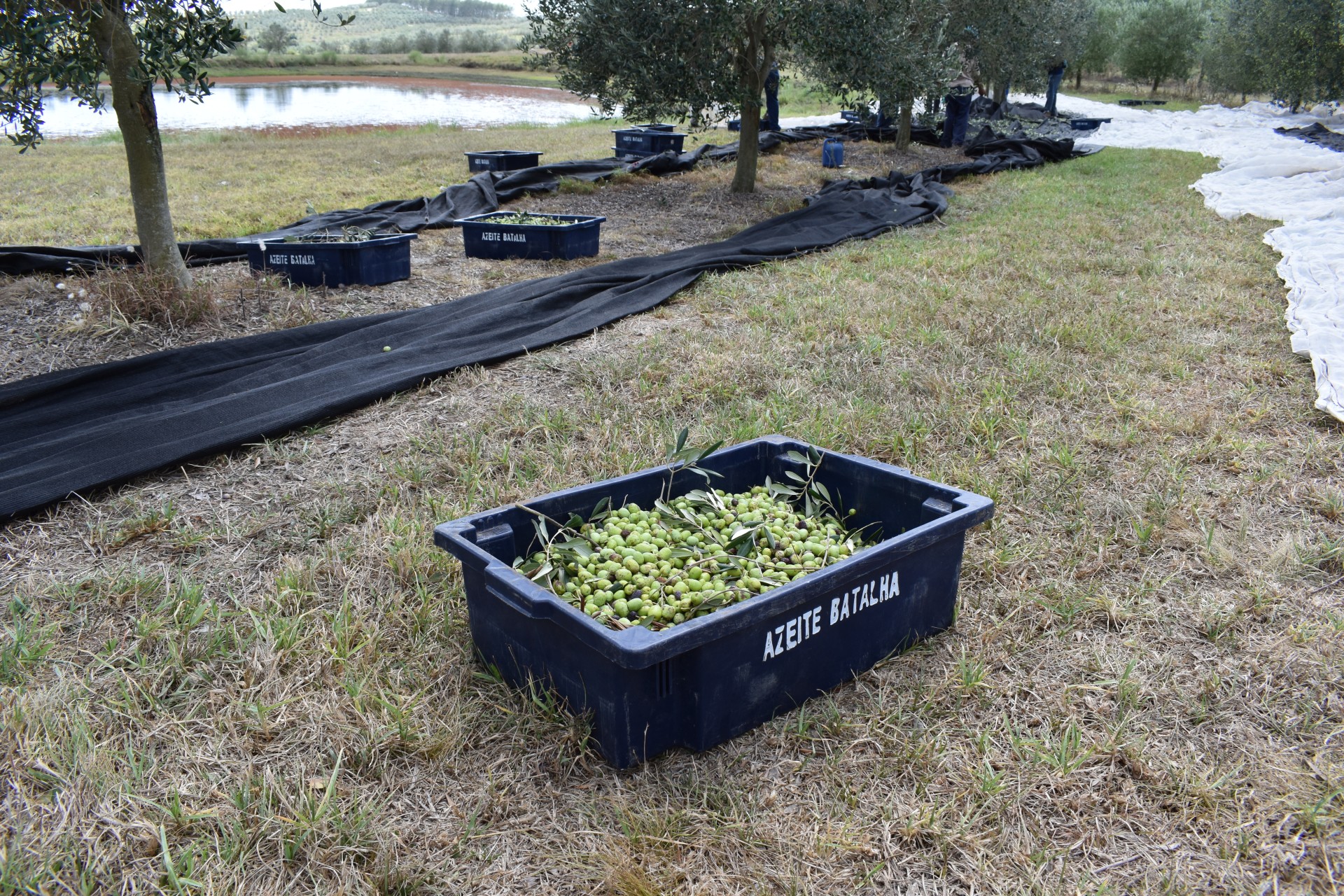
“For instance, at the mill, we always carry out preventive maintenance and cleaning of all our machines and equipment,” Batalha added. “We have a quality technician dedicated to analyzing and maintaining the olive oil processing, storage and packaging facilities in perfect condition.”
Every cultivar is harvested according to its specific needs, and the resulting olive oil is stored in variety-specific stainless steel tanks.
According to Batalha, olive oil consumption in Brazil will continue to rise. “We have seen significant changes in the past few years,” he said. “People are becoming more aware of the health benefits of extra virgin olive oil consumption, and starting to look for higher quality products” based on its organoleptic characteristics, colors, aromas and flavors.
“It is an ongoing process,” Batalha added. “It will take some time for Brazilians to correctly differentiate good and bad olive.”
“In the last couple of years, we have been promoting many tastings at the points of sale, and we are soon going to launch an olive oil blog on our website,” he continued. “We also promote visits from groups to our olive groves mills, where we organize workshops on the olive oil production process and offer tastings.”
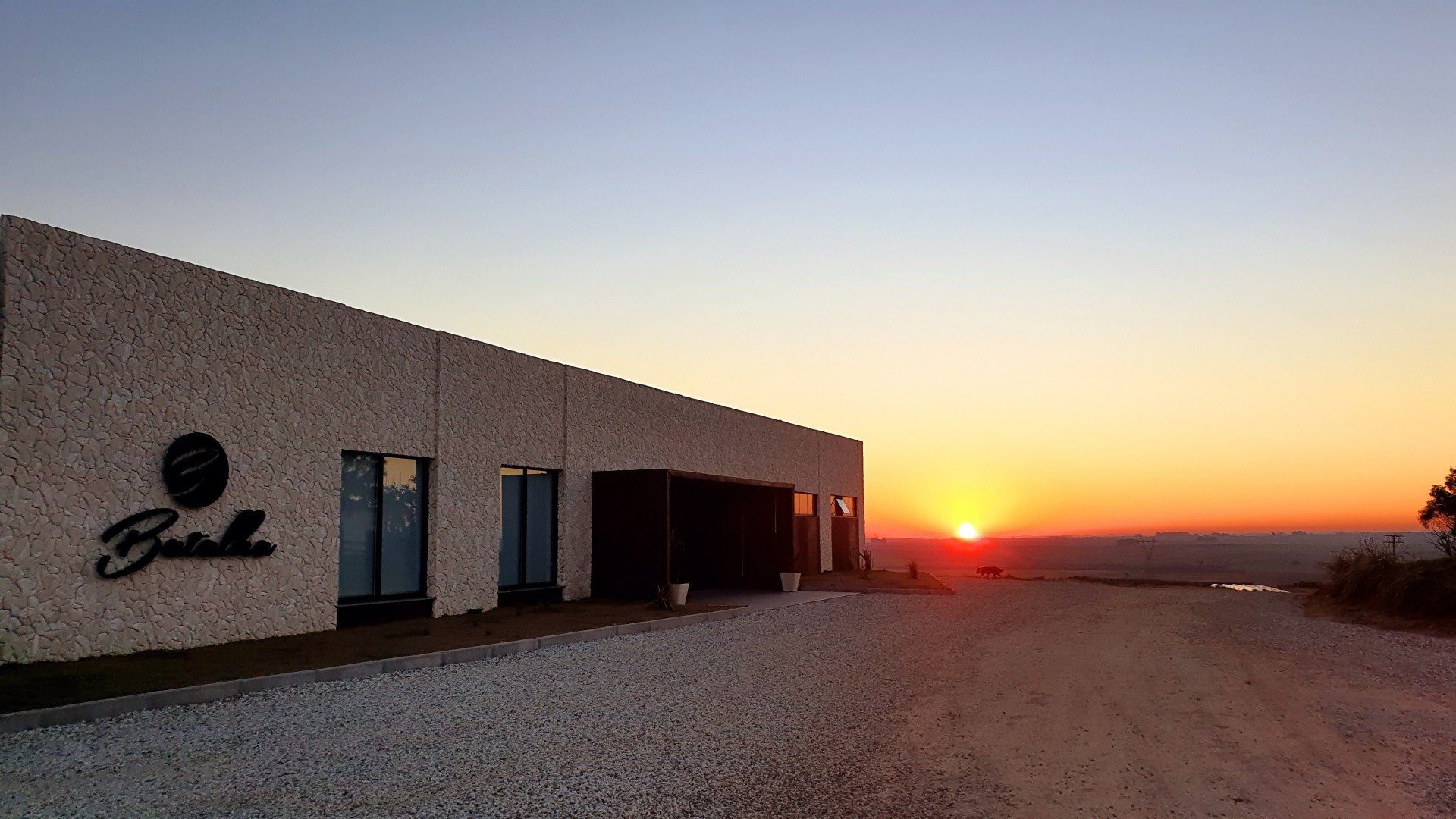
While the impacts of climate change are among his concerns, the Brazilian farmer said his farm is well-placed to adapt since the trees are very young, at least in the short term.
“If we continue to deteriorate our environment and, as a consequence, our climate, our olive trees will end up suffering from those changes,” he said.
Ever the entrepreneurial spirit, Batalha decided to face the challenges posed by climate change by creating a new forestry project to produce wood pellets for use as biomass fuel.
“We have to focus on things we can control,” he said. “At the moment, our biggest challenge is to keep the trees healthy and proceed with harvesting operations as quickly as possible, harmonized to the mill capacities.”
“Our focus is always on improving, on training our people, better our equipment and upgrading our techniques,” Batalha concluded.