



Mild Temperatures Worry Olive Growers in Central and Northern Italy
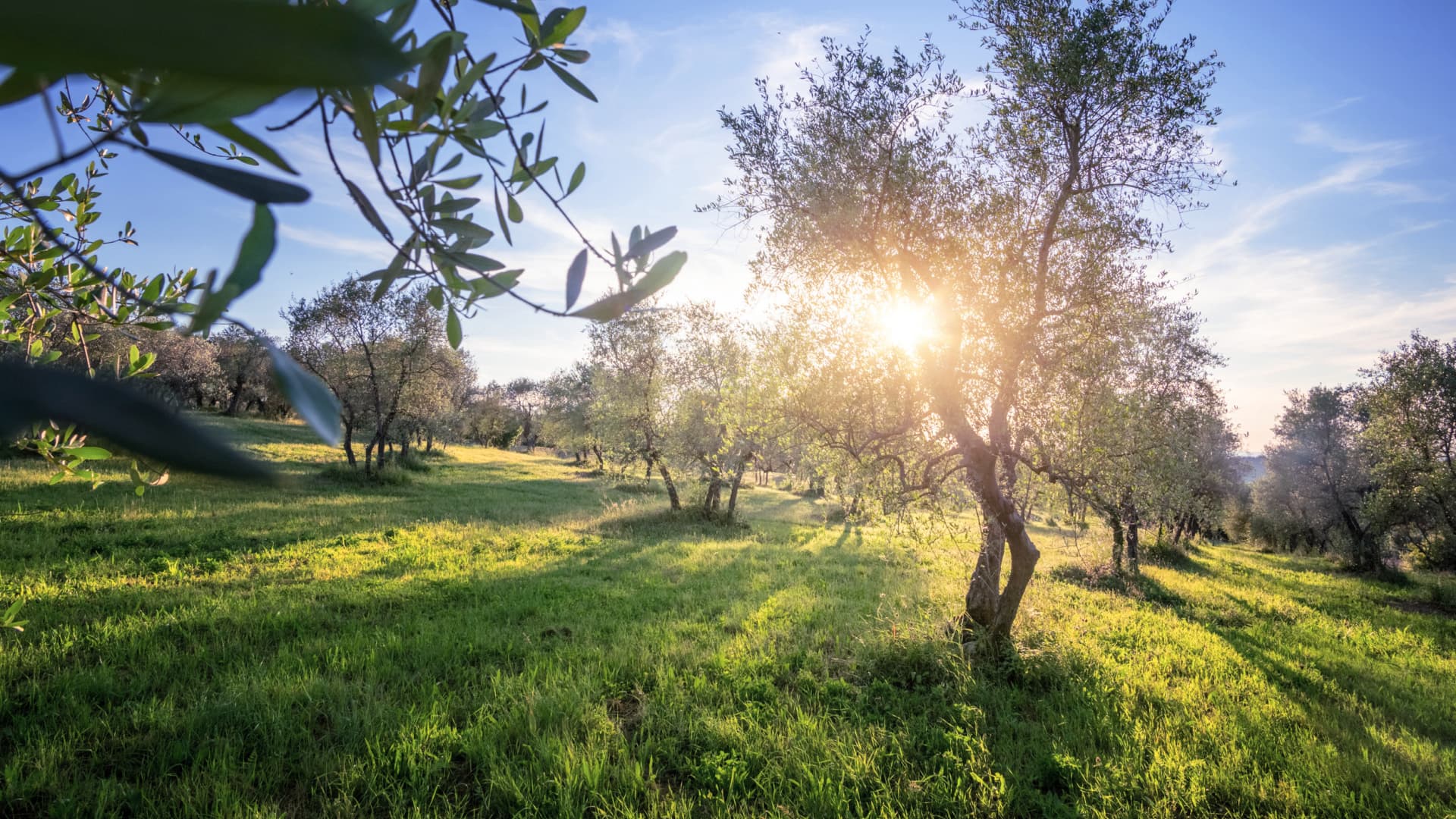

Cooler temperatures and July rains in central and northern Italy have created ideal conditions for the spread of the olive fruit fly, leading growers to intensify monitoring and treatment efforts to protect the upcoming harvest. The olive fruit fly infestations have been reported in various regions of Italy, with different areas experiencing varying levels of infestation and authorities advising growers to take timely interventions to combat the pest.
The combination of July rains and cooler-than-average temperatures in central and northern Italy has created ideal conditions for the spread of the olive fruit fly.
Growers and regional authorities are intensifying monitoring and treatment efforts to protect the upcoming harvest.
According to the latest data from the European Union’s Copernicus Climate Change Service, in large areas of Europe, July has proved slightly cooler than recent years.
See Also:Botanical Pesticide Outperforms Synthetic Alternative in Killing Olive Bark BeetleIn Italy, central and northern regions experienced repeated significant rainfall, which also contributed to reduced surface temperatures. Data show that in those areas, July was the coolest July of the last ten years.
Following an opposite trend, in those same weeks, most of southern Italy experienced a new heatwave that brought temperatures there to record levels, accompanied by a drastic lack of rainfall.
For olive growers in the central and northern regions, mild average temperatures raised the risk of olive fruit fly infestations.
While several central and northern regions are reporting active infestations, national-level projections remain uncertain. Monitoring operations are active across the whole country.
The pest thrives with temperatures in the range of 20 ºC. Only extreme temperatures, such as above 35 °C, can halt infestations or even reduce their impact.
Abundant rainfall is also beneficial to the olive fruit fly, as water further stimulates reproduction.
In their continuous monitoring operations, Latium regional authorities and the producers’ organization OP Latium, in central Italy, released a series of bulletins about the current fruit fly situation.
The organization’s monitoring involves inspecting 20 randomly selected olives from each of ten olive trees per hectare, for a total of 200 olives examined per hectare.
In southern Lazio, up to the areas north of Rome, olive fruit fly damage has been found in two to five percent of the sampled olives.
Treatments are suggested when four to five percent of the olives are estimated to have been contaminated by an egg.
Farther north, in Canino, renowned for its extra virgin olive oil, infestations are now reaching 10 percent.
Growers in neighboring areas reported slightly lower infestations to Olive Oil Times.
Meanwhile, in another central region, Abruzzo, authorities updated their fruit fly warning to local olive growers.
At the end of July, they suggested intervening when olive trees bearing medium to large olives that had been infected. As August kicked in, they asked for broader monitoring of the current infestations.
“Maximum attention should be paid to olive fruit fly attacks following this week’s rainfall and the drop in temperatures, which are expected to remain relatively low for the next few days,” the authorities wrote.
“The current weather conditions are favorable to fly activity, and indeed, immediately after the rain, stings have been observed on olives, typically the larger ones, some of which are fertile,” they added.
See Also:How Farmers in Peru and Chile Work Together to Stop the Fruit FlyStings are considered fertile only when they come from flies depositing their egg in the olive. Even if not fertile, a sting found on an olive fruit can still signal a possible ongoing infestation.
“However, there are also olive samples from the coastal area that show no stings at all,” Abruzzan authorities wrote.
They asked growers to treat their olives against the fly even when only a minimal presence of the insect is found.
The note also remarked that in the absence of infestation, no treatment should be carried out, as it has no preventive effect.
The agronomic services monitoring infestations in Tuscany noted that, in monitored areas, infestations have been found in sampled olives 15 to 35 percent of the time, and are currently under treatment.
They are suggesting conventional olive growers proceed with treatments against the adult flies as soon as a five percent infestation is found.
“Plan adulticide treatments using insecticide and bait, anticipating the resumption of fly activity given the favorable conditions for the pest’s development, and keep the fruits protected with anti-oviposition products (kaolin, rock dust, manisol),” they wrote.
Tuscan authorities recommended that organic olive growers cover the foliage and fruits with anti-oviposition products.
“When daily catches exceed three or are increasing, apply treatments with adulticidal products and an attractant bait,” the authorities wrote.
According to the latest infestation map, updated in the first week of August, a large number of growers in Tuscany are reporting more than a ten percent fruit fly presence in their olives.
In northwestern Italy, in Liguria, as the pressure of the fly is found in all main growing areas, regional authorities are advising growers to proceed with treatments in August even if temperatures are now expected to rise.
In Veneto, in the northeastern part of the country, monitoring operations are showing that a timely intervention helped many growers keep infestation volumes down.
In their August bulletin, the regional authorities are suggesting continuing treatments where needed and maintaining the maximum degree of vigilance on the infestations.
Experts noted how the abundant presence of the olive fruit fly in some areas also stems from the mild winter, which favored the survival of the last generation of flies from the previous season.
While the pest can significantly affect both quality and yield, timely interventions, both conventional and organic, appear to have been effective so far.
As for the prospects of the new olive season, the results are still too early to call.
Most of the Italian olive and olive oil production comes from the southern regions. It is the performance of olive farms in those areas that will determine the volumes of the 2025/26 crop year.
The next olive harvest in Italy is expected to start in some areas in the first weeks of September, and to pick up pace between October and November.
Related Articles

Jan. 6, 2026
Chianti Classico PDO Celebrates New Harvest at Florence Event
The Chianti Classico PDO Oil Consortium marked its 50th anniversary with ‘Novo,’ a new event in Florence celebrating extra virgin olive oils from the latest harvest.

Jun. 3, 2025
Discounted Olive Oil Offers in Italy Spark Concerns Over Quality, Fair Pricing
Supermarkets in Italy are offering extra virgin olive oil at deeply discounted prices, raising concerns among producers about quality, fair competition, and the future of domestic olive farming.
Jan. 28, 2026
How Extra Virgin Olive Oil Elevates Traditional Neapolitan Pizza
One of the world's most celebrated pizza makers, Salvatore Salvo of Pizzeria Salvo in Naples shares his insights on pairing pizza and extra virgin olive oil.
Dec. 15, 2025
Young Sicilian Producer Revitalizes Ancient Groves with Innovation
A third-generation producer in western Sicily is combining family tradition, scientific training and innovative farming practices to produce award-winning olive oil while adapting to climate change.
Sep. 25, 2025
Poetica Gin Captures the Spirit of Brač
In Postira I discovered Poetica Gin — a spirit that opens with herbs and finishes with olive fruit, capturing the taste of Dalmatia.
Mar. 26, 2026
Umbrian Osteria Uses Interactive Olive Oil List to Deepen Guest Engagement
A Michelin-recognized osteria in Montone is using a digital olive oil list and producer-made videos to connect diners with Umbrian extra virgin olive oils and the region behind them.

May. 1, 2025
Pope Francis: A Legacy of Peace and Environmental Advocacy
Pope Francis, a champion of the poor and marginalized, is remembered for his commitment to peace, climate action, and inter-religious dialogue.

Mar. 3, 2026
Italy’s Organic Food Market Nears €7 Billion as Demand Outpaces Supply
A new report says organic is expanding in Italy, but organic extra virgin olive oil remains a niche.