



Researchers Work to Identify Olive Varieties Best Adapted to Higher Temperatures
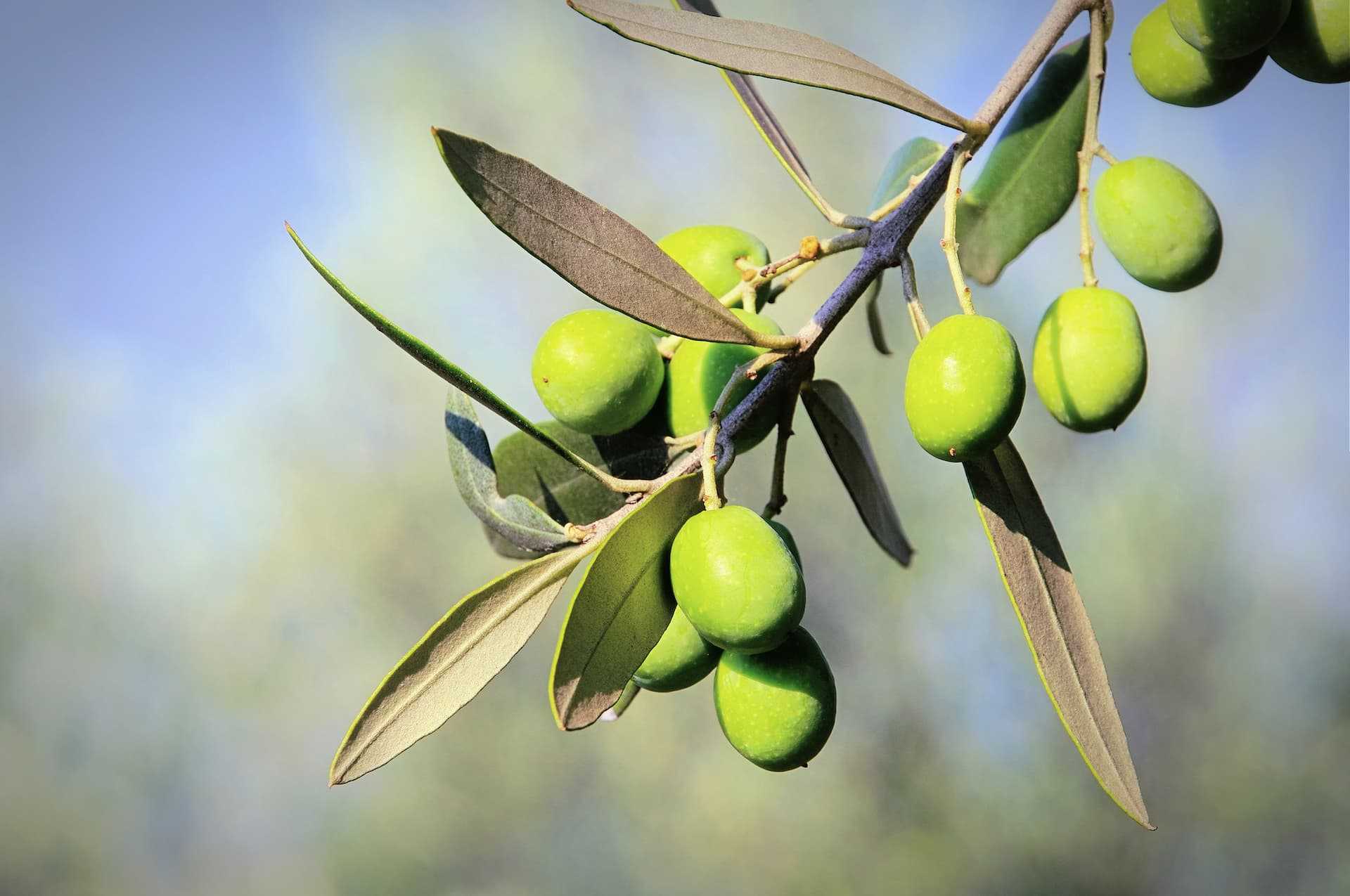

Increased temperatures negatively impact olive production and oil quality, requiring changes in agricultural techniques and breeding to adapt to climate change, according to research from Israel. Researchers are working to identify resistant olive cultivars and develop agronomic strategies to produce high-quality olive oil despite the effects of elevated temperatures, which are expected to increase in the future due to climate change.
A research team from Israel has found that increased temperatures can negatively affect the olive production cycle and oil quality.
Unseasonal temperature increases influence various stages of the reproductive growth and development of olives, they said.
(We also want to) understand the mechanism involved in the negative effect of high summer temperatures, to develop new resistant olive cultivars.
Even though the olive is resilient to the environmental conditions of the Mediterranean basin, the researchers said changes in agricultural techniques and breeding will be necessary to adapt to climate change.
See Also:A Climate Disaster is Already Underway, United Nations Report Warns“In warm areas, farmers should plant resistant cultivars,” Giora Ben-Ari, a researcher at the Institute of Plant Sciences in Israel’s Agricultural Research Organization, told Olive Oil Times. However, he added that his team was still working to identify the best candidates.
“Second, researchers should try and identify different agronomic solutions to lower the environmental temperatures around the foliage, on days with elevated temperature,” he added.
“A deep understanding of the mechanism of the effect of elevated temperatures on fruit development and oil synthesis, as well as understanding the mechanisms of resistant cultivars, will enable us to develop agronomic strategies as well as breed resistant cultivars to produce quality olive oil in warm areas,” Ben-Ari continued.
The study looked at different ways of controlling high-fruit productivity, oil quantity and quality, by testing how the olive can withstand temperature conditions at different stages of development.
“There have been extremely warm days in previous summers,” Ben-Ari said. “The warmest months of the year are July and August, the most important period for the olive, regarding fruit development and oil biosynthesis.”
“Since we found that extremely elevated temperature at this period negatively affects fruit development, oil biosynthesis and oil quality, it is very important to identify resistant olive cultivars able to produce high oil yields and quality despite the warm temperatures we are currently experiencing, which will be more common in the coming years,” he added.
Sudden temperature increases are one of the main abiotic stressors that cause morphological, physiological, biochemical and molecular changes to the olive. An increase of 3 ºC to 4 ºC above the optimal temperature causes significant damage to fruit yield, oil amount and oil quality.
The study concluded that the Mediterranean is particularly susceptible to the future effects of climate change. Calculations have shown that over the next 80 years, there will be an average temperature increase of up to 7 ºC, an average of 0.9 ºC per decade.
Producers also have an added challenge of increasing extra virgin olive oil production as demand for high-quality olive oil increases, largely driven by changing lifestyle and diet trends.
“Olive oil serves as a basic nutrition source in our diet with many health advantages,” Ben-Ari said. “Olive oil is rich in healthy monounsaturated fats, contains substantial amounts of antioxidants, has strong anti-inflammatory properties and may help prevent strokes and protect against heart diseases.”
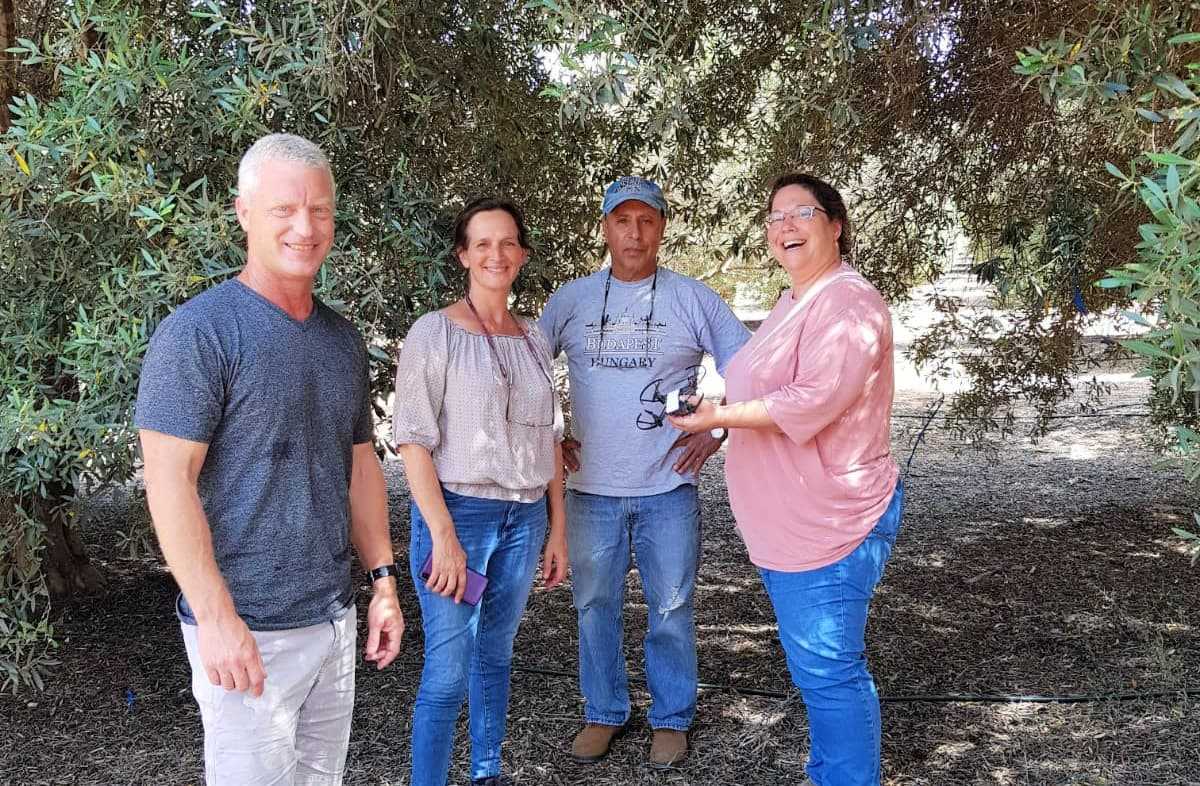
Giora Ben-Ari (left) and members of his research team
“Low-quality oil loses all the mentioned advantages and therefore we should aim to consume high-quality olive oil,” he added.
As a result, Ben-Ari said it is essential that olive geneticists identify more resistant cultivars. The researchers concluded that the olives’ responses to elevated temperatures are genotype-dependent, so identifying the threshold temperature for different genotypes in various stages of the olive cycle is crucial.
The fatty acids in the oil of each cultivar are balanced genetically. For example, the oleic acid content is dependent on each genotype and helps determine the heat resistance of that cultivar to particular environments.
“To identify resistant cultivars, we are planning to conduct a wide screening of many cultivars and trying to identify the resistant cultivars among them,” Ben-Ari said.
“[We also want to] understand the mechanism involved in the negative effect of high summer temperatures, to develop new resistant olive cultivars as well as looking for agronomic solutions to moderate the negative effect on warm days,” he added.
Further studies will identify and compare heat sensitivity and heat resistance by comparing cultivars from around the world at different stages of development. The hope is to identify varieties for future breeding programs to address the demands and challenges of climate change.
Related Articles
Dec. 1, 2025
Turkey Braces for Sharp Drop in Olive Oil Output as Weather and Costs Take Toll
Producers across Turkey report one of the most challenging seasons in years, with poor fruit set and severe drought expected to push olive oil output sharply lower.

Jun. 16, 2025
New Method Detects Olive Oil Adulteration, Reduces Environmental Impact
Researchers have developed a fast, cost-effective method to detect olive oil adulteration using side-front face fluorescence spectroscopy.
Jul. 1, 2025
Study Finds Oleic Acid in Diet Linked to Obesity
The study demonstrated that diets high in oleic acid could produce certain fat cells that remain in the body over long periods, but did not discriminate between dietary sources of oleic acid.

Jan. 22, 2026
Women Farmers at the Forefront of Olive Oil’s Future, UN Says
As the United Nations prepares for the International Year of the Woman Farmer in 2026, women olive oil producers from Greece, Portugal, Tunisia and Lebanon share how resilience, sustainability and stewardship guide their work.
Aug. 11, 2025
Italian Olive Oil Sector Demonstrates Resilience in New Report
A report from Ismea showed that exports and organic farming in Italy expanded even as production and consumption continue to decline.
Dec. 31, 2025
The 10 Most-Read Olive Oil Times Articles of the Year
From climate pressures and scientific breakthroughs to shifting consumer habits and historic milestones, these were the Olive Oil Times stories that readers returned to the most in 2025.
Oct. 20, 2025
Mediterranean Diet Adherence May Reduce Digestive Disorders
Researchers from Mass General Brigham found that close adherence to Mediterranean and plant-based diets was associated with lower instances of chronic constipation.

Dec. 5, 2025
Archaeologists Uncover Massive Roman Olive Oil Complex in Tunisia
Archaeologists excavating Henchir el-Begar in central Tunisia have uncovered one of the largest olive-oil production complexes of the Roman world, complete with monumental beam presses.