



Production Costs Set for Steep Rise in Italy
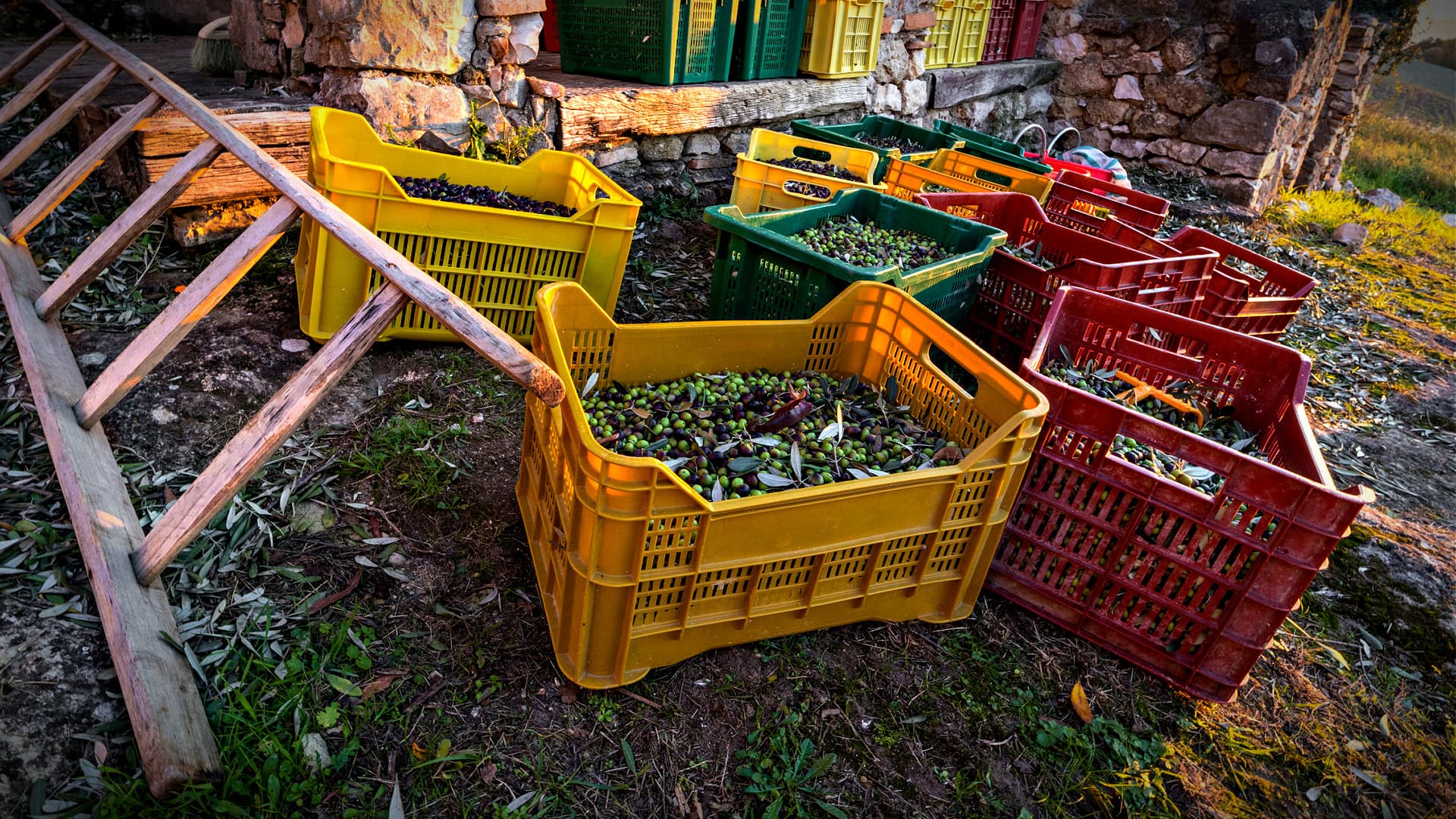

Rising energy prices in Italy are increasing production costs for olive oil producers, leading to concerns about the future of the sector. The Italian government has approved a new law to protect producer prices and limit below-cost selling in large distribution channels, while the Italian farmers association warns that rising costs could impact agrifood exports and the overall economy.
Rising prices in the Italian energy sector are taking their toll on agriculture and olive oil production. However, local farming associations worry that the spike in production costs may only be the beginning.
According to the Italian olive oil producer consortium, Unaprol, olive oil producers are now facing a 12-percent production cost rise, on average, due to energy and raw materials.
This prepares the ground to relaunch our action against the below-cost selling of extra virgin olive oil in large distribution channels that our sector has been trying to achieve for years.
The consortium has warned that the extra costs are harming a sector that has already faced various challenges over the last few years.
In a note, Unaprol said they felt “great concern for the negative economic situation which one of the key Italian agri-food sectors is going through.”
See Also:After Big Gains, Spanish Olive Oil Prices Begin Year SteadyUnaprol added that the sector already faces lower olive oil yields than previously hoped and “sale prices which are often inadequate, to the point of damaging the farming companies.”
The Unaprol note referred to what olive oil producers in the country consider a growing problem: large food retailers selling extra virgin olive oil at significantly discounted prices.
However, a new law approved by the Italian government late last year sets out to limit this kind of market practice. According to Assitol, the Italian Association of the Edible Oil Industry, the new law will help protect producer prices.
“This prepares the ground to relaunch our action against the below-cost selling of extra virgin olive oil in large distribution channels that our sector has been trying to achieve for years,” Anna Cane, the president of Assitol’s olive oil group, told Olive Oil Times in December.
According to Unaprol, increasing production costs for farmers mainly “come from fuel, whose price has almost doubled in the last few months, from energy costs and the rise in glass prices (by 15 percent) and paper (by 70 percent), both of which are needed for bottling and packaging.”
“We are risking that this spike in prices reverberates to exports,” warned David Granieri, Unaprol’s president. “That is why we are concerned, and also because the uneasy situation connected to the Covid-19 pandemic is still affecting consumption in relevant sale channels, such as hotels and restaurants.”
Energy costs, fertilizers and animal food prices hitting new heights are also worrying the Italian farmers association, Confagricoltura, which warned that all of this could significantly affect Italian agrifood exports.
“Given the natural gas price rise, which skyrocketed 700 percent, several compounds needed for the next season could reach the market in inadequate volumes,” said Massimiliano Giansanti, Confagricoltura’s president. “More food transformation companies are shutting down operations, which also limits producers capacity of placing their products.”
The association also emphasized that the agricultural food chain represents the most relevant economic sector in the country, with an annual turnover of more than €54 billion and is responsible for 3.6 million jobs.
Related Articles
Mar. 16, 2026
E.U. Adopts 2040 Climate Target
European Union member states have approved a 2040 climate target requiring emissions to fall 90 percent from 1990 levels, with most of the cuts expected to come from within the bloc.

Mar. 17, 2026
How Rio Grande do Sul Became the Center of Brazil’s Olive Oil Industry
From roadside shops and theme parks to guided harvests and tastings, producers in Rio Grande do Sul are using tourism and diversification to build Brazil’s olive oil industry.

Oct. 1, 2025
Regulators Investigate After Newspaper Identifies Olive Oil Fraud in Belgium
Authorities in Belgium are investigating after a newspaper found 20 out of 32 olive oil brands failed quality standards and one was adulterated.
Apr. 21, 2025
Meet the Bacteria Devastating Olive Groves and Vineyards
Xylella fastidiosa, a bacterium causing plant diseases, has an annual economic impact of €5.5 billion in Europe. Its spread is linked to climate change.
Jul. 23, 2025
Italian Producers Wrap Up a Modest Season
The moderate harvest comes amid a wider trend of declining olive oil production. Producer groups are working to add value and improve climate resilience.
Mar. 17, 2026
New Research Suggests Olives May Reveal Oil Quality Before Milling
A new study suggests that analyzing the metabolic profile of olives before extraction could help predict some of the chemical and sensory characteristics of the oil they will produce.

Jun. 11, 2025
Values of Hospitality, Sustainability Drive Quality at Misciattelli Bernardini Farm
From its historic headquarters in the old town of Allerona to the sustainably managed groves in the neighboring hills, an Umbrian producer preserves tradition while embracing change.

Jul. 23, 2025
PDO and PGI Tourism Boosts Olive Oil Industry in Italy
Report highlights the growing trend of sustainable tourism in Italy, creating new opportunities for producers and promoting the country's unique regions.