



Tuscan Olive Oil Producers Stand Out at World Competition
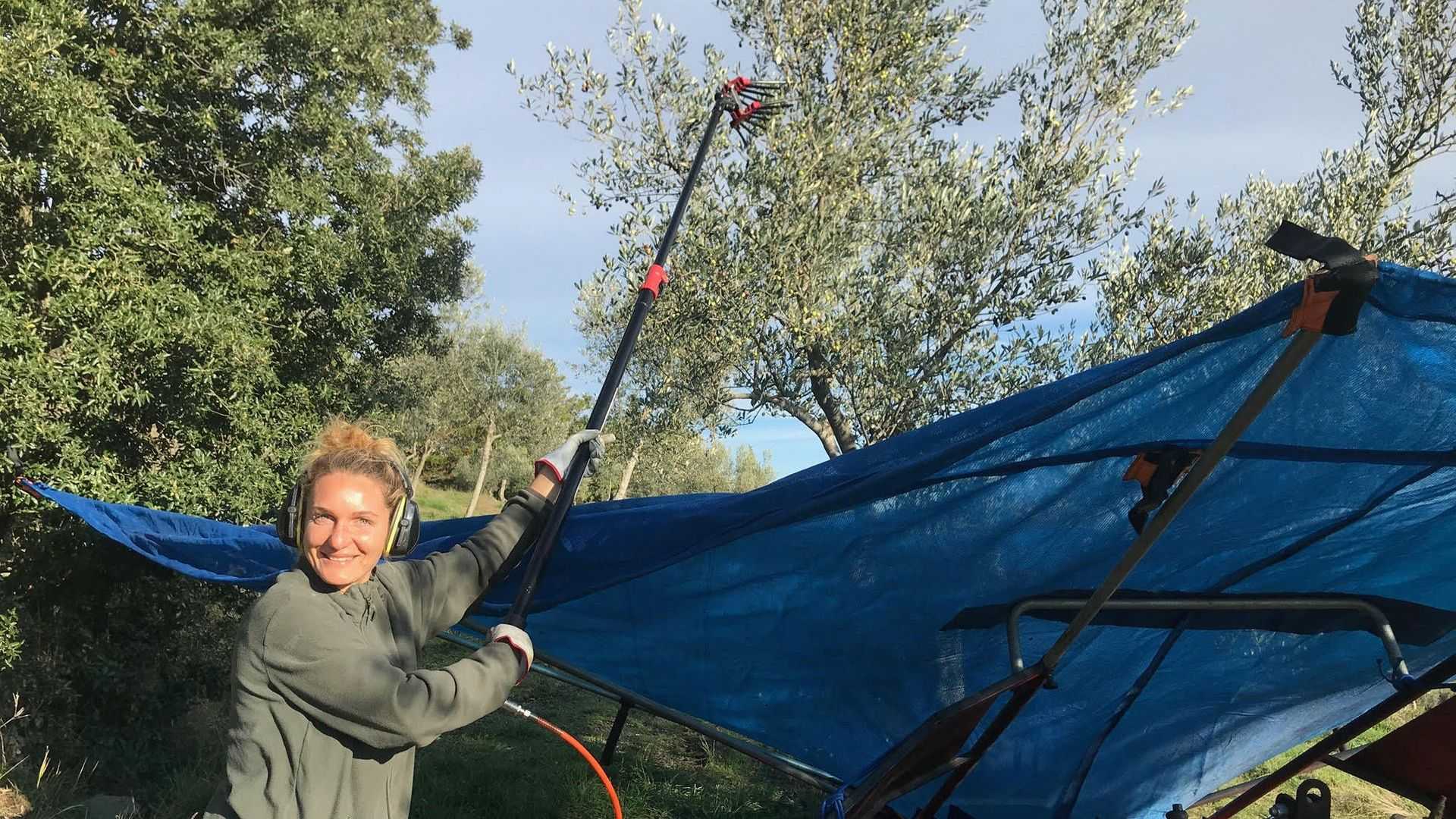

Tuscany ranked among the most awarded olive growing regions at the 2021 NYIOOC World Olive Oil Competition due to a successful harvest and good weather conditions, with producers such as Valentina Angelici Horecki and Simone Botti receiving recognition for their organic blends. Other producers in the region, such as Lapo Gondi and Romina Salvadori, also received Gold Awards for their high-quality olive oils, emphasizing the importance of organic practices, environmental sustainability, and continuous improvement in the industry.
Part of our continuing special coverage of the 2021 NYIOOC World Olive Oil Competition.
After what many producers called the best harvest of the past two decades, Tuscany ranked among the most awarded olive growing regions at the 2021 NYIOOC World Olive Oil Competition.
Favored by generally good weather conditions, farmers from the central Italy region were able to cope with the complexities arising from the Covid-19 pandemic and stood out as some of the best olive oil producers in the world.
I can say our work is in constant evolution, and we improve ourselves one piece at a time. It is like every season we write a page of the great book of quality.
“It was a great emotion,” Valentina Angelici Horecki told Olive Oil Times after receiving the highest recognition for her organic Toscano PGI Oro di Gea.
“I must say that we hoped to get a good result as we had a wonderful season,” she added. “Monitoring our grove, we realized that the plants and fruits were in good shape and that we could obtain an excellent product. The first tasting of our oil confirmed the quality we had imagined.”
In Terontola, a hamlet in the province of Arezzo, Angelici and her partner Ivano Mazzoleni manage a 100-hectare property, Tenuta Angelici, which includes an agritourism initiative.
Located on rolling hills at 500 meters of altitude, vineyards and woodlands grow alongside a grove composed of Frantoio, Leccino, Moraiolo and other ancient varieties such as Minuta.
See Also:The Best Olive Oils from Italy“This is a very small olive, difficult to pick, yet it gives a characteristic note to our blend,” Angelici said.
Their 3,000 plants, of which a thousand are centuries-old, are managed according to the organic farming method.
“We recently planted new trees and still maintained a traditional planting pattern with the plants set at five or six meters from each other,” she said.
Preserving and improving the environmental balance of the territory is a top priority for many Tuscan farmers. This objective is also pursued by Simone Botti, the producer behind Le Fontacce.
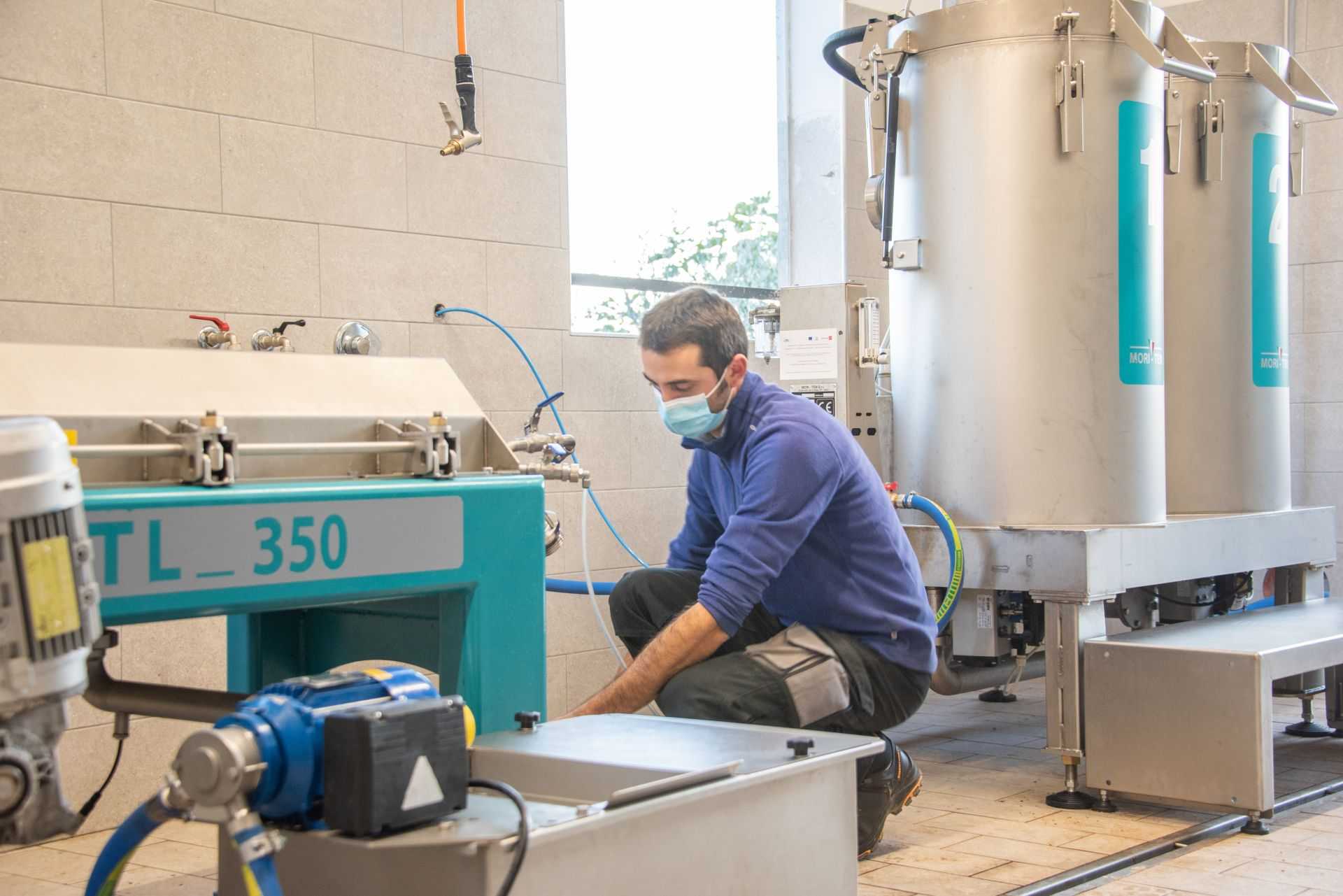
Photo: Simone Botti
Located slightly north of Angelici, on the slopes of Mount Pratomagno, Botti produces a medium organic blend that earned him a Gold Award.
“I am very happy with this result,” he said from his farm in Loro Ciuffenna. “It came at the end of a favorable season that allowed us to arrive at the mill with very healthy olives. Obtaining this award repays all the efforts put in over last year, in which, despite everything we have experienced, we reached good results in terms both of quality and quantity.”
Botti emphasized that during harvesting and milling operations at the company facility, all the required Covid-19 safety protocols were followed to protect the workers.
“This allowed us to complete the task without any problem,” he said. “We can say it was not so easy, but we did it, everything went well, and it ended up with this recognition.”
Botti takes care of 3,000 Frantoio, Leccino and Moraiolo trees, all of which are grown on land that has belonged to his family since the early 1800s. Besides the olive trees, other authoctonous crops, such as legumes and irises, also grow under an organic production regime.
Meanwhile, a green, unspoiled valley in the province of Florence is home to Fattoria di Volmiano, who was awarded by the international panel of the NYIOOC for its Laudemio.
“It is a great satisfaction for us to have received this Gold Award,” owner Lapo Gondi said. “We started producing Laudemio last year. We joined the producers’ consortium in October and immediately renovated our oil mill, adopting latest-generation technology.”
“We had a really favorable season with no problems from the olive fruit fly,” he added. “We had a proper amount of rain at the right time that prevented any kind of water stress. In short, we had optimal conditions for the plants to thrive and give us healthy fruits.”
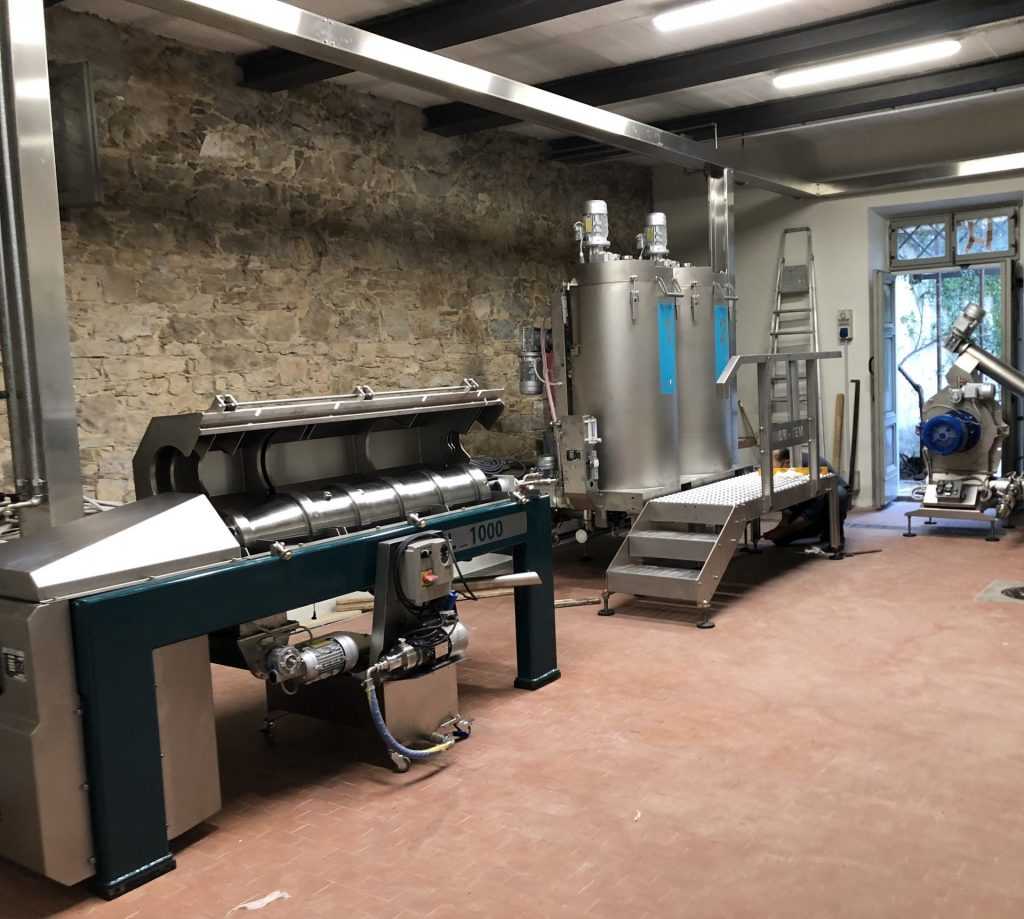
Photo: Fattoria di Volmiano
The farm covers about 550 hectares on the hillside of Morello Mountain, in Calenzano. More than 20,000 plants of Leccino, Moraiolo, Frantoio and Pendolino are spread over 70 hectares of olive groves surrounded by woodlands. The property is included in a European Union Site of Community Importance.
“In such an uncontaminated valley, that can be defined as the green lung of Florence, it was natural for us to go organic,” Gondi said. “We are truly committed to preserve its rich biodiversity.”
A Gold Award also went to Il Cavallino for its delicate Special Edition blend, produced by Romina Salvadori in the seaside town of Bibbona, in the province of Livorno.
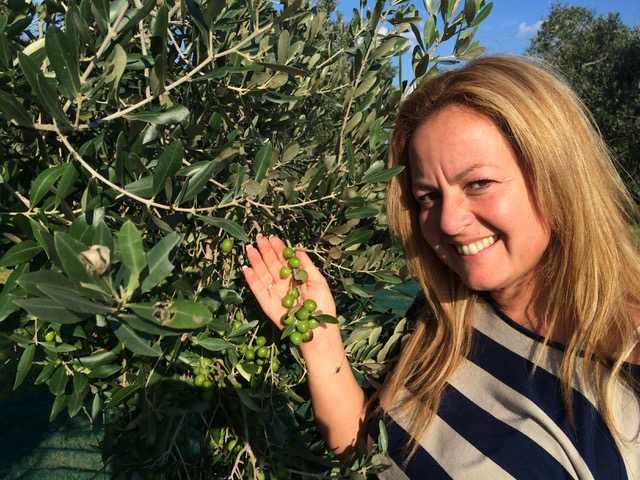
Photo: Romina Salvadori
“This award gives us great satisfaction, as it demonstrates the quality of our work,” Salvadori told Olive Oil Times. “It confirms that the direction we have taken is the right one. Namely, not only do we run an olive grove and a mill and make a top product, but most importantly, we take care of our land with great care and respect, living in harmony with nature, in a healthy environment.”
Salvadori runs a 50-hectare orchard made up of autochthonous varieties. About 20,000 plants of Leccio del Corno, Leccino, Frantoio, Pendolino, Rosciolo and Lazzero give life to three production lines.
“Our quality is result of a great teamwork,” Salvadori said. She is supported by her family, in particular her father, Franco, who helps her produce award-winning oils with his decades-long experience. During pruning and harvest time, the two are flanked by a group of young professionals too.
“We always seek to improve ourselves, keeping only the best innovations,” she said. “This means having a respectful approach to the territory through the organic practices we apply in our olive grove and focusing on the technological upgrading of our mill.”
“Every year, a few appropriate adjustments allow us to raise the quality of our extra virgin olive oil,” she added. “I can say our work is in constant evolution, and we improve ourselves one piece at a time. It is like every season we write a page of the great book of quality.”
At Tenuta Capezzana, Filippo Contini Bonacossi celebrates the Gold Award obtained for his organic blend of Frantoio, Leccino, Moraiolo and Pendolino olives.
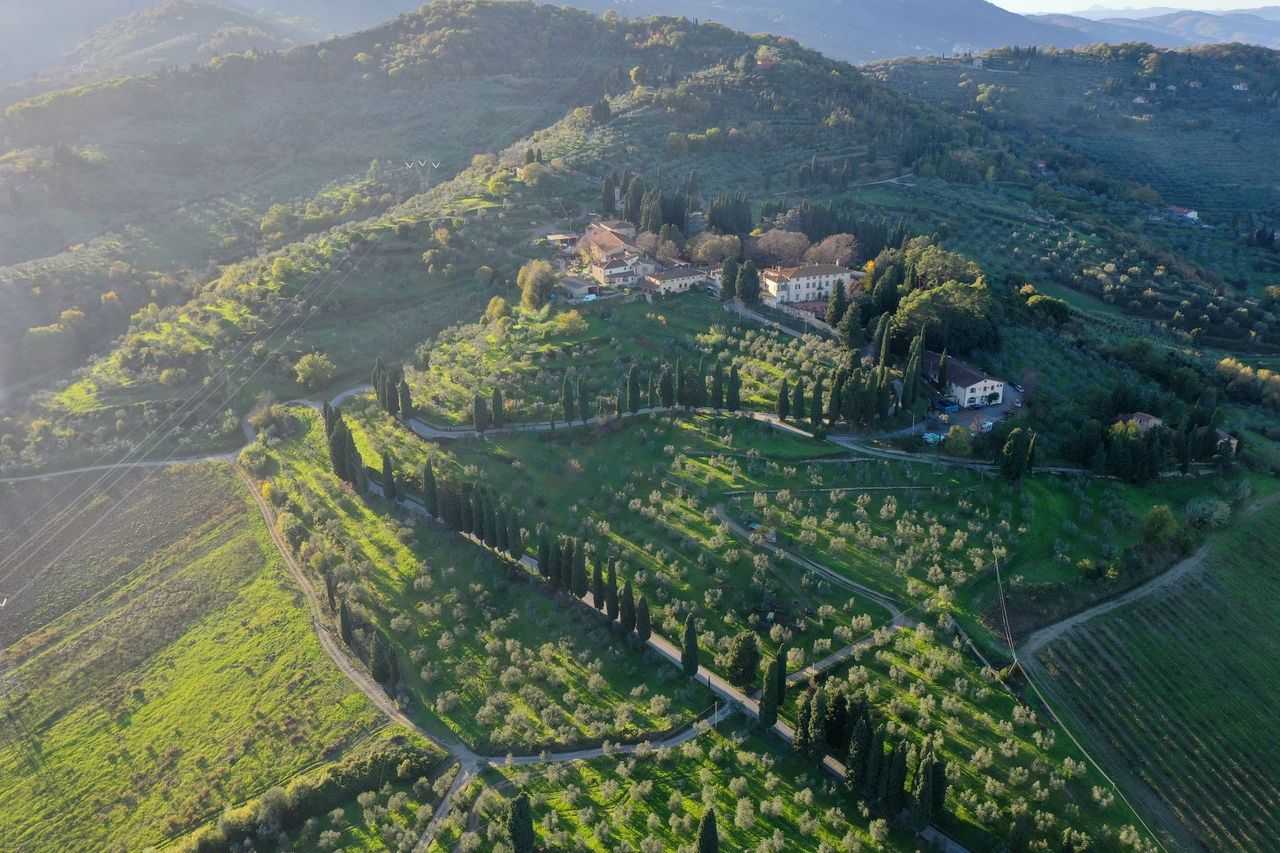
Photo: Tenuta Capezzana
“This recognition makes us proud,” he said. “Some choices we made last year, which in such a complex moment, seemed to be bold and turned out to be successful. We made improvements to our crusher, choosing one of the latest generation. We changed the malaxer with a new one under carbon dioxide, and we planned other adjustments.”
The olive mill, located in Carmignano, is at the heart of an estate founded by a member of the Medici family and has produced wine and olive oil since 804 A.D. The property comprises about 16,000 olive trees scattered over the provinces of Prato, Florence and Pistoia.
“We manage our orchards with the lowest environmental impact,” Contini Bonacossi said. “We are trying to improve the biodiversity and preserve this beautiful land, which is why we apply good practices like using green manure and organic fertilizers.”
“I believe that, in these times, pursuing quality while following the principles of sustainability are key,” he added. “We lived such an incredible time. We saw a stop in human activities, while nature did not stop. Indeed, it enjoyed this break incredibly.”
“I really hope that all this helped to improve people’s mentality and to make everyone understand that with our daily choices, including the products we chose to consume, we can change things for the better,” Contini Bonacossi concluded.
Related Articles
Dec. 5, 2025
Tuscia Producer Builds a Legacy of Award-Winning Organic Oils
On the hills above Lake Bolsena, Alessandra Nicolai has transformed her family’s land into a model of organic farming, producing the award-winning A1980 extra virgin olive oil and expanding into natural wines.
Nov. 11, 2025
A Sicilian Olive Oil That Blends Heritage, Design and Sustainability
In southwestern Sicily’s Belice Valley, Carmen Bonfante crafts Embrace, a premium extra virgin olive oil created to honor her island’s native olive varieties and welcoming spirit, with corporate responsibility at the heart of her vision.
Feb. 2, 2026
Global Olive Oil Quality Takes Center Stage as 2026 NYIOOC Results Begin
With results from the 2026 NYIOOC starting to roll out earlier than usual, the global olive oil sector is watching closely as award-winning producers gain valuable recognition at a critical point in the commercial season.

Dec. 23, 2025
Early Harvests, Ethics and the Pursuit of Exceptional Olive Oil
Slovenian miller and olive grower Sandi Babič explains why early harvests, ethics and personal responsibility are the foundation of world-class olive oil.
Jun. 16, 2025
Why Olive Oil Prices Are Higher in Croatia
Croatian olive oil prices are on the rise, with an 18% increase in April 2025. Factors include consumer awareness, market trends and production costs.
Feb. 16, 2026
New Science Rewrites the Origins of Olive Cultivation in Italy
New paleogenetic and archaeobotanical techniques are challenging long-held assumptions about when olives were first cultivated in Italy, pointing to earlier and more regionalized beginnings.
Aug. 26, 2025
Family-Run Olive Oil Business Thrives in Central Italy
Alfredo Agostini's small olive press in central Italy has grown into a thriving family business, exporting award-winning extra virgin olive oil worldwide.
Sep. 13, 2025
Olive Oil Production in Leading Countries Forecast to Fall to 2.65 Million Tons
Experts project lower but still significant olive oil production in 2025/26 across Mediterranean countries, with price fluctuations and climate playing key roles.