



Pakistan Bets Big on Local Olive Oil Production
A new government project is providing support and training for olive growers and oil producers. The goal of Pak Olive is to boost Pakistan's fledgling olive oil industry from relative obscurity to international recognition.
 Agriculture Research Institiute Sariab Quetta
Pakistani olive oil producers, under a new organization, are preparing to enter the global market after planting hundreds of thousands of trees in regions suitable for olive cultivation. The country aims to produce 16,000 tons of olive oil by 2027, with efforts to train workers, establish a certification process, and provide resources to farmers to boost production.
Under the auspices of a new organization, Pakistani olive oil producers are preparing to enter the global market.
Hundreds of thousands of trees have been planted in the last 10 years and most are now growing in regions which experts consider to be well-suited for olive cultivation.
With the 2019/20 season, the estimated olive oil production potential of Pakistan will reach approximately 1,400 tons. By the year 2027, production is expected to reach 16,000 tons.
With the help of several countries and olive producers, Pakistan is boosting its efforts to reduce dependency on foreign edible oils and become a new player in the olive oil world.
The newly-coined brand, Pak Olive, is the name and certification chosen by the government to label the high-quality olive oil coming from the public sector.
See Also:Olive Oil Production NewsA lab and a mobile unit for clinical and sensory testing of olive oil quality are being set up for certification under the project.
“The private sector will be encouraged and trained regarding registration and patenting of their brand with certification cover,” Muhammad Tariq, the project’s director at the Ministry of National Food Security and Research, told Olive Oil Times.
The establishment of a Pakistani olive oil council is also planned.
While certification is seen as a decisive step to bring Pakistani olive oils to the attention of international buyers, annually-increasing production is also helping to meet the country’s domestic demand.
“With the 2019/20 season, the estimated olive oil production potential of Pakistan will reach approximately 1,400 tons,” Tariq said. “By the year 2027, the production potential is expected to reach 16,000 tons. Subsequent targets for olive plants will also be continued in the coming years.”
Pakistan began producing olive oil back in 2010, benefiting from strong agricultural cooperation efforts with Italy and Spain as well as commercial cooperation with China.
Thousands of trees were imported into the country, together with experts who helped to identify the most promising areas for olive cultivation. Around 10 million acres have already been identified for growing olives, areas in which the crop will not compete with other fruit trees, cereal or oilseed crops.
“The indigenous production of olive nursery plants is very limited,” Tariq said. “That is why the federal government is importing certified olive nursery plants of different varieties from various countries, both for oil and table olive production.”
“Technical assistance to the farmers for this new crop in terms of orchard management, processing and nursery production is lacking at present, but it is provided for under the project,” he added.
To be competitive in the international market, the project will also train workers on how to use modern extraction techniques in the mills.
Interest from farmers in growing olives and producing oil is also growing rapidly. This has partly been fostered by the special characteristics of the olive trees, which can survive in dry and arid conditions that are generally inhospitable for other crops.
“Pakistani growers are very keen to grow olive plantations because they have very poor production from other crops or have lands that are not cultivated but where olive trees could thrive,” Tariq said.
In addition to being drought tolerant, olive trees also require relatively low levels of investment, compared to other crops, while still yielding a return, which has also increased interest in Pakistan.
Furthermore, the government is actively working with the farmers to get the groves going.
“As the olive plantation is being established on marginal or degraded lands with poor farmers, consequently they do not have adequate resources for initial investments, such as irrigation facilities, watch and ward,” Tariq said. “Therefore, the federal government is providing olive nursery plants free of cost and drip irrigation systems, as water-saving technology in this sector.”
“The Ministry of Climate Change is also planning to augment the present efforts, in terms of planting, under the Billion Tree Tsunami Project,” he added. “Moreover, a strong collaboration in the olive sector with the Italian government support is also underway.”
Once new groves have been established and olive oil is being pressed annually in the modern mills, the next step for Pak Olive will be to garner international interest for Pakistani extra virgin olive oil.
Related Articles
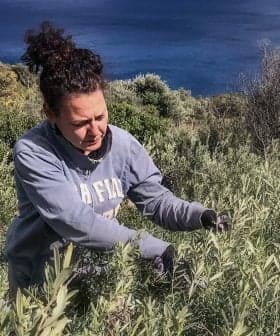
Feb. 18, 2025
Safeguarding Unique Olive Farming Traditions on Italy’s Pantelleria Island
Olive farming on the Sicilian island has unique features resulting from a peculiar pruning and training system that encourages horizontal growth.
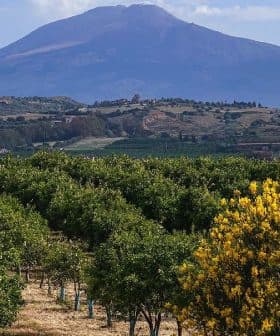
Mar. 5, 2025
Despite Costs, Italian Olive Farmers Continue Organic Transition
Olive oil producers in Italy find that the organic certification increases the appeal of olive oil on export markets, but less so at home.
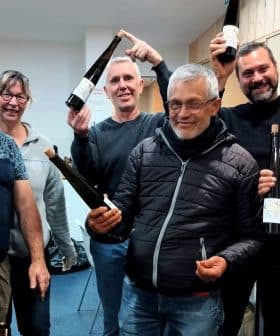
Jan. 13, 2025
Olive Oil Production Comes to French Capital
Neighbors in the southern Parisian suburb of Malakoff joined together late last year to harvest their olives and press olive oil.
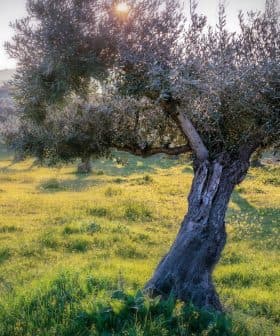
Jun. 25, 2025
Olive Architecture: A New Branch of Grove Management
A new study analyzes the architectural characteristics of olive trees to inform key decisions about cultivar selection, orchard layout, pruning and harvest.

Mar. 27, 2025
Albanian Producer Pairs Local Culture, Award-Winning Quality
Bianti Danaj is betting an early harvest, skilled milling and a strong tie to Southern Albanian history will set his brand apart in crowded international markets.

Aug. 25, 2025
Warming Weather Gives a Boost to Swiss Olive Cultivation
Switzerland is another central European country where warming weather has favored the cultivation of olive trees.

Dec. 5, 2025
Archaeologists Uncover Massive Roman Olive Oil Complex in Tunisia
Archaeologists excavating Henchir el-Begar in central Tunisia have uncovered one of the largest olive-oil production complexes of the Roman world, complete with monumental beam presses.

Nov. 17, 2025
How Live Streaming Powers Sales for a Sichuan Olive Oil Producer
Producing organic extra virgin olive oil in the humid climate of northern Sichuan comes with a range of challenges. Social media has proven essential to finding and retaining customers.