



North Africans Ate Olives 100,000 Years Ago, Evidence Suggests
Archaeological evidence suggests that people living on Morocco’s Atlantic coast ate wild olives and used the tree's wood and pits as fuel.
 6.1K reads
New research published in NaturePlants reveals evidence of ancient humans in Africa using wild olive trees in Morocco about 100,000 years ago, with the oldest olive remains in Africa found at the Rabat-Temara caves. The study suggests that wild olives were a key source of food for prehistoric hunter-gatherers and played a significant role in their cooking and technological innovations.
New research suggests that ancient humans in Africa had contact with the olive tree and used its branches and fruits about 100,000 years ago.
The study, published by NaturePlants and authored by a team of international scientists, showed evidence of wild olive trees in the Rabat-Temara caves, a highly relevant archaeological site on the Atlantic coast of Morocco.
We did not expect to find olives, olive pits and seeds, nor did we know that the olive tree was present in this location… That was a bit of a surprise.
The researchers unearthed some of the oldest traces of wild olive trees in the Mediterranean, and the oldest in Africa.
Previous studies had found olive remains in Israel, at the Acheulean site Gesher Benot Ya’aqov, dated approximately 790,000 years ago, with other findings in Greece dated around 60,000 years ago.
See Also:Scientists Find Earliest Evidence of Olive Oil in Central EuropeOnly around 6,000 years ago, Neolithic human groups began cultivating the olive trees and using them as a source of food, fuel, lighting, medicine and cosmetics.
The researchers did not expect to find such ancient olives in Morocco. Instead, the study aimed at understanding which plants were collected by early homo sapiens, a true challenge considering that such remains are rarely preserved over time.
“We focused on those that could have been preserved by the combustion process,” Laurent Marquer, co-author of the study and botanist at the University of Innsbruck in Austria, told Olive Oil Times. “And there, we found some bones, shells, plants and olives.”
“We did not expect to find olives, olive pits and seeds, nor did we know that the olive tree was present in this location, even more during the last glacial period,” he added. “That was a bit of a surprise.”
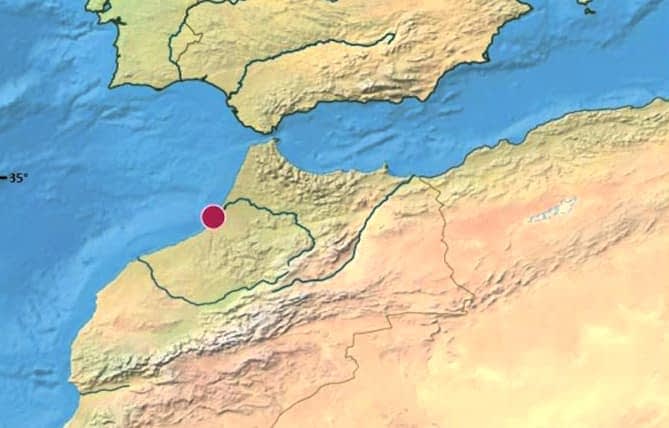
Location of the Rabat-Temara caves
Of the charcoal fragments identified by the researchers, 72 percent were the wild variety of Olea europaea. The scientists also investigated seed fragments, 81 percent of which were charred olive stone. Charcoal from wild olives was also found at a nearby excavation site.
“This suggests the widespread use of wild olives during the Aterian Middle Stone Age (MSA) in the Rabat-Temara region,” the researchers wrote. “There is no doubt that wild olives were used by prehistoric hunter-gatherers.”
The burned olive branches did not carry whole fruits, but the fruit fragments were found in the same fireplace. This led scientists to believe the olives were eaten, and the pits were thrown into the fire.
While the branches served as a suitable fuel, if complete with fruits, the resulting intoxicating fumes and the fruit’s moisture would have hindered the result.
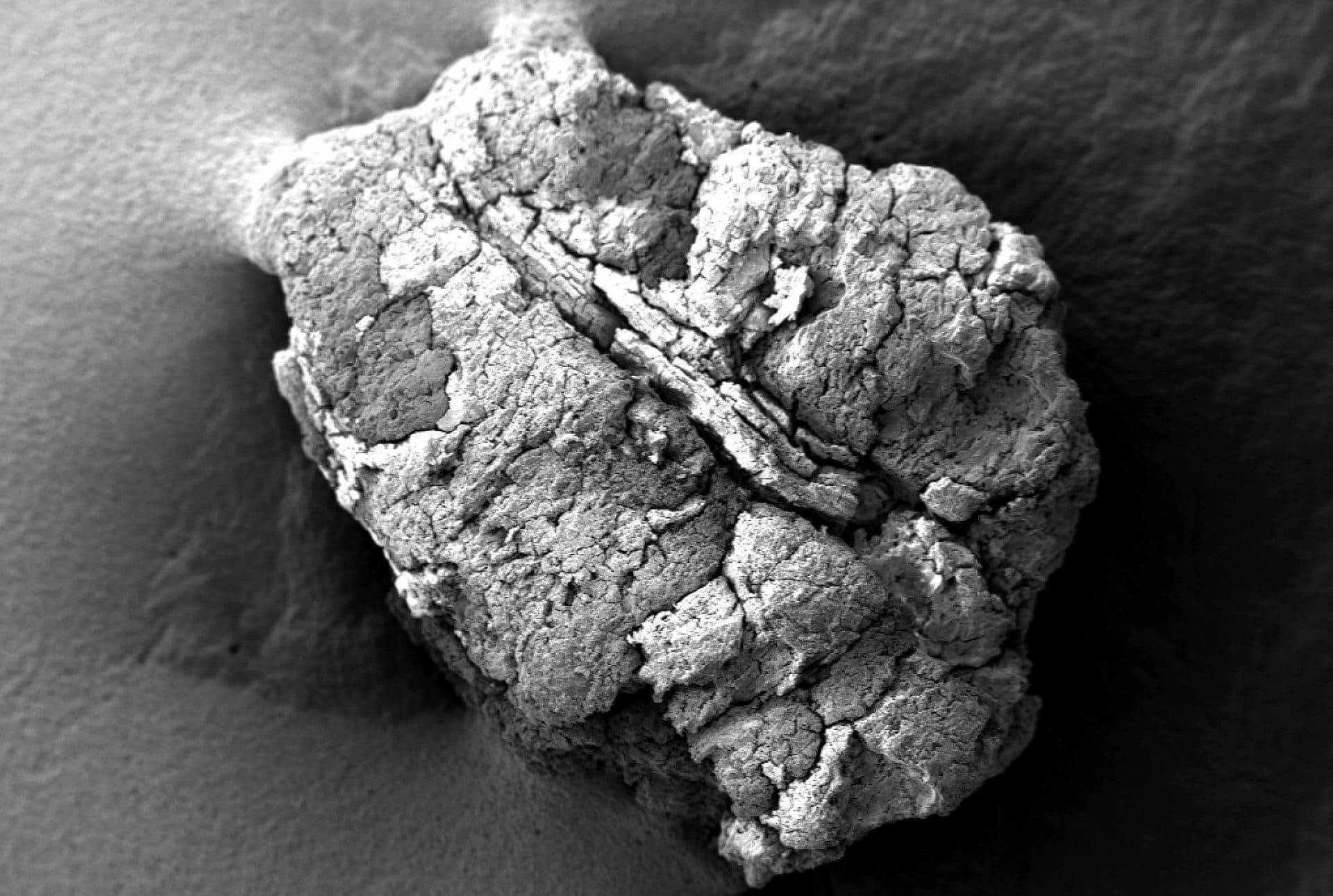
Fossilized olive pit charcoal burned at the Rabat-Temara caves
This also leads the researchers to believe that those olives might have been a key source of food.
“We found specific breakage patterns in the samples of the fragmented olive stones, which were broken and charred,” Marquer said. “And we assume that in order to break them, they probably had to consume them first.”
While there is no certainty about why the olive pits had been broken, researchers noted that it happened with a purpose. They assumed that the pits were used to create a residue to enhance combustion.
“Olive stones and their seeds have a high lignin and oil content,” the researchers wrote. “Therefore, the crushed olive stone residue would result in slow combustion with long-lasting flames, favored for cooking. When dried, the residue produces smokeless flames, a major advantage for prehistoric groups living in caves.”
The study’s authors also noted how other plants could easily have been used as fuel in the same area, including oak or juniper.

Fossilized wood charcoal burned at the Rabat-Temara caves
Still, only a few charcoal fragments of those plants have been identified, corroborating the idea that the olive tree was a preferred choice. This would also mean that it was sufficiently abundant in the region.
Marquer explained that other researchers have developed modeling platforms to better estimate where olive trees could have thrived during the last glacial period.
“Based on this, we see there are essentially two areas where the olive tree could have lived: the western Mediterranean, in Spain and northern Morocco, and on the easter basin, in Israel,” Marquer said. “There, we know that the olive tree had the conditions to grow.”
“The early use of wild olives in Africa by Aterian MSA groups from approximately 100,000 years ago might represent improvements in cooking, technological innovations for wood processing and social organization, among other aspects,” the authors of the study wrote.
“This finding provides new insights into the understanding of Aterian MSA hunter-gatherer economies and completes the story of the iconic olive tree in the Mediterranean,” they concluded.
Share this article
Related Articles
Jul. 23, 2025
PDO and PGI Tourism Boosts Olive Oil Industry in Italy
Report highlights the growing trend of sustainable tourism in Italy, creating new opportunities for producers and promoting the country's unique regions.
Nov. 21, 2025
Somontano Secures PDO Status, Boosting Traditional Producers in Aragón
Producers in Aragón are celebrating the new PDO for Aceite del Somontano, which protects native olive varieties and centuries-old terraced groves shaped by the Pyrenees.
Jun. 19, 2025
The Role of Table Olives in Italy’s Culinary Heritage
From Taggiasca olives served cold in Liguria to stuffed, breaded and fried all’ascolana olives in Marche, regions across Italy incorporate their native varieties into the local food.

Apr. 17, 2025
Top Producers Emerge as Competition Nears Final Results
As results continue to be announced, a snapshot reveals a dynamic and competitive year, with established leaders holding their ground and new challengers making a name for themselves.

Sep. 25, 2025
MedDiet Adherence May Protect Against Gum Disease
New research shows that the anti-inflammatory foods in the Mediterranean diet may prevent periodontal inflammation. Oleic acid may also protect oral health compared to other dietary fats.
Sep. 25, 2025
Poetica Gin Captures the Spirit of Brač
In Postira I discovered Poetica Gin — a spirit that opens with herbs and finishes with olive fruit, capturing the taste of Dalmatia.
Jun. 11, 2025
Study Shows Mineral Clay Applications Boost Olive Oil Production
Mineral clay applications can mitigate the effects of climate change on olive cultivation, increasing yield and improving oil quality.
Sep. 29, 2025
Moroccan Olive Growers Hope for Record Harvest and Exports
Morocco's olive season is off to a strong start, with favorable weather conditions and investments expected to lead to record production and lower prices.