Producers in Greece Adapt to Challenging Harvest
Greek producers have shown resourcefulness in dealing with the exceptional challenges of the 2020 harvest, supported by their knowledge of the industry and their clients.
Even as they confront the long-running repercussions of the Covid-19 pandemic, adverse weather conditions and low olive oil prices, Greek producers are determined to have a successful harvest.
On the island of Kefalonia, on the western edge of the Hellenic Arc in the Ionian Sea, the harvest was demanding but rewarding for the local producers at Liocharis.
We are certain that this difficulty will only make the world of quality extra virgin olive oil stronger and more determined than ever.
“The major problem we faced this season was the arid climate in November, requiring special techniques in the olive mill to reduce the possibility of emulsions,” Dionysios Garbis, the company’s production manager, told Olive Oil Times. “Luckily, the quality of the produced olive oil is exceptional although the quantity has been reduced compared to last year.”
See Also: 2020 Harvest Updates“The olive picking season started with early-harvested olives in the first week of October,” Garbis said. “The olives of the Koroneiki variety were very green and gave a low yield during that time. Currently, olive picking is at its peak with local olive varieties such as Ithaca, Manaki and other varieties.”
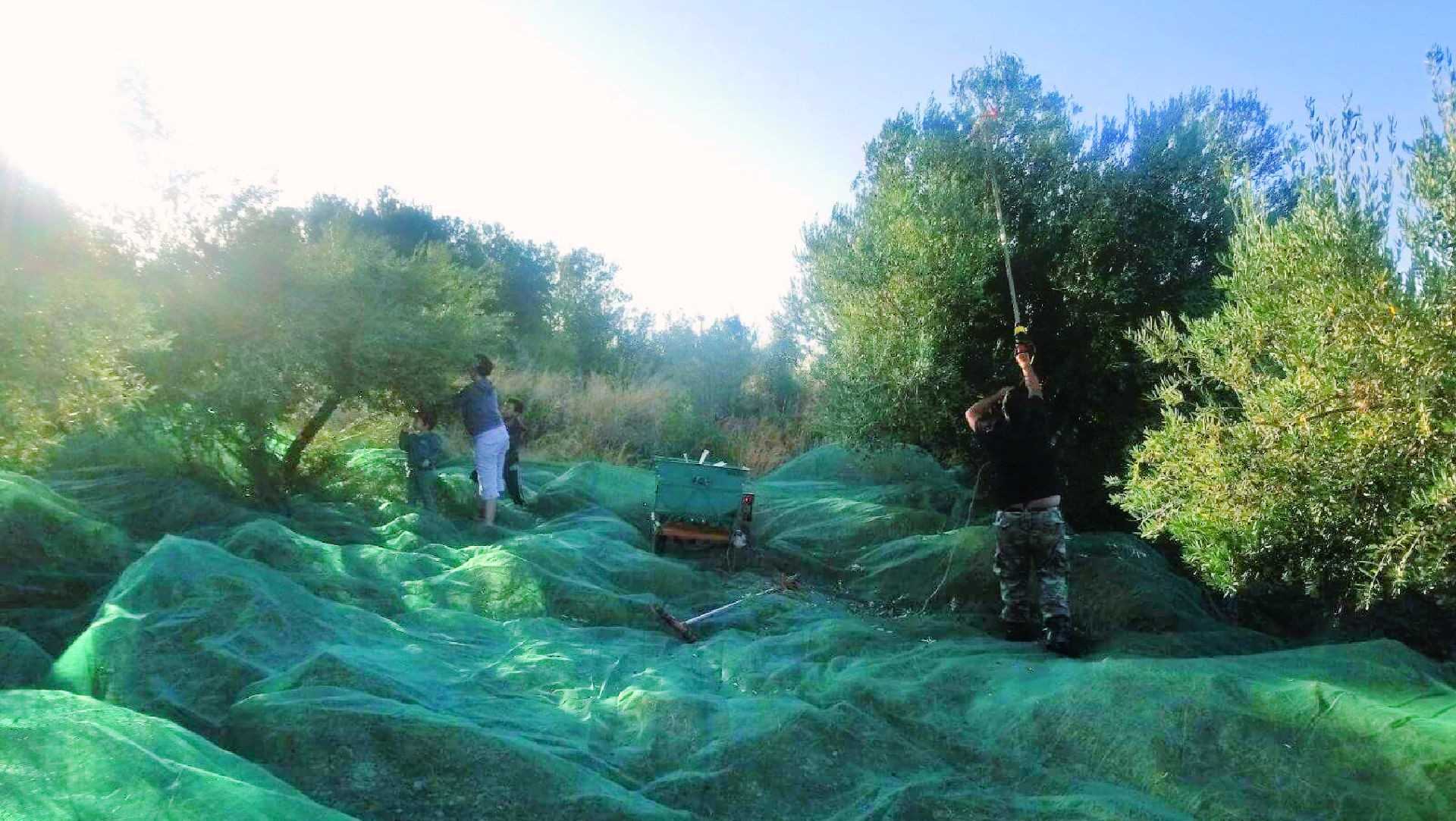
Liocharis Kefalonia Olive Mill
Business closures reduced Liocharis’ sales to local restaurant and hotel facilities. However, these losses were partially offset by direct sales to consumers, which were buoyed by a Silver award at the NYIOOC World Olive Oil Competition last May.
“The Covid-related lockdowns had a strong impact on Horeca (hotels, restaurants and cafes) activity and consequently extra virgin olive oil consumption [via this channel] has been significantly reduced on the island and all over the world,” Garbis said.
“On the other hand, our last NYIOOC award resulted in an increase of our retail sales, partly balancing the loss of sales from tourist activity,” he added.
In Messinia, on the southwestern side of the Peloponnese peninsula, Evgenia Andriopoulou of Makaria Terra stressed the unusual nature of the current harvesting season.
“We indeed live in very challenging times,” Andriopoulou told Olive Oil Times. “However, we are certain that this difficulty will only make the world of quality extra virgin olive oil stronger and more determined than ever.”
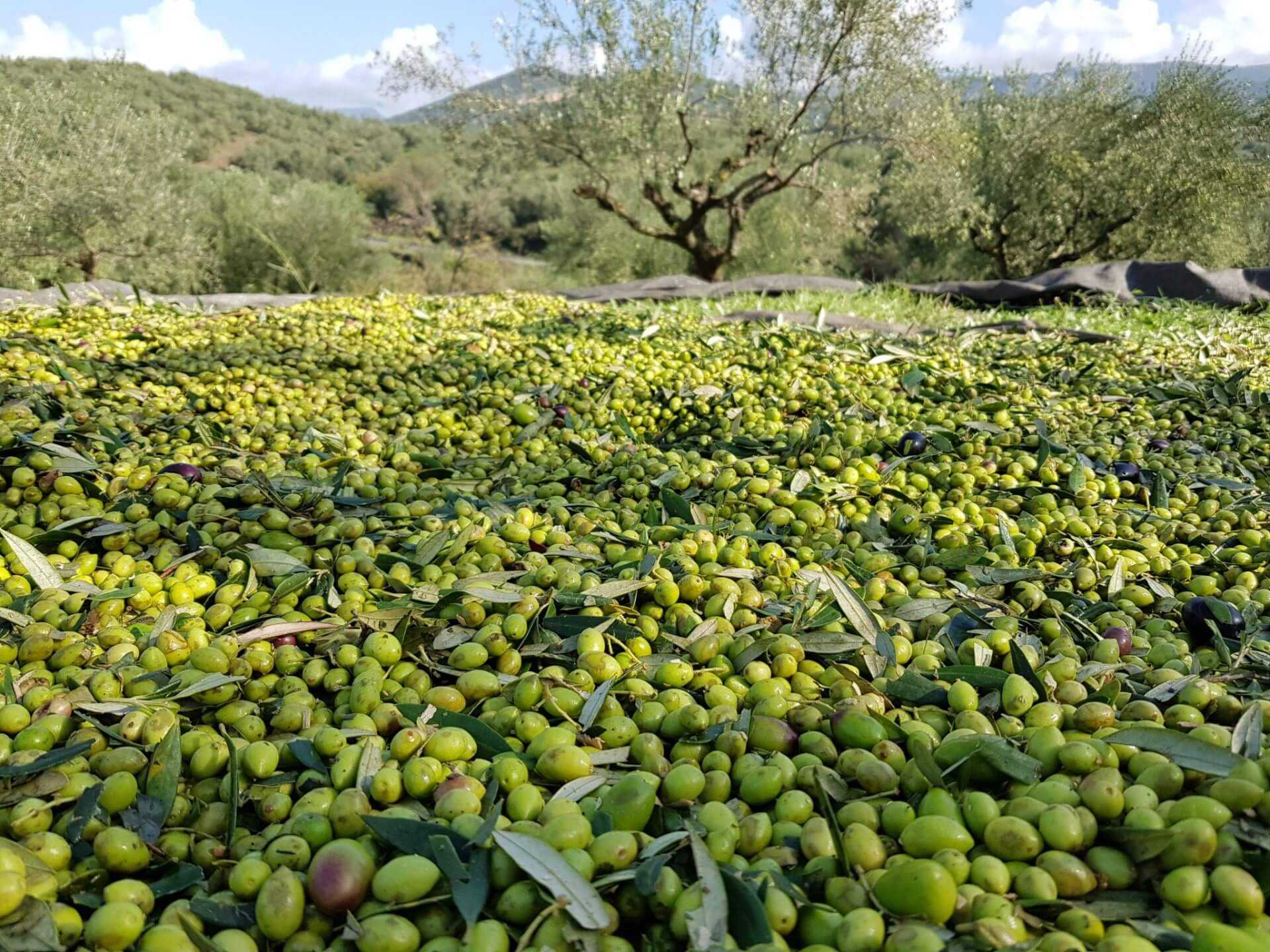
Makaria Terra
Efforts throughout the season have paid off for Makaria Terra, despite the unique conditions shaped by the pandemic.
“We have already completed the harvest,” Andriopoulou said. “There have been a few challenges, most notably, the absence of workers due to Covid-19 restrictions. We have managed to overcome this problem, since we harvested at a time when most of the other olive oil producers thought that it was too early to harvest their crop.”
“Other than that, we may say that we have produced a quality olive oil this year as well and hope that we will be able to be awarded with our fourth Gold award at the 2021 NYIOOC,” she added.
Andriopoulou also acknowledged the crucial contribution of the company’s clients in being successful in the olive oil industry.
“These are not easy times, but when the going gets tough, the tough get going,” she said. “We must say though, in order to be fair, that it is of utmost importance that we have a history behind us and an audience and regular clientele that supports our quality product.”
“Otherwise, it is really hard for newcomers to enter into the game, as the consequences of Covid-19 do not leave much space for newcomers to navigate,” Andriopoulou added.
In Crete, however, which sits almost in the middle of the Hellenic Arc, more traditional problems prevail.
In some areas, the local authorities had urged the producers to harvest early to avoid cumulative problems from the fruit fly. However, at the time of harvest the olive fruits were not ripe enough for a substantial yield and the quantity of olive oil produced at that time was significantly lower than expected.
“The yield, especially in eastern Crete, is still very low, particularly in areas with high fruition, reaching even nine or 10 to one [nine kilograms of olives needed for one kilogram of olive oil], a percentage that does not yet allow [a successful] harvest,” agriculturist Nikos Michelakis said.
“It is an indication of what would have happened if the producers had followed the recommendations of harvesting even earlier, in late September or early October,” he added.
See Also: Best Olive Oils From GreeceMeanwhile in Ierapetra, on the eastern side of Crete, the members of the Eptastiktos social cooperative worked together with local growers to harvest olives from centenarian olive trees to produce high-quality and highly-priced olive oil.
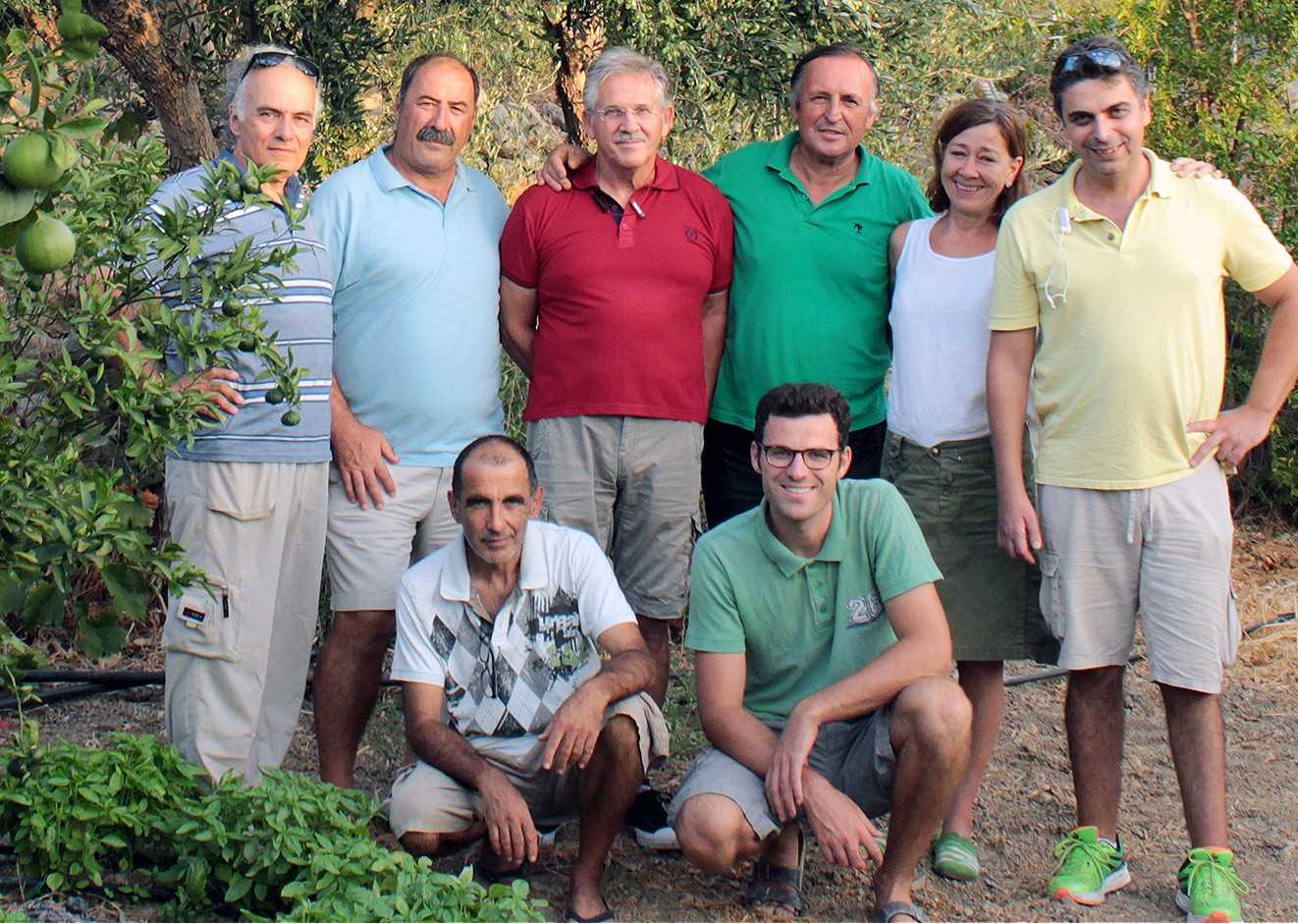
Eptastiktos Social Cooperative
“The produced olive oil has an acidity of 0.4 and polyphenols exceeding 500 milligrams per kilogram,” Pavlos Daskalakis, the program’s coordinator, said. “The producers’ price was set at €4.00 for a kilogram of olive oil.”
“The oil is bottled in 100 milliliter and 500 milliter containers to be sold online,” he added. “Our aim is to make extra virgin olive oil of top quality and cultural value, since it is made from some of the oldest trees in the world.”
“Centenarian olive trees are much more productive and better adapted to the island’s weather conditions,” Daskalakis continued. “Many ancient olive trees exist all over Crete, with some of them dating back to the Minoan times. In the Lasithi region alone there are hundreds of centenarian olive trees, with the oldest being 3,000 years old.”
Unfortunately, they do not receive any official protection (apart from the love of their owners),” he concluded. “Similar initiatives of olive oil production from old trees exist also in Spain, but municipalities and regions work together there.”
On the eastern edge of the Hellenic Arc lies Rhodes – the so-called ‘Island of the Knights’ due to its rich medieval history – where the Kallas family are wrapping up their operations for the season.
“December generally marks the end of the olive harvesting and producing period,” Stavros Kallas told Olive Oil Times.”This year, December was particularly difficult because we are currently experiencing a second wave of the pandemic.”
“Thankfully, the weather conditions were in favor of the olive trees, which resulted in extra virgin olive oil of really high quality,” he added. There were some problems, especially during the fruition period when the temperatures were very high, but those were minor, and Rhodes produced exceptional oil.”
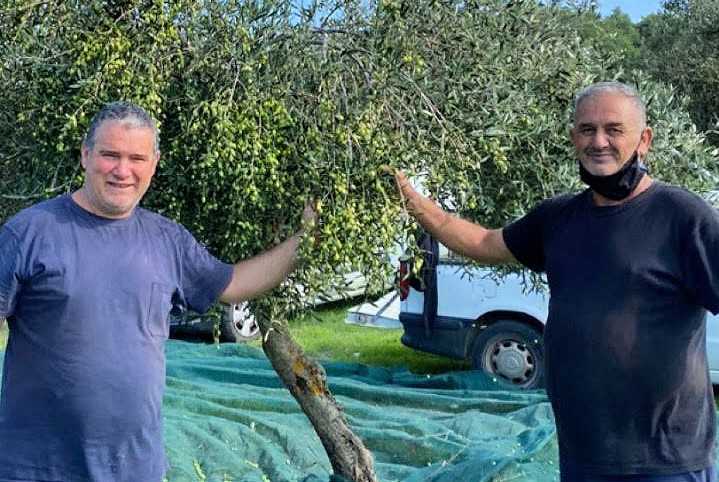
Stavros Kallas
For Kallas, the first producer from Rhodes to earn an award in the NYIOOC, the olive tree is an example of strength and endurance in difficult times like the pandemic era.
“The award we received in New York was a big honor for the Kallas family, since this was the first time a Rhodian olive oil was awarded,” Kallas said. “We support the local products and we want them to thrive.”
“Το everyone that is still harvesting this precious ingredient: we wish you good luck,” he added. “I hope, just like the olive tree always stands tall, humanity can overcome this problem and rise again.”