Discover the Versatility and Nutritional Value of Greek Rusks
Paximadi, comprising carbohydrates and fiber, is the unsung hero of Greek summer cuisine, the key ingredient to making healthy small meals in no time.
In the summer, the abundance of fresh, seasonal ingredients creates a canvas of rich flavors, fresh smells and delicious dishes across Greece.
However, when looking for a quick and easy meal under the scorching sun, the humble paximadi, the Greek barley rusk, is the key to preparing tasty, no-cook meals in minutes.
Traditionally made with barley flour, this hard, twice-baked bread is widely considered an integral part of the Cretan diet. Over the centuries, paximadi became a staple of Greek cuisine due to its versatility and nutritional value.
The main nutrients in the Greek rusks are carbohydrates and fiber… The rusks are also rich in vitamin B and minerals, including iron, zinc and magnesium.
Historically, Greek households, especially those in rural areas, used to make rusks once each year after the cereal harvest to secure the year’s supply of bread.
“There are different types, sizes and flavors of Greek rusks in the market nowadays,” Katerina Ntale, a nutritionist and registered dietician based in Kymi on Evia island, told Olive Oil Times. “Some of the most popular are those made with wheat or barley flour, the wholegrain or gluten-free rusks, the rusks with reduced salt, or even those made with olive oil and tomato.”
“The main nutrients in the Greek rusks are carbohydrates and fiber, the percentage of which changes depending on the type of rusk,” she added.
See Also: The Role of Table Olives in Italy’s Culinary HeritageNtale, who is also a food lover and in her free time reinvents classic Greek dishes, noted that fiber is essential for the human body as it contributes to good bowel function, lowers cholesterol and helps regulate blood sugar.
“The rusks are also rich in vitamin B and minerals, including iron, zinc and magnesium,” she said. “And we should not forget that carbohydrates are the main source of energy for the human body.”
Relatively hard to come by outside of the country, the rusks can last in the pantry for months since they are essentially moisture-free. Before use, the rusks are usually sprinkled with water to soften.
In the most traditional recipe, paximadi is used to make dakos, the Cretan dish that was named the best salad in the world for 2024/25 by the Taste Atlas food guide.
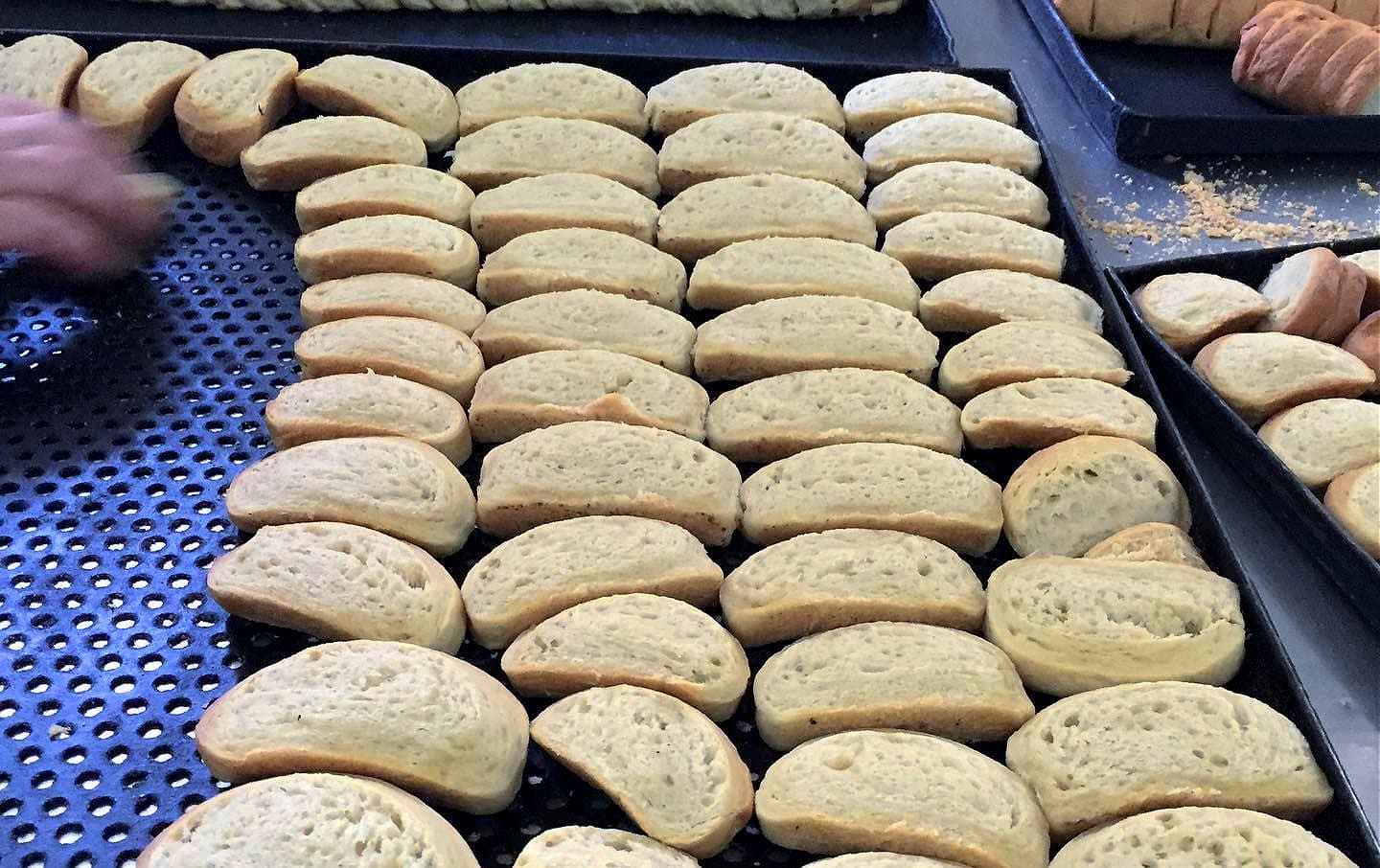
Baking olive oil rusks on Kythira (Photo: Karavas Bakery)
Comprising only three ingredients in its most basic preparation, dakos shines through its simplicity with fresh, ripe tomatoes, salty feta or xinomitzithra – a pungent goat or sheep cheese from Crete – and a few generous splashes of high-quality extra virgin olive oil.
However, the list of ingredients that can be used with the crunchy rusks is nearly endless.
“Some ideas for a quick snack are rusks with olive paste, cream cheese and cherry tomatoes, cream cheese, capers and olive oil, or eggs, cucumber and olive oil,” Ntale said.
Other combinations can include tomato and anchovies, aubergine (eggplant) with feta and sausage, tuna with cherry tomatoes and parsley, sliced chicken with feta and capers or even tomato with a fried or poached egg for a substantial breakfast.
The rusks can also be used as a substitute for bread when enjoying a colorful Greek salad, either whole or broken up and used as croutons.
Another winning combination is paximadi with table olives, a simple meal that best exhibits the wisdom of the traditional Greek diet.
The carbohydrates and fiber in the rusks are perfectly complemented by the monounsaturated fat and the antioxidants found in olives, creating a complete meal of high dietary value.
“Rusks with olives are a tasty, ideal nutritional combination,” Ntale said. “The carbs in the rusks and the healthy fats in the olives make for a filling meal that can keep us going for quite some time.”
“It can also help better regulate blood sugar without any spikes in glucose levels,” she added.
The latest trend in bakeries and supermarkets across Greece is rusks made with carob, a seed pod from the carob tree, native to the Mediterranean region and the Middle East.
Carobs, which belong to the legume family, were widely used as animal feed in Greece until recently. However, carobs are a multipurpose ingredient that has gained high appreciation from the food industry.
The carob pods contain no fat or caffeine and are usually ground before being added to food. Carob powder, also known as carob flour, is a naturally gluten-free ingredient with a sweet taste that can be used as a substitute for cocoa powder and chocolate in recipes.
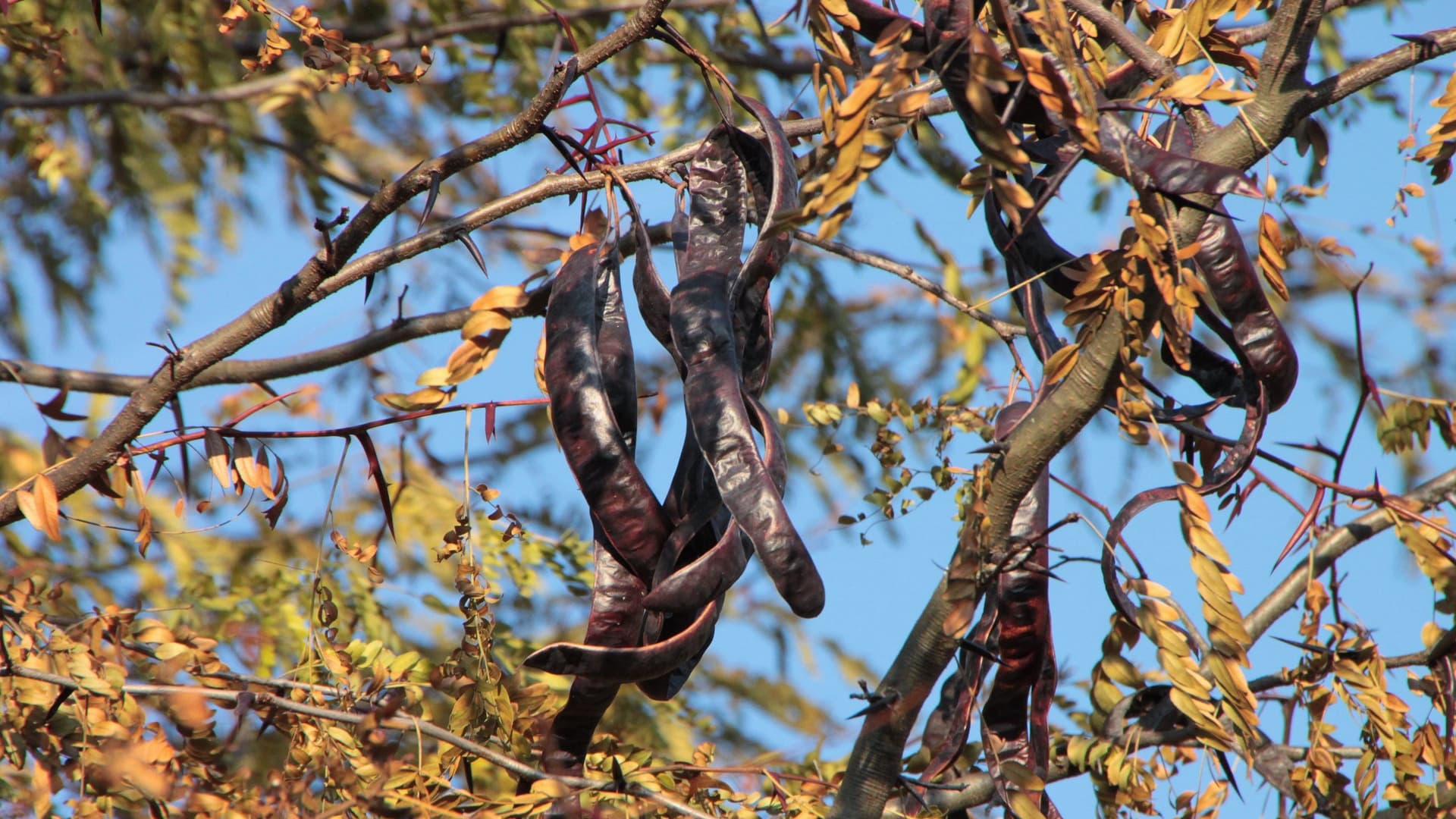
Carob pods on a carob tree (Photo: OOT Archive)
On the island of Kythira, south of the Peloponnese peninsula, Karavas bakery has been making Greek rusks for more than 20 years.
“We make all kinds of rusks,” owner Yiannis Koroneos, a baker who returned to his home village in the 1990s to start his own business, told Olive Oil Times. “We also started making carob rusks about a year ago. The carob flour gives the rusks a distinct flavor and sweetness.”
The Koroneos family has transformed an old olive oil mill in the small village of Karavas into a modern bakery producing rusks of various types, including the traditional olive oil rusk of Kythira.
“Especially in the summer, the rusks fly off the shelves,” Koroneos said. “We even have customers from Crete, a place well-known for its paximadi, who appreciate our delicate Cretan-type rusks.”
“We also ship our rusks abroad to countries such as the United Kingdom, Switzerland and Australia,” he added. “Tourists visiting our island also know a lot about them.”
In Greece, apart from the natives who consider the rusks an indispensable element of their diet, the rusks have also gained popularity among tourists who are starting to appreciate their versatility and ease of use.
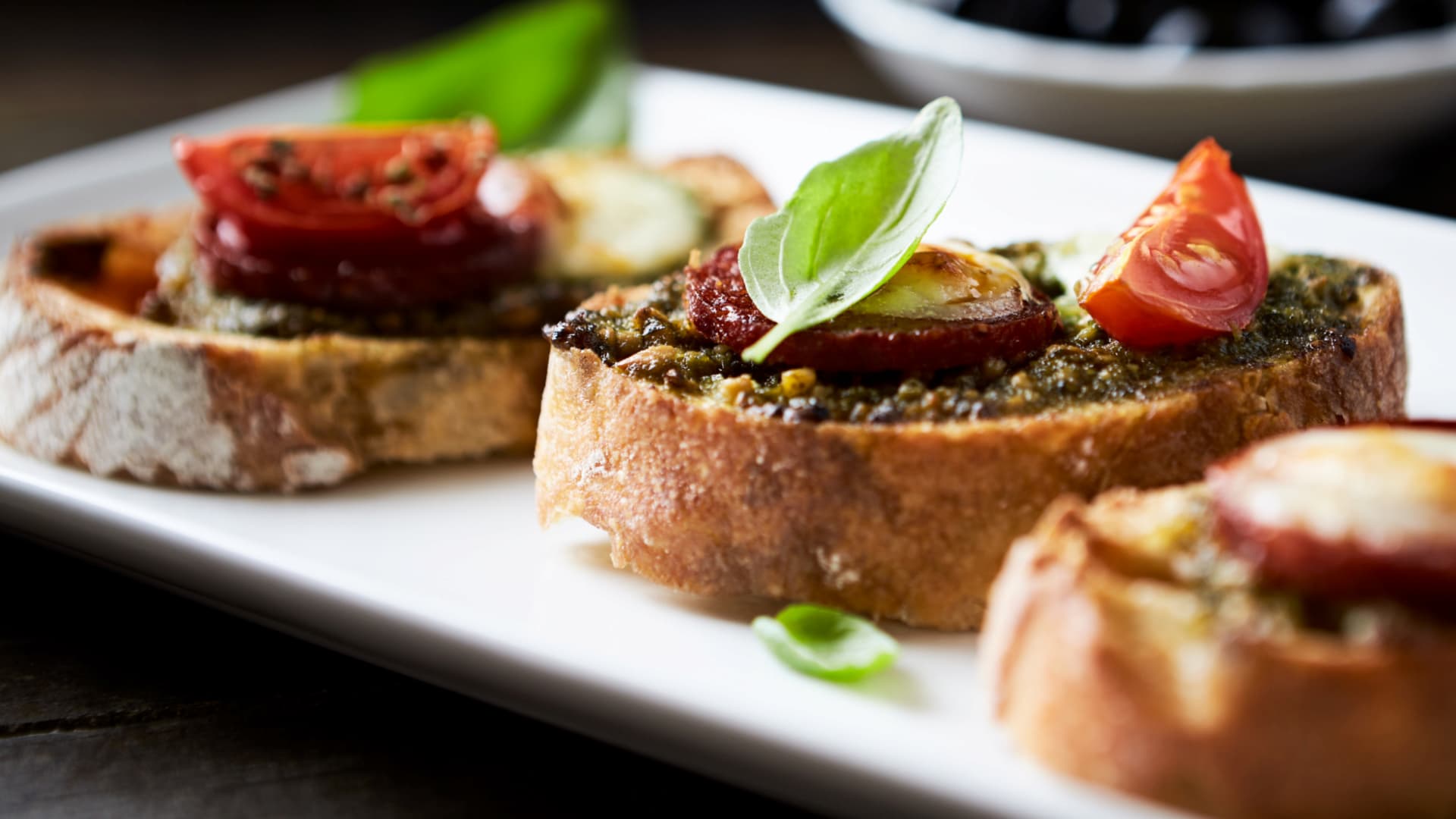
“I like the rusks, especially the smaller ones, as they are perfect for making bite-sized tomato and feta bruschettas dressed in olive oil,” said Elisabeth Keable, a Briton from Manchester who regularly visits southern Greece.
“Unfortunately, they are quite hard to come by over here,” she added. “But I always bring back a number of bags of them because they have a long best-before date.”
“They are handy to have on hand to bulk up a salad or as a bruschetta snack, so they have become a pantry staple for me,” Keable concluded.