Drought, Not Fire, Remains the Bane of Australian Olive Growers
Australia’s olive growers have mostly been spared from the wildfires that have been ravaging the country. Persistent drought, however, continues to cause concern.
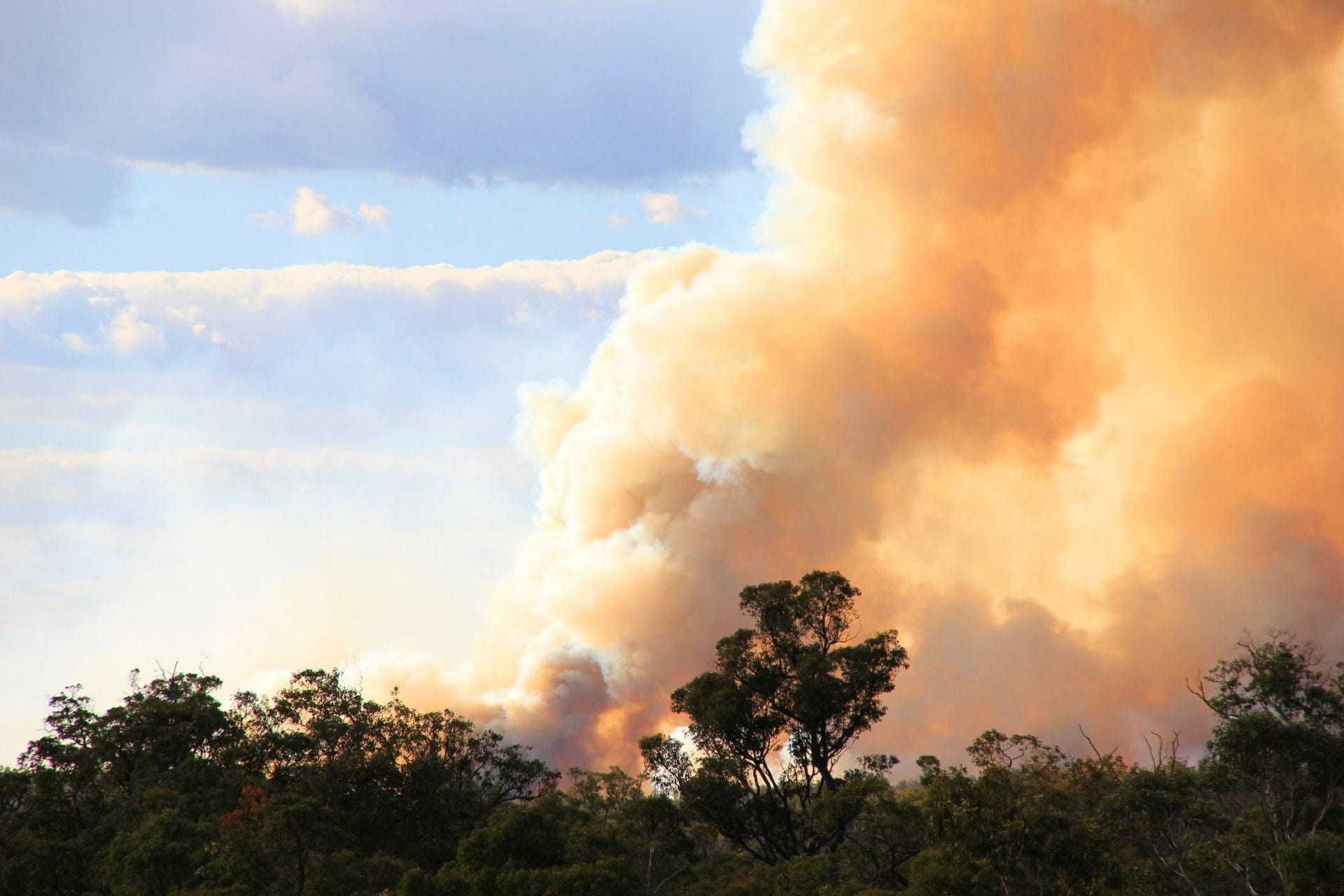
As wildfires continue to burn across large portions of southeastern Australia, olive growers are reporting that their groves have largely been left undamaged.
“The only physical damage to a grove occurred in South Australia and that wasn’t badly burned,” Greg Seymour, the CEO of the Australian Olive Association (AOA), told Olive Oil Times. “They are the only ones who we’ve had reports of being directly burned by the fire.”
However, Seymour cautioned that this remains an incomplete picture. He has not heard back from every grower in the affected areas and pointed out that fires are continuing to burn across the country.
We're moving right into peak fire season now and there's no rain predicted until March, so this isn't all over... The fires don't just go out.
At the time of writing and based on the information currently available, it appears unlikely that Australia’s 2020 harvest will be directly impacted by the fires. Instead, Seymour argues that one of the symptoms of these fires – the long and persistent drought – and some unforeseen repercussions of the fire are more likely to impact the upcoming harvest.
“What we’ve seen is a massive exodus of insects and other animals from the impacted areas,” Seymour said. “They are heading somewhere that is green and safe. We’ve seen olive groves with quite high levels of pests, such as lacewing, that normally wouldn’t occur at these types of levels and we’re yet to see the repercussions of this type of migration on the olive groves.”
Seymour also warned that peak fire season is about to begin in Australia, meaning active wildfires may become larger and new wildfires will inevitably start.
See Also: Climate Change News“We’re moving right into peak fire season now and there’s no rain predicted until March, so this isn’t all over,” he said. “It will come up again as soon as the weather changes. The fires don’t just go out.”
And even when the fires do go out, the harm they cause to agriculture goes far beyond the immediate damage of smoke and burning plants.
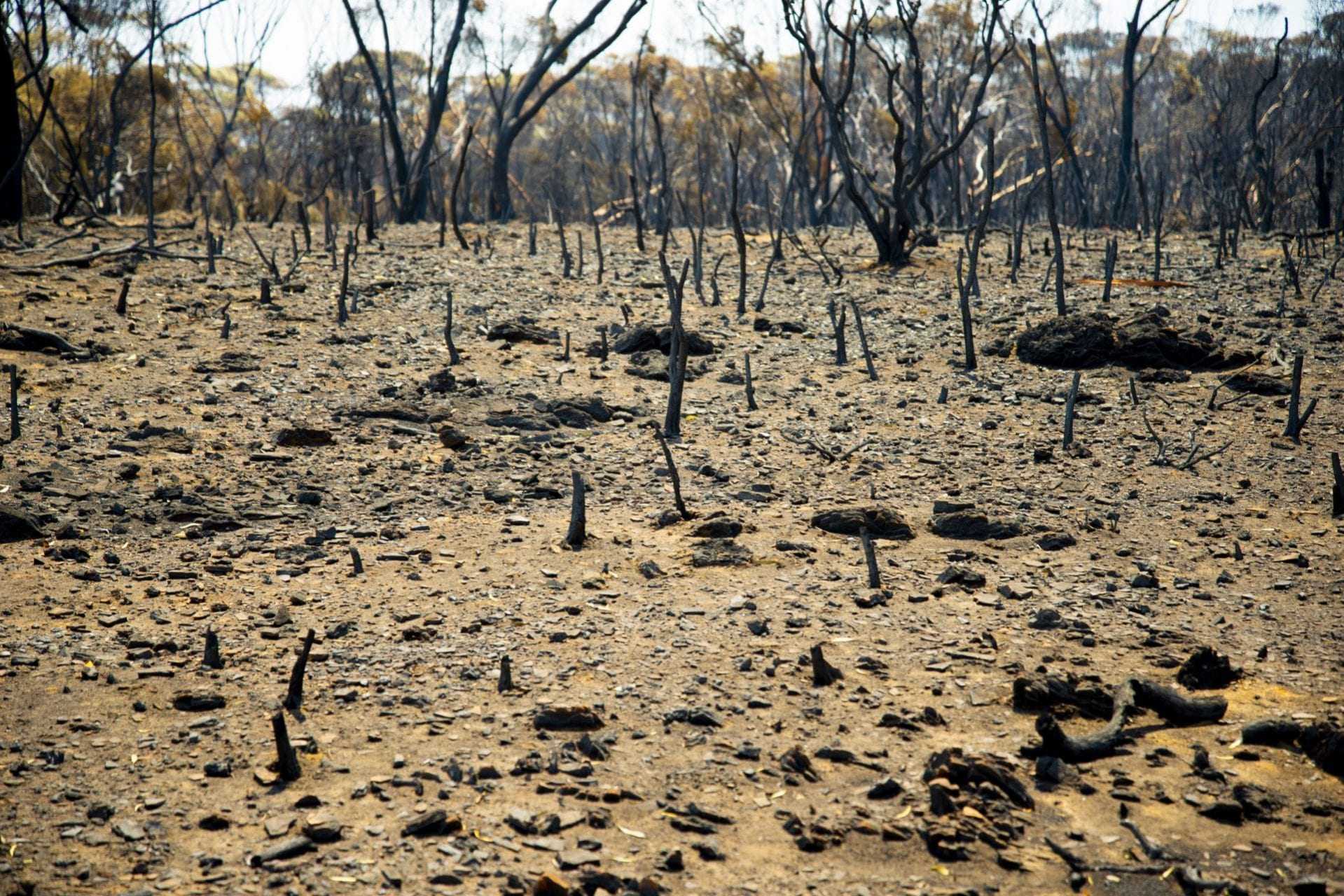
“Wildfires have many points of impact on horticultural businesses,” Steve Milton, an olive grower and the president of the Western Australian Olive Council, told Olive Oil Times. “Topsoil, compost and mulches are impacted seriously through the loss of microorganisms and the microbiotics essential for building a soil ecology that can sustain plants. This takes a long time to build or rebuild and can be very expensive.”
Milton also pointed out that fighting wildfires requires vast amounts of water that usually comes from rivers and local dams at the expense of agriculture.
“In my instance, water loss from my dams through it being used in fighting last year’s fires, followed by a very dry winter has resulted in my dams being seriously depleted to the point that I can’t afford to irrigate my grove this year,” he said. “My trees are stressed and I find a lot of fruit on the ground.”
“Will these things have an impact on the coming harvest?,” Milton asked. “Most likely for me.”
Australia’s unprecedentedly large and early wildfires are a symptom of a much larger problem that is having a far greater impact on olive growers and agriculturalists of all types across Australia: not enough rainfall.
“There has been no rain. That’s the problem,” Seymour said. “For loads of people, they just haven’t had rain or any meaningful moisture for two seasons.”
According to Australia’s Bureau of Meteorology (BOM), 2019 was both the hottest and driest year on record. Based on research that the BOM has done, this appears to be unlikely to change in the near future.
Australia is currently in a very strong positive Indian Ocean dipole, where cooler ocean temperatures off the coast of the continent and hotter temperatures off the coast of Africa lead to winds blowing from east to west. These winds take the moisture away from the Australian coast and deposit more rain on South Asia and East Africa.
The current state of the Indian Ocean dipole means the chances of dramatic improvement to the amount of seasonal rainfall in Australia is very low.
A negative Indian Ocean dipole causes the opposite phenomenon, in which Australia would receive more rainfall. However, negative Indian Ocean dipoles are considerably rarer than positive ones, with only two major ones occurring since 1992.
Instead, the major contributor of rainfall in Australia is the phenomenon known as La Niña, which takes place in the Pacific Ocean. During La Niña events, cooler water temperatures along the equator cause the wind to blow west and deposit rainfall in Australia. Over the past decade, there have been three La Niña events with the last one coming in 2017-18.
In spite of these climatic challenges, Seymour said that olive growers in Australia are learning to adapt. A combination of changing agronomical practices, effective government lobbying and good marketing practices will help ensure a sustainable future for the country’s olive sector.
“At our 2018 conference, we had presentations on some good research done on irrigation timing, volumes, salinity impacts and renewing the structure of the trees,” Seymour said.
He cited an example of growers using years in which they have poor yields to prune trees and improve the overall health of their groves. Taking the time to do this in unproductive years helps boost the trees’ productivity in seasons with more rain.
“People are utilizing opportunities to do things they might not always do,” Seymour said.
In Western Australia, where groundwater sources are rapidly drying up, producers are also investigating the most effective times to irrigate to keep trees and soil healthy.
“We are looking closely at what olive trees really need in certain soils and ecosystems so that we can recommend water economies that don’t reduce productivity,” Milton, from the Western Australian Olive Council, said.
The overarching idea is to be able to maximize olive yields while minimizing water inputs and therefore production costs. As the water dries up across the continent, the price of irrigation is quickly rising.
“The cost of water is going up exponentially because there’s a shortage and the highest-earning crops can pay the most for it,” Seymour said. “That makes it difficult for people to get the water and, when they can get it, make growing olives profitable.”
One of the remits of the AOA is lobbying both federal and state governments in Australia to make sure that water markets are more transparent and farmers can get fair prices.
Seymour and the AOA are currently awaiting the results of an audit by the Australian Securities and Investments Commission on the handling of water markets. Seymour said he expects to get the results in March or April next year.
“Hopefully the water markets will allow growers to get greater access and more fair pricing of water,” he said.
In terms of marketing, Seymour believes it is important to continue touting the quality of Australian olive oils through consumer education and outreach. He said that it is crucial to emphasize that Australia’s high-quality olive oils cost more than inferior-quality oils, but are well worth the price difference.
“A very big chunk of the industry has good irrigation water and quite frankly when it’s hot and dry and you’ve got plenty of water, it’s great for growing olives because there is less pest disease and maximum photosynthesis,” Seymour said. “Times are tough, but the redeeming factor is that we get really high-quality oils. That’s the only kind of comfort we can get out of this situation.”