Harvest in Full Swing at Italy’s Award-Winning Farms
Expectations are high among Italy’s top-rated producers as their farms and mills run at full tilt.
With the olive harvest underway in the northern hemisphere, many Italian producers are working at full capacity. Sicilian growers were among the firsts to start the dances in the second half of September, immediately followed by other Southern Italian farmers.
Most millers scheduled the opening of their facilities for the middle of October while growers in northern regions gradually began to take to their fields.
See Also: The World's Best Olive OilsAt l’Olinda Olive Farm, a mill with the latest technology is at the heart of an organic 110-hectare (272-acre) estate in the hills of the province of Ancona. Centuries-old trees are flanked by younger ones added over the years to enrich the production lines of the company.
“In the first days of October, we kicked off the campaign starting from our plants of Leccino, whose fruits were at the right level of ripeness,” Francesco Sabbatini Rossetti told Olive Oil Times. “From mid-October, we have continued with Raggia, Mignola, and then all the other varieties.”
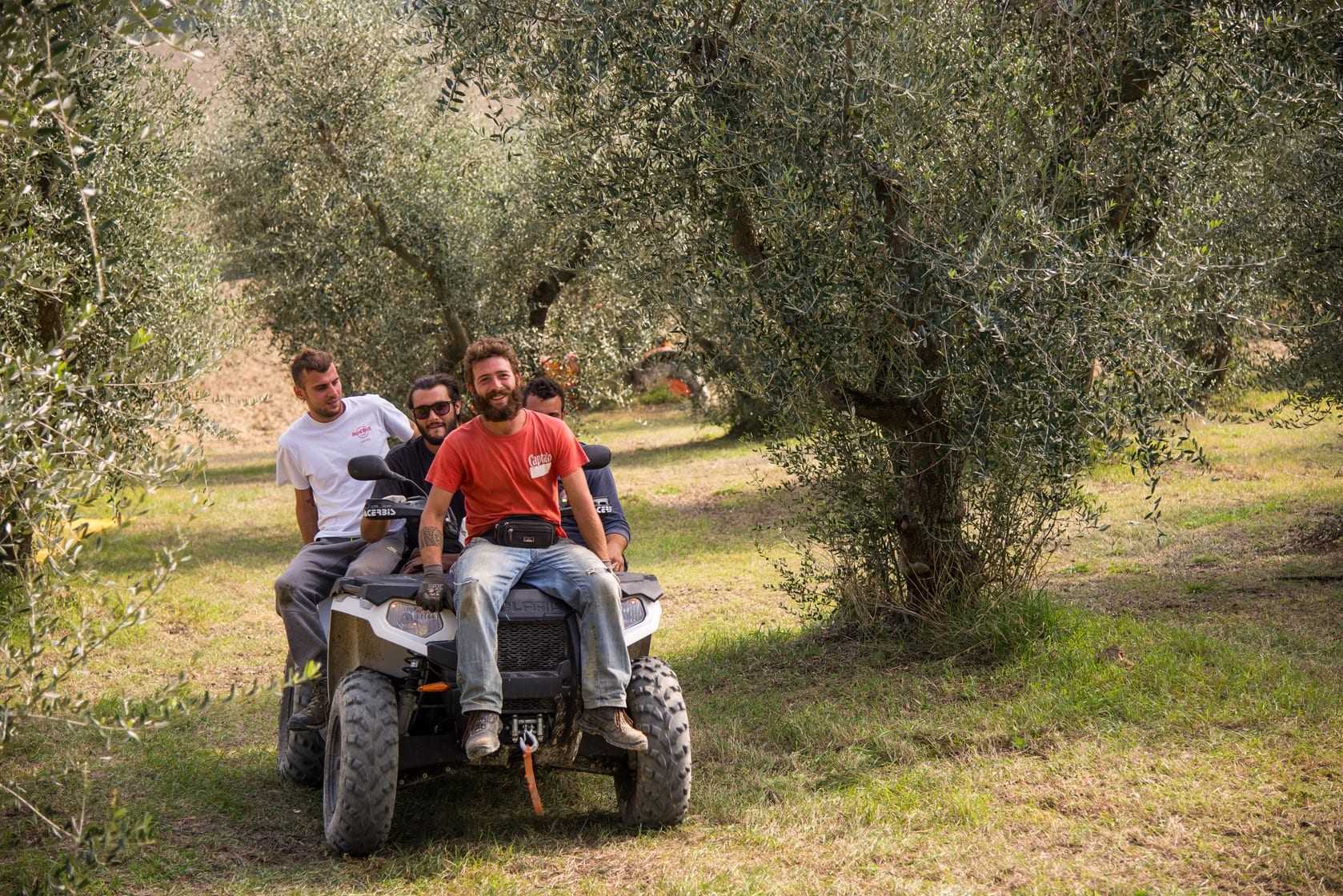
The harvest team at l’Olinda Farm
“We are confident that this will be a good season, with the groves almost completely recovered from the frost damages caused by Burian,” the farmer explained, adding that the farm had recovered 70 percent of the normal output prior to the historic cold wave dubbed the Beast from the East.
“In the last month, we registered a limited presence of [olive fruit] fly that had no consequences,” Rossetti said. “We also have coped well with the recent weather issues, and now I can say that we have again attained top-level standards.”
In the foothills of the Madonie mountains, at Cantarella farm, the first fruits were picked in early October. On the heights of San Mauro Castelverde, in the province of Palermo, Alessandro Zito manages about 5,000 plants of Crastu and some Giarraffa.
“We produce most of our extra virgin olive oil from Crastu, which is an autochthonous variety mainly located in this area of Sicily,” said Zito. “It has given us much satisfaction, both in the field, from the point of view of the agronomic management, and in the bottle, with its high polyphenol content.”
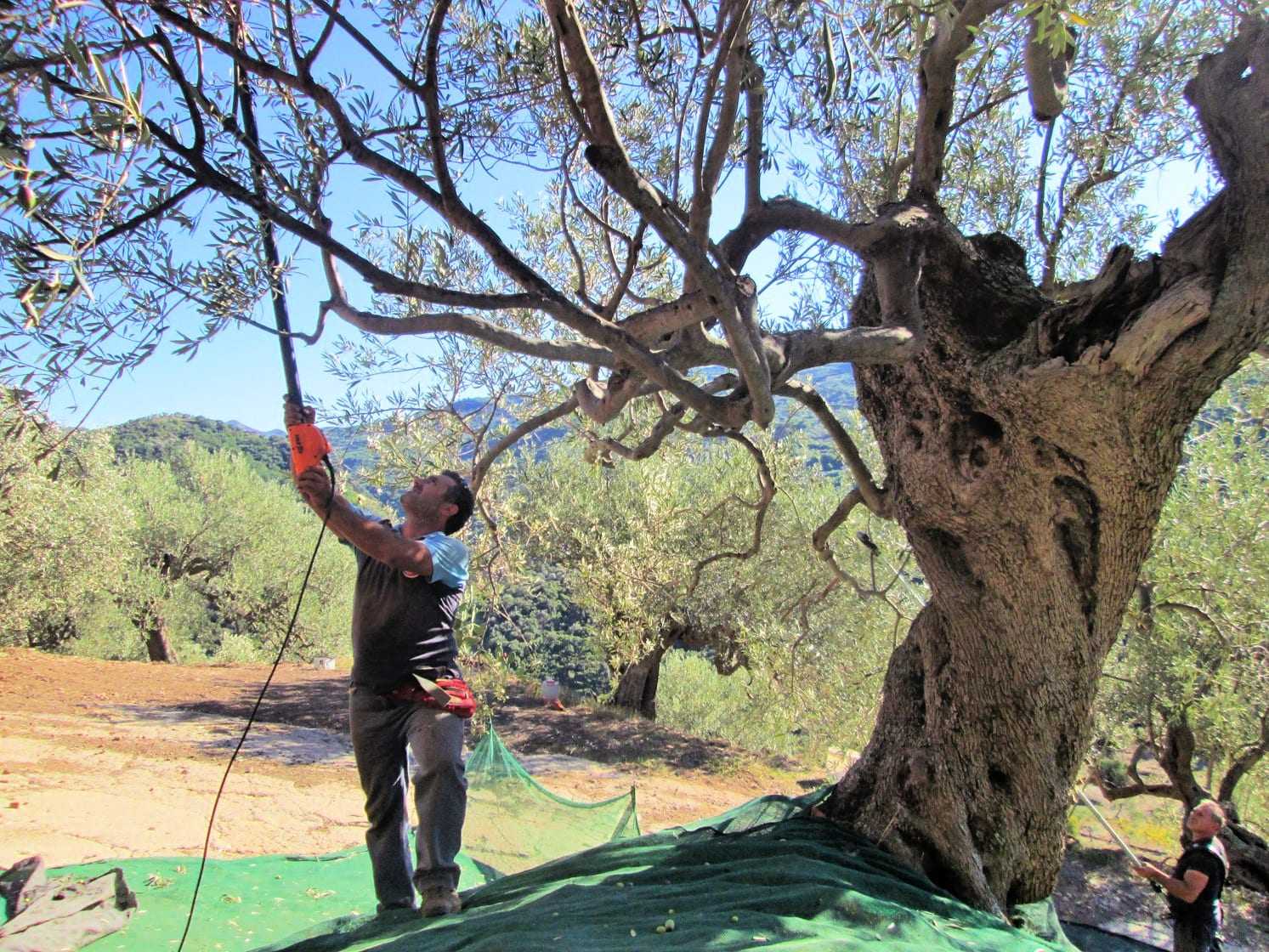
Alessandro Zito
The fruits of his plants situated at 600 meters (1,970 feet) above the sea level are pressed within eight hours from harvest in the company facility, which boasts high-tech machinery.
Zito took the reins of the company from his father who, in turn, had followed the long family tradition of olive growing.
“Most of our plants are centuries old with some trunks reaching a meter in diameter, so we are talking about several hundred years,” he revealed. From these monumental olive trees, he obtains a blend and different lines of monovarietals.
“Fruits collected early give life to a product with an intense fruitiness and rich aromatic hints,” Zito noted. “Now, despite this summer’s drought, we have still managed to get many healthy olives, and this makes me think that, again this year, we will have very good results.”
Everything is ready at Le Fontacce in Loro Ciuffenna for the harvest scheduled to begin today (October 20). “We have about 3,000 olive trees, mainly Moraiolo, Frantoio, and Leccino,” Simone Botti told Olive Oil Times from his organic grove in the province of Arezzo.
In 2008, he created the company, taking over the management of a property that had belonged to his family for generations. Over the years, he set up a mill and added land where irises and legumes, such as the autochthonous Zolfino bean, grow close to the olive trees.
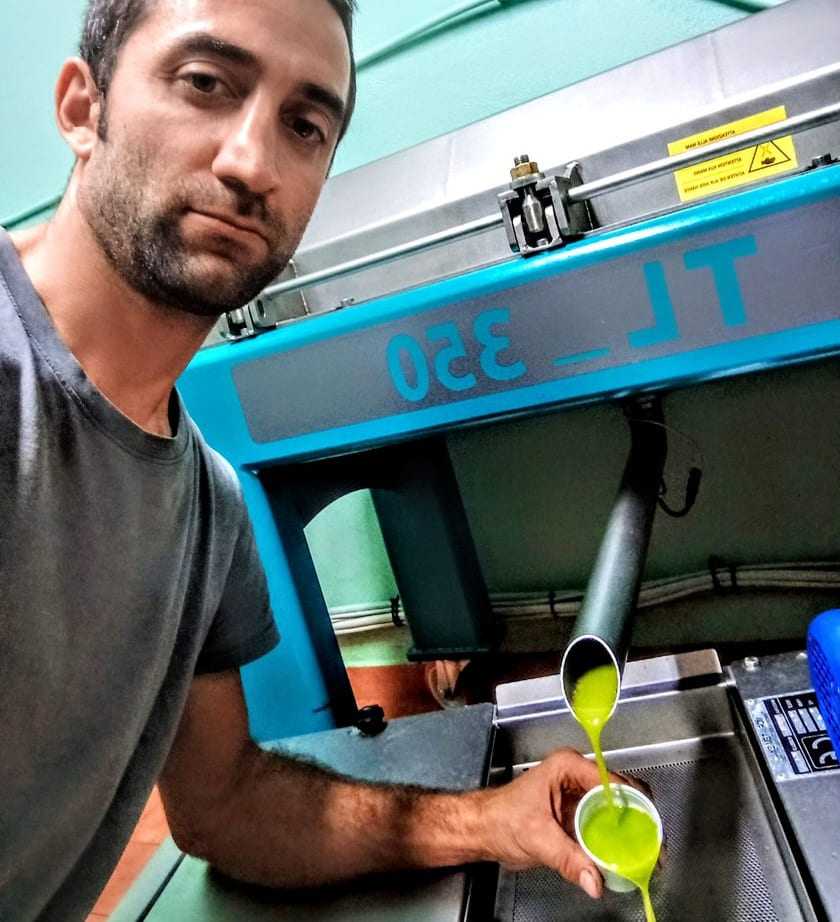
Simone Botti
“Our territory is hilly, and more than half of the plants are located on ancient dry-walled terraces, often in a position that makes harvesting and other agronomic practices quite difficult,” Botti pointed out, specifying that the other half is located on a flatter area near the company facilities.
“I believe that an advanced technology milling system is fundamental to get the most out of fruits,” the Tuscan farmer observed. “With all the attention that quality production requires, they are picked and pressed within the day. If last year’s issues — like the of the presence of the fly — led us to a drop in volumes, the efforts we made in the grove in the last months paid off, and we are ready to collect a large amount of sound fruits.”
By the end of the month, the harvest is planned to begin at the cooperative BioOrto of Apricena. “A few years ago, we decided to invest in the high-quality extra virgin olive oil sector,” said Mirko Conte, the export manager of the company devoted to the production of vegetables and tomatoes.
“Then, we have set up a state-of-the-art mill and focused on the Peranzana variety, which, with its harmonious combination of bitterness, spiciness, and tomato notes, is giving us great satisfaction, especially on the foreign market. In this sense, the recognition obtained at the NYIOOC [World Olive Oil Competition] strengthened our prestige on the international stage,” Conte added.
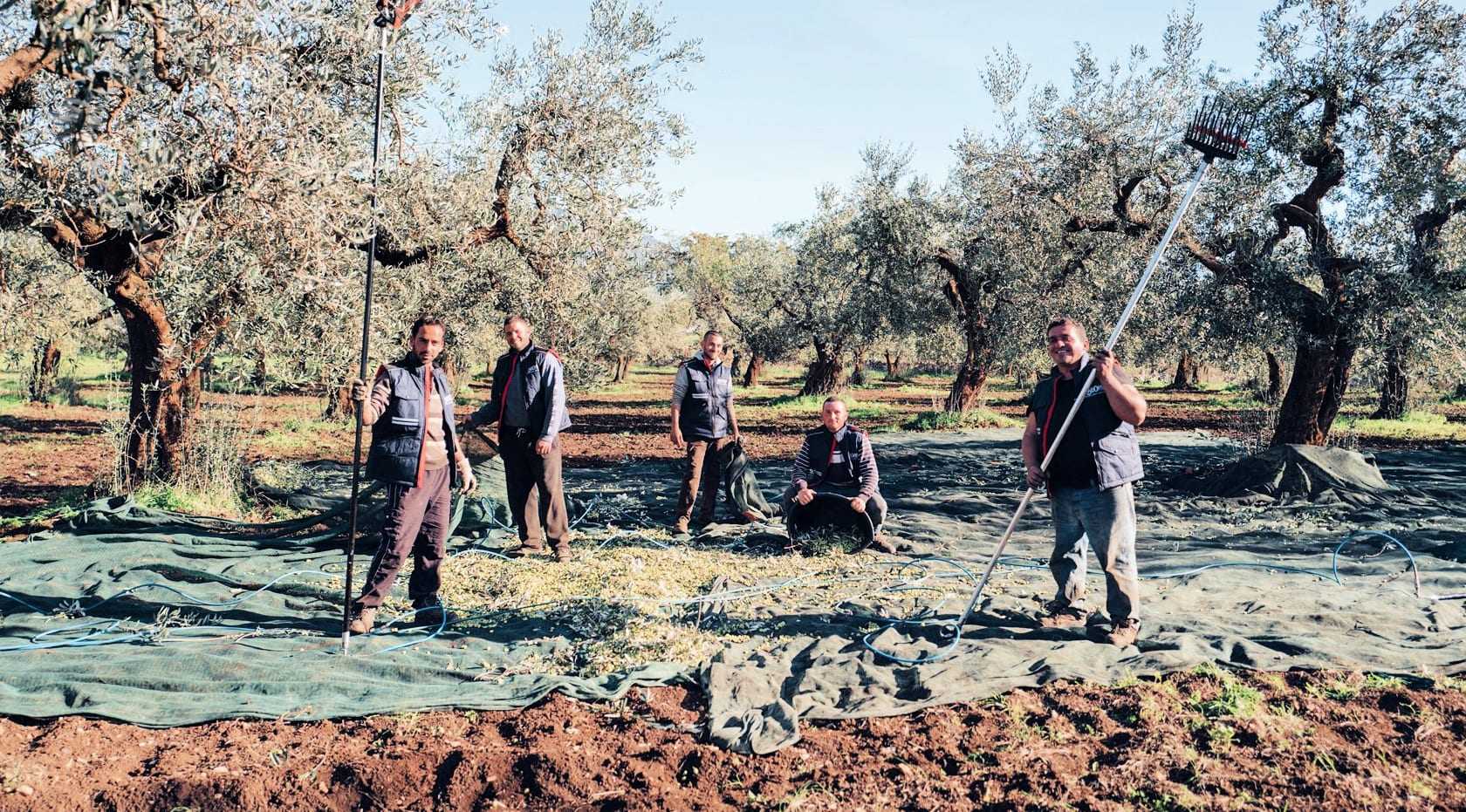
A harvest team at BioOrto
Their 8,000 plants, which also include Ogliarola Garganica and Coratina, are among the gentle hills of the Gargano National Park, which offers ideal, comfortable conditions for their development. The lands are close to the mill and the fruits are pressed in a matter of hours in the modern facility managed by experienced millers.
“We are among the largest organic companies in southern Italy, yet size does not prevent us from aiming for quality,” Conte told Olive Oil Times. “In fact, in addition to the company groves, we rely on those managed by small producers, which are carefully followed by our technicians. We have become a reference point for local olive growers, and it is also thanks to their commitment that we reach the highest levels of quality.”
Despite a slight decrease in volumes after the large yield of last year, the plants are in great shape, thanks to the fine weather in the summer months that gave the promise of another good season.