In Japan, Producers Reflect on An Award-Winning Year
Producers in Japan combined to earn a record-tying four Gold Awards and two Silver Awards, overcoming formidable harvest-year challenges.
Part of our continuing special coverage of the 2022 NYIOOC World Olive Oil Competition.
The growing popularity of extra virgin olive oil in Japan has closely followed the country’s consistently strong performances at the NYIOOC World Olive Oil Competition.
At the 2022 edition of the world’s largest olive oil quality contest, producers from Japan earned six awards, the third-highest total for the East Asian nation in the competition.
Their high-quality extra virgin olive oils were extracted after one of the most challenging harvest seasons in years.
See Also: The Best Olive Oils from JapanFlooding, landslides and heavy rainfall were unwelcome guests during those precarious weeks when the fruits reach the ideal ripening and growers begin to gather and transform them.
“Moisture control of the soil was one of the challenges we faced this year,” Toyohiro Takao, chief executive of Olive Hatake, told Olive Oil Times. “Not only the irrigation in summer but also the autumn rain has been the main issues.”
Despite these challenges, Olive Hatake earned a Gold Award for its medium blend, the company’s latest accolade at the NYIOOC.
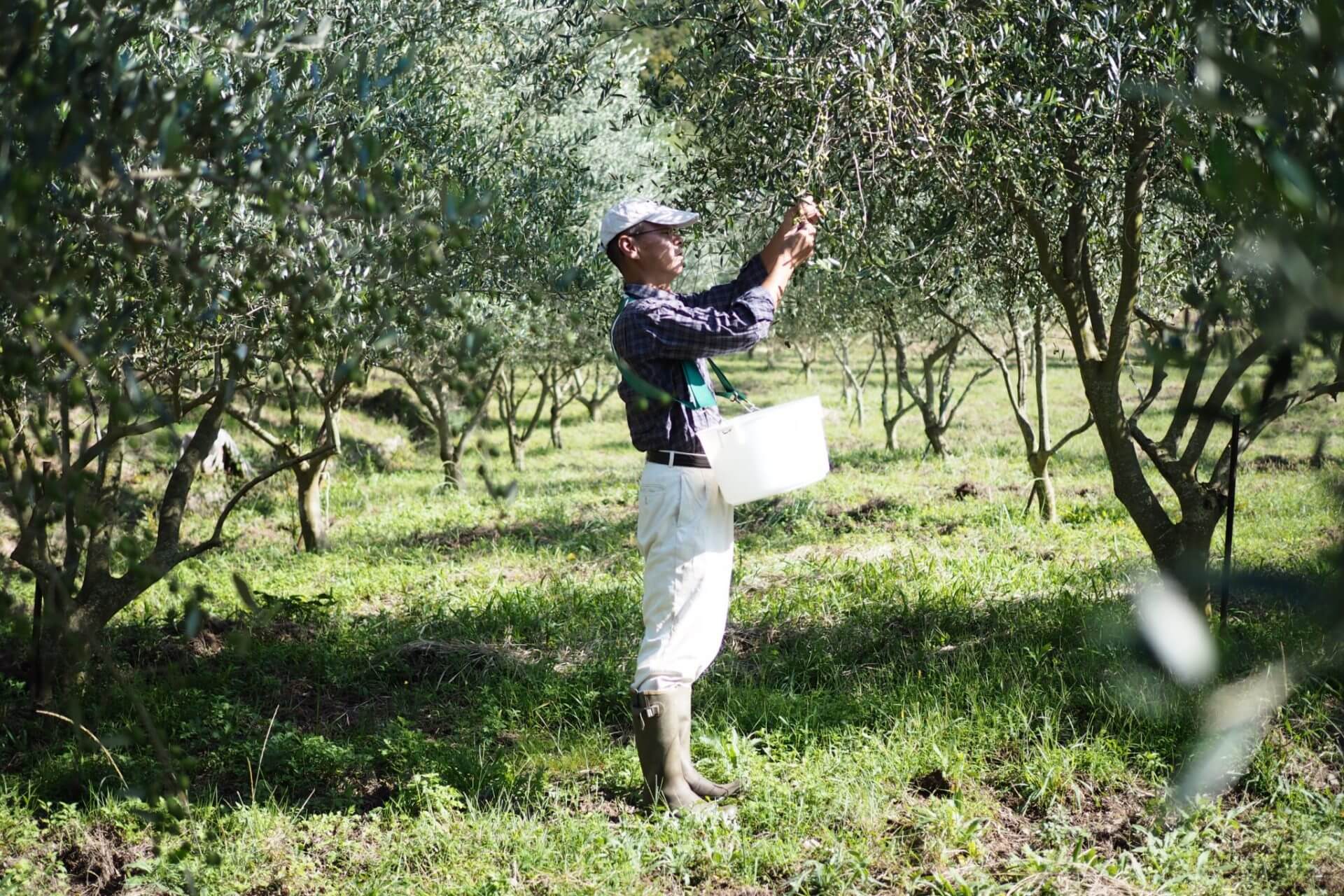
Toyohiro Takao
“I feel very happy and honored [to win], which comes after we focused even more on making a very high-quality product than in the past,” Takao said. “I think that such a prestigious award which places the olive oil from Takao farm in Shodo Island among the best in the world will greatly impact the brand.”
He added that the upcoming 2022 harvest is shaping up to be a promising one.
“Compared to the last few years, we see olives growing vigorously after a rich flowering. Therefore, we can expect a good harvest,” Takao said. “I have some worries about the typhoon season, which peaks from August to September.”
“This requires our workers’ special care so that the olives can overcome that period,” he added. “After that, with a strong selection and a careful harvest, we can expect a truly high-quality extra virgin olive oil.”
Interest in olive oil is growing among Japanese families and restaurants, many of whom are increasingly discovering its health benefits and organoleptic properties, which easily blend with one of the most famous culinary traditions in the world.
According to data from the International Olive Council (IOC), olive oil consumption in Japan has grown steadily over the past three decades, rising from 4,000 tons in the 1990/91 crop year to an estimated 60,000 tons in the current one. Takao also confirmed this trend to Olive Oil Times in a 2021 interview.
“The use of olive oil in the home is increasing,” he said. “We have been receiving orders from sushi restaurants, soba noodle restaurants, tempura restaurants, kappo restaurants and other Japanese restaurants.”
While some locally-produced olive oil is exported – mainly to France, China and Vietnam – most is sold domestically.
“Although olive cultivation and olive oil demand are flourishing in Japan and other Asian countries, the history of olives is still young,” Noboyuki Hiraiwa, founder of Agri Olive Shodoshima (AOS), told Olive Oil Times.
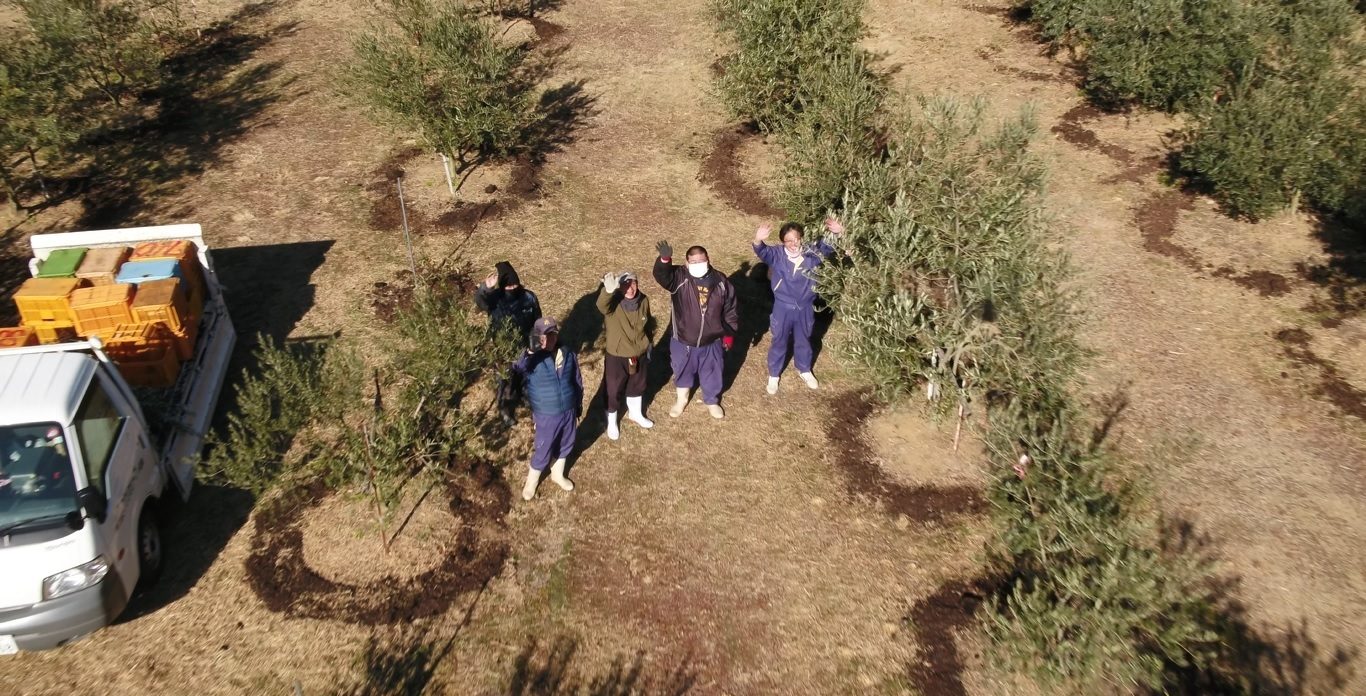
The team behind Agri-Olive Shodoshima
“So we are just at the beginning and hope that more farmers over time will produce olive oil of a quality as good as that of European and American olive oils,” he added.
AOS won three awards at the 2022 NYIOOC and confirmed the excellent quality of its products which have repeatedly been recognized in the competition.
“Of the three new extra virgin olive oils we entered for the first time [at the 2022 NYIOOC], one received a Gold Award, and one received a Silver Award,” Hiraiwa said.
“We are very pleased to have received these awards,” he added. “However, we are very disappointed that one of our extra virgin olive oils was not awarded and that our flagship extra virgin olive oil, which had won the Gold Award for the past three years, received a Silver Award this year.”
According to Hiraiwa, the company’s excellent results will support the success of his company in the market.
“We are confident that winning Gold and Silver Awards at the prestigious NYIOOC will strengthen our brand and help us in our future marketing strategies,” he said.
In a May 2022 interview with Olive Oil Times, Hiraiwa emphasized the crucial role played by research into olive growing for those who want to produce the highest quality products.
“We also hope to be able to visit and enhance our knowledge of advanced olive oil producing countries in Europe and the United States to produce better extra virgin olive oil,” he added.
Yasuhiro Yoshida, the production director of Nippon Olive Company, was another of Japan’s repeat winners, celebrating success at the competition once again.
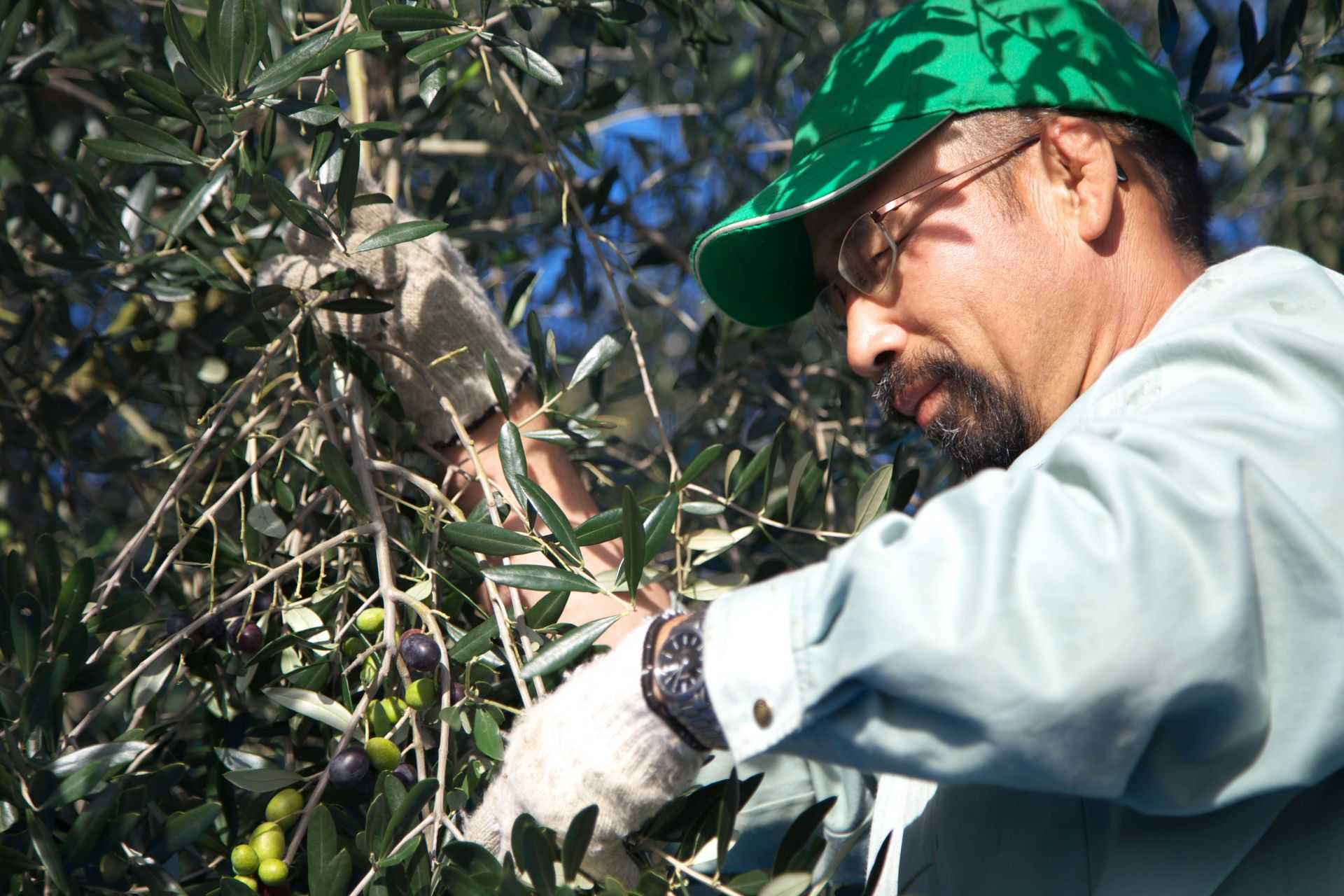
Harvesting olives at Nippon Olive Company
“I am very happy, that’s all I can say,” he told Olive Oil Times. The company’s Ushimado and Ushimado Superior brands each earned Gold Awards.
“We have always been very proud of our products and the taste of our Ushimado and Ushimado Superior brands,” Yoshida said. “Those awards confirm our work and make us exceptionally happy.”
The company is investing heavily in the quality of its 10 hectares of olive groves, where more than 2,000 olive trees thrive.
“Our efforts to improve Ushimado Superior are also having an impact on Ushimado, and [the awards] are proof that they are leading to higher quality products,” Yoshida said. “We are confident that these awards will strengthen our efforts and spur us on even further.”
“We do not want to be influenced by the result, as we humbly go on with our olive oil production,” he concluded. “The award itself is one step in the olive oil production process. One thing I can say for sure: all Japanese producers are striving to produce good tasting extra virgin olive oil.”