Quality of Central Italian Producers Shines Through After Difficult Harvest
The climate did not make it easy for olive growers in Lazio, Umbria or Abruzzo. Still, producers crafted award-winning extra virgin olive oils emphasizing local varieties.
Part of our continuing special coverage of the 2023 NYIOOC World Olive Oil Competition.
Despite one of the most challenging seasons in recent history, olive oil producers in Italy won 174 awards at the 2023 NYIOOC World Olive Oil Competition, the country’s second-highest total.
The drought that enveloped most of the Western Mediterranean basin and repeated heatwaves and other extreme weather events impacted farmers across Italy.
As a result, the 134 Gold and 40 Silver Awards earned by Italian producers were hailed as evidence of their resilience.
This was especially true in the central Italian regions of Umbria, Lazio and Abruzzo, where olive growing has been part of the culture for generations.
See Also: The Best Olive Oils from Italy“Extra virgin olive oil is a symbol of the identity of our region, a product that stands out for its taste and quality,” Roberto Morroni, deputy president of the Umbria regional government and regional secretary of agriculture, told Olive Oil Times.
Morroni said olive oil’s quality “helps to communicate the brand of a land which is unique both on the national and the international scene, and not only in the agri-food sector.”
“Umbria is a precious treasure chest of various and excellent typical products, natural beauty and holder of an inestimable historical, artistic and cultural heritage,” he added.
The success of Umbrian producers, some of whom have repeatedly won awards at the NYIOOC, did not surprise Morroni.
“The regional government has invested significantly to enable olive mills to stay on the cutting edge while promoting synergies among producers and the development of the local olive oil supply chain,” Morroni said.
Among Umbria’s award-winning producers is Domenica Fiore, which earned three more Gold Awards.
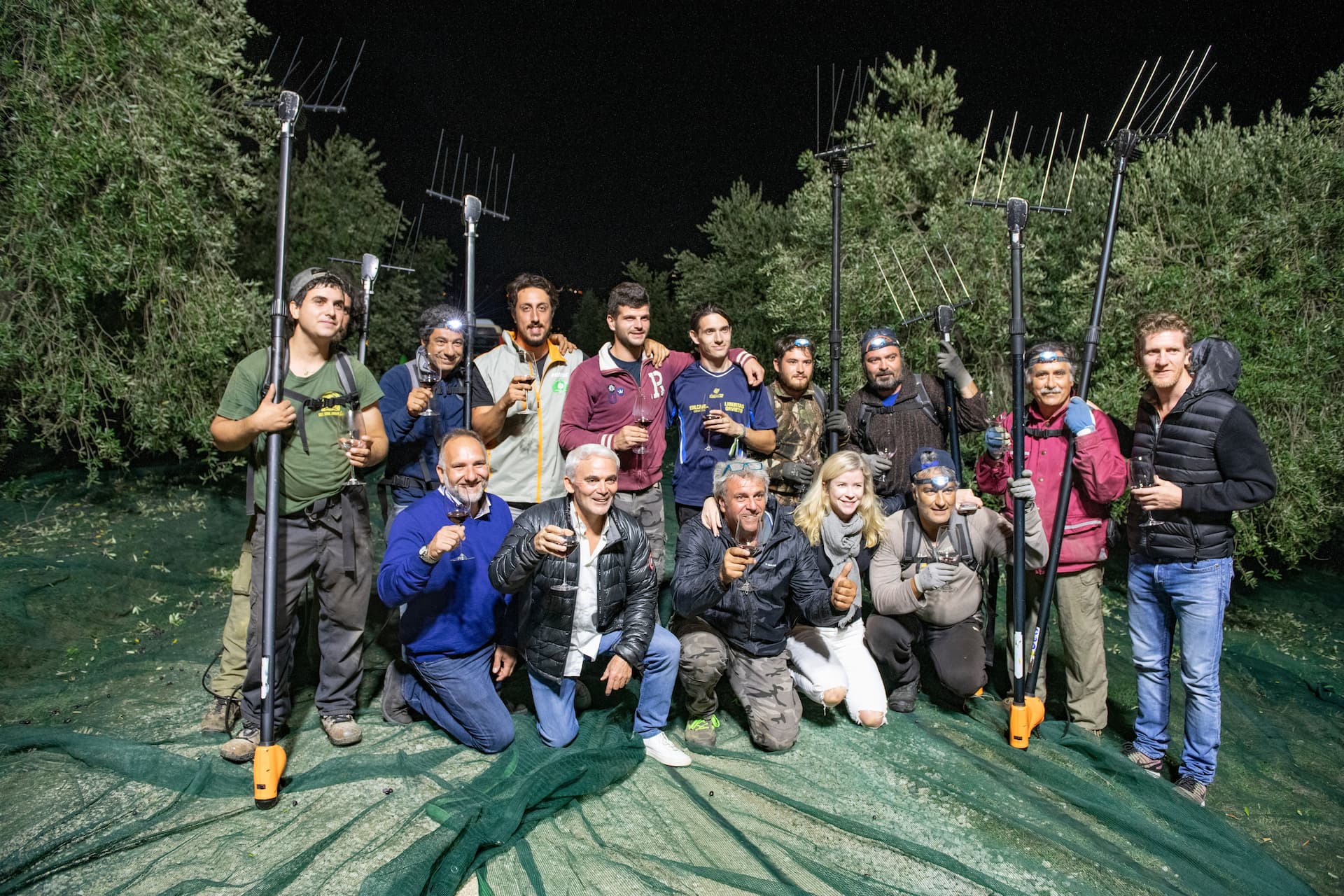
The Novello di Notte harvest team at Domenica Fiore
“We have won awards every year since the beginning of the competition,” master miller and blender Cesare Bianchini told Olive Oil Times. “Every year, we try to fine-tune our work and further enhance our olive oils.”
Bianchini cited the separate harvest for each cultivar, including Moraiolo, Leccino and Frantoio, as one of the keys to the company’s success over the years. Separate harvests allow each cultivar to be milled independently within three hours.
“On top of that, you can have the same cultivar grown at different altitudes on our hills, which means that the perfect ripening stage comes at different times,” Bianchini said. “That also is considered when harvesting is executed.”
Among Domenica Fiore’s winning brands is Novello di Notte (new olive oil, by night), the olives for which are harvested after dark.
“We started producing it a few years ago as Leccino olives and some Moraiolo in the lower portions of our farm tend to ripen early, in the second half of September,” Bianchini said. “Those are very hot days, you cannot safely harvest olives during the day as they would deteriorate quickly, and one could not do cold pressing under those conditions.”
“So we started harvesting with cooler temperatures a few hours into the night, picking small batches and transforming the olives immediately after,” he added. “That is how Novello di Notte was born.”
South of Umbria, in the neighboring region of Lazio, producers focused on the local Itrana cultivar were among the winners at the NYIOOC. The variety thrives in southern Lazio and features a high phenolic content.
“We had already won a Gold Award with our Itrana olive oil in the previous edition, so we hoped that in 2023 we could win a Gold Award at the NYIOOC again,” Francesco Paolo Agresti, founder and general director of Agresti 1902, told Olive Oil Times.
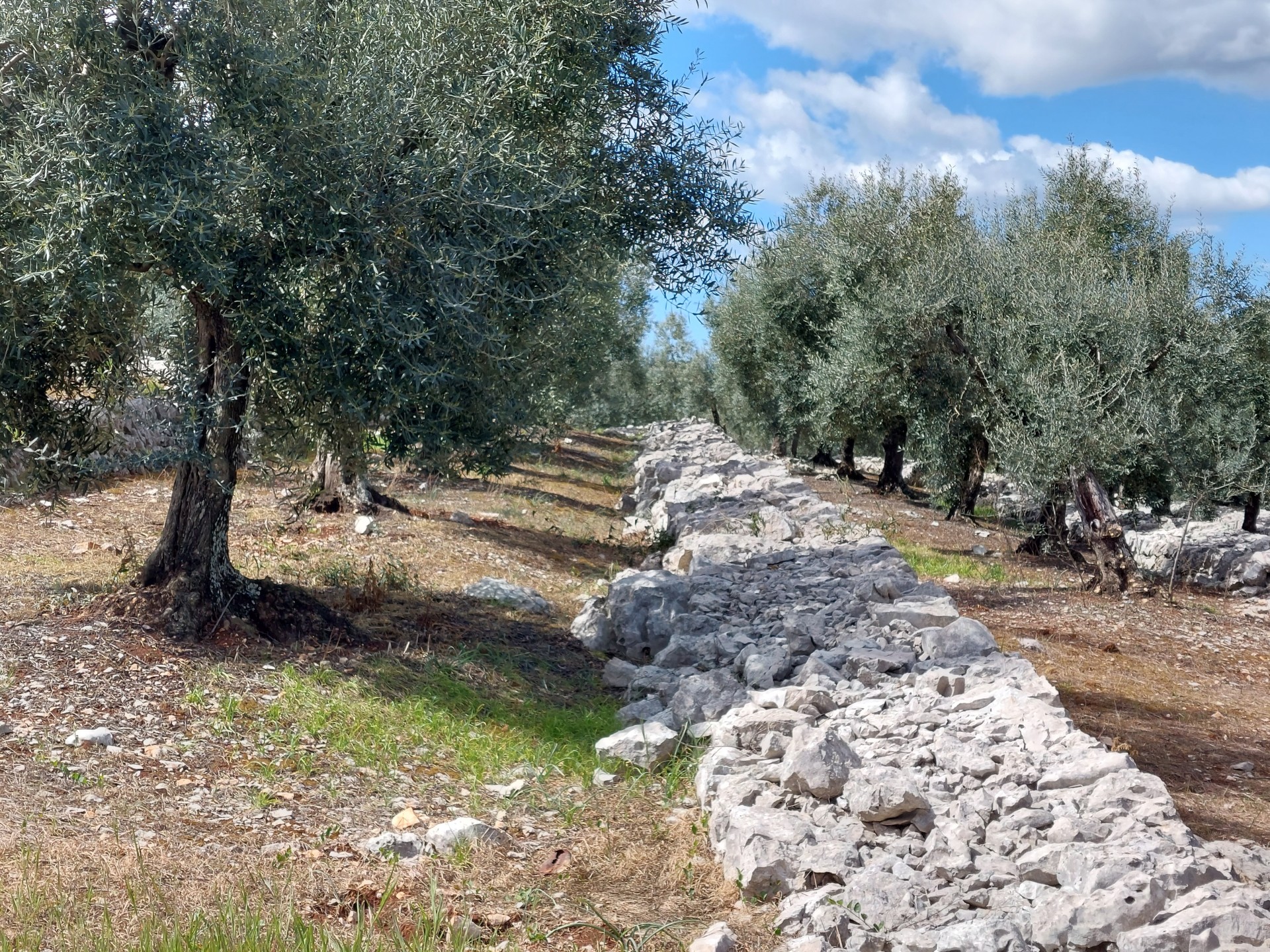
Agresti’s Colline Pontine PDO olive grove
Agresti’s Colline Pontine PDO won a Gold Award for its Itrana monovarietal. “Itrana is one of the most appreciated cultivars in the world; it is our duty to take care of this heritage,” Agresti said. “It’s an organoleptic treasure, and that truly helps us in our mission.”
According to Agresti, Colline Pontine’s unique terroir is part of why his PDO brand consistently wins awards at the NYIOOC.
“We grow olive trees on terraced hills exposed to southwest and characterized by calcareous soil,” he said. “They further boost the olive tree cultivar’s sensorial expressions.”
“An early harvest might reduce overall yields, but it enhances flavor and nutritional contents of the product, and it makes it easier to avoid the potential attack of the olive fruit fly,” Agresti added.
Olio dei Papi, meaning ‘Pope’s olive oil’ in Italian, was also awarded at the NYIOOC for an Itrana extra virgin olive oil, earning a Silver Award.
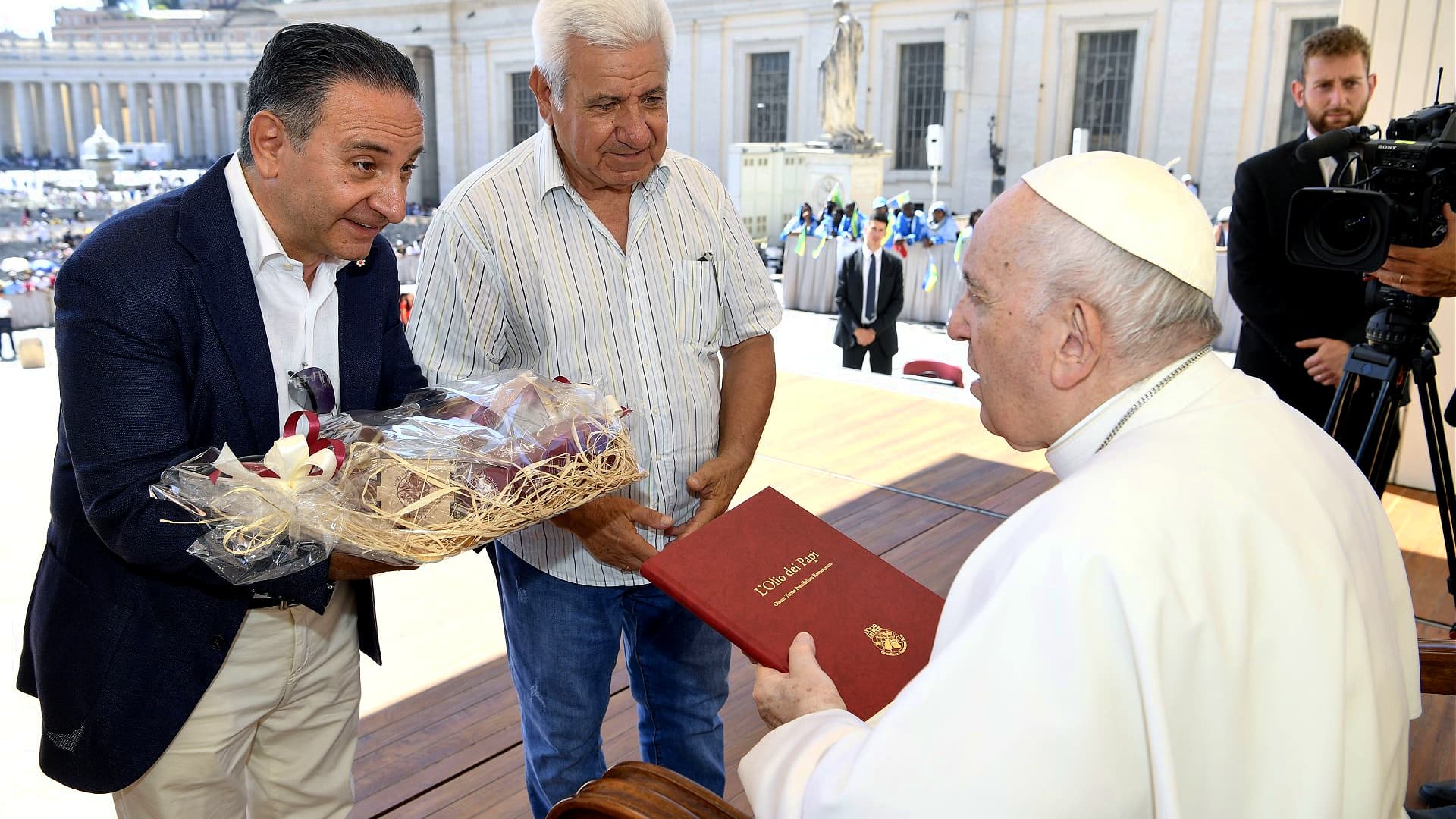
Domenico Sperlonga, Carlo Gallozzi and Pope Francis (Image courtesy of Vatican Media)
Thousands of olive trees were planted in the region during the Pope’s agrarian reforms in the 18th Century CE.
“We are very happy with the result, considering that it is the first year Olio dei Papi takes part in the competition,” co-director Domenico Sperlonga told Olive Oil Times. In 2018 and 2019, Sperlonga won Gold Awards at the NYIOOC with his family farm.
“The production protocols bind us to only use olives from the cultivars grown in the former Papal State,” Carlo Gallozzi, president of the Le Badie cooperative, told Olive Oil Times. Gallozzi’s cooperative contributes to the Popes’ olive oil production.
“Itrana olives constitute by far the majority of the Olio dei Papi olive oil,” Sperlonga added. “It is blended with Leccino, Frantoio and a special cultivar known as Carboncella, whose extremely high phenolic content is comparable to Coratina.”
In Abruzzo, the central Italian region stretching from Lazio’s eastern border to the Adriatic Sea, Tenuta Masciangelo won a Gold Award for its medium Linea Maria blend.
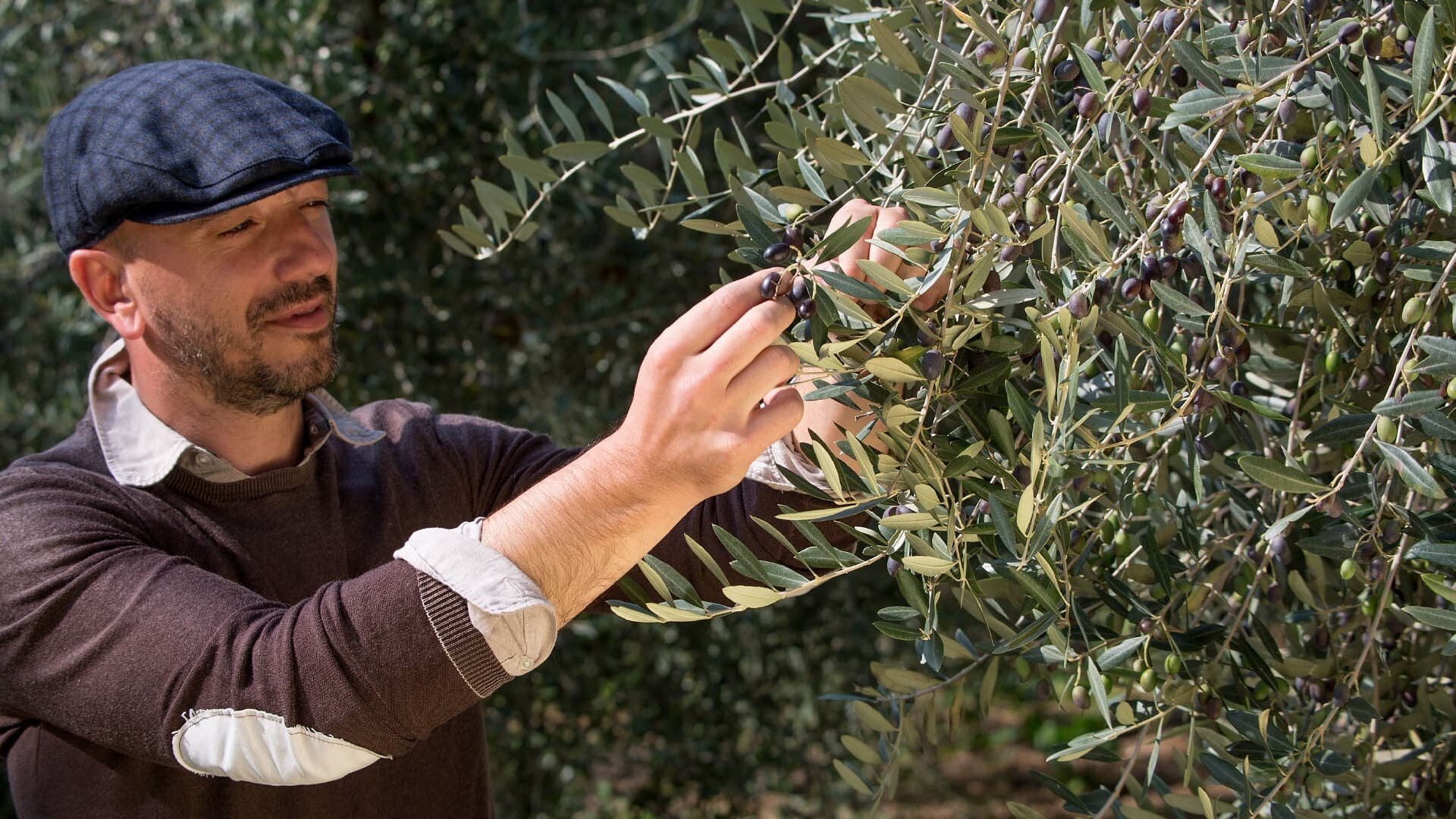
Ruggero Masciangelo
“It is our flagship extra virgin olive oil, whose name is dedicated to my mother, Maria, who is not with us anymore,” owner Ruggero Masciangelo told Olive Oil Times. “She was the one taking care of our farmlands.”
Masciangelo has expanded production in the last decade, adding new cultivars. “We explored the possibility of producing olive oil from varieties typically used as table olives,” he said. “Their yield is lower than other cultivars, but the flavors they express are unique.”
One of these cultivars, Bella di Cerignola, contributed to the award-winning olive oil.
“This has an impact on cost,” Masciangelo said. “Since some of these cultivars are very fragile, the olives have to be harvested one by one by hand, as our ancestors did before us. In addition, the modern tools, commonly used in the field, would damage the olives and hurt the final quality of the product.”
Producers from all regions in central Italy said it was still too early to predict the outcome of the upcoming 2023/24 harvest. However, they said everything is going as well as possible ahead of flowering, with necessary rainfall and average temperatures.
This is good news for growers and for the regional governments. Morroni highlighted the significance of olive oil and said it “represents a driving force for the entire economy of the territory.”
“In Umbria, olive oil represents the ideal trait d’union between tradition and innovation,” he concluded. “The deep roots of the olive tree fully express the Umbrian people’s strength and passion for their work. And that is confirmed by the awards won in competitions where Umbrian olive oil shines as the protagonist.”