At Zeet, Quality Is a Family Business
The company produces its own olive oils in Tunisia, Spain and Italy using knowledge gleaned over four generations.
In the heart of Tunisia, olive trees have thrived for centuries. There, thousands of trees have defied water scarcity and other climate issues and allowed the Hamdi family to produce extra virgin olive oils for the last four generations.
Today, under their Zeet brand, the Hamdi family ships high-quality extra virgin olive oils to Europe, the Middle East and the United States. Their extra virgin olive oils have won the industry’s most coveted awards at the NYIOOC World Olive Oil Competition.
“In Tunisia, Zeet means olive oil, and that is the name we chose when we established our company in the United Kingdom in 2016,” Daly Hamdi, owner of extra virgin olive oil Zeet, told Olive Oil Times.
“I was in U.K. in those years, working in the banking sector, as we realized that there was no Tunisian quality olive oil in the country,” he added. According to Hamdi, Zeet introduced some of the first Tunisian olive oils.
“Even in New York, at the NYIOOC, Zeet was among the very first Tunisian producers to score an award in 2017,” he recalled.
The majority of Hamdi’s olive oil is produced in Tunisia by his extended family. “If we look at the overall production in my family, we probably reach the 50 tons of olive oil on average. Still, the Zeet brand, which is entirely focused on high quality and organic production, accounts for approximately 25 tons or so,” Hamdi said.
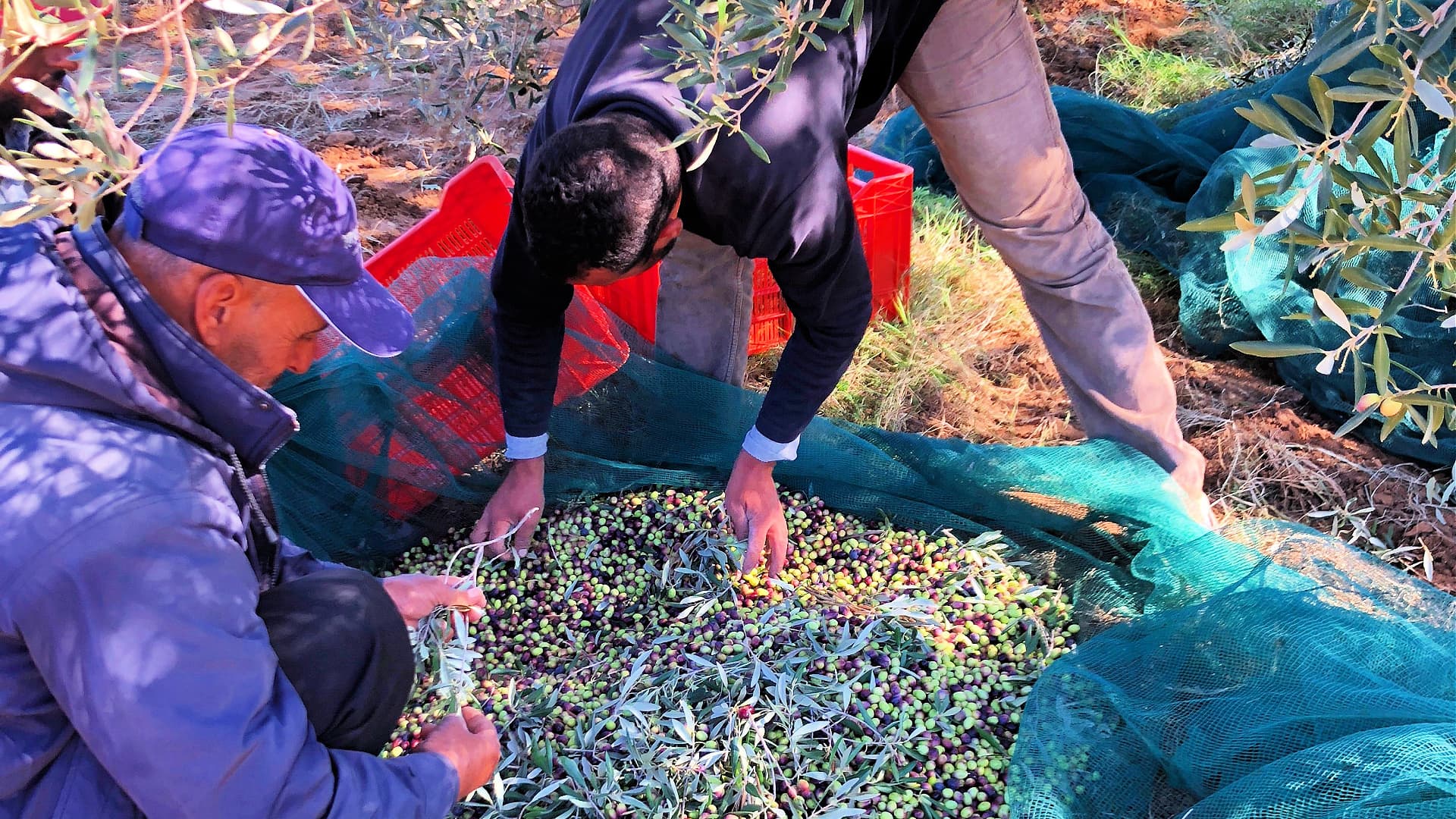
“My dad is there, taking care of our olive orchards, just like his parents did before him,” he added.
Hamdi’s parents can count on approximately ten thousand trees. In addition to the older trees, the family has planted new olive orchards and expanded production and added new olive varieties to existing orchards.
“We do have some Arbequina there or Koroneiki, but we stick to the traditional and local cultivars. Our farms are in the vicinities of the city of Kairouan, a province where most of the trees come from the Chemlali variety, a tree which is highly resilient to dry conditions,” Hamdi noted.
See Also: Gold for Tunisia Heralds Start of New BeginningAbout 80 percent of Hamdi’s olives in Tunisia come from the Chemlali cultivar. “Its olive oil has a unique and mild character,” he added.
Other varieties grown by the company include the Tunisian Chétoui, a renowned and typically northern Tunisian cultivar known for the more robust flavors of its olive oils.
Besides the Tunisian operations, Zeet has recently partnered with high-quality producers in regions of Spain and Italy, such as Andalusia, Catalonia and Sicily.
The search for more flavors and cultivars is strictly connected to customer preferences. “What I have seen in these few years in the U.K. is that when you give customers the choice, they initially will go for our high-quality mild olive oils,” said Hamdi.
“Still, if you talk to them and make them taste the bitter and the flavors of our best EVOOs, it is not hard to conquer them,” he added.
Hamdi explained that food resellers of Zeet’s EVOOs in the U.K. market had been trained to explain the differences to customers and help them taste the many available olive oil flavors.
“In the end, I would say that we are offering our customers mild EVOOs from our Tunisian farms. But we are also shipping Picual, that I would define as medium, and the EVOOs from Sicily as our more intense EVOOs,” he added.
See Also: The Best Tunisian Olive OilsAs an olive oil producer in several countries, Hamdi believes water scarcity is the most pertinent challenge growers face. “In the last two years in Tunisia, water availability dropped consistently. As climate change goes further, that is an issue which is being increasingly important in Tunisia as well as in the other regions such as in Spain and in Italy,” he noted.
The costs of oil production and how it impacts extra virgin olive oil prices also remain challenging for Zeet.
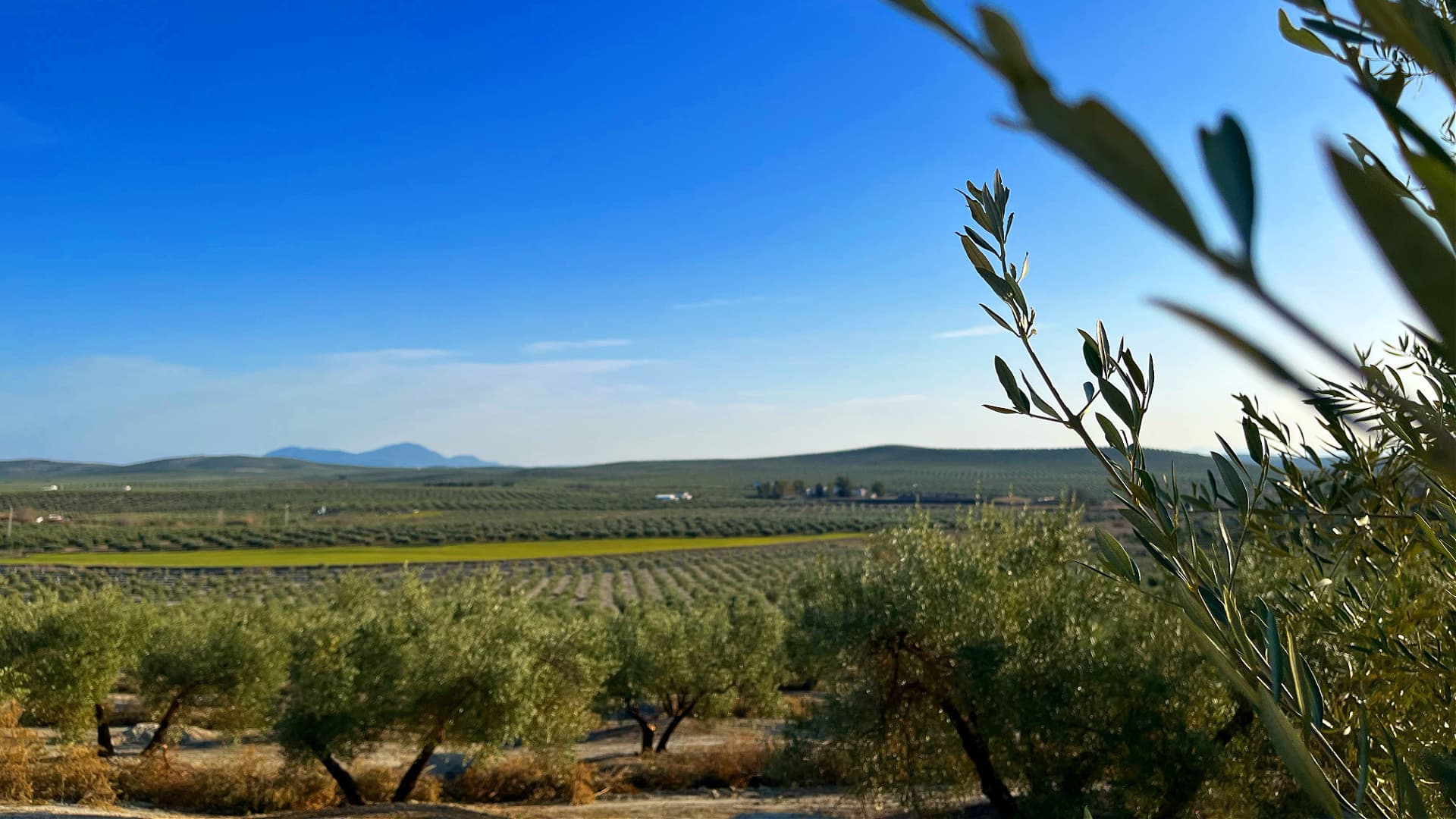
Zeet groves
“It is not only olive oil production that is costing more, but that is also true for the bottles, the labels and the shipping itself,” Hamdi underlined, hinting at a situation that has become even more complex after Brexit.
“Before Brexit, we could ship a pallet of olive oil from Spain or Italy to the U.K. at approximately £250. Today, shipping from Sicily to U.K. might cost up to £600,” Hamdi noted.
According to Hamdi, the price of the end product sold to consumers cannot skyrocket along with production costs. “If we raise the prices to cover the growing costs, they will probably reach a level that will mean a decrease in volumes sold, as many customers would not be able to afford it,” Hamdi said.
Yet, the unique healthy properties of extra virgin olive oil help high-quality producers in such a challenging market. “People today know more about the product; there is a growing understanding, a growing awareness of its healthy profile. Still, the most relevant accelerator for us are the awards won at the international competitions such as New York,” Hamdi underlined.
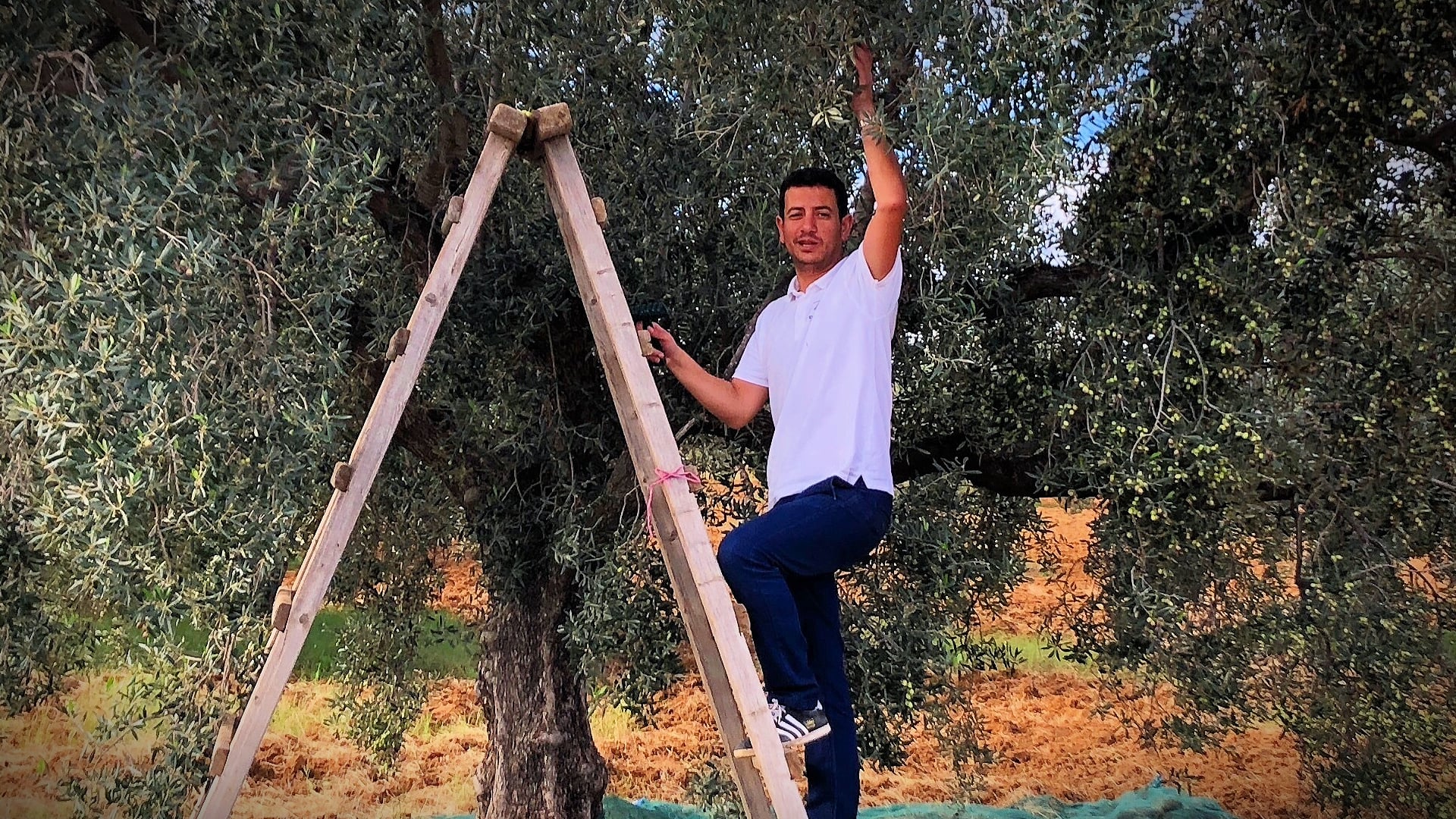
Daly Hamdi
“While many customers look for specific products, the great majority of them will look at the awards we have won. They greatly help us in establishing trust,” he added.
Providing an organic choice is also helping sales of Zeet’s EVOOs. “I would say that selling organic EVOOs might be simpler than conventional. And if we look at production costs, growing organic does not constitute a significant difference when compared to conventional growing,” Hamdi noted.
To further expand Zeet productions and include more flavors, the U.K.-based producer is now looking at establishing new partnerships in Croatia and Portugal.
“We are exploring these opportunities, as there are some excellent extra virgin olive oils produced there. In three or four months, we should define a partnership in Croatia,” Hamdi noted.
“Croatian olive oil is still mostly unknown in the U.K., and our customers are always interested to explore new high-quality options,” he concluded.