Will ‘Oleoturismo’ in Jaén Be the Next Big Thing?
Tourists plan their trips around visiting vineyards or restaurants all the time. These days, olive oil is on the list, too.
Situated in the northeast of Andalusia, Jaén is primarily known for two things: housing the Holy Veil and as the world capital of olive oil. Local producers hope to take advantage of the latter and turn the province into an oleotourism hub.
Jaén accounts for almost half of Spain’s olive oil production, and a fifth of the entire world’s. For miles upon miles, an ocean of olive trees dominates the landscape. These special trees also provide a lens into the history, cuisine, and way of life for the people of this gorgeous and unique region.
It is nearly impossible to find a meal in Jaén that does not involve the province’s signature product. For breakfast, locals drizzle olive oil on toasted bread topped with fresh tomato pulp, a simple, ubiquitous and delicious dish called pan con tomate.
Lunch may be gazpacho or salmorejo, a thick chilled soup made with tomatoes, bread, garlic, and, you guessed it, olive oil. Spreads of ham, cheese, and bread are served with multiple bottles of olive oil too. Meat and fish are fried, or braised slowly, in it. Andalusian cuisine begins and ends with the “liquid gold.”
Although Spanish meals tend to unfold leisurely over several hours, tourists cannot spend all their time eating. Olive groves, mills, and shops are updating their facilities to provide tours, tastings, and education about olive oil. Tourists provide a valuable source of income for the largely agricultural region.
Here are destinations where visitors can taste, learn, and experience olive oil culture in action. They add up to a vacation that will garner bragging rights and make memories.
Oleícola San Francisco
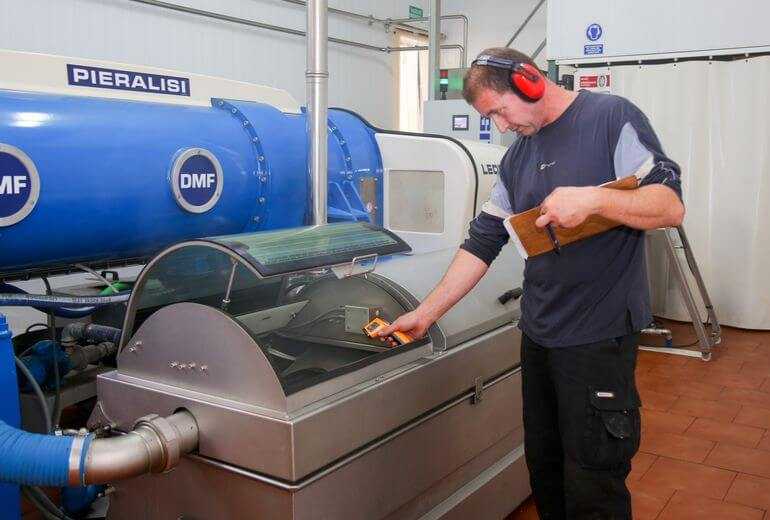
Located in a small town called Begíjar, Oleícola San Francisco is a modern factory that produces 154,000 pounds of olive oil on a busy day. Yet it has retained its historical stone presses and old equipment, so that guests can experience olive oil production from the last century and learn about recent innovations.
Visitors experience the entire process, from watching truckloads of olives arrive to the process of bottling the golden-green liquid. There is plenty of time reserved for tasting too and a charming shop where guests can purchase olive oil as well as other gifts.
Úbeda and Baeza
Cobblestone streets that twist and turn. Ancient palaces transformed into modern universities. Soaring cathedrals lit up at night.
Established during the Moors in the ninth century and again during the Reconquista in the thirteenth century, these Renaissance towns deliver on charm. Make sure to pop into Úbeda’s pottery shops (alfarerías) and check out the handmade crafts, covered in a unique green glaze, a carryover from Moorish times.
Rincón Baezano Restaurant
At this family-owned restaurant in Baeza, the owners feature dishes made with vegetables grown from their own garden and an abundance of high-quality local olive oil.
Start with local green Cornezuelo olives, rich paté spread on toast, and a mouth-watering platter of jamón. Flaky cod arrives with a crisp skin and a fragrant olive oil broth.
Olive Oil and Olive Culture Museum of Baeza
Tucked onto the banks of the Guadalquivir River within a historic nineteenth-century olive grove, sits Baeza’s Olive Oil and Olive Culture Museum.
The farmhouse was at various times a property of a Jesuit Fathers order, a home to a noble family, and a fine hotel. A tour guide will point out the dozens of cultivars of olive trees from all around the world growing in the museum’s beautiful garden.
Do not miss the “Cathedral of Oil,” a massive above-ground tank for storing oil that dates back to 1848. Guests can learn about the history of olive oil in the region—there is even an eighteenth century stone wheel, with a life-size donkey to demonstrate how it was operated once upon a time.
Tamizia Restaurant
When it comes to lovely restaurant locations, it is hard to beat Tamizia. It is housed in a sixteenth-century Renaissance palace in the center of Úbeda, next to the Plaza Vázquez de Molina.
The Castilian decoration is cozy and picturesque. Traditional Andalusian cuisine shines here, such as garlic-coated prawns, beef shoulder roasted with thyme, and bull tail stewed in red wine. Finish the meal the Andalusian way, with a glass of cold sherry and plenty of time to leisurely linger.
Olive and Oil Interpretation Center
Located in Úbeda, the Olive and Oil Interpretation Center opened in 2013 in what used to be a 1930s olive oil mill. It is the closest thing to Jaén’s official olive oil nerve center.
The space includes a museum, plus areas for olive oil tastings and training. These are offered for everyone, from beginners to experts.
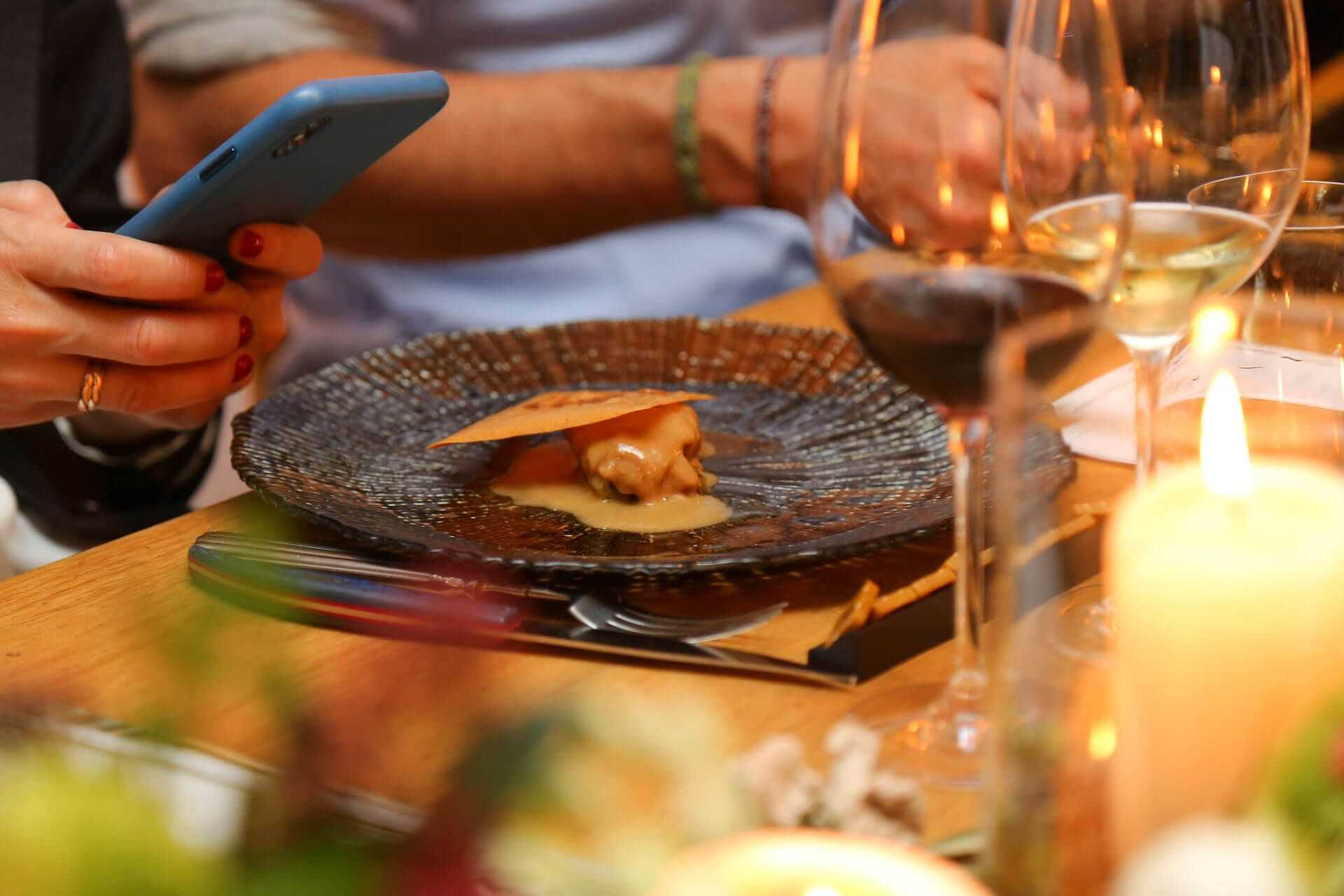
Downstairs, there is a show kitchen for cooking classes and workshops. When I visited in November, Chef Javier Blasquez cooked through a dizzying number of olive oil-centric dishes, such as a white chocolate and foie gras mousse that came with a small syringe full of Arbequina extra virgin olive oil.
He then added Picual olive oil into a Thermomix with orange juice and honey to make a refreshing palate cleanser. Another highlight was a not-too-sweet olive oil rice pudding, which Blasquez made with an emulsion of 30 percent cocoa butter and 70 percent Arbequina extra-virgin olive oil.
The perfect dessert to cap off my oleotourism experience and a trend that many in the region hope will continue to grow.