



Diets Rich in Polyunsaturated Fats May Reduce Appetite
A study out of the University of Georgia suggests that regularly eating foods high in polyunsaturated fats, such as avocado, quinoa, chickpeas, salmon, walnuts and olive oil, may have an affect on your appetite.

New research indicates that consuming foods high in polyunsaturated fats, such as avocado, salmon, and olive oil, may lead to reduced appetite by affecting hunger hormones, according to a study from the University of Georgia involving 26 healthy individuals aged 18 – 35. The study found that a diet high in polyunsaturated fats resulted in lower levels of the hunger hormone ghrelin and higher levels of the satiety hormone peptide YY, potentially offering a way to improve appetite control and aid in weight loss efforts.
New research suggests that regularly eating foods high in polyunsaturated fats may affect hunger.
A study out of the University of Georgia shows that these foods, which include avocado, quinoa, chickpeas, salmon, walnuts and olive oil, may have an effect on hormones that results in reduced appetite.
These findings tell us that eating foods rich in polyunsaturated fats may favorably change appetite hormones so that we can feel fuller for longer.
This was done by measuring the physiological levels of hunger and satiety through hormone changes in study subjects and asking them to rate how hungry they were and how much they could eat.
Participants who were fed a diet high in polyunsaturated fats had a significant decrease in fasting ghrelin, a hormone that increases hunger, and a significant increase in peptide YY, a hormone that increases the feeling of being satiated or full. Measurements were taken after meals and during periods of fasting.
“Appetite hormones play an important role in regulating how much we eat,” lead researcher Jamie A. Cooper said. “These findings tell us that eating foods rich in polyunsaturated fats may favorably change appetite hormones so that we can feel fuller for longer.”
While these changes in hormones indicate better appetite control, there were no changes in survey answers between those who ate meals high in polyunsaturated fats and the control diet throughout the study.
The results may have implications in terms of weight loss. If a diet high in polyunsaturated fats leads people to eat less, it could help tackle the obesity epidemic.
The study involved 26 healthy men and women between the ages of 18 and 35 who visited the lab for testing and to eat their meals. At the beginning of the study, subjects were fed a diet high in saturated fats. They were then given either meals high in polyunsaturated fats or a control diet consistent with typical American eating patterns over a seven-day period. Afterward, they were once again fed meals high in saturated fats.
The diet high in polyunsaturated fats consisted of Alaska salmon, tuna, walnuts, flaxseed oil, grapeseed oil, canola oil and fish oil supplements.
Both this diet and the control diet contained the same total number of calories and calories from fats. The difference was the types of fats included. The diet high in polyunsaturated fats was comprised of 21 percent polyunsaturated fats, nine percent monosaturated fats and five percent saturated fats, while the control diet had seven percent polyunsaturated fats, 15 percent monosaturated fats and 13 percent saturated fats.
It’s important, however, to note the limitations of the study. It was done on a small scale within a limited age group. There were no indications of diversity. We’re also unable to determine whether the results displayed can be attributed to a particular type of polyunsaturated fat, food source or a combination of factors.
Related Articles
Oct. 20, 2025
Mediterranean Diet Adherence May Reduce Digestive Disorders
Researchers from Mass General Brigham found that close adherence to Mediterranean and plant-based diets was associated with lower instances of chronic constipation.

Mar. 5, 2026
How Extra Virgin Olive Oil Can Become America’s Default Kitchen Fat
Updated U.S. dietary guidance has put extra virgin olive oil in the spotlight, but experts say the biggest health gains come when it replaces other fats as the default choice for everyday cooking.

Feb. 2, 2026
Study Finds Virgin Olive Oil Linked to Better Gut Health and Slower Cognitive Decline
New research suggests that virgin and extra virgin olive oil may support brain health by shaping the gut microbiota, while refined oils show weaker effects.

Jan. 14, 2026
Olive Oil Benefits as U.S. Food Brands Rethink Seed Oils
U.S. food companies are reformulating products to remove seed oils, with olive oil emerging as a favored alternative amid shifting consumer preferences.
Feb. 23, 2026
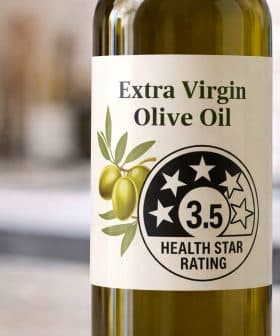
Australia and New Zealand Producers Warn Health Star Ratings Could Undercut Olive Oil Messaging
With Health Star Ratings set to become mandatory, olive oil producers say the algorithm penalizes extra virgin olive oil and overlooks compounds linked to its health benefits.

Oct. 9, 2025
Olive Tree Emerges as Symbol of Interconnected Health and Sustainability
A new review led by Yale researchers highlights the olive tree’s unique role in connecting human, animal, and environmental health — a living model of the “One Health” approach to sustainability.

Oct. 1, 2025
Swiss Psychiatric Hospital Adopts Olive Oil for Patient Health
Extra virgin olive oil is replacing other fats in the PDAG in Switzerland, in a decision driven by scientific evidence.

Sep. 25, 2025
MedDiet Adherence May Protect Against Gum Disease
New research shows that the anti-inflammatory foods in the Mediterranean diet may prevent periodontal inflammation. Oleic acid may also protect oral health compared to other dietary fats.