Lebanese Olive Oil: Exploring Intricacies of a Sector With Potential
Zejd EVOO illustrates Lebanese growers’ perseverance in producing high-end olive oil.
Irrevocably known as one of the cradles of olive growing areas, Lebanon’s ancestral heritage of olive trees along with its microclimate and fertile rain-fed soil assembles auspicious conditions for the production of high-quality olive oils.
All these favorable conditions combined, Lebanon still remains a low scale producing country. This stagnation is due to many factors including the civil war aftermath and the government’s apathy towards its agricultural sector.
There are hardly any active cooperatives in Lebanon and there is a serious problem of segmentation in the industry.
After a raging civil war that lasted fifteen years (1975-1990), Lebanon found itself way behind its competitors who in the meantime had drastically evolved in technology and developed an advanced agricultural stratum. Meanwhile, in Lebanon, growers were still employing rustic methods at producing their oil while the production and export volume of the pre-war period haven’t been reached ever since.
Lebanon’s production oscillates between 10,000 and 30,000 tons of olive oil yearly depending on the crop. Its cultivation covers over 58,000 hectares of land and about 41 percent of its produced oil takes place in the north, followed by the South with 36 percent, 13 percent in the Bekaa valley, and 10 percent in Mount Lebanon.
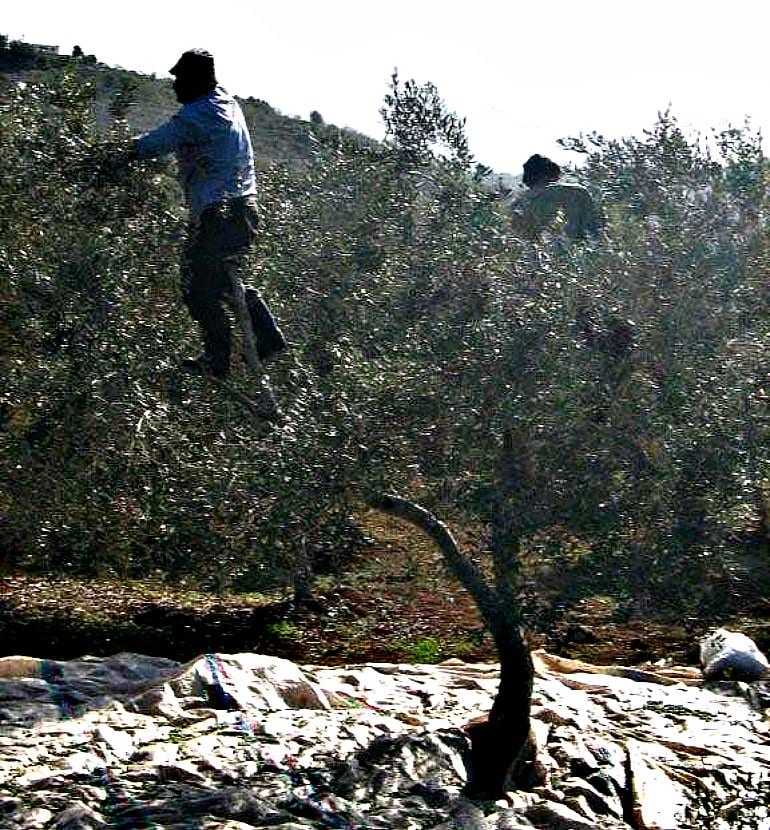
It wasn’t until the beginning of the 21st century that independent producers started being aware of their digressed state and acted upon their own initiative, instead of waiting for an unconcerned government to value the country’s asset in olive cultivation.
Agricultural engineer and well-travelled Lebanese entrepreneur, Youssef Fares is a fifth-generation producer on a family-owned, 24-hectare grove in Akkar-Baino, a district in northern Lebanon, near the Syrian border.
In 2004, Fares turned his family’s grove into a nationally and internationally renowned company, Olive Trade, which producesextra virgin olive oil and olive-derived products under the brand name of Zejd (oil in ancient Phoenician).
Zejd’sextra virgin olive oil is made with the endemic variety Soury, the name of which comes from the word Tyre or Sour in Arabic, which is a city located on the southern coast of Lebanon, one of the port cities from where the Phoenicians began the tradition of commerce.
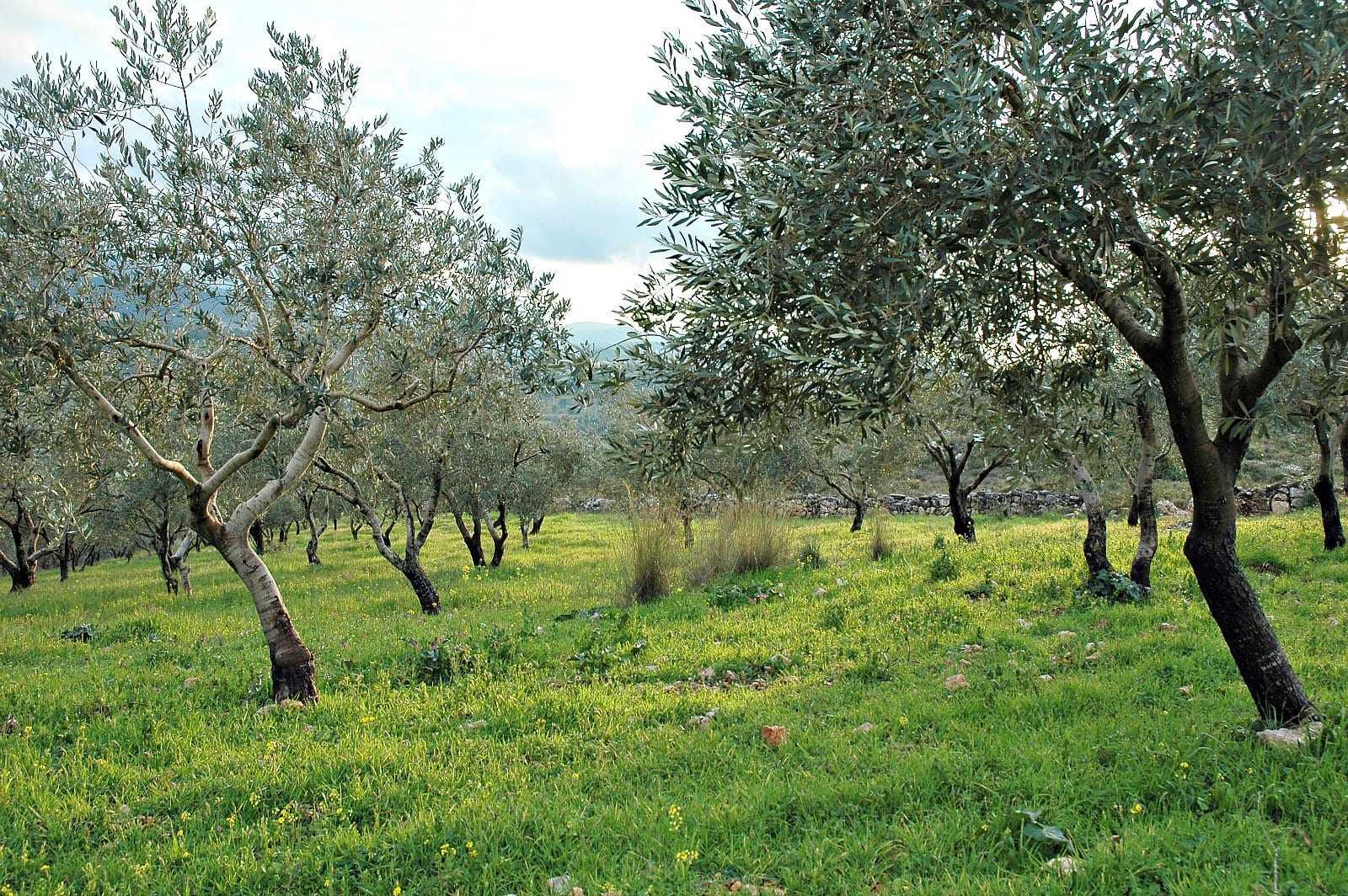
Although Lebanon doesn’t have a national reference for olive collections, it is estimated that around ten olive varieties are being cultivated, such as Samakmaki, Airouni, Baladi, Chami, Edlebis, with Soury being the most common variety in the region. The fruit gives a balanced bitter and pungent taste. This fruit has an exceptionally high oil yield of 20 to 25 percent.
Fares is a conscientious producer, and this has led him to employ an ethical philosophy in work that he wishes will spread among his counterparts.
Through Olive Trade, Fares valorizes waste by producing by-products from the olive press cake (solid) that are later sold in the market, such as olive husk logs. The olive mill waste (liquid), once properly treated, are used in the olive orchards to irrigate the soil.
“Olive Trade” were the pioneers at introducing good environmental practices in the country’s olive oil supply chain. Ever since, more and more growers have followed the same policy. “Through Olive Trade, we protect our environment while being financially sustainable,” said Fares.
About 10 percent of Zejd’s production is organic, yet consumption of bio in Lebanon is a niche market as organic products are still highly-priced for the Lebanese purchasing power. Demand is relatively small but rising.
Another common practice among growers in Lebanon is sharecropping (Daman in Arabic) as farming cooperatives barely exist. “There are hardly any active cooperatives in Lebanon and there is a serious problem of segmentation in the industry,” explained Fares, “so my initiative to sharecrop came from the need to fill a gap and by doing so to assure that every grower is aware of the quality requirements and the best methods to meet them.”
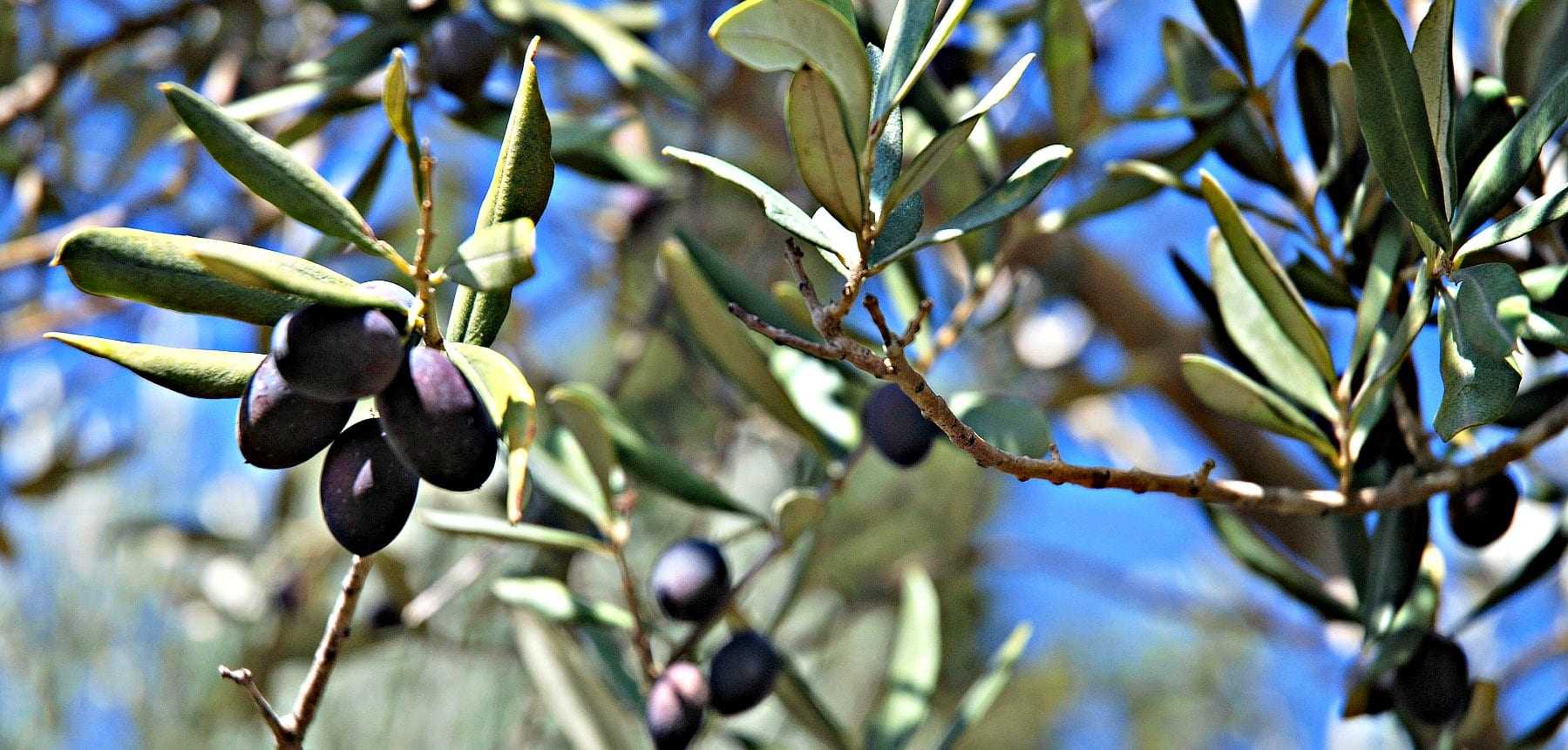
Souri olives
Agricultural lands are poorly equipped and this weak technical deficiency weighs on the quantitative and qualitative outcome of the growers. The banking sector provides only 2 per cent of capital to an industry that provides 8 to 12 percent of the country’s GDP.
The inability of the State to enforce a coherent and apt policy holds back Lebanese growers from meeting international requirements and standards.
In 2007, a project to draw a bill on geographical indications (GI) certification was launched at the Lebanese Ministry of Economics & Commerce with a team of Lebanese and Swiss experts. The bill got approved by the government, but to date, it hasn’t been promulgated by the parliament. “We need to legislate GI protection, come up with a long-term strategy and create the means to apply it,” insisted Fares, “GI protection is of national interest. Our agri-food heritage must be preserved.”
Another example of the discontinuity in agricultural reforms is the creation of the first Lebanese national laboratory for olive oil testing. It was inaugurated in 2014 by the Agricultural Ministry in line with a project funded by the Italian Embassy in Beirut. Today, the laboratory remains dysfunctional and non-accredited.
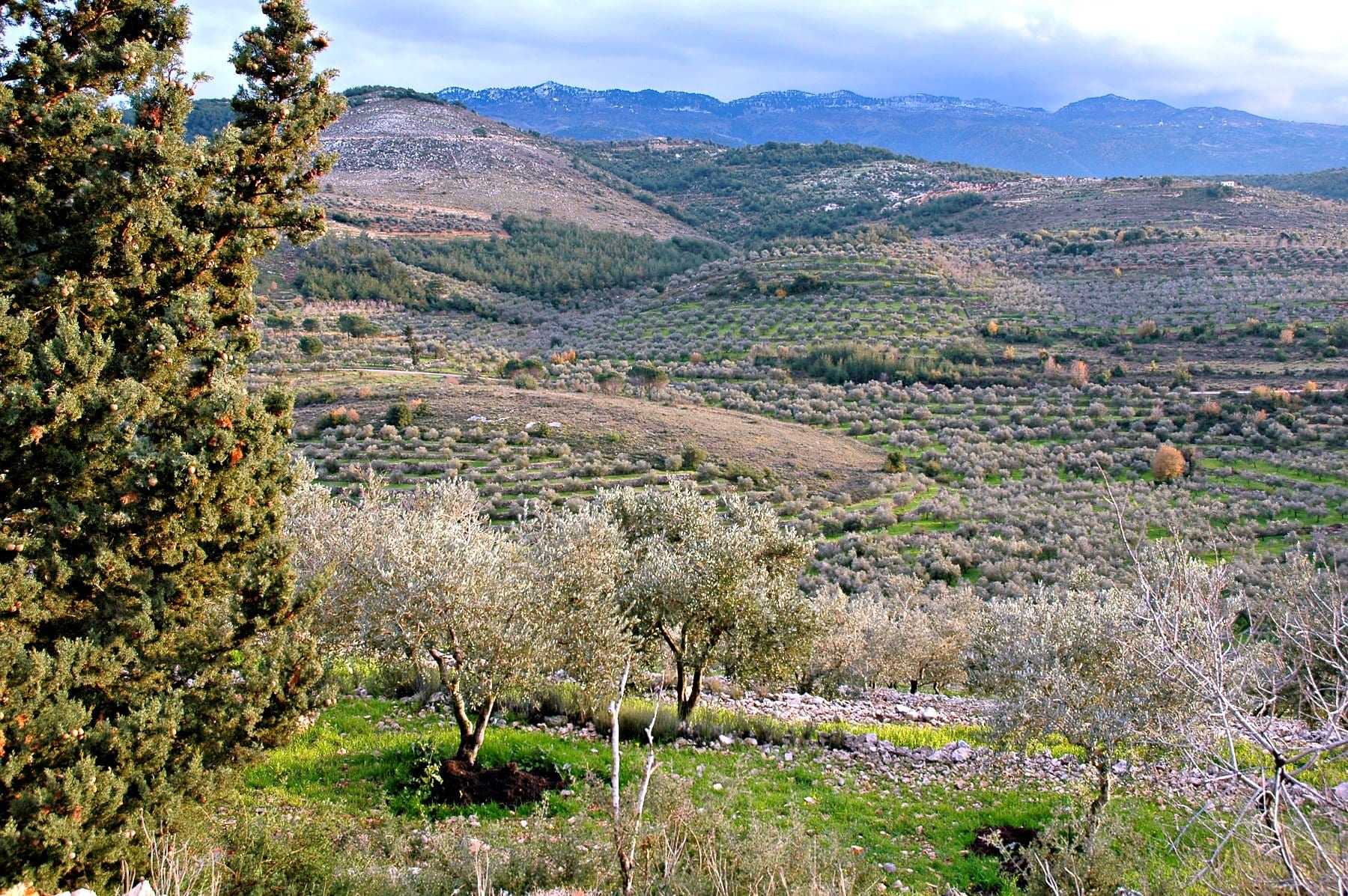
Baino-Akkar Lands
The day Lebanese olive oil will obtain GI certification and be tested by an accredited laboratory, export will take a whole new dimension. Zejd’s high-end products are more targeted to mainstream European and American niche markets.
These two vital labels will “radically facilitate Lebanon’s export dynamics,” said Fares, “certifications generate better work, which in turn results in better export, all in a socially responsible manner. They are an added value to the olive oil sector and being certified will help us stand out in a highly competitive market.”
Despite basic impediments, the Lebanese olive oil sector is more and more engaged in meeting high and ethical standards to respond to both the consumer and the market’s conscious demand.
House of Zejd, the first boutique to offer olive oil derived products in Lebanon, has become an emblem for the effort that independent Lebanese growers, such as Fares, put in valorizing their country’s assets and in preserving their ancestral heritage.