In Victoria, Taralinga Estate Celebrates Tradition While Embracing Innovation
Salvatore Tarascio started growing olives in Australia in 2015, 85 years after his grandfather first cultivated them in Sicily. Now he is one of the country’s top producers.
Located on the Mornington Peninsula in the southern Australian state of Victoria is the Taralinga Estate.
Home to 2,350 olive trees, Taralinga Estate is the private olive grove of the Italian-born real estate billionaire Salvatore (Sam) Tarascio.
Olive oil runs through the Tarascio family’s veins, and Taralinga Estate embodies the passion for excellence my family has had for more than a century since producing premium olive oil back in our hometown of Vizzini, Sicily.
Over the years, Tarascio has applied his passion to produce some of the highest-quality extra virgin olive oil in the world.
He established the business in 2015 to honor his Italian family, who produced olive oil in Sicily.
See Also: Producer Profiles“Olive oil runs through the Tarascio family’s veins, and Taralinga Estate embodies the passion for excellence my family has had for more than a century since producing premium olive oil back in our hometown of Vizzini, Sicily,” Tarascio told Olive Oil Times.
He chose the Mornington Peninsula, located south of Melbourne, due to its ideal microclimate for olive trees.
“The Mornington Peninsula features rich volcanic soils, making it ideal for growing all kinds of quality food and wine,” he said.
The peninsula is also known for its cool winters and dry summers, making it even more suitable for growing olive trees.
Along with the ideal climate, Karen Godfrey, the company’s marketing manager, told Olive Oil Times that maintaining the olive trees is a year-long process and has helped drive the company’s success.
“Taralinga Estate offers a unique combination of premium quality olive trees that thrive in the idyllic climate of the Mornington Peninsula and are exceptionally maintained all year round,” Godfrey said.
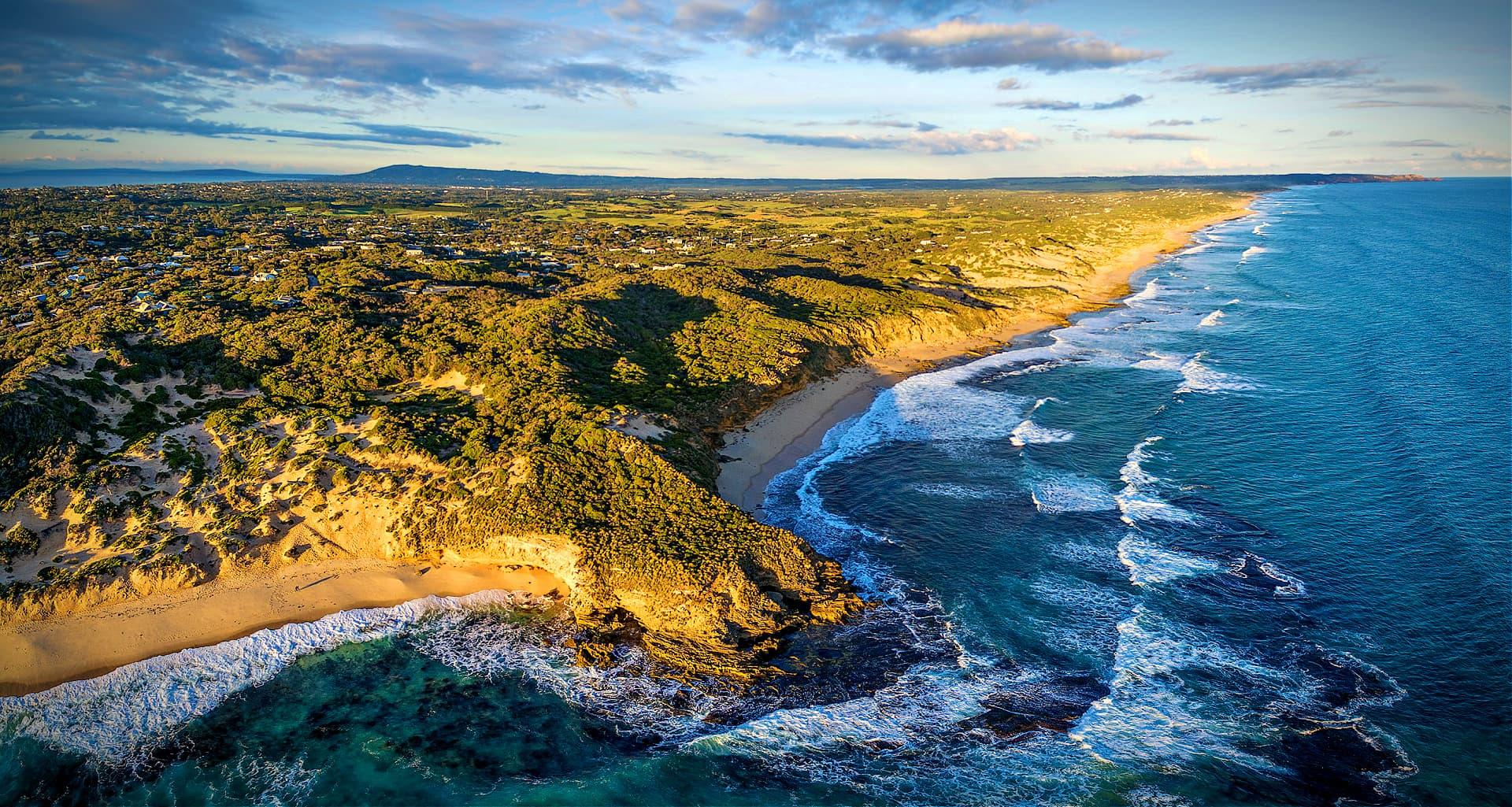
Mornington Peninsula coastline
“Our typical maintenance includes fertilizer, water and pruning to maintain the shape and health of the tree,” she added. “We also constantly monitor the soil to ensure that nothing is compromised when it comes to their quality standards.”
This hard work and careful attention to detail culminated in two Gold Awards and a Silver Award at the 2021 NYIOOC World Olive Oil Competition for a monovarietal and two blends.
Taralinga Estate also earned two Gold Awards at the previous edition of the competition for the same monovarietal and one of the blends.
Despite olive farming roots that date back to 1930 when Tarascio’s grandfather first pressed olives back in Sicily, Taralinga Estate boasts a diverse and global array of olive varieties. The company’s monovarietal is made from Picual olives, while its blends include Koroneiki, Frantoio and Hojiblanca olives.
The harvesting process at Taralinga Estate typically begins in May. According to Godfrey, this ensures that the olives have the highest level of polyphenols, which are potent antioxidants responsible for some of the oil’s health benefits.
The next step is to crush the olives, which takes place immediately after harvesting at the company’s mill to conserve their freshness.
Godfrey said Taralinga Estate never compromises on the quality of its oil, which is why they invested in state-of-the-art milling equipment from Italy.
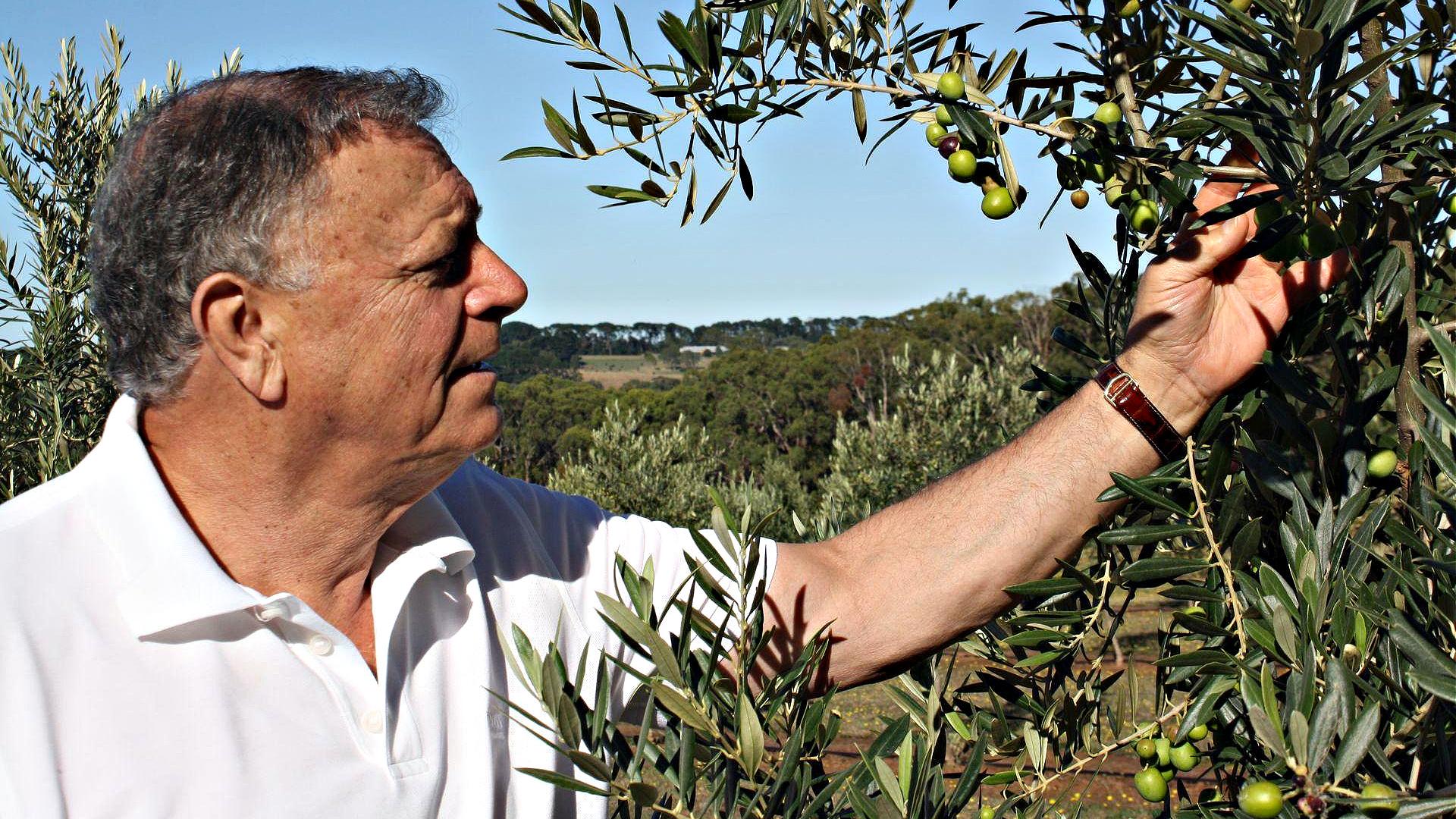
Salvatore Tarascio
“The Italian-made technology allows Taralinga Estate to process olives for up to four different clients at one time with a continuous process system,” she said.
Godfrey added that the company was doing much better after the adversity created by the Covid-19 pandemic. However, she said that managing expenses have become a new challenge for Taralinga due to high equipment and labor costs.
See Also: After Years of Drought and Covid, Australians Celebrate Record-Breaking HarvestNonetheless, Taralinga Estate has formulated different strategies to manage their cost, such as investing in harvesters.
“When Covid hit in 2020, we had to minimize the number of staff at the grove and so outsourced our picking using a machine harvester,” Godfrey said. “After experiencing the efficiency of this, we decided to invest in our own harvester, which was used for the first time in 2021.”
She added that 2021 has brought a ray of hope for the business. The country is steadily rolling back the strict measures imposed to curb the pandemic, and Godfrey looks forward to another prosperous year in 2022.
“Our 2021 harvest results are back to where they were pre-Covid, which is great,” she said. “Our 2021 harvest was almost double our 2020 harvest, which we’re thrilled about.”
Despite rising production, Godfrey added that the company would never put quality in jeopardy.
“As demand is growing for Taralinga Estate extra virgin olive oil, we may need to look beyond our own grove for fruit,” she said. “The fruit we use will always be from the Mornington Peninsula as the provenance is important for our brand equity and the quality of our extra virgin olive oil.”
Godfrey concluded that the company intended to prove its quality once again, announcing that they would enter their extra virgin olive oils into the 2022 NYIOOC.