New Olive Groves Take Root in Italy’s Northern Regions of Piedmont, Trentino
Olive cultivation is expanding across northern Italy, driven by a mix of shifting climate conditions, farm diversification and renewed interest in local production.
In recent years, northern Italy has seen an expansion in olive cultivation. Between 2020 and 2023, Piedmont recorded a 40 percent increase in olive-growing area, followed by Friuli Venezia Giulia at 16 percent and Liguria at 10 percent, according to ISMEA. More modest growth was also recorded in Emilia-Romagna, Trentino-Alto Adige, Veneto and Lombardy.
While this trend appears to be partly driven by increasingly favorable conditions associated with climate change, it is also being driven by a strategy of production diversification in areas where more profitable crops have long dominated.
In Trentino-Alto Adige, olive-growing area now exceeds 400 hectares, concentrated mainly around Upper Lake Garda and stretching north from the Sarca Valley to the Lakes Valley.
In the mid-2000s, some producers began planting olive trees in the foothills of Mount Baldo, on the Brentonico Plateau, an area long dominated by vines and apples, known for its centuries-old chestnut tradition.
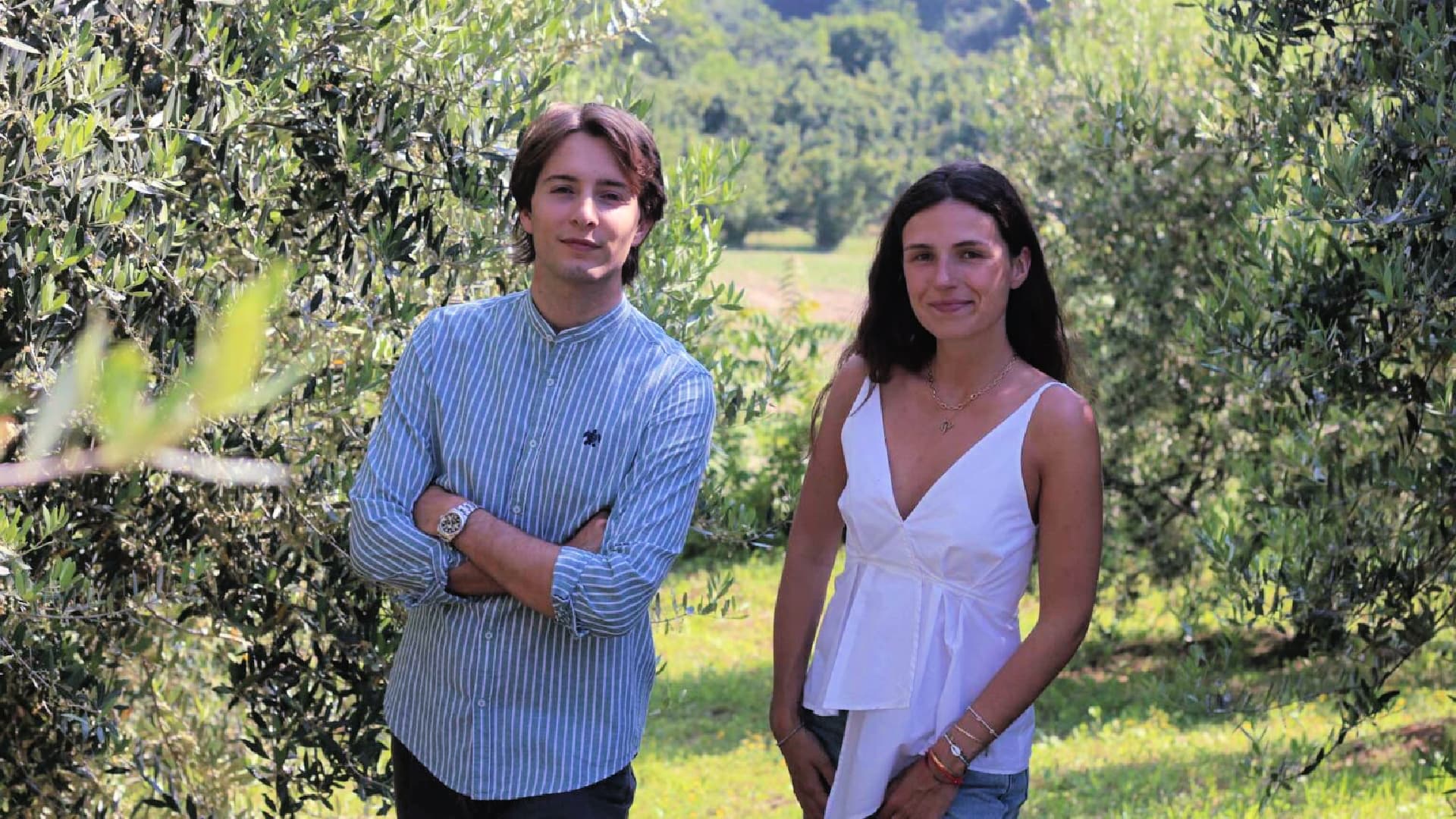
Edoardo and Matilde Rinaldi launched the ‘Olive Trees in Langa’ project, replacing vines with olive trees in Piedmont’s Langhe
“The first olive orchards were set up about fifteen years ago, and today, we are following about 20 olive growers and roughly 2,500 trees in total,” Gianluca Fruet, spokesperson for the Slow Food Community for the Culture of Trentino Extra Virgin Olive Oil, told Olive Oil Times.
“In fact, olive trees have always grown here, even though the other crops prevailed commercially,” he added. “Over the past decade, however, interest in olive oil production has increased, and several farmers have begun investing in new groves.”
In parallel with the development of the local olive sector, the Slow Food Community for the Culture of Trentino Extra Virgin Olive Oil was established in 2024.
“In recent years, production has become more consistent, and there is growing interest in further expanding it,” Fruet said. “This has many positive aspects, as it helps maintain biodiversity, preserves the beauty of the landscape and, we hope, may also generate an additional income stream for operators.”
In the new groves, farmers have planted young saplings and also replanted and restored abandoned trees. Most of the new orchards feature Casaliva, which is well-suited to local soil and climate conditions, along with Frantoio and Leccino, both valued for their adaptability.
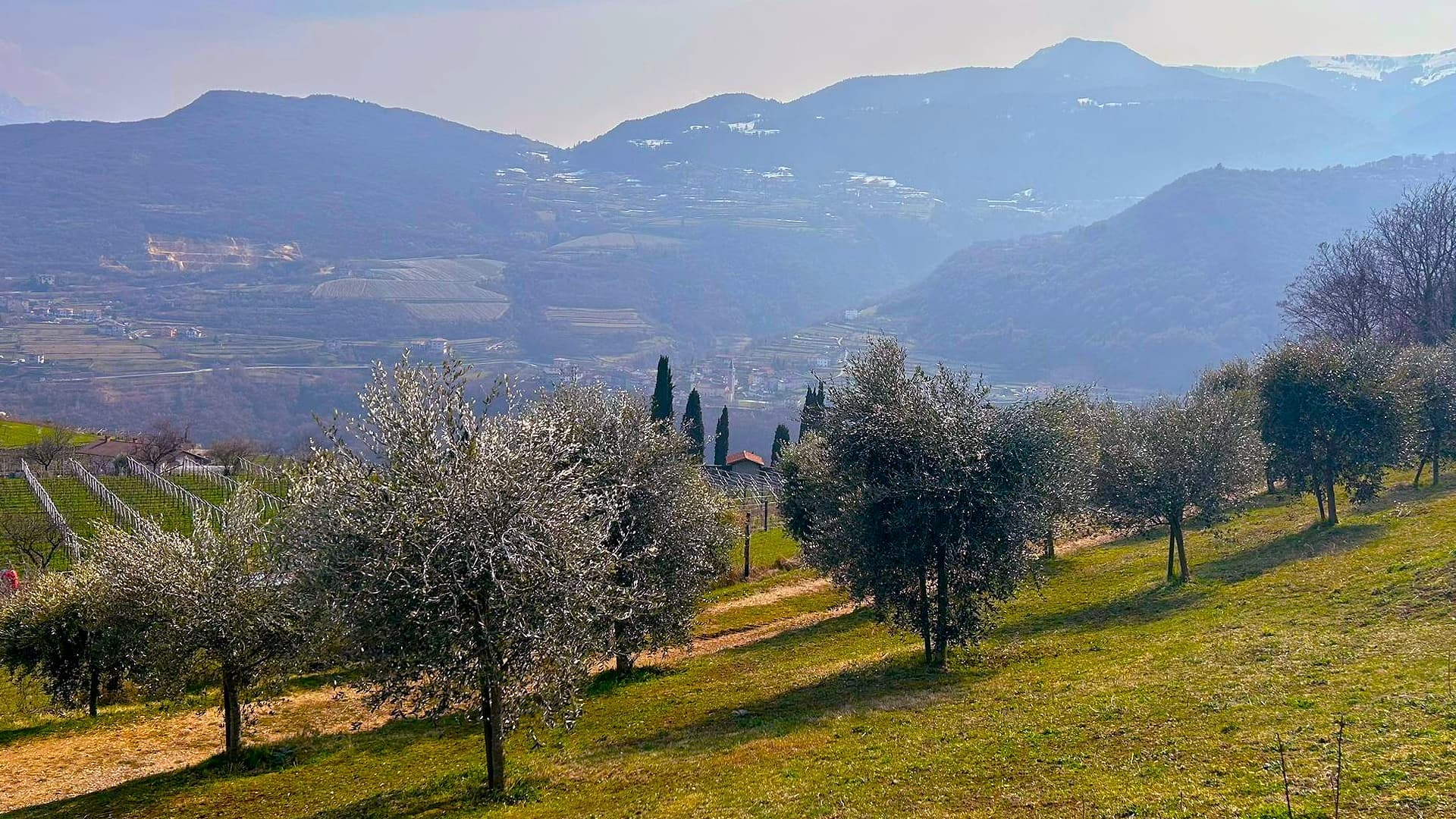
Olive trees are cultivated on the Brentonico Plateau in Trentino, an area traditionally devoted to vines, apples and chestnuts.
“As a Slow Food Community, we aim to raise awareness about olive oil and its social, historical and cultural value, while helping people recognize quality,” Fruet said. “One of our farmers, Federica Stenech, is organizing tasting courses for children, which have drawn strong interest and participation. Building on this success, we are now preparing further educational events to spread olive oil culture.”
In Italy’s Piedmont region, roughly 350 hectares of olive groves are concentrated in Monferrato, Canavese and the areas around Torino, Saluzzo and Pinerolo.
A young company has also begun cultivating olive trees in the Langhe, an area renowned for red wines and as a center of hazelnut production.
“We represent the fourth generation of our family enterprise, which began with our great-grandfather,” Rinaldi said. “After World War I, when this was a disadvantaged area, he traded typical Langhe products such as wheat, meat and wine for Ligurian products like anchovies, extra virgin olive oil and salt. The route connecting the two regions, where these exchanges took place, was called the Salt Route.”
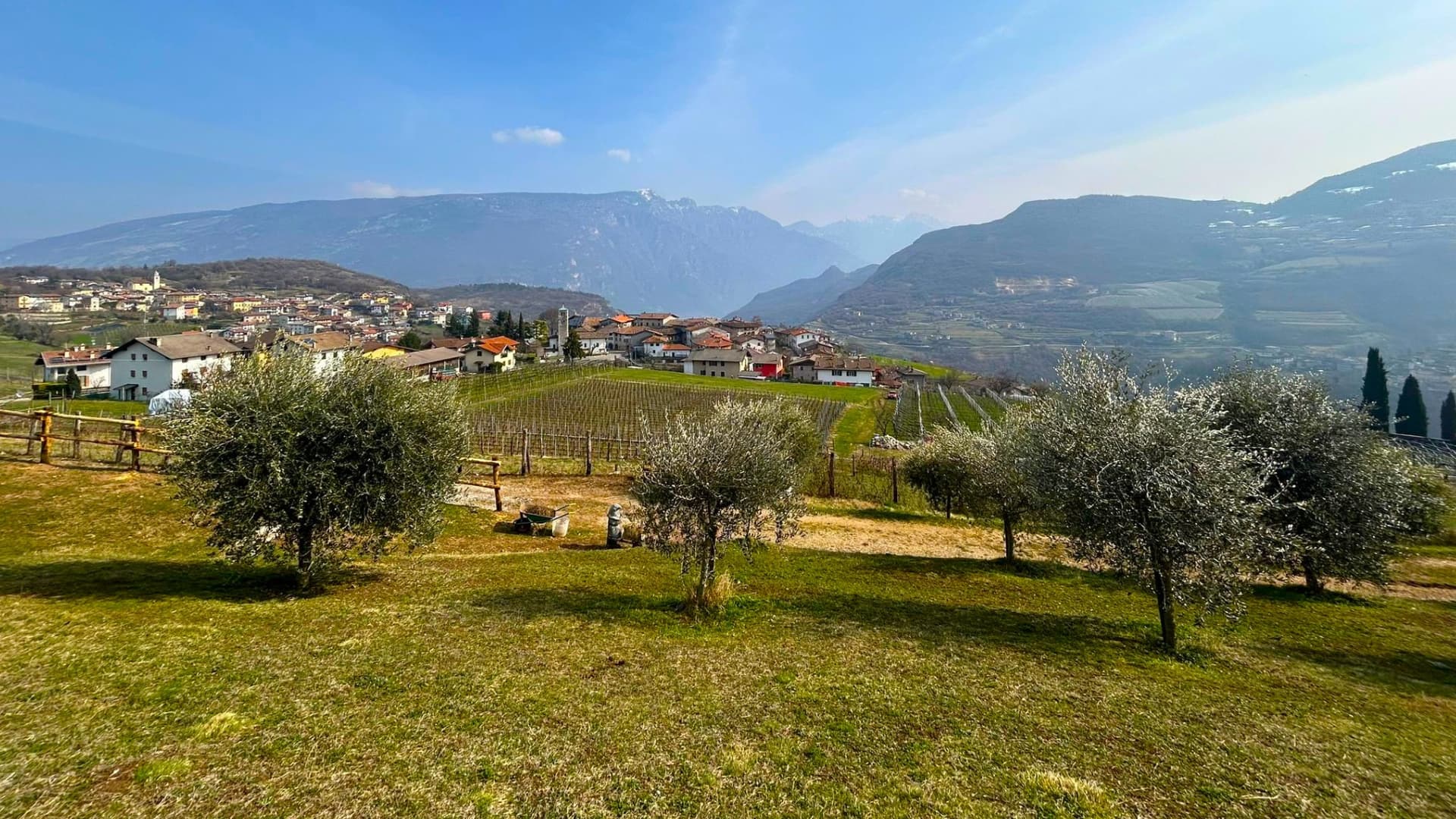
Olive farmers on the Brentonico Plateau aim at expanding production and promote educational events supported by the Slow Food Community for the Culture of Trentino Extra Virgin Olive Oil.
The business evolved under Rinaldi’s grandfather and later passed to his father, who today co-manages the family company based in Imperia. In addition to distribution, the family moved into production, making olive oil from 8,000 Taggiasca trees on estates between Chiusanico and Prelà in Liguria.
“A few years ago, my cousin Matilde and I entered the management of the company,” Rinaldi said. “She holds a degree in Gastronomic Sciences, and my training has focused specifically on olive oil.”
“We decided to produce oil instead of wine on our land in the Langhe, with the ambition of achieving for high-quality extra virgin olive oil what the Barolo winemakers did with great wine thirty years ago,” he added. “We wanted, in a sense, to retrace the Salt Route in reverse.”
To bring the idea to life, the Rinaldi cousins acquired the historic local brand Meriggio and launched the “Olive Trees in Langa” project, replacing vineyards on the rolling hills of Alba and Diano d’Alba with about 1,200 olive trees.
Today, Frantoio accounts for 60 percent of the new orchards, which also include Grignan, Leccino, Maurino and Pendolino as pollinators.
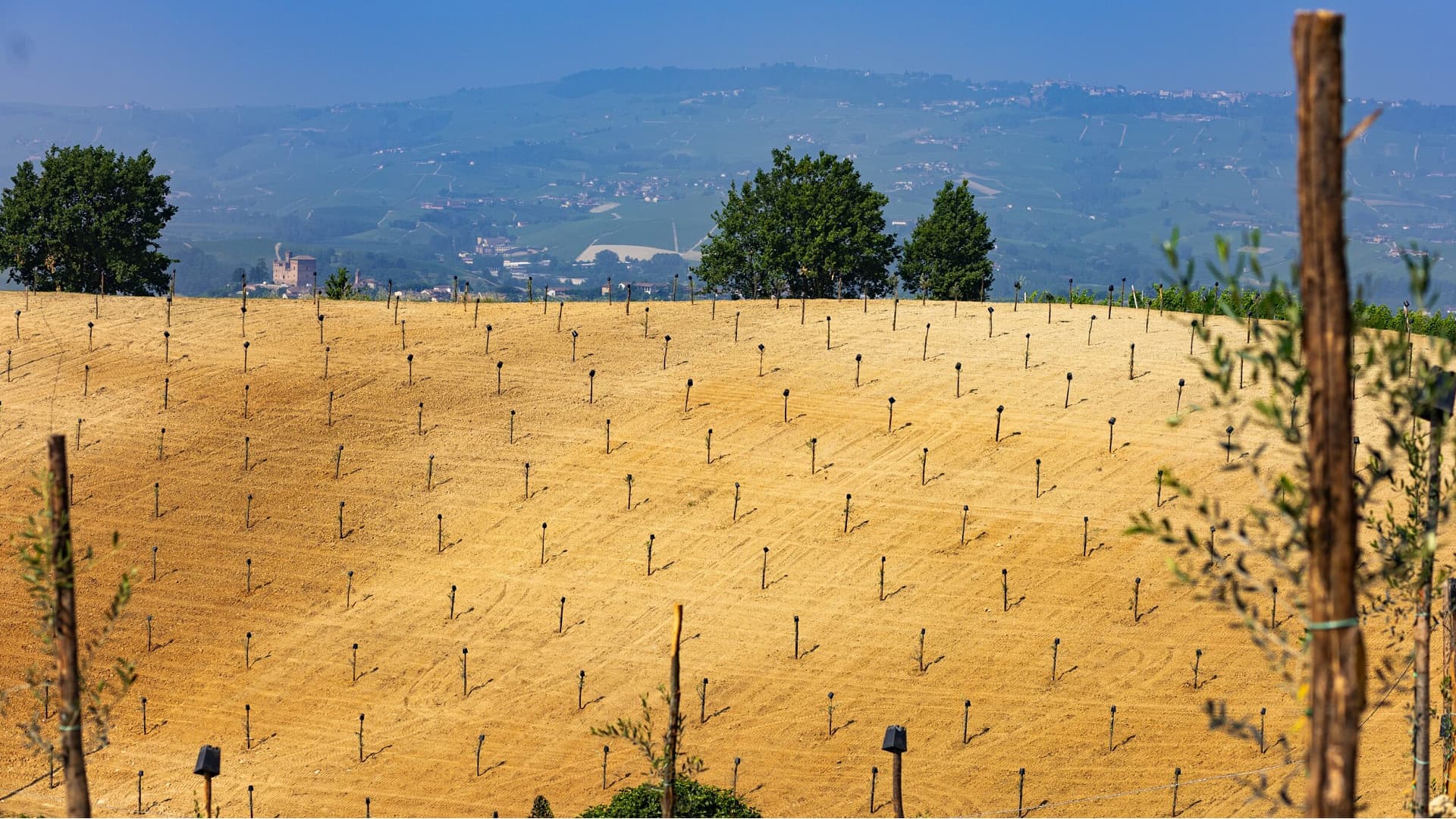
Young saplings thrive on the rolling hills of Alba, where Edoardo and Matilde Rinaldi launched the ‘Olive Trees in Langa’ project with their brand Meriggio.
“It was a gamble, because a plot of land with a vineyard in this area has considerable market value, whereas the valuation of land planted with olive trees is still a question mark,” Rinaldi said, noting that some Barolo vineyard parcels can be worth several million euros per hectare.
“It may seem that olive trees are taking hold today thanks to the effects of climate change, which is partly true, but in fact they have always been here,” he added. “The severe cold that hit Europe during the Little Ice Age wiped out most of the olive orchards around 1600, and afterward vines prevailed for reasons of commercial profitability.”
“By planting olive groves, we are doing something that today appears revolutionary to many,” he said, “although for us, carrying forward a hundred-year legacy of olive oil production, it is a matter of consistency.”
Today, the company manages nearly 1,500 trees, which are gradually entering production. The first harvest came from about 250 trees in abandoned groves that the Rinaldi cousins restored after taking them over. They plan to expand further.
“The pedoclimatic conditions and exposures are ideal,” Rinaldi said. “However, management costs are high because we are working on hilly terrain.”
“We must also consider that there are no public funding programs available for our region yet, because the number of olive growers is still limited,” he added. “I am convinced that if and when funds become available, olive oil production will increase even further.”
Rinaldi said a central goal of the project is to strengthen biodiversity and improve the sustainability of local agriculture. The company is seeking to diversify beyond vineyards and hazelnuts, two monocultures that have significantly impacted the territory.
To increase production and improve efficiency, one of the next planned steps is to convert an old farmhouse on the property into a state-of-the-art mill.
“I did not expect it, but there is an ever-growing interest in olive oil,” Rinaldi said. “That motivates us to expand production, pursuing a vision in which quality and environmental commitment go hand in hand.”