Olive Oils From Sardinia Find a Modern Audience
Sardinian olive oil has long been a staple of Italian cuisine and culinary prowess. The combination of international awards and oleoturism is putting the Mediterranean island in the spotlight.
Olive oil from Sardinia is having a moment.
Several producers from the second largest island in the Mediterranean took home a handful of awards at this year’s NYIOOC World Olive Oil Competition.
At the same time, restaurants and importers from around the world are sharing Sardinian olive oil with curious consumers and agri-tourism to the island’s olive farms has skyrocketed.
The production of olive oil in Sardinia is growing in quantity and in quality.
But the story of olive oil in Sardinia is centuries old, millennia even.
Pasquale Manca, a fourth-generation olive grower at San Giuliano Alghero, said the production of olive oil on the island dates back to the seventh century BCE. Various governing groups, from the Romans to the Pisans and the Aragons, oversaw thousands of acres of wild olive trees.
See Also: Making Olive OilIn the 16th century, the Aragons mandated that landowners plant 10 new olive trees each year, install mills on properties with more than 500 olive trees and sent experts from Spain to Sardinia in order to teach the locals how to produce better olive oil.
However, all that history was largely a secret, kept by residents of the island and the Italian mainland, Manca said. That is, until now.
“The sales of olive oil were directed primarily to the Italian mainland for many years, and only fairly recently the Sardinian producers have started to ship their oils outside the country,” Manca said.
Manca and San Giuliano won two Gold awards at the 2019 NYIOOC for the San Guiliano Fruttato and San Giuliano L’Orginale. He said even though worldwide acclaim is new, the quality of the island’s olive oil was steeped throughout history.
“Sardinian olive oil is very renowned in Italy for its herbal and artichoke sensations,” Manca said. “In the last 20 years, along with Sicily, Sardinia has won most of the competitions in Italy and abroad for the very high quality of its oils.”
Manca added that Sardinia is one of only five blue zones in the world – an area where people have been found to live longer – and the fact that its olive oil helps to produce an intact and unpolluted environment is a contributing factor.
Other producers on the island are similarly proud of Sardinia’s heritage and excited to share the product with the world.
Antonello Fois, of Accademia Olearia (whose Riserva del Produttore won Gold at the 2019 NYIOCC), said the oldest olive tree on the company’s farms in Sardinia is 4,000 years old. Despite its established production areas, more groves are being cultivated every year because olive trees flourish on the island, Fois said.
“The production of olive oil in Sardinia is growing in quantity and in quality,” he said. “Sardinian oil is very fruity and rich in polyphenols. For this reason, it is very good for your health.”
Accademia Olearia takes special care to ensure the quality of its olives results in high-quality olive oil. Olives are pressed within 12 hours of being picked in their recently updated facilities. The olives are processed at precisely 77 degrees Fahrenheit and then filtered and stocked in silos at a cool 59 degrees.
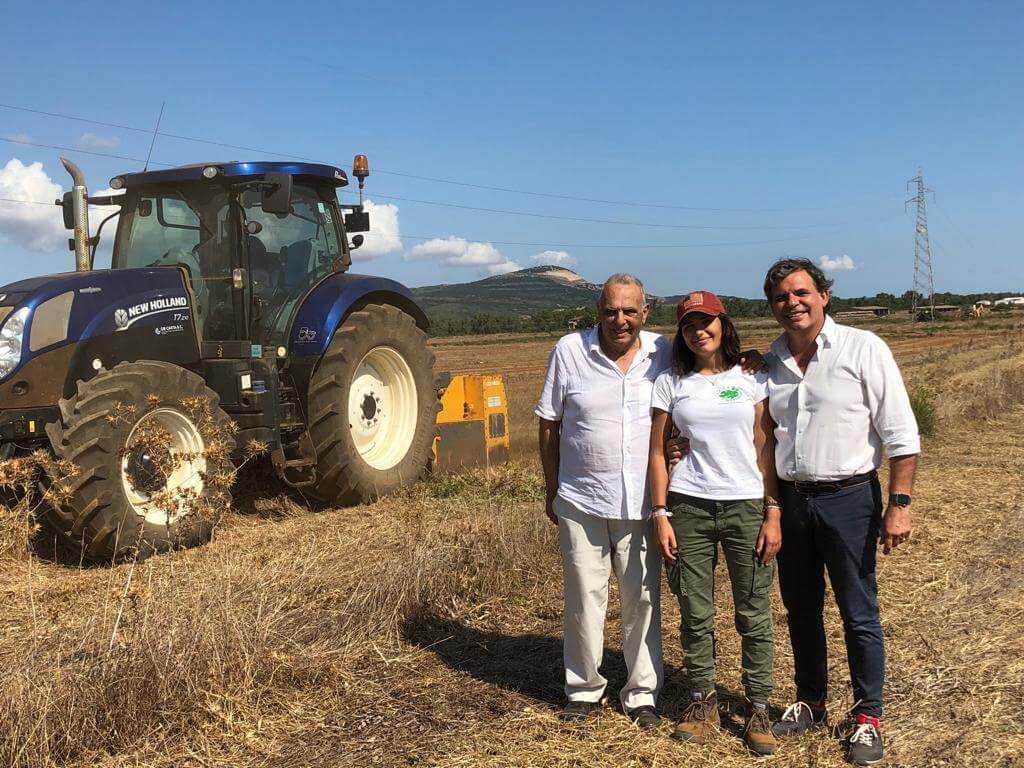
Manca also credited the production facilities at San Giuliano for the quality of the company’s olive oils. It is one of the biggest producers of organic extra virgin olive oil in the country, and a state-of-the-art mill built around them along with a traceability system in place allows Manca and his fellow producers to ensure quality in every step of the production process.
Olives are grown in three locations of Sardinia with different cultivars in each, according to Fois. The Bosana cultivar thrives in the north; Neri di Oliena in the east; Tonda di Cagliari in the south; and Semidana in the west. Each has a unique flavor profile and growing habits, but there is one unique challenge to cultivating olives on the island: the wind.
“The wind is certainly the main challenge in Sardinia, especially the one that blows from the northwest called mistral,” Manca said, referring to a strong, cold wind that blows off the coast of Provence, France, and affects temperatures and the shape of olive trees. “But besides this peculiarity… Sardinia offers an exceptional spot to grow olive trees.”
Due to its unique characteristics, oleotourism in Sardinia is also taking off. Some groups, such as Tasting Sardinia, offer olive oil-specific tours around the island. Both Manca and Fois said they have experienced an uptick of visitors in recent years.
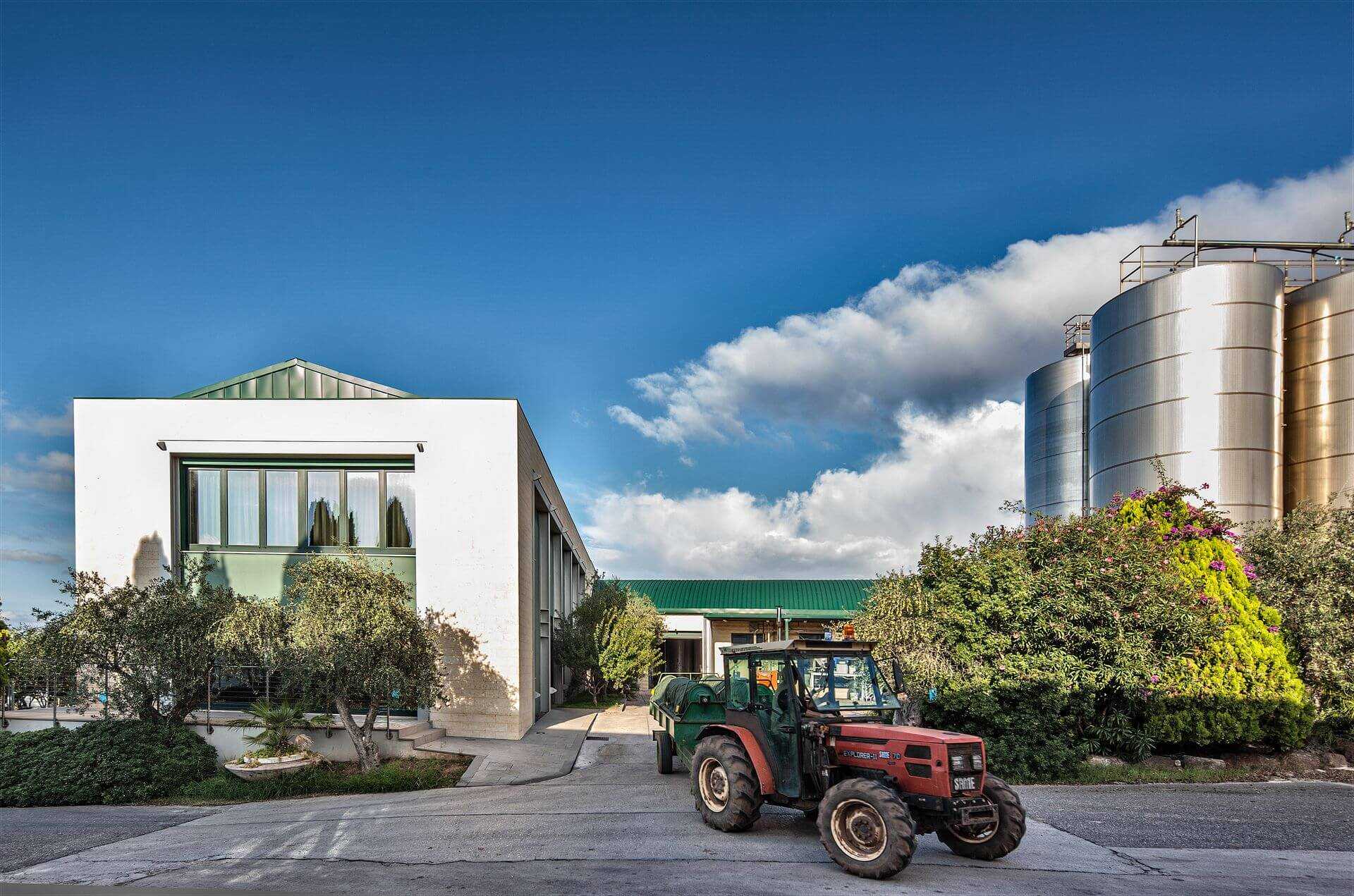
“Every year we have more and more visitors who come to visit our production plant,” Fois said. “We are very proud of this as it means we are becoming increasingly more well known on a national and international level.”
Manca said this boost in tourism, aided by the island’s olive oil accolades, is critical to the future of Sardinia.
“Sardinia is a big island but with a very low density per square kilometer in terms of population,” he said. “Therefore its economy relies on the many tourists that come on vacation to spread the word about the uniqueness of this fantastic island, both in terms of beauty and of food tradition.”
Food establishments around the world, and recently in the United States, are promoting Sardinian olive oil by keeping shelf space for it and highlighting it on restaurant menus. So, the only thing left to do is try more Sardinian olive oil or better yet, visit the island.